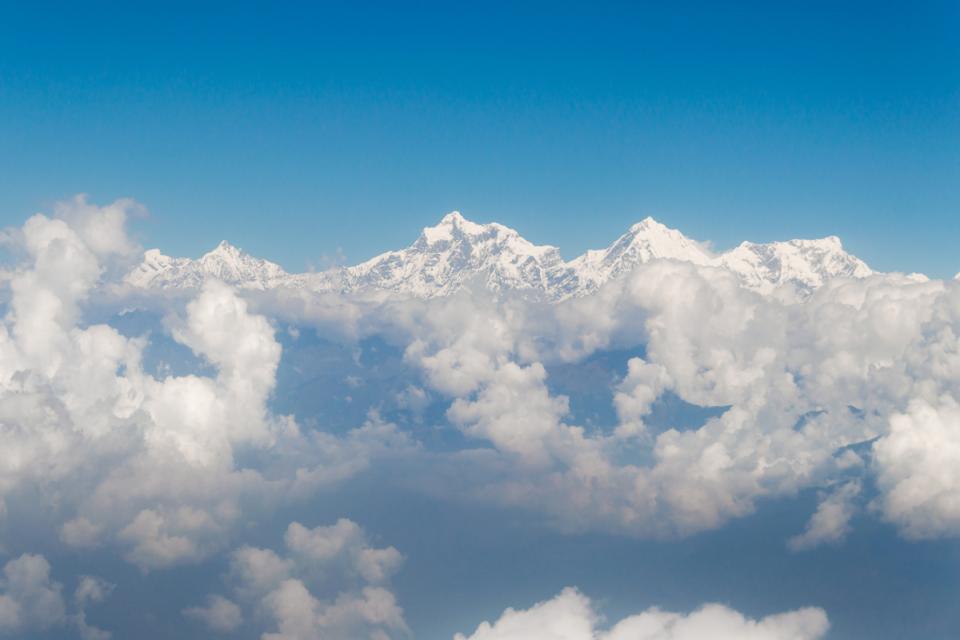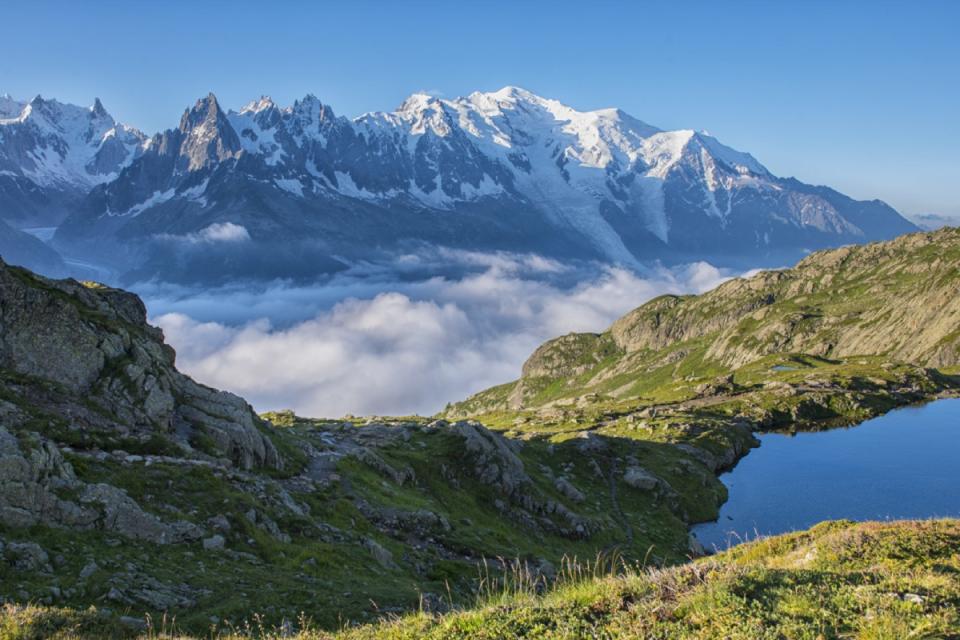
As trekkers navigating the high-altitude passes of the Annapurna Circuit or explorers discovering the cultural heart of the Kathmandu Valley, you may have encountered stories of a mysterious, dark substance oozing from the towering Himalayan rock faces. Known locally as the "Black Gold" of the mountains, Shilajit has been a cornerstone of traditional Ayurvedic medicine for centuries.
For international travelers and modern adventurers, understanding this ancient mineral pitch isn't just an exercise in cultural curiosity - it is a peek into one of nature's most potent wellness secrets.
At Best Heritage Tour, we believe that exploring Nepal goes far beyond visiting ancient temples and viewing panoramic peaks. It is about understanding the living heritage, sacred geology, and unique natural treasures of the Himalayas. In this comprehensive guide, we will break down what Shilajit is, its profound benefits for travelers, current pricing in Nepal, and the strict local conservation laws that govern its harvest.
What is Shilajit?
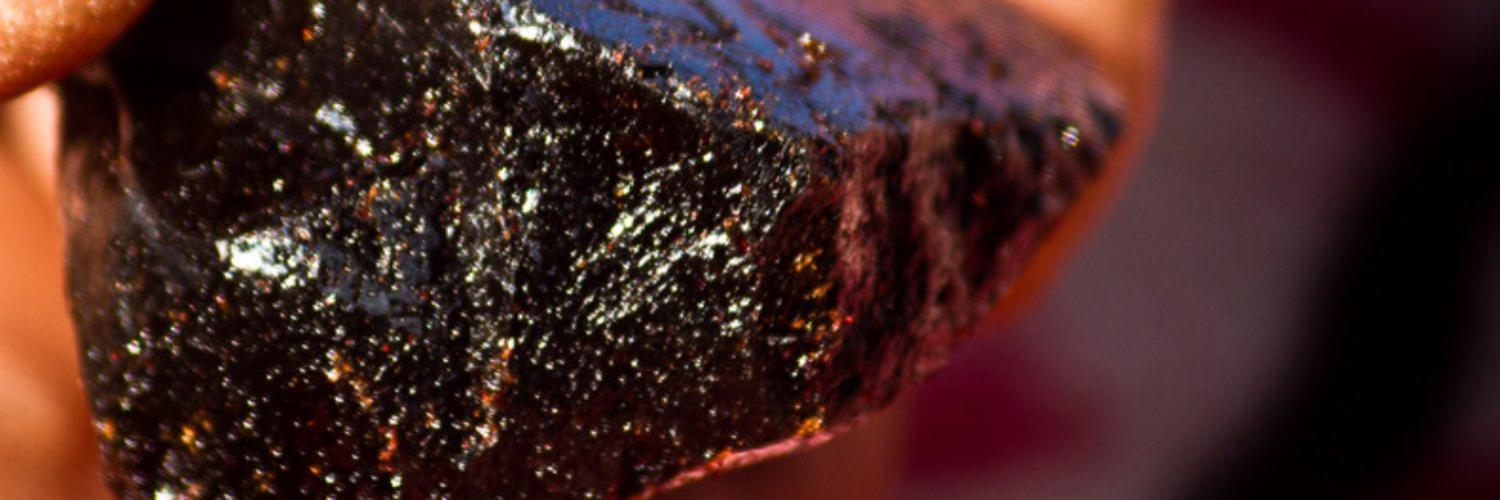
To understand what is Shilajit, one must look back thousands of years. Shilajit (also spelled Silajit or known globally as mineral pitch) is a sticky, blackish-brown organic-mineral resin. It is not a plant, nor is it a simple mineral rock. Instead, it is a highly concentrated humus-rich exudate that forms through the extraordinarily slow decomposition of specific latex- and resin-bearing plants, as well as alpine mosses.
Over centuries, this organic matter became trapped between heavy layers of rock at extreme altitudes. Under immense geological pressure and extreme temperature fluctuations, these materials transformed into a dense, mineral-rich tar.
During the hot summer months, when the intense high-altitude sun beats down on the vertical rock faces of the Himalayas, this compressed resin softens and slowly oozes out through cracks and fissures in the stone matrix. It is at this moment that traditional local collectors scale the cliffs to harvest it.
Where is Shilajit Found in Nepal?
If you are wondering where is Shilajit found in Nepal, the answer lies in the most rugged, high-altitude terrain of the country, generally at elevations above 3,000 to 5,000 meters (10,000 to 16,000 feet).
The remote Karnali Province is the undisputed heartland of Nepalese Shilajit. The pristine, isolated cliffs of the Dolpa (Dolpo), Jumla, and Humla districts hold the largest natural reserves in the country.
Beyond the wild west, smaller deposits can also be found in:
-
The high cliffs of the Myagdi and Baglung districts in western Nepal.
-
The steep slopes surrounding the Sankhuwasabha district (home to Mount Makalu) and Taplejung (near the Kanchenjunga range) in eastern Nepal.
Because both mineral and botanical properties are tightly bound within it, the Department of Plant Resources in Nepal formally categorizes Shilajit under both plant and mineral groups. Notably, local medical experts and global researchers consider high-altitude Nepalese Shilajit to be among the finest and most biologically active variants in the world.
What are the Benefits of Shilajit?
Traditional healers have used Shilajit for energy, vitality, and cellular recovery for over a millennium. Modern science has begun catching up, showing that Shilajit contains over 85 trace minerals in their most ionic, bioavailable forms, alongside a massive concentration of fulvic acid.
When exploring what are the benefits of Shilajit, particularly for trekkers, athletes, and long-term travelers, the advantages are distinct:
1. Combating High-Altitude Sickness and Hypoxia
For trekkers tackling the Everest Base Camp trek or crossing the Thorong La Pass, altitude sickness (hypoxia) is a constant risk. Shilajit contains high levels of fulvic acid, which acts as a natural catalyst for nutrient absorption and significantly improves the oxygen-carrying capacity of your blood. It helps cells absorb oxygen more efficiently, assisting your body in adapting to low-pressure environments.
2. Natural Energy Boost and ATP Production
Long days of trekking require sustainable stamina. Shilajit directly stimulates the mitochondria - the powerhouses of your cells - to boost the production of Adenosine Triphosphate (ATP). This results in a clean, natural surge in physical energy and mental clarity without the jitters or crashes associated with caffeine.
3. Rapid Muscle Recovery and Tissue Repair
The intense physical exertion of climbing Nepal's steep stone steps can tear muscle tissue. The dense profile of 85+ trace minerals in Shilajit speeds up cellular regeneration and downregulates inflammatory markers, allowing your body to recover much faster after an exhausting day on the trail.
4. Deep Cellular Detoxification and Blood Purification
Local Ayurvedic specialists note that Shilajit acts as a powerful blood purifier. By binding to toxins and metabolic waste products, fulvic acid helps flush heavy metals out of the system while simultaneously dragging vital nutrients deep into the cells. This boosts immune defense and promotes overall metabolic balance.
Why People Use Shilajit?
Beyond the immediate performance benefits for outdoor explorers, why people use Shilajit on a daily basis comes down to long-term holistic wellness. In Ayurveda, it is classified as a Rasayana - a rejuvenator that slows the aging process and promotes longevity.
Regular users look to pure Shilajit resin to balance hormone profiles, improve cognitive function, reduce chronic fatigue, and strengthen immune responses. For men, it is widely used to naturally support testosterone production and reproductive health, while women frequently use it to enhance skin vitality, correct iron deficiencies, and boost daily stamina.
How is the Shilajit Harvested?
The story of how this resin makes its way from a sheer cliff face into a purified jar is one of immense danger, patience, and ancestral skill. Understanding how does the Shilajit harvested underscores why this substance is so rare and highly valued.
The Shilajit Journey At a Glance
1. Summer Seepage
High-altitude sun warms the cliffs (>3,000m); resin softens.
2. Dangerous Harvest
Local community climbers scale sheer rock faces to scrape crude resin from fissures
3. Water Dissolution
Raw resin is soaked in clean water for 12-24 hours to separate heavy rock debris and soil.
4. Triphala Detoxification
The solution is filtered and cooked with Triphala (herbal decoction) to neutralize toxins.
5. Sun Drying & Purification
The purified liquid is laid under direct sunlight for weeks to evaporate water, leaving a thick, Grade-A resin.
The process begins in the peak summer months (May to July). Local harvesters, whose families have held these secrets for generations, use basic ropes to scale vertical mountain walls. Using specialized tools, they carefully scrape the raw, crude resin out of the stone cracks.
The Critical Need for Purification
Critical Safety Warning: Never, under any circumstances, consume raw, unpurified Shilajit directly from the mountain rocks.
In its crude state, the resin naturally absorbs toxic heavy metals (such as lead, mercury, arsenic, and cadmium) from the surrounding stone matrix. Furthermore, because it seeps out in the wild, raw rock exudate can easily be contaminated by animal waste, carrying dangerous pathogens.
To make it safe, the raw material must undergo a meticulous Ayurvedic purification protocol. It is dissolved in water, filtered multiple times to remove physical impurities, and traditionally processed with Triphala (an herbal mixture of three native fruits) to detoxify the compound. Finally, it is sun-dried for weeks until it thickens into a pure, safe, and highly potent paste.
Rules and Restrictions: Can Foreigners Collect or Witness the Shilajit Harvest?
For curious travelers and cultural explorers, the harvesting process sounds like an unforgettable adventure. However, Nepal enforces strict regulations regarding the collection and management of this precious natural resource.
Can a foreigner collect Shilajit?
No. Foreign nationals are strictly prohibited from hunting or collecting raw Shilajit in the wild. In fact, these regulations extend even to Nepalese citizens from outside the local harvesting zones.
Shilajit harvesting rights are strictly limited to the specific indigenous communities and local cooperatives that live where the deposits are found (such as the high-altitude villages of Dolpa and Jumla). These mountain communities must obtain formal permissions from Nepal’s Department of Forestry before any seasonal collection begins. This localized monopoly protects the delicate high-mountain ecology from over-exploitation and ensures that the economic benefits directly support marginalized alpine communities.
Can a foreigner see the Shilajit Collection process?
Witnessing a live harvest is exceptionally rare and practically impossible for standard tourists. Because the collection occurs on unmarked, vertical cliff faces at extreme altitudes during a tight seasonal window, there are no organized tourist trails or viewing platforms.
The locations are kept highly secret by local clans, and the physical risks of high-altitude hypoxia, loose rockfall, and vertical drops make it incredibly hazardous. While you cannot join or shadow a harvest team, you can certainly learn about the traditions directly from local elders when trekking through the remote villages of Karnali or Dolpa on a customized cultural itinerary.
Price of Shilajit in Nepal
When purchasing this supplement, it is vital to know the market landscape. The price of Shilajit varies based on its form (resin, capsules, or powder) and the rigor of its purification process.
Genuine, traditional sun-dried resin remains the gold standard of potency. Below is a realistic breakdown of retail prices for premium, lab-tested Shilajit resin in the Nepalese market:
|
Form & Sourcing Type |
Average Quantity |
Price Range (NPR) |
Price Range (USD Equivalent) |
|---|---|---|---|
|
Premium Himalayan Resin |
25 grams - 30 grams |
NPR 1,400 - NPR 2,500 |
$11.00 - $19.00 USD |
|
Bulk Standard Resin Jars |
130 grams |
NPR 6,000 - NPR 7,300 |
$45.00 - $55.00 USD |
|
Ayurvedic Capsules / Tablets |
60 - 100 Capsules |
NPR 400 - NPR 900 |
$3.00 - $7.00 USD |
Avoid the "Cheap" Red Flags
If you encounter street vendors in Thamel or lakeside Pokhara offering massive chunks of solid "Shilajit rock" or crude paste for exceptionally low prices, exercise extreme caution. Adulterated or fake products - often mixed with commercial gums, molasses, or ozokerite (a mineral wax) - are common on the unregulated tourist market. True Grade-A Himalayan Shilajit requires immense labor to harvest and weeks to purify, which will always be reflected in a fair premium price.
Fascinating Facts about the Shilajit
To truly appreciate this ancient substance, consider these unique facts about the Shilajit:
-
The 2015 Earthquake Impact: The massive 2015 Gorkha earthquake disrupted many of the deep geological fissures in central Nepal. Experts note that several historic Shilajit sources around Barpak and Bagmati Province stopped seeping entirely, making the remaining undisturbed western reserves even more precious.
-
The Cross-Border Irony: Nepalese law prohibits the export of raw, unprocessed Shilajit to encourage domestic processing. However, due to porous borders and limited processing infrastructure at home, a significant portion of raw Nepalese material is historically traded into India, where it is branded globally, while Nepal's local communities catch only a fraction of the market value.
-
The Temperature Test: Pure Shilajit resin is highly temperature-sensitive. It becomes firm, brittle, and glass-like when chilled in a refrigerator, but softens into a thick, pliable, shiny tar when held in the warmth of your hand.
-
Clean Dissolution: Authentic resin will dissolve completely in warm water or milk within minutes without leaving behind any gritty residue, sand, or cloudy fibers.
Conclusion
Experience the Living Heritage of Nepal
Exploring the secrets of Himalayan Shilajit reminds us that Nepal's mountains do not just offer breathtaking views - they hold ancient wisdom, unique biodiversity, and life-enhancing natural heritage.
Whether you are looking to challenge your limits on a high-altitude trek, immerse your family in local traditions, or discover the spiritual sanctuaries of the Himalayas, Best Heritage Tour is your premier local travel partner. Our expert local guides bring you closer to the authentic soul of Nepal, ensuring safe, deeply immersive, and unforgettable journeys.
Plan your authentic Himalayan journey with us today:
Phone / WhatsApp / Viber: +977-9851149197 / +977-9810043046
Email: info@bestheritagetour.com / bestheritagetour@gmail.com
Website: www.bestheritagetour.com
Office: Thamel Marg, Kathmandu, Nepal
Frequently Asked Questions (FAQ)
How much Shilajit should I take daily?
The generally accepted daily dose for a healthy adult is between 300 to 500 mg, which is roughly the size of a small pea. It is best dissolved in a glass of warm (not boiling) water or warm milk and consumed first thing in the morning on an empty stomach.
What does authentic Shilajit taste like?
It has an intensely bitter, smoky, and earthy flavor profile, often described as tasting like "soil after a heavy mountain rain." If the taste is too sharp, mixing it with a small spoonful of raw honey makes it highly palatable.
Who should avoid taking Shilajit?
Because Shilajit is naturally rich in bioavailable iron, individuals with iron-overload conditions like hemochromatosis, thalassemia, or sickle cell anemia must avoid it. Furthermore, those with active heart conditions, severe hypertension, or pregnant and breastfeeding individuals should always consult a physician before usage.
Can I legally take packaged Shilajit out of Nepal as a souvenir?
Yes. While the export of raw, unprocessed mineral rocks is restricted, purchasing commercially packaged, sealed, and purified Shilajit resin or capsules from registered Nepalese brands as a personal dietary supplement is completely legal for international travelers.
Author: Best Heritage Tour
Date: 6th July, 2026