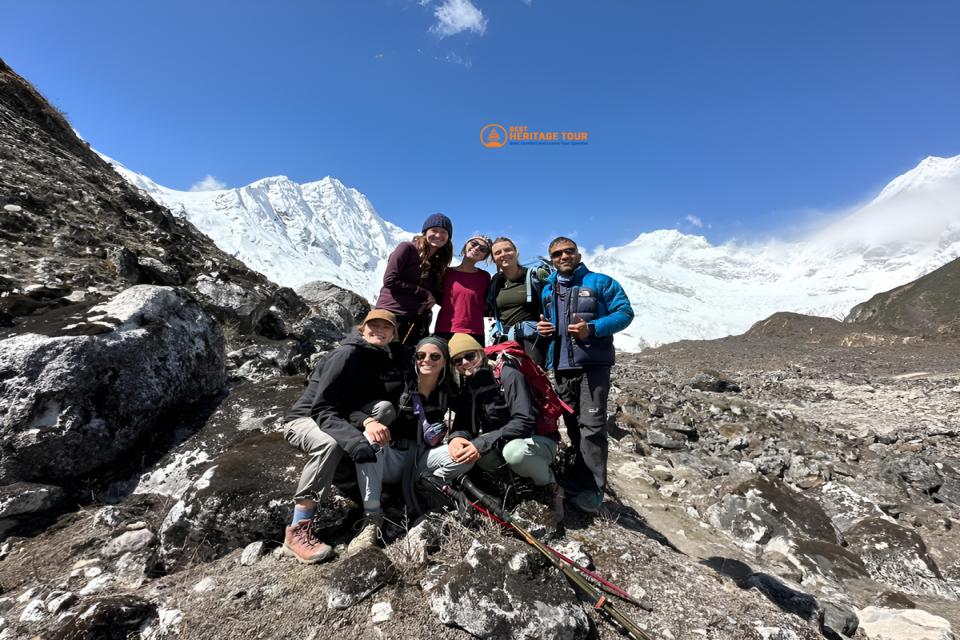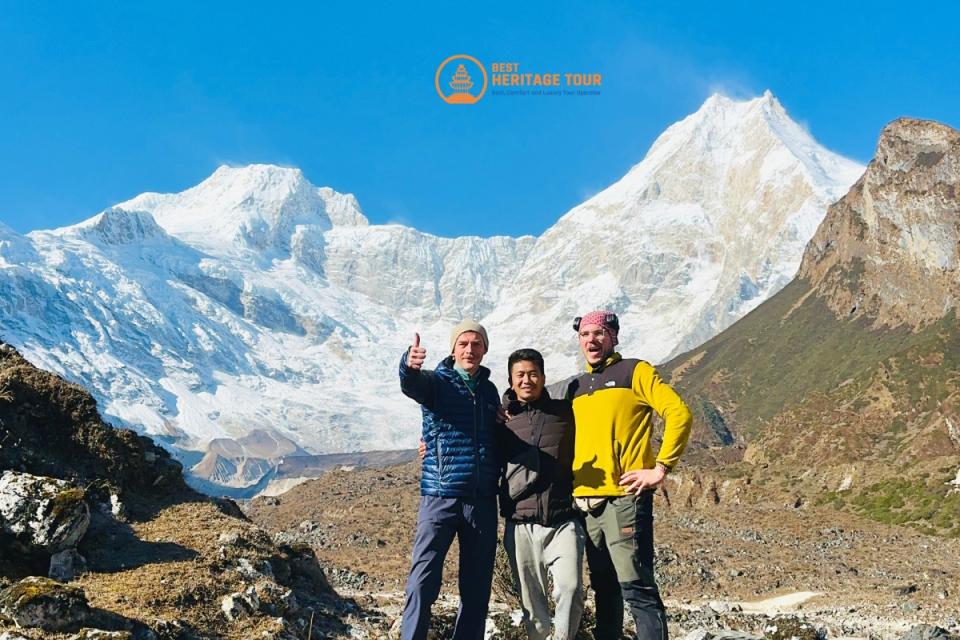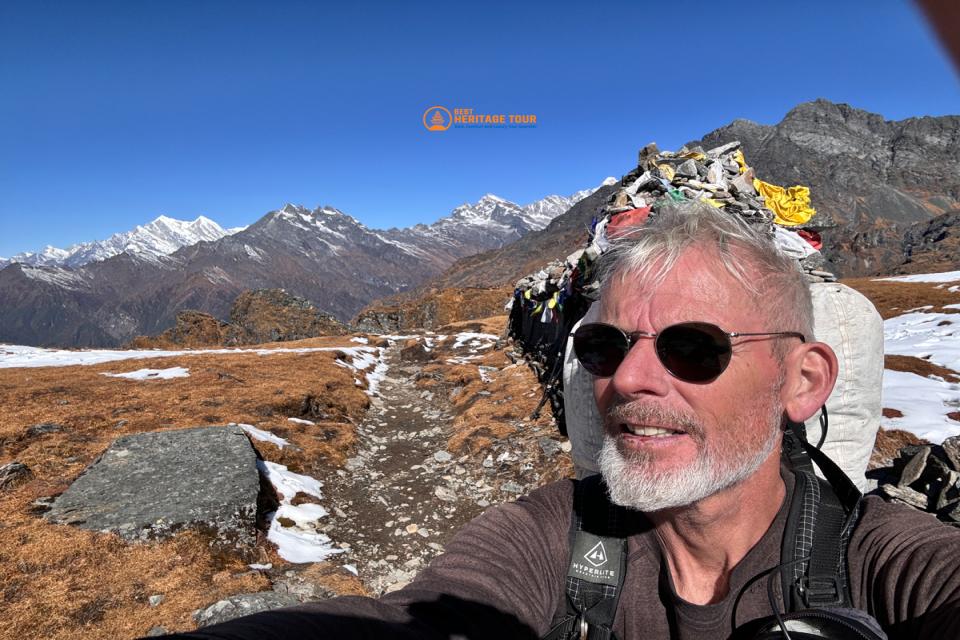
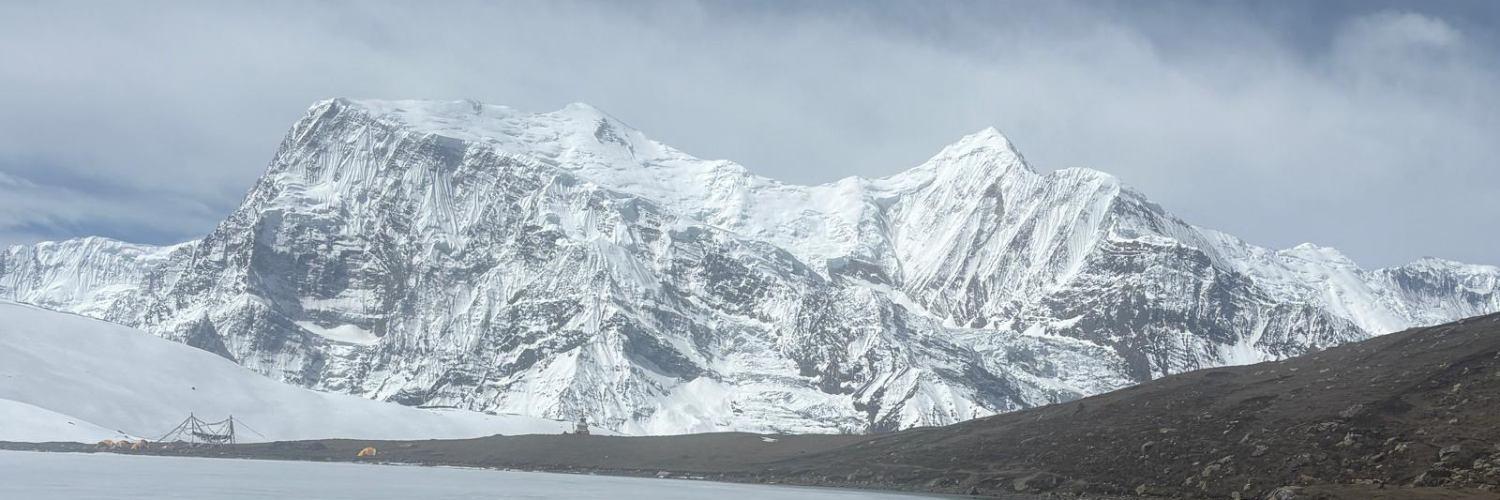
For decades, the raw, mystical borderlands of the Himalayas - places like the forbidden kingdom of Upper Mustang, the pristine tracks of the Manaslu Circuit, and the ancient landscapes of Upper Dolpo - remained a logistical riddle for independent adventurers. The most significant barrier was the stubborn "two-trekker minimum" rule. If you didn’t have a real-world hiking partner, you had to hunt for a "ghost permit," pair up with a stranger on online forums, or abandon your dream trek entirely.
That era has officially come to an end.
The Department of Immigration (DoI) of Nepal enacted a monumental policy shift on March 22, 2026. This regulatory overhaul completely redefines how international travelers experience our country's protected and ecologically sensitive border zones. Whether you are an adventure seeker planning your first Himalayan expedition or a solo traveler looking for an intimate cultural pilgrimage, here is the comprehensive, official Restricted Area Permit Update 2026.
What is the New Rule on Restricted Area Permits?
The core objective of the March 2026 policy update is simple: streamlining traveler convenience while drastically modernizing safety, environmental compliance, and regional security tracking. Instead of relying on rigid, easily bypassed group quotas, the Department of Immigration has transitioned to an accountability framework backed by authorized local agencies and digital infrastructure.
|
MARCH 2026 REGULATORY SNAPSHOT |
|
|
Previous Framework |
2026 Modernized Policy |
|
|
The major operational pillars introduced in the new guideline include:
-
Abolishment of the Two-Person Quota: The minimum group size of two foreign nationals has been completely removed across all fifteen designated restricted-area zones spanning thirteen districts.
-
The 1:7 Guide-to-Trekker Ratio: To prevent safety dilution on the trail, a new maximum cap limits group sizes to seven trekkers per single licensed guide. Larger groups are legally required to hire additional licensed guiding personnel.
-
Pre-Arrival Digital Application: The era of burning your first precious morning in Kathmandu waiting in line at the immigration office is over. Registered agencies can now process and secure your permits weeks before you set foot in Nepal.
Can a Solo Trekker Get a Restricted Area Permit?
Yes! A single, solo trekker can now get a Restricted Area Permit (RAP) in their name alone. You no longer need to find a second person or pay double fees to cover an imaginary companion.
However, it is critical to clarify what a Solo Restricted Area Permit means under the 2026 framework. In Nepal, "solo" does not mean "independent" or "unguided." The government has removed the group-size barrier, but they have firmly maintained - and tightened - the regulatory safety ecosystem.
To legally secure a solo permit and clear the mountain checkpoints, you must satisfy two non-negotiable legal mandates:
-
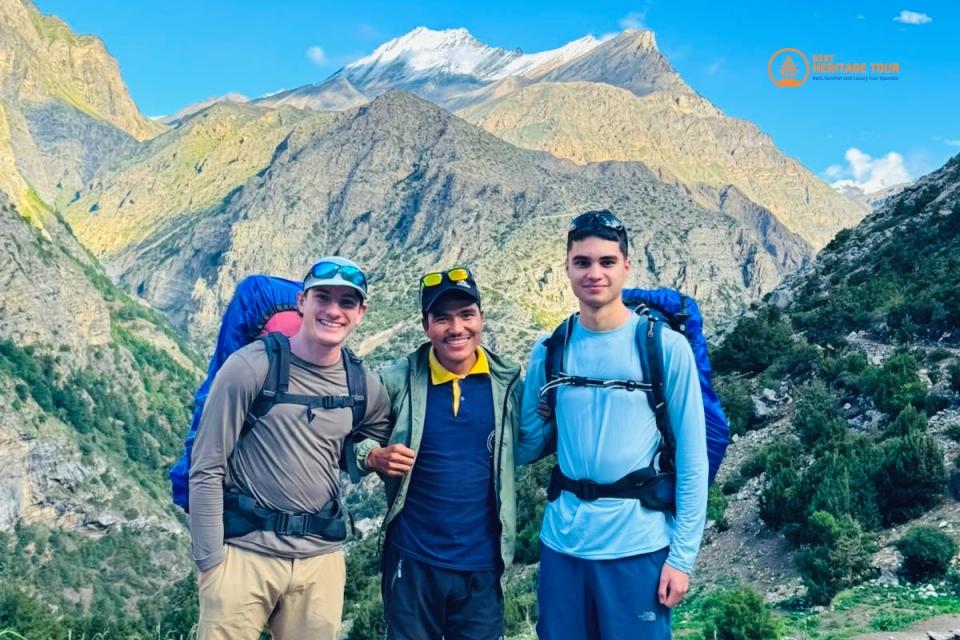
You must be accompanied by a licensed local guide: You cannot enter a restricted zone alone. Your assigned guide must be fully certified by the Nepal Tourism Board (NTB) and hold a valid, active license.
-
You must register and book through an authorized company: The Department of Immigration does not host a public, walk-in counter for individual foreign applicants. Your entire permit file, insurance validation, and regulatory itinerary must be formally compiled and filed by a government-registered trekking agency in Nepal - just like our team at Best Heritage Tour.
This dual-layer requirement protects sensitive borders, ensures instant emergency evacuation mobilization, preserves indigenous Himalayan lifestyles, and directly supports the local mountain economy.
Which Trekking Regions Are Covered Under the 2026 Rules?
The 2026 solo permit relaxation applies universally to all of Nepal’s highly managed, culturally fragile, and restricted trans-Himalayan border regions.
If you are plotting out your next bucket-list adventure, here are the primary trekking zones where you can now obtain an individual solo permit:
-
Manaslu Circuit & Tsum Valley (Gorkha District): Walk through the dramatic deep gorges of the Budhi Gandaki, cross the challenging Larkya La Pass (5,106 m), or diverge into the sacred, timeless Tibetan Buddhist sanctuaries of the "Valley of Happiness."
-
Upper Mustang (Mustang District): Journey into the dry, wind-sculpted caves, red cliffs, and ancient walled capitals of the historic Kingdom of Lo, heavily influenced by vibrant pre-Buddhist Tibetan culture.
-
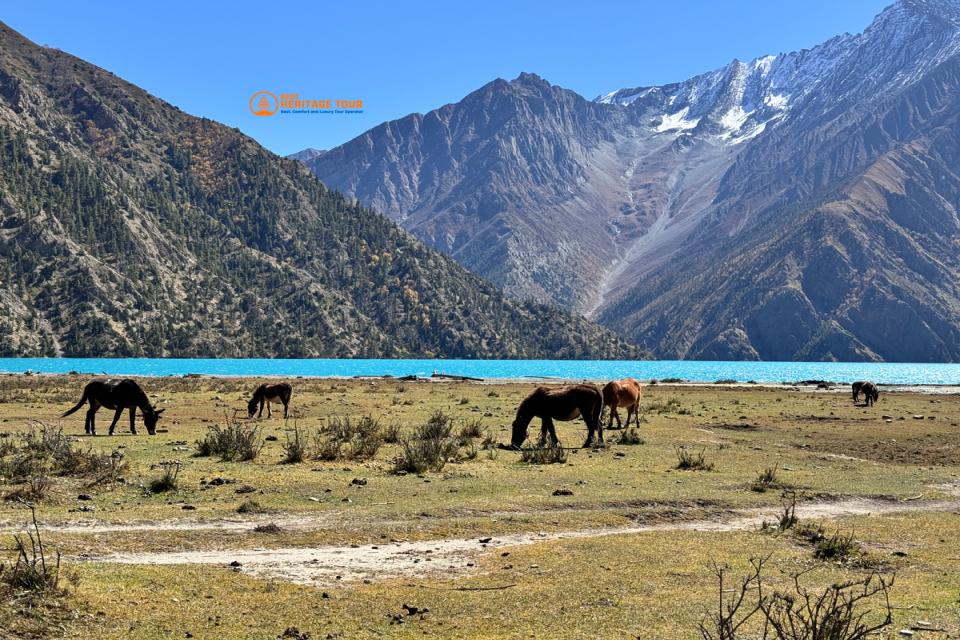
Upper & Lower Dolpo (Dolpo District): Trek across the rugged terrain immortalized in Peter Matthiessen’s The Snow Leopard, navigating deep turquoise waters like Phoksundo Lake and the mysterious trails of the ancient Bon religion.
-
Nar Phu Valley (Manang District): Explore a forgotten, high-altitude medieval pocket of stone villages tucked away between the Annapurna and Manaslu massifs.
-
Kanchenjunga & Makalu Regions (Eastern Nepal): Discover the wild, untamed eastern frontiers guarding the world's third and fifth highest peaks.
Complete 2026 Fee Structure for Key Restricted Areas
While the application mechanics have shifted to an advanced digital architecture, the government's baseline environmental and regional permit pricing remains seasonal. Restricted area permits are priced in US Dollars (USD) and are strictly bound to the exact entry and exit dates filed by your agency.
The following table breaks down the 2026 regulatory fees for Nepal's most sought-after restricted routes:
|
Restricted Trekking Region |
Peak Season (Sept-Nov) |
Off-Peak Season (Dec-Aug) |
Additional Day Fee |
Required Supplemental Permits |
|---|---|---|---|---|
|
Manaslu Circuit |
USD 100 (First 7 Days) |
USD 75 |
USD 15/ day |
MCAP NPR 3,000 & |
|
Upper Mustang |
USD 50/ day (Flexible) |
USD 50/ day (Flexible) |
USD 50/ day |
ACAP |
|
Upper Dolpo |
USD 500 |
USD 500 |
USD 50/ day |
Shey Phoksundo National Park Permit |
|
Tsum Valley |
USD 40 |
USD 30 |
USD 7/ day |
MCAP |
|
Nar Phu Valley |
USD 100 |
USD 75 |
USD 15/ day |
ACAP |
Crucial Logistics Note: A Restricted Area Permit replaces the standard E-TIMS card requirement for that specific zone, but it does not replace National Park or Conservation Area permits. For instance, on a Manaslu Circuit trek, you will still legally require the Manaslu Conservation Area Project (MCAP) and Annapurna Conservation Area Project (ACAP) permits alongside your core RAP.
Step-by-Step Guide: How to Secure Your Solo Restricted Area Permit?
Thanks to the Centralized Digital Trekking Portal rolled out alongside the 2026 updates, the application workflow has moved completely online.
1. Submit Pre-Arrival Documents to Us (Best Heritage Tour): 4-6 weeks before departure.
Send us a high-resolution digital copy of your passport, 2-4 recent passport-sized photos, and your detailed day-by-day route plan.
2. Provide Visa Details or Submission ID: Online from your home country.
Under the 2026 updates, you can apply using your standard Nepal Tourist Visa Number or your Visa Application Submission ID obtained online before flying.
3. Upload Compliant Travel Insurance: Verification checkpoint.
We will upload your travel insurance policy to the government's digital portal. The policy must explicitly cover high-altitude mountain search and rescue, alongside emergency helicopter evacuation up to 6,000 m.
4. Guide Assignment and Digital Issuance: 1-2 working days.
Our team registers your dedicated, licensed local guide's credentials and official license number against your application. The Department of Immigration verifies the data and issues your digital permit equipped with a secure tracking QR code.
Why the Guide Mandate and QR Checkpoints Exist
It is completely natural for experienced independent trekkers to wonder why they still cannot hike these trails completely unassisted. The reason is rooted in the sheer geographic isolation and environmental vulnerability of these landscapes.
Restricted zones sit right against international borders, often running parallel to autonomous regions. They feature fragile high-altitude biomes that support endangered wildlife like the snow leopard, and they shelter old indigenous cultures that have remained untouched for centuries.
Furthermore, infrastructure is practically nonexistent on these routes; you can easily find yourself a four-day walk away from the nearest secondary road. Your guide is your lifeline. They monitor your acclimatization, navigate seasonal trail shifts, translate localized dialects, and manage eco-friendly practices like the ban on single-use plastic water bottles.
Under the 2026 digital infrastructure rollout, physical checkposts are now fully integrated with e-TIMS QR code scanners. When your guide scans your permit at a station, your live coordinates update in the central database. If an unexpected blizzard, landslide, or altitude emergency strikes, search and rescue teams know exactly which pocket of the trail you are in.
Frequently Asked Questions
Can I apply for a Restricted Area Permit on my own after arriving in Kathmandu?
No. The Department of Immigration does not accept independent individual applications. By law, all RAPs must be requested, filed, and backed by a government-registered trekking agency.
What happens if I try to enter a restricted area without a guide?
You will be stopped at the very first e-TIMS digital checkpost. Violating permit rules results in turning back immediately, heavy financial penalties, and potential legal complications with immigration authorities.
Can my guide lead a small group of friends if I don't want to go completely solo?
Yes. Under the 2026 guide-to-trekker ratio, one certified local guide can legally accompany any small group up to a maximum of seven trekkers. If your group grows to eight people, a second guide must join your crew.
Can I change my itinerary dates mid-trek if I want to explore longer?
Restricted area permits are issued for fixed, specific dates matching your border approvals. Extensions must be processed digitally through your agency via the Centralized Digital Trekking Portal before your original permit window expires.
Conclusion
Experience the Himalayas Responsibly with Best Heritage Tour
The historic 2026 permit update offers an incredible opportunity to experience Nepal's ultimate wilderness paths with complete flexibility, tailored pacing, and profound cultural immersion. You no longer have to compromise your travel style just to fill a group quota.
At Best Heritage Tour, we handle every detail of the regulatory framework for you. From securing pre-arrival digital permit approvals using your visa submission ID to matching you with elite, licensed local guides who call these mountains home, we ensure your journey is safe, compliant, and unforgettable.
Let us turn your solo Himalayan dream into a beautifully managed reality.
Get in touch with our travel planning team today:
Phone / WhatsApp / Viber: +977-9851149197 / +977-9810043046
Email: info@bestheritagetour.com / bestheritagetour@gmail.com
Website: www.bestheritagetour.com
Office: Thamel Marg, Kathmandu, Nepal
Author: Best Heritage Tour
Date: 9th July, 2026