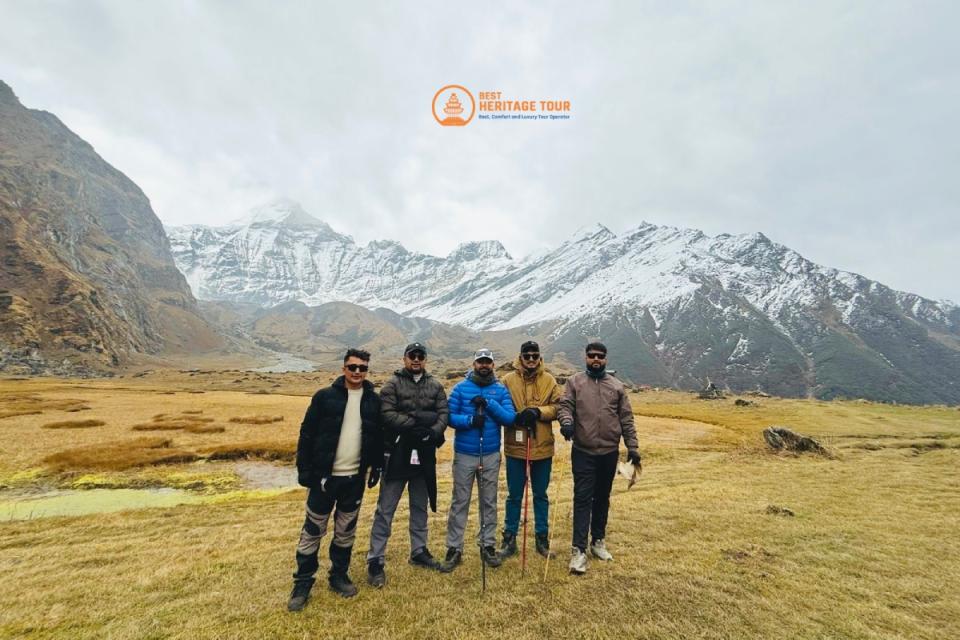
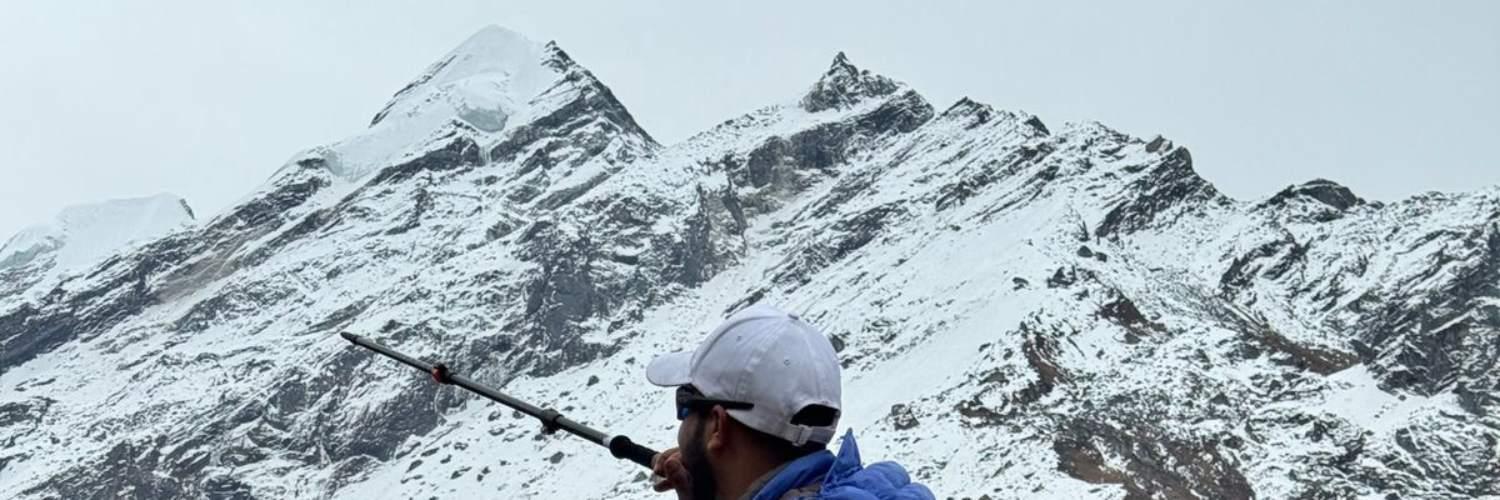
For decades, the global trekking community has focused its gaze almost entirely on the iconic trails of the Annapurna and Everest regions. Yet, for those true adventurers who yearn for the raw, unscripted majesty of the old Himalayas, a new frontier awaits. Nestled deep within the rugged Darchula district of Far-Western Nepal lies a sanctuary of high-altitude peak views, vibrant indigenous cultures, and pristine wilderness that remains blissfully untouched by mass tourism.
At Best Heritage Tour, we have dedicated ourselves to pioneering journeys that balance profound cultural immersion with exceptional outdoor exploration. We believe that the modern traveler is no longer just looking for a path to walk; they are searching for a transformative experience far from the crowded tea houses and commercialized trails. That is exactly why you should choose the Api Himal Trek for your next adventure.
This comprehensive guide breaks down the defining characteristics of this hidden paradise, outlining the top 10 reasons to venture beyond the map's edge, alongside the ultimate things to do when you reach the majestic Api Himal Base Camp.
Top 10 Reasons to Choose Api Himal Trek
1. Absolute Isolation and Zero Crowds
The most compelling reason to select this trek over classic routes is the profound solitude it guarantees. While popular trails see thousands of hikers a month, the Api Himal trail hosts fewer than 500 trekkers annually. Here, you will not find yourself walking in a single-file line of tourists or competing for overnight rooms. The trail is yours to discover, offering a rare opportunity to connect deeply with nature without the ambient hum of commercial commercialization.
2. The Majesty of Mt. Api (7,132 m)
Dominating the skyline of Far-Western Nepal, Mount Api is the highest peak in the Yoka Pahar section of the Gurans Himal range. Because it rises dramatically out of lower, less-frequented hills, its vertical relief is astonishingly stark. Standing before its savage, glaciated south face offers an overwhelming sense of scale that even some of the taller 8,000-meter peaks struggle to match.
3. Exploration of the Api Nampa Conservation Area
Established to protect the unique ecosystems of the far-western high mountains, this conservation area spans vast altitudinal ranges. Trekkers cross distinct ecological zones, beginning in sub-tropical river lowlands and climbing through dense oak, fir, and ancient hemlock forests. As you breach the alpine zone, the forests open into vast, windswept meadows blanketed in dwarf rhododendrons.
4. High Chance of Rare Wildlife Encounters
Because human foot traffic is minimal, the wildlife within the conservation area remains genuinely wild. The dense forests and upper rocky crags are prime habitats for endangered species. If luck is on your side, you may catch glimpses of:
-
The elusive Snow Leopard patrolling high ridges.
-
Himalayan Black Bears feeding in the lower forested valleys.
-
Musk Deer bounding across alpine clearings.
-
The vibrant Danphe (Himalayan Monal), the national bird of Nepal, flushing from the brush.
5. Immersion in the Rare Doteli and Byansi Cultures
The human landscape of Far-Western Nepal is just as fascinating as its topography. The lower settlements are populated by Doteli-speaking Hindu communities whose daily rhythms, traditional stone architecture, and terraced farming practices feel beautifully suspended in time. Higher up, you will encounter the Byansi (Sauka) people. Historically, they were legendary trans-Himalayan traders who moved wool and salt through high passes into Tibet. Their unique customs, heavily influenced by Tibetan Buddhism and the ancient Bon religion, offer a cultural perspective entirely distinct from the Sherpa or Gurung cultures of eastern and central Nepal.
6. The Unique Culinary Journey of the Far West
Food on this trek is not the standardized tourist fare found elsewhere. At Best Heritage Tour, we prioritize authentic food experiences. You will dine on local staples such as Roti-Tarkari made from mountain-grown grains, accompanied by wild greens. A true regional highlight is Bhang ko Achar, a distinct chutney prepared from roasted and ground hemp seeds mixed with local spices, lending a rich, nutty flavor to your traditional Dal-Bhat.
7. Following Historic Himalayan Salt Trade Routes
Walking this trail means tracing the literal footsteps of centuries of merchants. Long before modern roads connected the subcontinent, trade caravans navigated these narrow river gorges to exchange goods between the fertile plains of India and the arid plateau of Tibet. Walking these stone-paved paths gives the journey a deep, historical weight.
8. Lower Risk of Severe Altitude Sickness
Many of Nepal's marquee treks force you to sleep above 4,500 meters, or cross passes exceeding 5,000 meters, carrying substantial risks of Acute Mountain Sickness (AMS). The Api Himal Base Camp sits comfortably at 3,900 to 4,200 meters. While the physical trekking demands good stamina, the maximum altitude remains manageable, keeping the physiological strain on your body significantly lower.
9. Supporting Underserved Communities
When you choose an off-the-beaten-path itinerary, your travel spend has a direct, positive impact. Tourism revenue in the Far-Western region goes straight to local families running small community homestays, porters from nearby villages, and regional agricultural producers. Choosing this trek actively aids sustainable development in a region that has historically sat outside the standard tourism loop.
10. A True Adventure Profile
This is a trek for the purist. With sections of unmarked trails, suspension bridges crossing roaring glacial rivers like the Chameliya Khola, and accommodation that shifts between local homes and wild camping, it provides a palpable sense of genuine exploration. It is an itinerary that builds undeniable character and leaves you with stories few other travelers can claim.
Things to Do in Api Himal Base Camp
Reaching the high plateau of the Api Himal Base Camp ($3,900\text{ m}$) is a spectacular achievement, but the adventure does not stop at the signpost. The wide, alpine valley is a staging ground for several incredible side-trips and experiences that make the entire journey worthwhile.
1. Hike to the Sacred Kalidhunga Lake (4,200 m)
Situated a 2 to 3-hour hike east of the primary base camp plateau, Kalidhunga Lake is a pristine, high-altitude glacial lake. Held sacred by both local Hindus and Buddhists, its deep, dark waters reflect the towering walls of the surrounding peaks. During the auspicious festivals of Bhadra Purnima and Janai Purnima, pilgrims make the arduous journey up to pray at its shores. Visitors are encouraged to leave a small, respectful offering to honor local spiritual protocols.
2. Witness the Origin of the Chameliya River at Shivadhara
Near the base of the mountains lies Shivadhara, an intensely sacred site dedicated to Lord Shiva. Here, you can witness the literal birth of the Chameliya River - the lifeblood water source of Far-Western Nepal. Glacial meltwater bubbles up directly from beneath the bedrock at the base of Mount Api. The water is entirely transparent, casting a mirror-like reflection of the alpine peaks above.
3. Explore the Flag-Shaped Ringdepani Lake
To the western flank of the base camp, adjacent to the roaring Western Api Glacier, lies Ringdepani Lake. This body of water boasts a unique geographical footprint: its twin triangular pools sit side-by-side, mirroring the distinct shape of the national flag of Nepal. The hike out to Ringdepani offers an unmatched vantage point over the interconnected icefalls of the Api and Nampa massifs.
4. Experience the Dramatic Transition at Dhauliodhar
On your approach and descent from the base camp, take time to appreciate Dhauliodhar (3,548 m). This geographic marker represents the exact ecological line where the forested mid-hills break into the stark alpine zone. Watching the dense canopy of old-growth oak and birch (bhojpatra) drop away completely to reveal the wide alpine sky is a phenomenal visual experience.
Conclusion
The wild trails of Western Nepal are calling. The Api Himal Trek stands out as a phenomenal choice for your next adventure because it preserves the original, untamed spirit of Himalayan exploration. From the silent majesty of its high-altitude glacial lakes to the deeply enriching interactions with the Byansi and Doteli peoples, this trek is a rare opportunity to see a side of Nepal that few will ever witness.
Are you ready to step away from the crowds and forge your own path through the spectacular Api Nampa Conservation Area? Let our local experts design the ultimate custom trekking itinerary tailored specifically to your fitness level and travel timeline.
Contact Best Heritage Tour
Phone / WhatsApp / Viber: +977-9851149197 / +977-9810043046
Email: info@bestheritagetour.com / bestheritagetour@gmail.com
Website: www.bestheritagetour.com
Office: Thamel Marg, Kathmandu, Nepal
Author: Best Heritage Tour
Date: 14th June, 2026