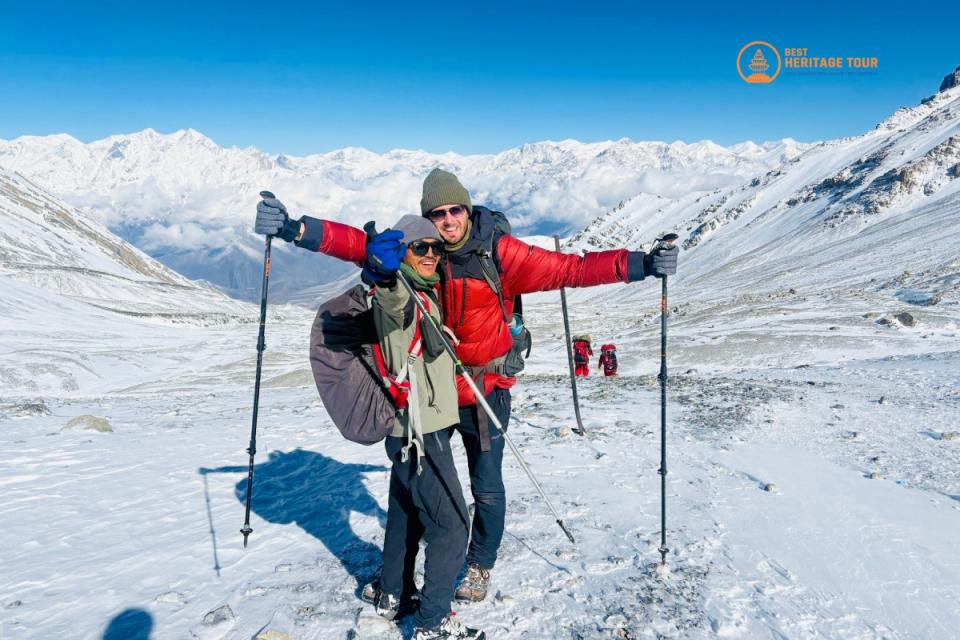
Nepal remains one of the world's most popular destinations for Himalayan trekking, and with the autumn 2026 trekking season approaching, many international travelers are asking an important question: Which trekking routes in Nepal are currently safe following the devastating flash floods of August 26, 2026?
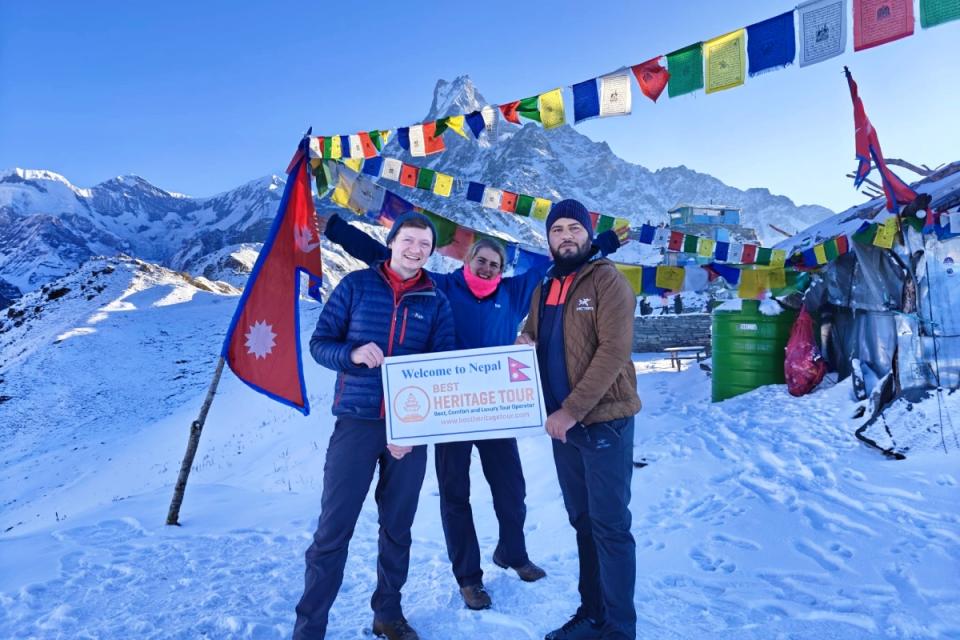
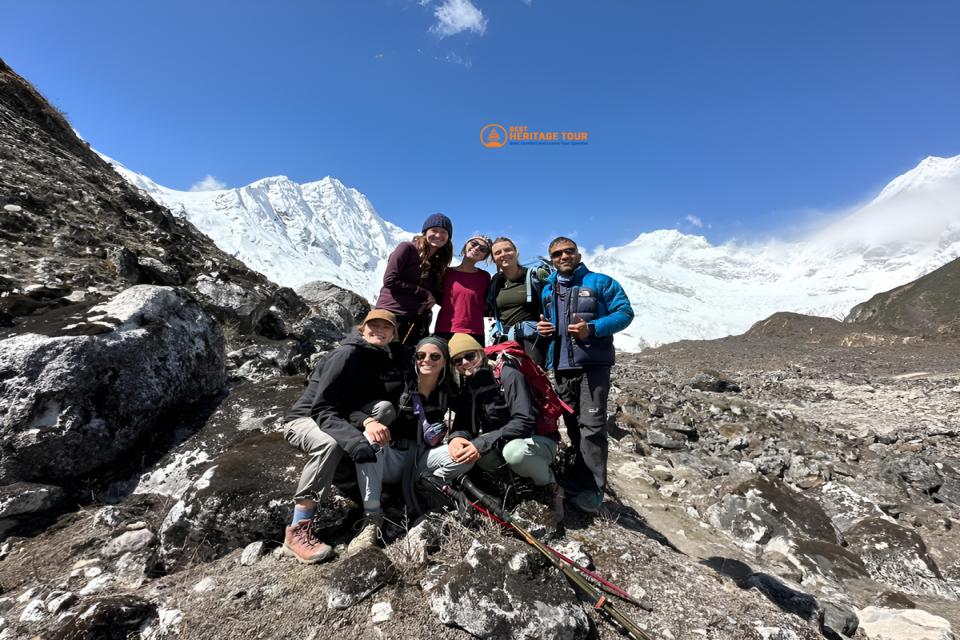
According to the latest safety information provided by the Trekking Agencies' Association of Nepal (TAAN), the recent floods have directly affected some road corridors, particularly around the Trishuli and Bhotekoshi rivers. However, many of Nepal's major trekking destinations remain unaffected and are considered safe for trekking, subject to normal monsoon-season precautions and route-specific access conditions.
Current Safety Status of Major Trekking Regions
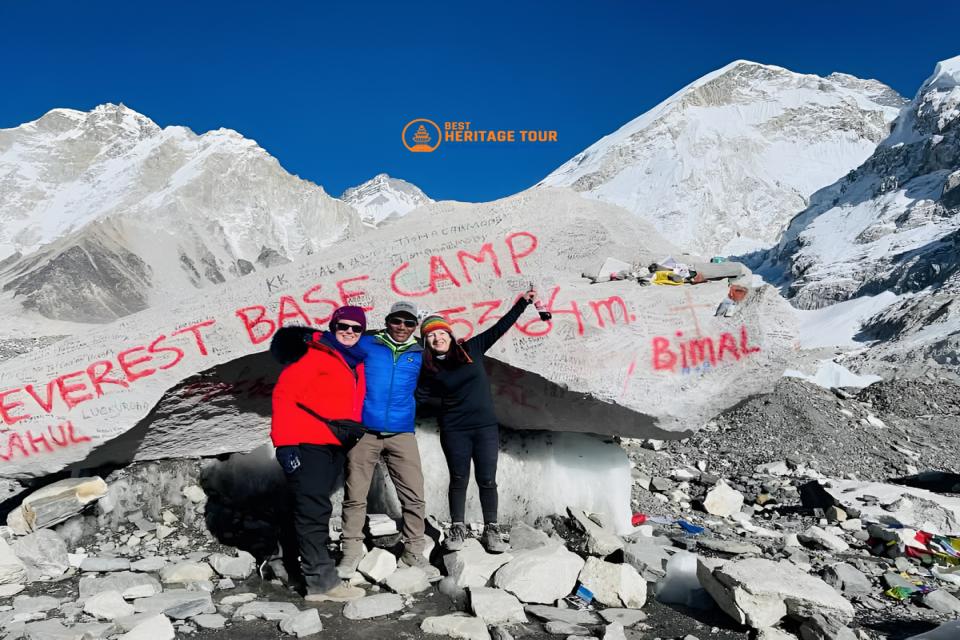
Everest Region: Safe for Trekking
The Everest trekking region has not been directly affected by the recent floods. Popular routes such as Everest Base Camp, Everest View Trek and other Everest-area trekking routes remain viable, with travelers advised to monitor weather and flight conditions during the remaining monsoon period.
Annapurna Region: Not Affected
The Annapurna Section, including Manang and Mustang, is listed as not affected. This makes routes such as the Annapurna Circuit and other Annapurna trekking options potential choices for the upcoming autumn season.
Langtang Region: Destination Safe, Access Requires Planning
Langtang Valley, Kyanjin Valley and Gosaikunda are considered safe, but the traditional access through Trishuli–Betrabeti is currently affected and closed.
Travelers should therefore use an alternative route or wait until the affected road section is reopened.
Kathmandu → Sundarijal → Chisapani → Thadepati → Ghopte → Gosaikunda → Thulosyabru → Pairo → Lama Hotel → Langtang Valley → Kyanjin
This alternative route offers a diverse and rewarding Himalayan trekking experience, combining the scenic trails of the Helambu region with the sacred lakes and dramatic mountain landscapes of Gosaikunda before continuing into the spectacular Langtang Valley.
Manaslu: Safe Destination With an Alternative Road Route
The Manaslu trekking destination, including the Tsum Valley and Nubri/Larke Pass areas, is considered safe. However, travelers should avoid the Malekhu–Dhadingbesi route because of the collapsed Malekhu bridge.
The recommended alternative is the Benighat–Arughat route when traveling toward Machha Khola/Jagat.
Kailash Mansarovar via Nepal
The Kailash route through Rasuwagadhi/Kerung is currently affected and closed. Alternative possibilities include the Kodari/Tatopani route, Simkot–Hilsa route, or flying to Lhasa and continuing overland toward Kailash.
Important Advice for Autumn 2026 Travelers
Although many trekking destinations are safe, the monsoon season has not completely ended. Conditions can change quickly, particularly on mountain roads and river corridors.
Before traveling:
-
Check the latest road and weather conditions.
-
Confirm the accessibility of your trekking trail and transportation route.
-
Allow extra travel time for possible delays.
-
Use registered trekking agencies and licensed guides.
-
Keep flexibility in your itinerary during the monsoon transition.
-
Follow local authorities' safety instructions.
The key message for travelers is simple: the recent floods have affected specific access corridors, but they have not affected all of Nepal's trekking destinations. Many major Himalayan trekking regions remain open and safe, provided travelers choose appropriate access routes and continue to monitor conditions.
Frequently Asked Questions (FAQs) – Nepal Trekking Safety Update 2026
Is Nepal safe for trekking in autumn 2026?
Yes. Many of Nepal's major trekking regions remain safe and accessible following the August 26, 2026 floods. However, safety and accessibility vary by region, so travelers should check current road, weather, and trail conditions before departure.
Which trekking regions in Nepal are currently considered safe?
According to the current TAAN safety information, major trekking destinations including the Everest, Annapurna, Langtang, and Manaslu regions remain considered safe, although some areas have specific access issues.
Is the Everest Base Camp Trek safe after the August 2026 floods?
Yes. The Everest region has not been directly affected by the recent floods, and routes such as Everest Base Camp and Everest View Trek remain viable. Travelers should continue monitoring weather and flight conditions.
Is the Annapurna region safe for trekking in 2026?
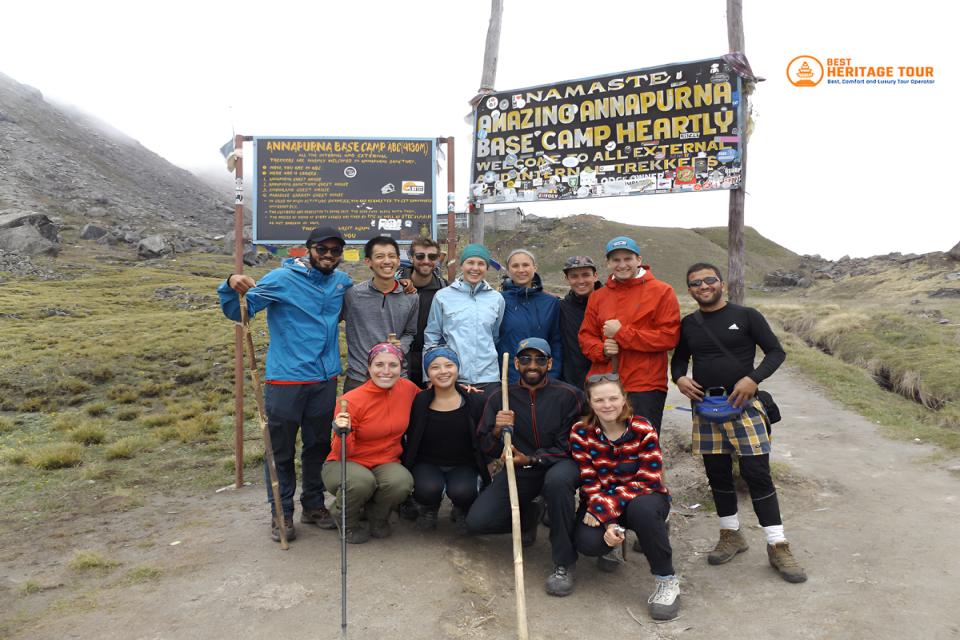
Yes. The Annapurna region, including Manang and Mustang, is listed as not affected by the recent floods. Annapurna Circuit and other Annapurna trekking routes remain potential options for autumn 2026.
Is the Annapurna Base Camp Trek safe?
Yes. The Annapurna Base Camp area remains considered safe based on the current regional assessment. Travelers should still check the latest trail and transportation conditions before starting their trek.
Is Langtang Valley safe for trekking?
Yes. Langtang Valley, Kyanjin Valley, and Gosaikunda are considered safe. However, the traditional road access through Trishuli–Betrabeti is currently affected and closed, so alternative access arrangements may be necessary.
Can I still trek in Langtang after the floods?
Yes. The Langtang trekking destination itself remains safe, but travelers need to consider the condition of the access roads. Depending on the situation, an alternative approach route may be used.
Is the Manaslu Circuit Trek safe after the floods?
Yes. The Manaslu trekking destination, including Tsum Valley and the Nubri/Larke Pass areas, is considered safe. However, the Malekhu–Dhadingbesi route should currently be avoided because of the collapsed Malekhu bridge.
How can I access the Manaslu region now?
The recommended alternative road approach is through Benighat–Arughat when traveling toward the Machha Khola/Jagat area, subject to the latest local road conditions.
Is the Kailash Mansarovar route through Nepal open?
The route through Rasuwagadhi/Kerung is currently affected and closed. Depending on conditions, alternatives may include the Kodari/Tatopani route, Simkot–Hilsa route, or flying to Lhasa and continuing overland.
Have the August 26 floods affected all trekking routes in Nepal?
No. This is an important distinction. The floods have affected specific roads, bridges, and river corridors, but they have not affected all trekking destinations. Many major Himalayan trekking regions remain safe.
Will the floods affect the autumn 2026 trekking season?
The impact will depend mainly on road accessibility, weather, and transportation conditions. Many trekking destinations are expected to operate normally, but travelers should remain flexible because some access routes may take time to recover.
Should I cancel my Nepal trekking trip because of the floods?
Not necessarily. If your chosen trekking destination is considered safe, there may be no need to cancel. Instead, check whether the planned road or flight route is accessible and consider an alternative route if necessary.
Is it safe to travel on mountain roads in Nepal after the floods?
Mountain roads can be more vulnerable to landslides, flooding, bridge damage, and delays, particularly during the monsoon transition. Travelers should confirm road conditions shortly before traveling and allow additional time in their itinerary.
Are flights to trekking regions operating normally?
Flight operations, particularly mountain flights, can be affected by weather and visibility. Travelers should allow flexibility and avoid scheduling important international connections immediately after a mountain flight or road journey.
What is the most important thing travelers should know about Nepal's trekking safety in 2026?
The main point is that the August floods have not affected the entire Nepal trekking sector. Some access corridors have been damaged or closed, while many popular trekking destinations remain safe. Travelers should assess their specific destination and access route, rather than assuming the whole of Nepal is affected.
Where can I get the latest safety information before my trek?
For the most current information, travelers should check updates from TAAN, local authorities, registered trekking agencies, and their trekking operator shortly before departure. Conditions can change quickly during the monsoon transition.
Is October 2026 a good time to trek in Nepal?
Yes. October is traditionally one of the most popular months for trekking in Nepal, with generally improving weather and excellent mountain visibility. However, following the August 2026 floods, travelers should confirm the latest access and trail conditions before departure.
What should I do if my original trekking access route is closed?
Do not assume that your entire trek needs to be canceled. First, check whether an alternative road, trail, or transportation route is available. A registered local trekking agency can help redesign the itinerary according to the latest conditions.
Author: Best Heritage Tour
Date: 29th August, 2026