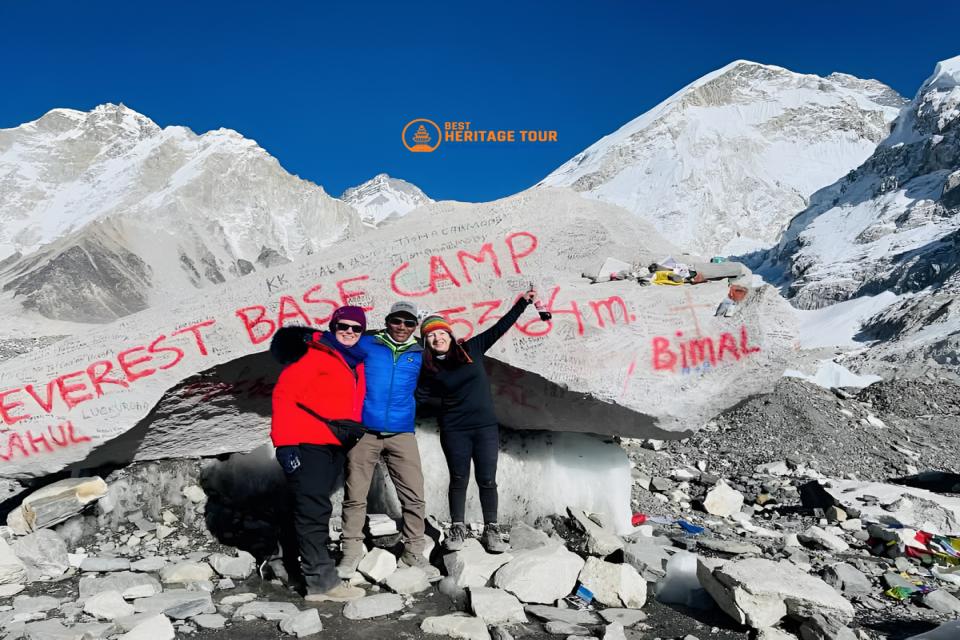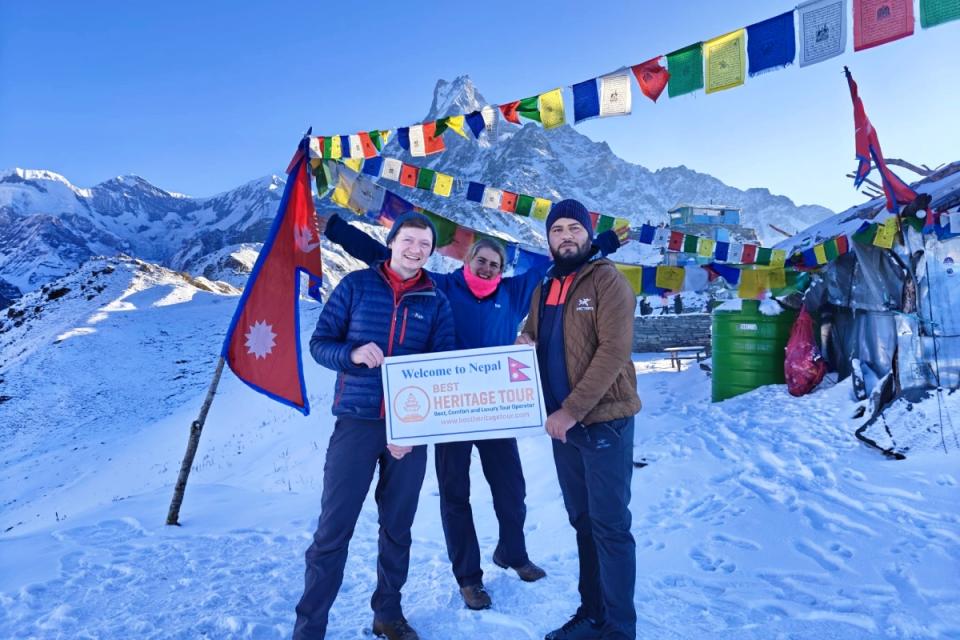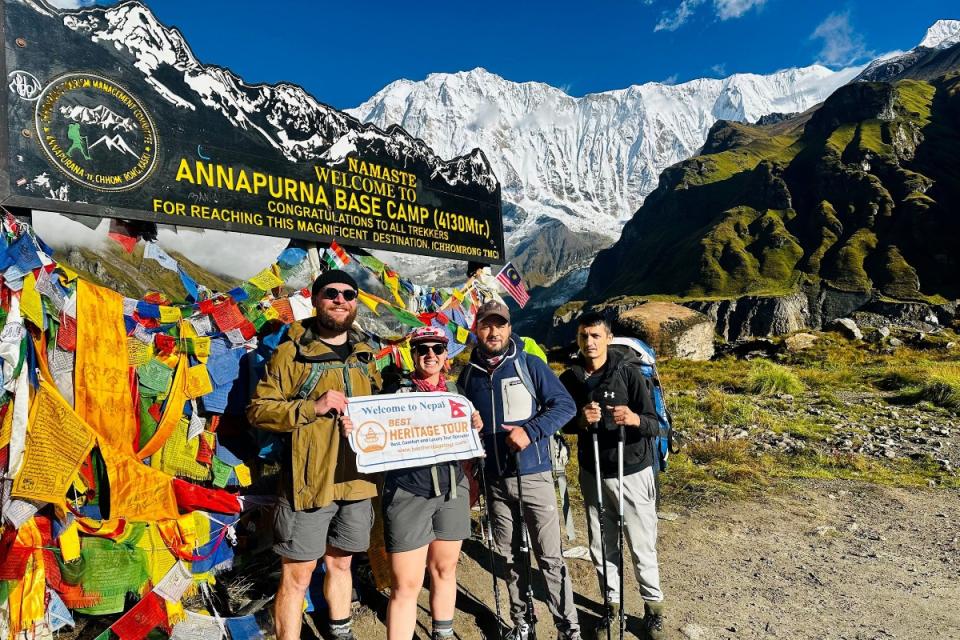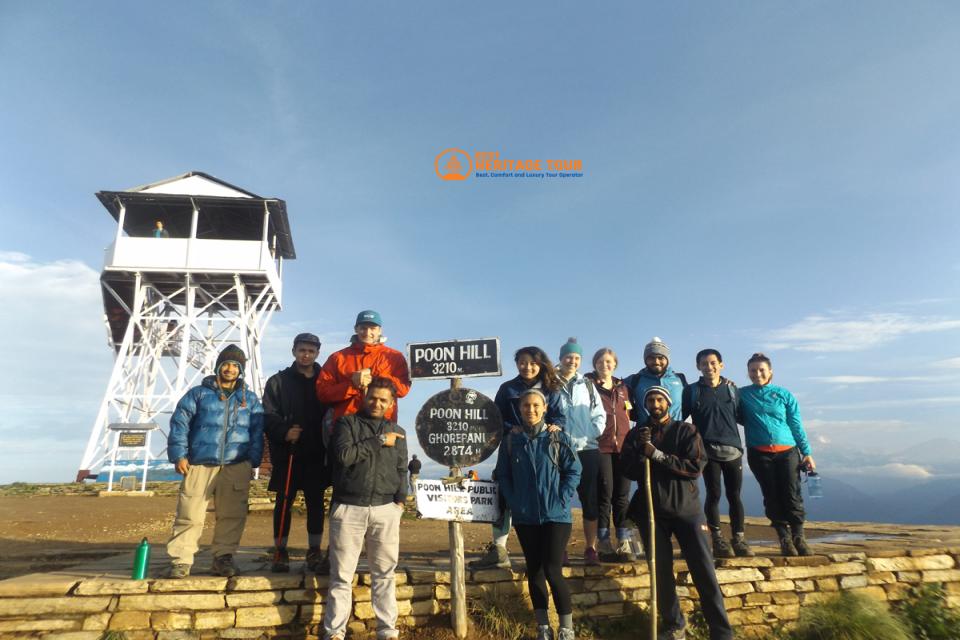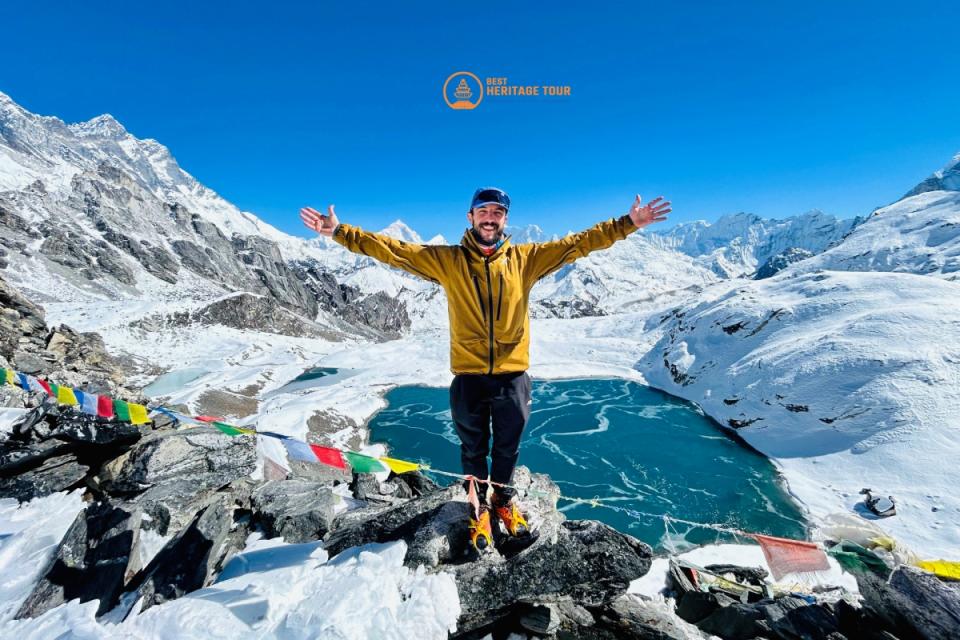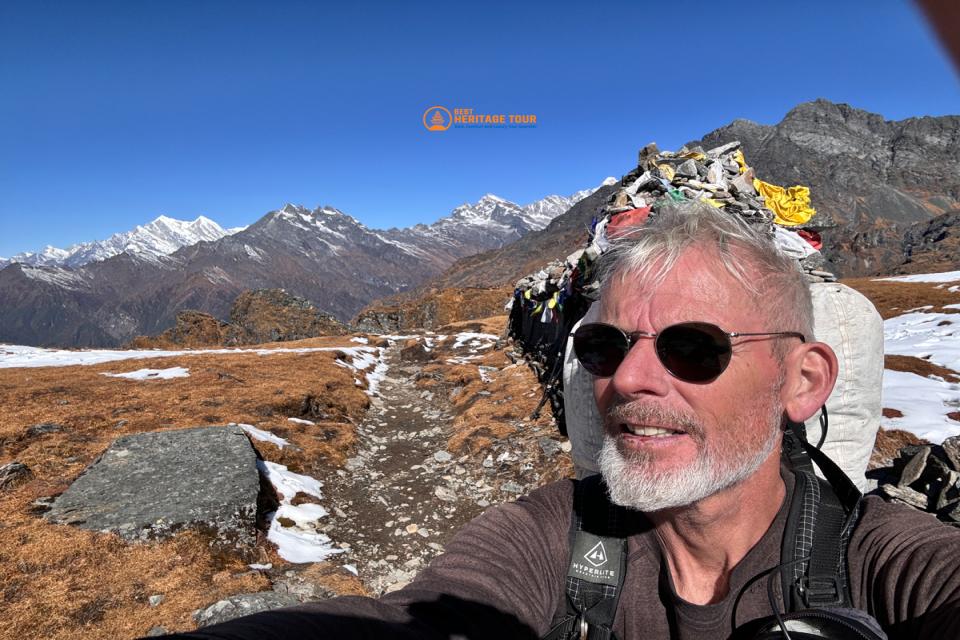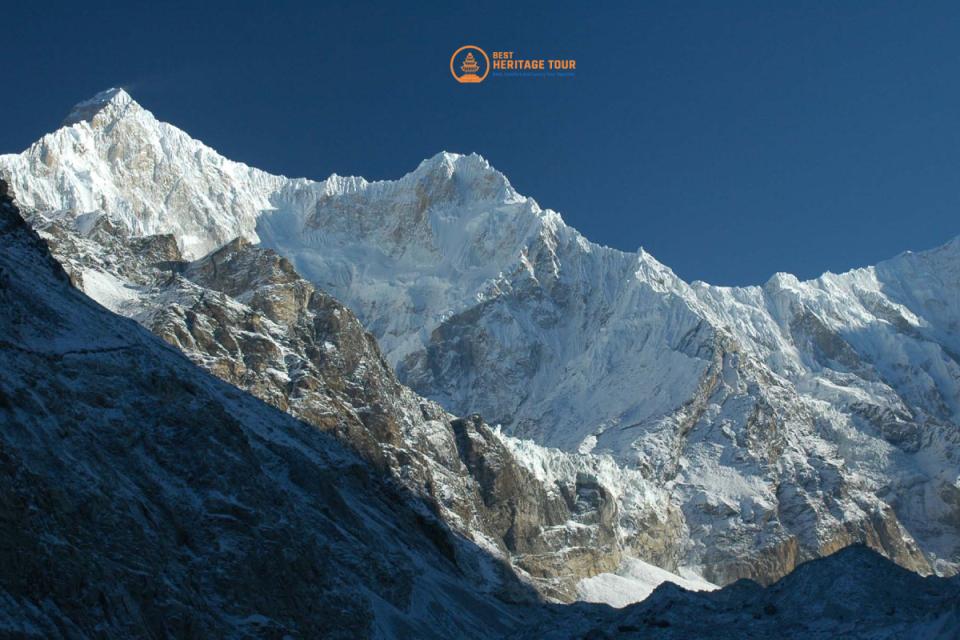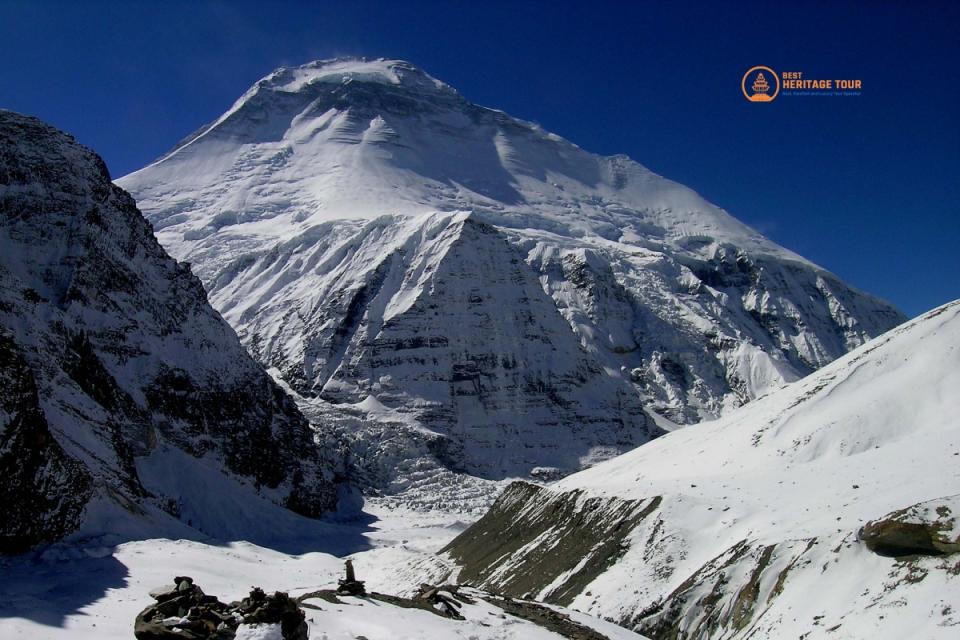
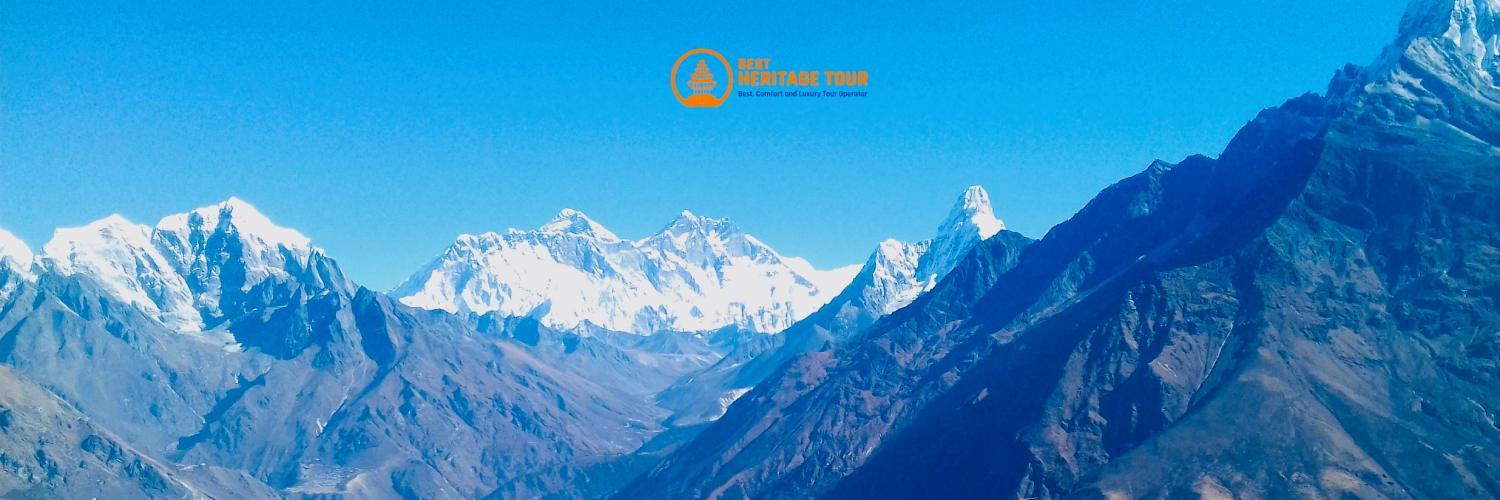
Nepal is a dream destination for trekkers across the globe. From the iconic Everest trails to the serene Annapurna landscapes, the country offers some of the most breathtaking trekking routes in the world. However, before setting foot on these incredible trails, one essential aspect every trekker must understand is trekking permits in Nepal.
At Best Heritage Tour, we’ve guided countless trekkers through Nepal’s diverse terrain, and one of the most common questions we receive is: “What permits do I need for trekking in Nepal?” This comprehensive guide will answer that question and much more.
Why Do You Need Trekking Permits in Nepal?
Trekking permits are not just bureaucratic formalities - they serve several important purposes:
-
Environmental Conservation: Fees collected help maintain trails and protect fragile ecosystems.
-
Safety and Security: Authorities can track trekkers in case of emergencies.
-
Local Development: Funds support local communities and infrastructure.
-
Regulated Tourism: Helps manage overcrowding in popular trekking regions.
Without the proper permits, you may be denied entry at checkpoints or even fined.
Types of Trekking Permits in Nepal
Understanding the different types of permits is key to planning your trek smoothly. Depending on your destination, you may need one or more of the following:
1. TIMS Card (Trekkers’ Information Management System)
The TIMS card is one of the most common permits required for trekking in Nepal.
Purpose:
-
Tracks trekkers for safety reasons
-
Helps in rescue operations if needed
Types of TIMS Cards:
-
Individual Trekkers (FITs)
-
Group Trekkers (through agencies like Best Heritage Tour)
Cost:
-
Varies depending on whether you are trekking independently or with a registered agency
Where to Get It:
-
Nepal Tourism Board offices in Kathmandu or Pokhara
-
Through a licensed trekking agency (recommended)
2. National Park and Conservation Area Permits
Most trekking routes in Nepal pass through protected areas. You will need entry permits for these regions.
Popular Permits Include:
a. Annapurna Conservation Area Permit (ACAP)
Required for trekking in the Annapurna region.
b. Sagarmatha National Park Permit
Necessary for trekking in the Everest region.
c. Langtang National Park Permit
Required for Langtang Valley and nearby treks.
Cost:
-
Generally around NPR 3,000 for foreign nationals (subject to change)
Where to Obtain:
-
Nepal Tourism Board offices
-
Entry checkpoints
-
Through Best Heritage Tour (hassle-free arrangement)
3. Restricted Area Permits (RAP)
Some remote and culturally sensitive areas in Nepal require special permits.
Popular Restricted Areas:
-
Upper Mustang
-
Upper Dolpo
-
Manaslu Region
-
Kanchenjunga Region
Key Requirements:
-
Must trek with a registered guide
-
Minimum 2 trekkers required
-
Must go through a licensed agency like Best Heritage Tour
Cost:
-
Significantly higher than other permits
-
Charged per day (e.g., Upper Mustang can cost $500 for 10 days)
4. Special Permits for Peak Climbing
If you are planning to go beyond trekking and attempt peak climbing, additional permits are required.
Issued By:
-
Nepal Mountaineering Association (NMA)
Popular Trekking Peaks:
-
Island Peak
-
Mera Peak
-
Lobuche Peak
Requirements:
-
Climbing permit
-
Licensed climbing guide
-
Proper documentation
Trekking Permits Based on Popular Routes
To make things easier, here’s a quick breakdown of required permits for major trekking regions:
Everest Region (Everest Base Camp Trek)
-
Sagarmatha National Park Permit
-
Khumbu Rural Municipality Permit (replaces TIMS in this region)
Annapurna Region (Annapurna Base Camp / Circuit)
-
ACAP Permit
-
TIMS Card
Langtang Region
-
Langtang National Park Permit
-
TIMS Card
Manaslu Circuit Trek
-
Manaslu Restricted Area Permit
-
Manaslu Conservation Area Permit (MCAP)
-
Annapurna Conservation Area Permit (ACAP)
Upper Mustang Trek
-
Restricted Area Permit
-
ACAP Permit
How to Get Trekking Permits in Nepal
There are two main ways to obtain trekking permits:
1. Through a Trekking Agency (Recommended)
At Best Heritage Tour, we handle all permit arrangements for our clients, ensuring:
-
No paperwork stress
-
Accurate documentation
-
Time-saving process
-
Expert guidance
This is especially important for restricted areas and peak climbing permits.
2. Independent Application
You can apply for permits yourself by visiting:
-
Nepal Tourism Board (Kathmandu or Pokhara)
-
Department of Immigration (for restricted areas)
Documents Required:
-
Passport copy
-
Passport-sized photos
-
Travel insurance (for some regions)
Important Rules and Regulations
Before heading out, keep these key rules in mind:
-
Always carry your permits during the trek
-
Show permits at checkpoints
-
Do not enter restricted areas without proper authorization
-
Respect local culture and environment
-
Follow “Leave No Trace” principles
Recent Updates and Changes in Trekking Permits
Nepal’s trekking regulations occasionally change, so staying updated is crucial.
Key Updates:
-
Some regions (like Everest) no longer require TIMS
-
Increased focus on mandatory guides in certain regions
-
Digital tracking systems are being introduced
At Best Heritage Tour, we always stay updated with the latest regulations so you don’t have to worry.
Common Mistakes Trekkers Make
Avoid these common pitfalls:
-
Not checking permit requirements for specific regions
-
Assuming one permit covers all areas
-
Trying to trek restricted areas independently
-
Forgetting to carry permits during the trek
-
Waiting until the last minute to arrange permits
Why Choose Best Heritage Tour for Your Trekking Permits?
At Best Heritage Tour, we don’t just organize treks - we ensure your journey is smooth, safe, and unforgettable.
What We Offer:
-
Complete permit handling
-
Expert local guides
-
Customized trekking itineraries
-
24/7 support during your trek
-
Deep knowledge of Nepal’s trekking regions
We take care of the logistics so you can focus on enjoying the Himalayas.
Conclusion: Trek Smart, Trek Legal, Trek Safe
Understanding trekking permits in Nepal is a crucial part of planning your Himalayan adventure. Whether you're heading to Everest Base Camp, exploring the Annapurna Circuit, or venturing into remote regions like Upper Mustang, having the correct permits ensures a smooth and hassle-free experience.
Permits not only keep you compliant with regulations but also contribute to preserving Nepal’s natural beauty and supporting local communities.
Ready to Trek in Nepal?
Let Best Heritage Tour handle all your trekking permits and logistics while you focus on the adventure of a lifetime.
Phone / WhatsApp / Viber: +977-9851149197 / +977-9810043046
Email: info@bestheritagetour.com / bestheritagetour@gmail.com
Website: www.bestheritagetour.com
Office: Thamel Marg, Kathmandu, Nepal
Author: Best Heritage Tour
Date: 8th April, 2026