Nepal remains one of the world's most remarkable destinations for trekking, mountain adventures, cultural experiences and wildlife tourism. However, Nepal is currently experiencing a serious natural disaster in parts of the Himalayan border region especially in Langtang region following a devastating flash flood on August 26, 2026.
At Best Heritage Tour, the safety and well being of our guests, guides, porters and local communities always come first. We are closely monitoring official information from the Nepal Tourism Board, local authorities, trekking agencies and relevant government agencies and are reviewing travel conditions before operating trips through any potentially affected area.
This article provides an honest and practical update for travelers who are planning to visit Nepal in the coming weeks and months.
What Happened in Nepal?
On August 26, a catastrophic flash flood affected the Bhote Koshi River corridor in Rasuwa, close to Nepal's northern border with Tibet. The disaster caused extensive damage to settlements, roads, bridges and other infrastructure, while rescue and recovery operations continue.
The Nepal Tourism Board has advised domestic and international travelers to avoid flood affected areas and postpone travel through affected sections of the Bhote Koshi and Trishuli river corridors until conditions are safer.
The situation is still developing, and figures concerning casualties and missing travelers continue to change as rescue teams verify information.
We extend our deepest condolences to everyone affected by this tragedy, including local families, Nepali workers, guides and travelers.
Does This Mean All of Nepal Is Unsafe?
No. This is an important distinction for travelers. Nepal is a geographically diverse country, and conditions can vary significantly from one region to another. The recent disaster has had its most severe impact in specific areas of northern and central Nepal, particularly around the Bhote Koshi/Rasuwa corridor.
Popular destinations such as Kathmandu, Pokhara, the Annapurna region and the Everest region are geographically different from the disaster-affected corridor. However, this does not mean that every route is automatically safe at every moment. Weather, landslides, road conditions, river levels and local infrastructure can change quickly during the monsoon season.
For this reason, responsible travel companies should assess each itinerary and each transportation route individually rather than simply declaring the whole country open or closed.
Is Trekking Still Possible in Nepal?
Yes, trekking remains an important part of Nepal's tourism industry, but travelers should understand the seasonal and regional conditions. The Nepal Tourism Board continues to promote trekking across the country, with Everest, Annapurna and Langtang among Nepal's major trekking regions.
At the same time, current conditions require additional caution. Before starting a trek, travelers should receive an updated assessment of:
-
Trail conditions
-
Road and bridge conditions
-
Weather forecasts
-
River and landslide risks
-
Domestic flight status
-
Local government notices
-
Trekking permit requirements
-
Availability of accommodation
-
Emergency evacuation arrangements
At Best Heritage Tour, we review these factors before confirming or operating a trek.
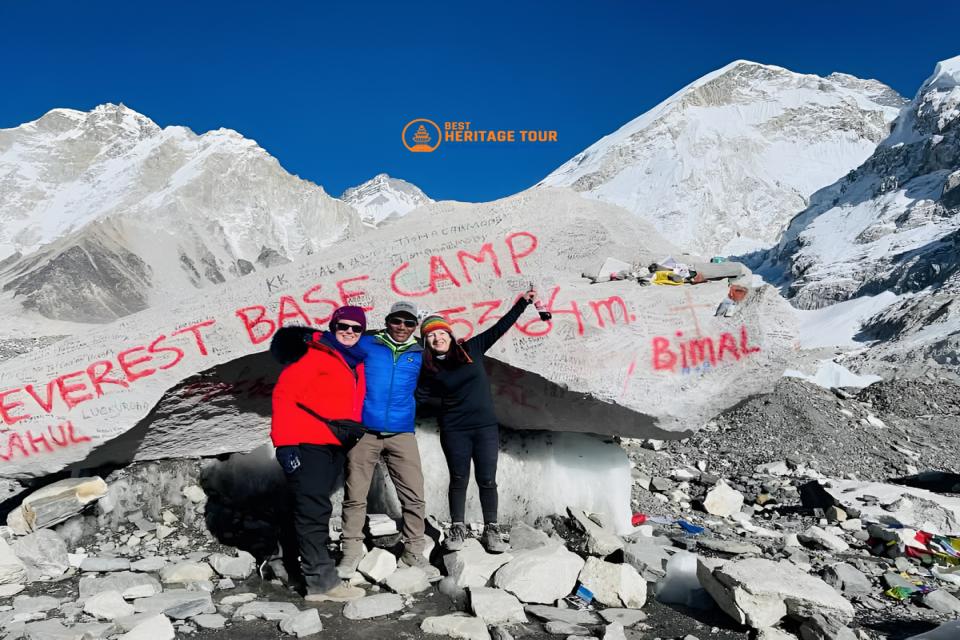
What About Everest Base Camp Trek?
The Everest region is not the same geographical area as the flood-affected Bhote Koshi/Rasuwa corridor. The Everest Base Camp route remains one of Nepal's principal trekking destinations. However, travelers should not interpret this as a guarantee that every transportation connection or trail condition will remain unchanged.
Flights, weather and mountain conditions can change quickly, particularly during periods of unstable weather. For Everest treks, we therefore recommend:
-
Allowing sufficient buffer days
-
Following the advice of your guide
-
Checking flight conditions before departure
-
Carrying appropriate trekking equipment
-
Having travel insurance
-
Ensuring emergency evacuation coverage where appropriate
-
Maintaining flexibility in the itinerary
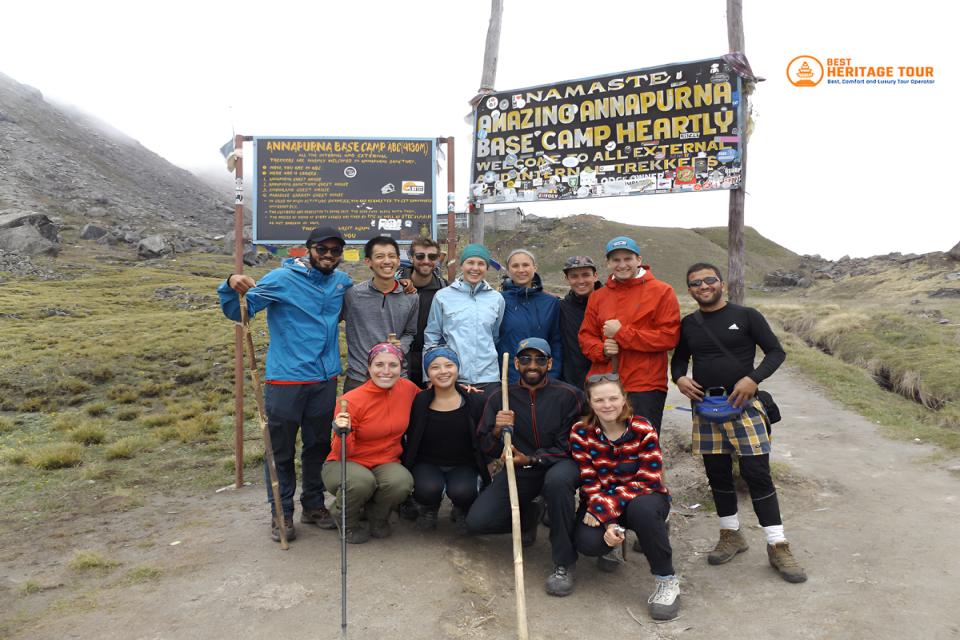
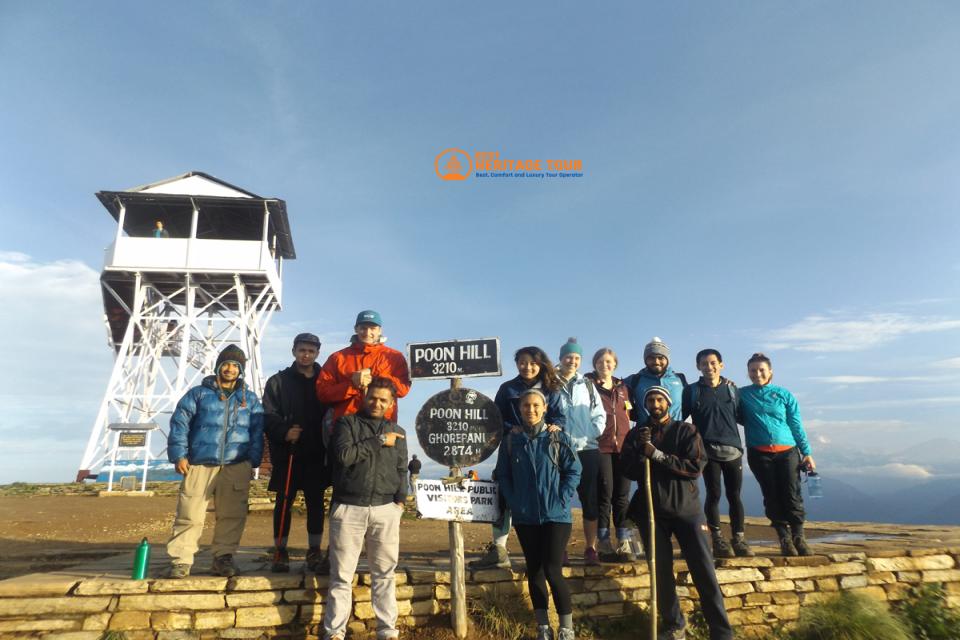
What About Annapurna Base Camp and Other Annapurna Treks?
The Annapurna region is geographically separate from the current Bhote Koshi/Rasuwa disaster zone. Popular routes include:
-
Annapurna Base Camp Trek
-
Ghorepani Poon Hill Trek
-
Mardi Himal Trek
-
Annapurna Circuit Trek
-
Tilicho Lake Trek
-
Upper Mustang Trek
Conditions can nevertheless vary by route and altitude. During the monsoon period, road access, rainfall and landslides can affect transportation and lower-elevation trails.
For travelers arriving for the autumn trekking season, we recommend checking the latest conditions shortly before departure rather than relying only on information published several weeks earlier.
What About Langtang Valley Trek?
The Langtang region requires particular attention at this time because access to Langtang is connected with the wider Rasuwa area affected by the recent disaster. We strongly recommend that travelers do not make independent assumptions about Langtang access based on older travel information.
Before operating a Langtang Valley or Gosaikunda itinerary, we will verify the latest road, bridge, trail and local authority conditions and make adjustments when necessary.
Guest safety comes before maintaining the original itinerary.
Should Travelers Cancel Their Nepal Trip?
Not necessarily. The decision should depend on:
-
Where you are traveling
-
When you are traveling
-
Which roads and trails you will use
-
Current weather conditions
-
Local authority guidance
-
Transportation availability
-
The specific trekking route
For trips scheduled several weeks or months from now, conditions may be very different from those immediately following the disaster.
For travelers arriving soon, we recommend maintaining flexibility and communicating with your tour or trekking operator before departure.
Why Travel With a Local Trekking Company?
Natural disasters and changing mountain conditions demonstrate why having an experienced local team is important.
A professional Nepal-based trekking company can monitor local conditions, communicate with guides and drivers, adjust transportation arrangements and modify itineraries when necessary.
At Best Heritage Tour, our approach is simple:
Safety first. Experience second. The itinerary comes third.
-
If a road is unsafe, we look for an alternative.
-
If a trail is temporarily unsuitable, we recommend another route.
-
If weather affects transportation, we adjust the schedule.
-
If an itinerary needs to change for safety reasons, we discuss the options with our guests.
Responsible Travel During This Difficult Time
Nepal's tourism industry supports thousands of guides, porters, drivers, hotel workers, restaurant employees, artisans and local families. Travelers who visit Nepal responsibly can make a meaningful contribution to local communities.
Responsible travelers can:
-
Follow official safety instructions
-
Avoid disaster-affected areas
-
Respect local communities
-
Support locally owned hotels and businesses
-
Hire licensed local guides
-
Avoid sharing unverified information on social media
-
Be patient when weather causes delays
-
Respect temporary road or trail closures
-
Follow environmental guidelines
-
Support communities recovering from disasters
Tourism should never come at the expense of safety.
Travel Insurance Is More Important Than Ever
We strongly recommend comprehensive travel insurance for anyone traveling to Nepal for trekking or adventure activities. Your policy should be checked carefully for:
-
Trekking at your planned altitude
-
Emergency medical treatment
-
Helicopter evacuation, where applicable
-
Trip cancellation & interruption
-
Flight delays or cancellations
-
Natural-disaster-related disruption
-
Lost or delayed baggage
Travelers should read the actual terms and exclusions of their insurance policy before traveling.
What Should Travelers Do Before Coming to Nepal?
If you are planning to visit Nepal soon, we recommend the following:
1. Check official updates
Monitor information from the Nepal Tourism Board, local authorities and your country's foreign travel advisory.
2. Stay in contact with your trekking company
Your local operator can provide route-specific information and advise whether changes are necessary.
3. Keep your itinerary flexible
During periods of difficult weather or infrastructure disruption, a flexible itinerary is extremely valuable.
4. Allow buffer days
Extra days are particularly useful for trekking trips involving domestic flights or mountain transportation.
5. Do not travel into restricted areas
If authorities advise travelers to avoid a particular corridor, please follow that advice.
6. Carry essential documents
Keep copies of your passport, insurance policy, emergency contacts and travel documents.
7. Follow your guide's instructions
Mountain conditions can change faster than information available online.
Our Commitment to Our Guests
At Best Heritage Tour, we understand that travelers may have concerns about visiting Nepal following recent events.
We want to be completely transparent. We will not operate a trip simply because it has already been booked if local conditions make the original itinerary unsafe. Instead, our team will:
-
Monitor official updates
-
Check local transportation conditions
-
Communicate with our guides and partners
-
Assess trekking routes
-
Recommend itinerary adjustments when necessary
-
Provide alternative routes where practical
-
Prioritize emergency preparedness
-
Keep our guests informed
Our goal is not simply to take travelers to the mountains.
Our goal is to help them experience Nepal safely, responsibly and meaningfully.
Nepal Is More Than One Region
Nepal stretches from the lowland Terai to the high Himalayas, with Kathmandu Valley, Pokhara, Chitwan, Annapurna, Everest, Mustang, Manaslu, Langtang and many other destinations spread across very different geographical areas.
A disaster in one corridor does not automatically represent conditions throughout the entire country. Nevertheless, Nepal is a mountainous country, and travelers must always respect the power of nature.
The best approach is neither unnecessary alarm nor careless optimism. The best approach is informed, responsible and route-specific travel.
Our Advice for Autumn 2026 Travelers
The autumn season is traditionally one of Nepal's most popular periods for trekking because of generally favorable mountain conditions. If you are planning to travel to Nepal in September, October or November 2026, we recommend:
-
Book with flexibility.
-
Stay informed.
-
Allow buffer days.
-
Use an experienced local operator.
-
Follow official safety advice.
And most importantly:
-
Do not hesitate to change your plans if conditions require it.
Final Message From Best Heritage Tour
We are with the families, communities, guides, workers and travelers affected by the recent disaster.
Nepal's mountains are beautiful, but they must always be approached with respect. We remain committed to welcoming travelers to Nepal while putting safety, responsible tourism and local communities first.
If you already have a trip booked with Best Heritage Tour, please contact our team for the latest route-specific information. We will assess your itinerary and advise you honestly about current conditions, transportation and any necessary changes.
For new travelers, we are happy to help you design a flexible Nepal itinerary based on the latest conditions. Nepal welcomes you - and we believe the best way to experience Nepal is with preparation, respect and responsible travel.
Stay informed. Travel responsibly. Trek safely. Discover Nepal.
Phone / WhatsApp / Viber: +977-9851149197 / +977-9810043046
Email: info@bestheritagetour.com / bestheritagetour@gmail.com
Website: www.bestheritagetour.com
Office: Thamel Marg, Kathmandu, Nepal
Frequently Asked Questions
Is Nepal open for tourists in 2026?
Yes, Nepal continues to welcome international visitors. However, some specific areas and travel corridors may be temporarily affected by natural disasters, weather or infrastructure damage.
Is trekking open in Nepal?
Trekking continues in Nepal, but conditions must be assessed by region and route. Travelers should check current trail, road and weather conditions before departure.
Is Everest Base Camp safe right now?
The Everest region is geographically separate from the current Bhote Koshi/Rasuwa disaster area. However, mountain weather and transportation conditions can change, so travelers should obtain a current route-specific assessment before departure.
Can I travel to Annapurna?
Annapurna is separate from the main disaster-affected Bhote Koshi/Rasuwa corridor. However, monsoon weather can affect roads and trails, so current local conditions should be checked before traveling.
Should I cancel my Nepal trip?
Not automatically. The appropriate decision depends on your destination, travel dates, route and current conditions. Speak with your local operator and monitor official travel advisories before making a decision.
Is travel insurance recommended for trekking in Nepal?
Yes. Comprehensive travel insurance is strongly recommended, particularly for trekking and adventure travel. Check that your policy covers your planned altitude and activities and whether helicopter evacuation is included.
How can I get the latest information about my trek?
Contact your trekking company before departure and ask for a route-specific update. Conditions can vary significantly between different regions of Nepal.
Author: Best Heritage Tour
Date: 27th August, 2026