For creators who chase the perfect frame, few places on Earth match the raw visual power of Nepal. It is a land where Alpenglow turns the highest peaks on Earth into shards of molten gold, and misty, primeval jungles hide some of the world's most elusive predators. Whether you are a professional filmmaker planning your next documentary reel, a passionate landscape photographer mastering long exposures, or a wildlife tracker hoping to capture rare species in their natural habitats, this Himalayan nation demands a spot at the top of your bucket list.
At Best Heritage Tour, we have spent decades scouting the backroads, high ridges, and deep wilderness corridors of our home country. We know exactly when the mountain light breaks over the snowfields, which high-altitude passes yield the most dramatic framing, and where the secret pathways of rare wildlife intersect.
This comprehensive guide serves as your definitive roadmap for the Nepal Photography Expedition 2027. We will break down everything you need to know about capturing the ultimate shots of iconic terrain, mastering the challenges of high-altitude light, and embarking on dedicated wildlife tracking journeys.
Chasing the Perfect Alpenglow: Landscape Photography in Nepal
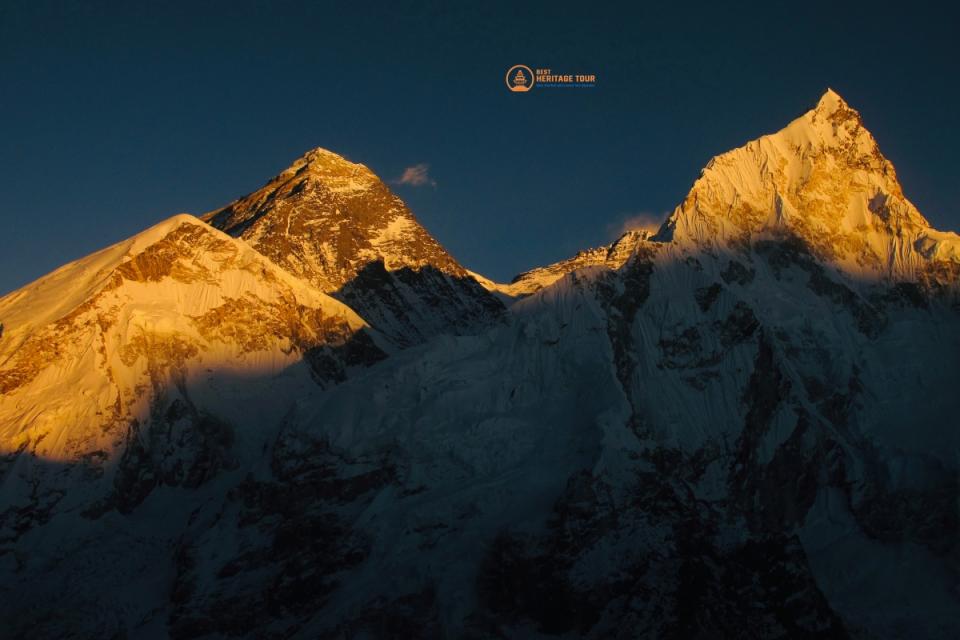
When it comes to landscape photography in Nepal, your entire creative world revolves around the concept of "mountain light." Because the Himalayas rise so abruptly from near sea level to over 8,000 meters, they interact with atmospheric light in ways found nowhere else on earth.
The Magic of High-Altitude Golden Hour
In the high mountains, the golden hour operates differently. Due to the thinness of the atmosphere, light does not just scatter - it pierces. Twenty to thirty minutes before the sun actually crests the horizon, the highest peaks experience a phenomenon known as Alpenglow. The mountaintops glow with an intense, fiery red and deep orange while the lower valleys remain cloaked in an inky, cobalt blue.
To capture this successfully during our Himalayan Photography Tour in Nepal, you must understand the geography of your vantage points. Locations like Poon Hill in the Annapurna region, Sarangkot in Pokhara, and the ridges of Gokyo in the Everest region offer front-row seats to these transitions.
Into the Shadows: Wildlife Photography in Nepal
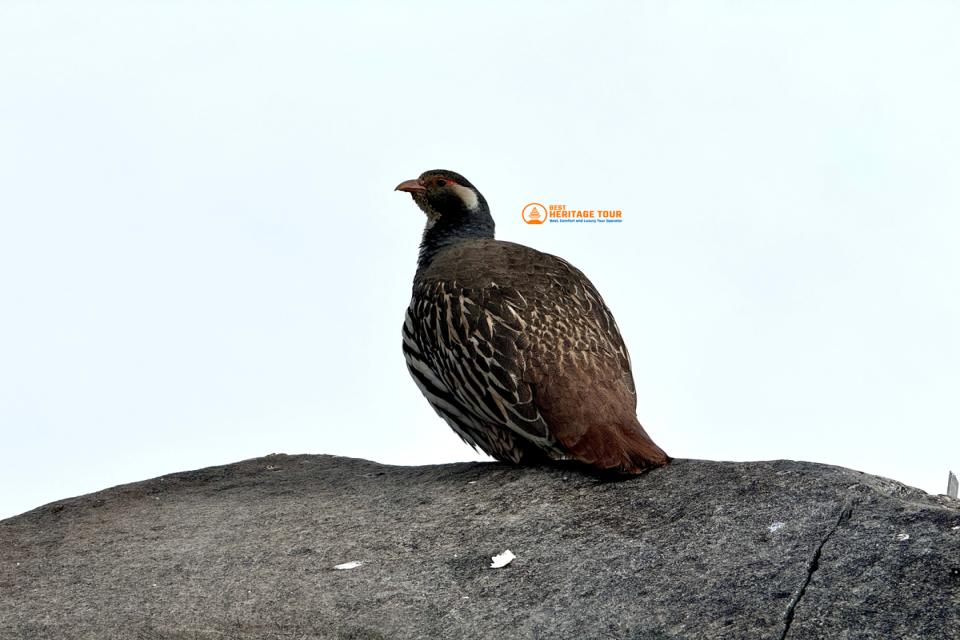
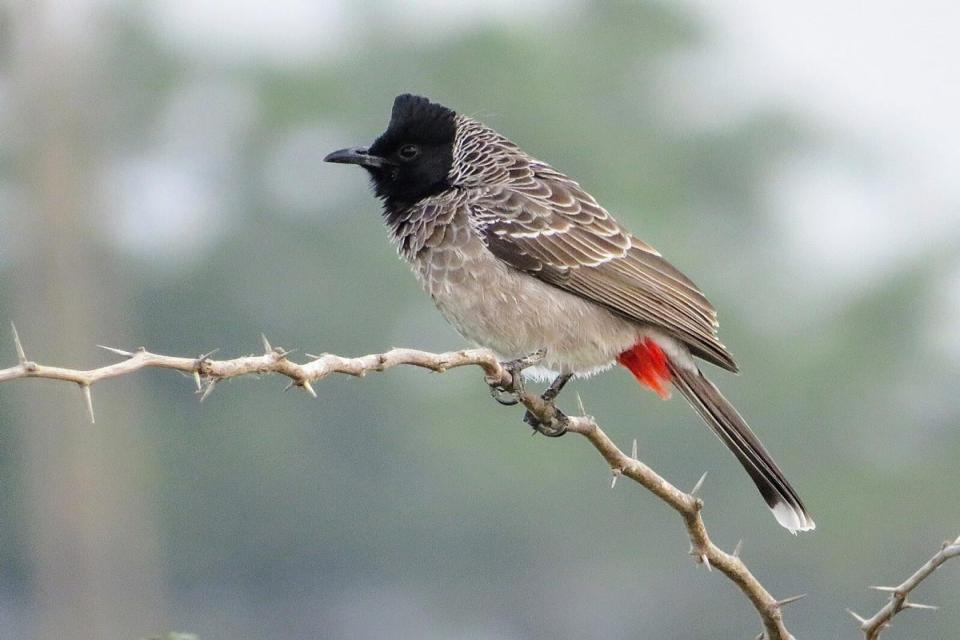
Away from the frozen ridges lies an entirely different wilderness ecosystem. Nepal’s lowlands and dense sub-alpine forests offer some of the most thrilling and technically challenging biodiversity tracking on the planet. For specialized creators, our curated itineraries go far beyond the standard safari paths to bring you face-to-face with legendary, ghost-like species.
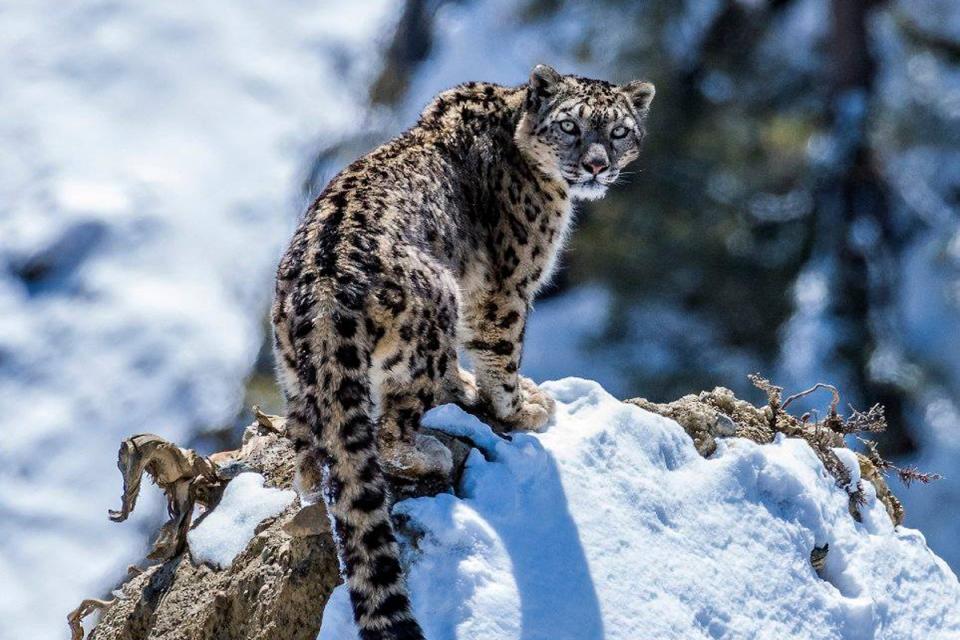
The Holy Grail: Snow Leopard Photography in Nepal
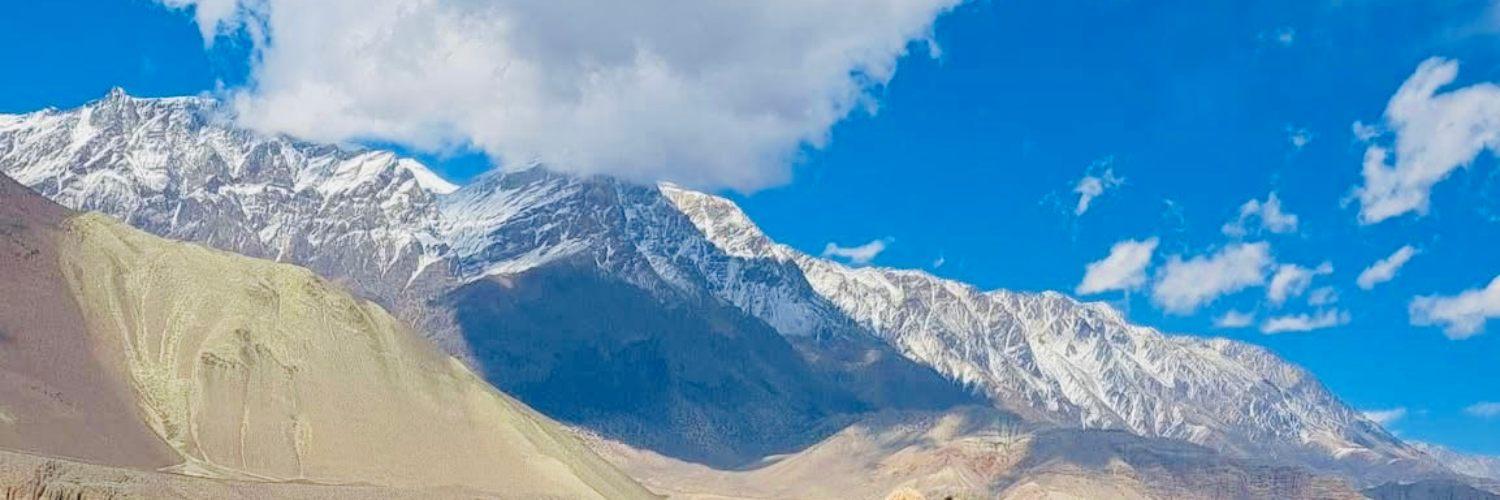
There is perhaps no greater badge of honor for a wilderness shooter than capturing an apex predator in the high-altitude deserts of the rain shadow regions. Tracking for Snow Leopard Photography in Nepal takes us deep into the rugged, starkly beautiful terrain of Upper Dolpo, Mustang, or the stark valleys of Spiti-bordering zones like Manang.
This is not a casual safari; it is a test of patience, endurance, and elite optical preparation. You will be shooting across vast, rocky canyons where the cat's natural camouflage makes it nearly invisible to the naked eye.
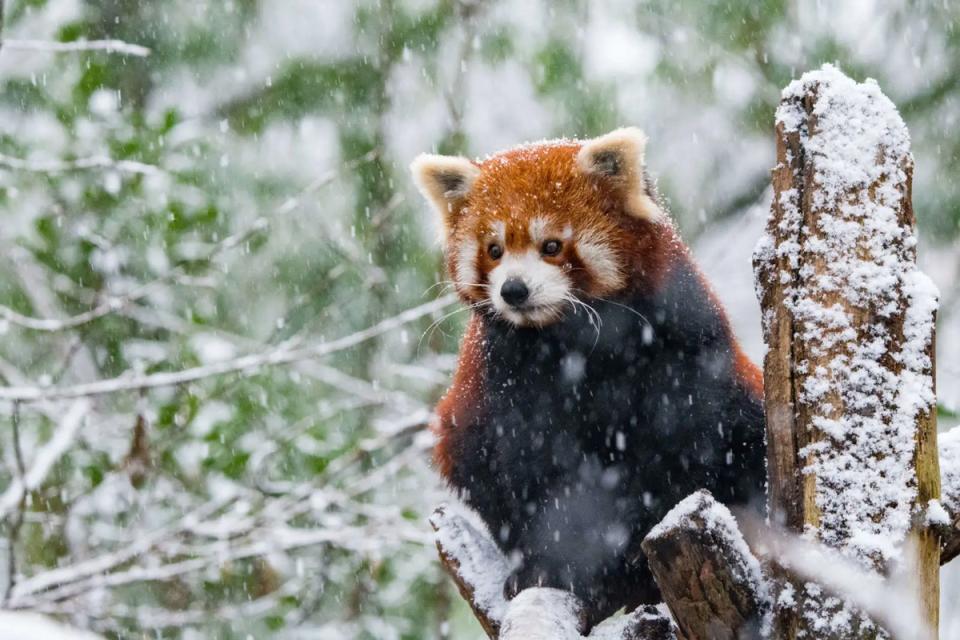
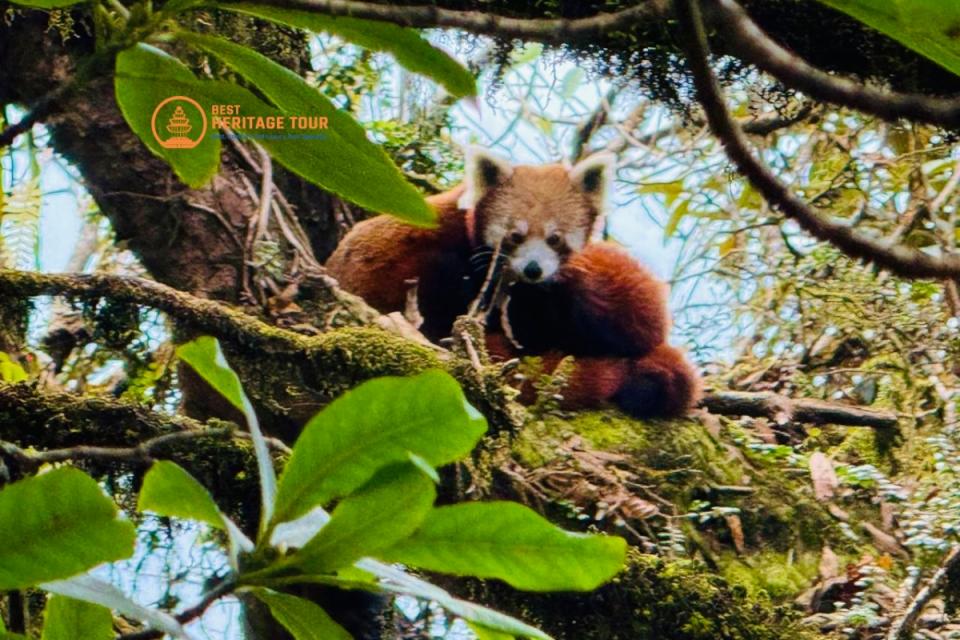
Navigating the Cloud Forests: Red Panda Photography in Nepal
For those captivated by smaller, rarer mammals, the temperate cloud forests of Eastern Nepal (particularly the Langtang National Park and the pristine corridors of the Ilam and Panchthar districts) provide a fairytale backdrop. Engaging in Red Panda Photography in Ilam, Nepal requires an entirely different creative mindset compared to shooting on the open plains.
Here, you are working under dense, moss-draped canopies where the sunlight fragments into complex patterns. The challenge is twofold: spot a small, reddish-brown mammal hidden high up in bamboo thickets or oak trees, and manage low-light, high-ISO environments without sacrificing the micro-textures of their vibrant fur.
General Wildlife’s Photography in Nepal: The Lowland Terai
If your goal includes capturing megafauna, the subtropical jungles of Chitwan National Park and Bardiya National Park provide unrivaled access. These grasslands are home to the Greater One-horned Rhinoceros, the wild Asian Elephant, and the majestic Royal Bengal Tiger.
To succeed with Wildlife's Photography in Nepal, you must prepare for sudden, dramatic action shots. A bathing rhino might instantly turn into an aggressive territorial display, or a tiger might emerge silently from elephant grass that stands over eight feet tall.
Recommended Technical Configurations & Setting Blueprints
To ensure your memory cards return home packed with crisp, tack-sharp files rather than blurred missed opportunities, our seasoned field guides have compiled this baseline setting reference table for various classic Nepalese environments:
|
Photographic Scenario |
Recommended Lens Focal Length |
Ideal Shutter Speed |
Aperture Range |
|---|---|---|---|
|
Pre-Dawn Himalayan Alpenglow |
16mm - 35mm wide-angle |
1/2 sec - 5 sec (Tripod Required) |
f/8 - f/11 for maximum depth |
|
High-Altitude Snow Leopard Tracking |
500mm - 800mm super-telephoto |
1/1000 sec - 1/2000 sec |
f/4 - f/5.6 wide open |
|
Dense Canopy Red Panda Stalking |
70-200mm or 100-400mm telephoto |
1/250 sec - 1/500 sec |
f/2.8 - f/4 for background separation |
|
Chitwan Jungle Tiger Safari |
200mm - 400mm versatile zoom |
1/1250 sec or faster |
f/5.6 |
Essential Expedition Logistics for Media Creators
Operating delicate electronic equipment, heavy glass lenses, and power-hungry camera systems in remote, underdeveloped, and high-altitude locations presents a unique set of challenges. When you travel with us on a professional-tier expedition, we manage the heavy lifting, but keeping your gear safe requires proper preparation.
Power Management in the Wilderness
As you ascend higher into the mountains, cold temperatures cause lithium-ion camera batteries to drain at an alarming rate. A battery that normally lasts for 600 shots at sea level might die after just 150 frames at 4,000 meters.
-
The Pocket Rule: Always keep your spare batteries stored in an inside pocket close to your body heat. Only insert the battery into the camera body immediately before you begin shooting.
-
Solar & Power Bank Backup: While lower-altitude tea houses offer electricity for a fee, high-altitude camps rely entirely on solar power or generators. We recommend carrying at least a 20,000mAh power bank rated for cold weather, along with a rugged, portable solar panel that can attach directly to the top of your expedition backpack during daytime treks.
Protecting Electronics from the Elements
Nepal's environments vary dramatically from freezing, wind-whipped mountain passes to dusty, humid jungle tracks.
-
Condensation Management: Moving your camera gear rapidly from a freezing, sub-zero outdoor environment directly into a heated tea house or dining tent creates instant condensation inside your lens elements and on your camera sensor. Never take your lens off immediately. Seal your camera inside an airtight plastic bag before coming indoors, allowing the gear to warm up slowly inside the bag for an hour so that condensation forms on the plastic rather than on your delicate electronics.
-
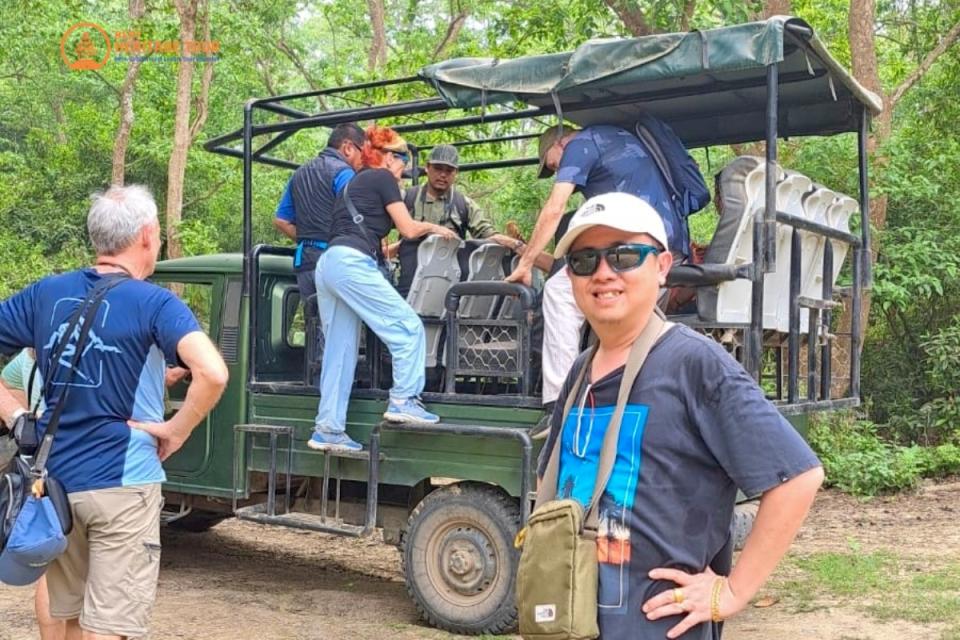
Dust Filters: In dry mountain regions like Mustang or during jeep safaris in Chitwan, fine silica dust can wreak havoc on zoom mechanisms and sensor glass. Carry a high-quality blower, specialized sensor swabs, and use a clear UV filter to protect the front element of your expensive lenses from abrasive flying debris.
Crafting the Narrative: Videography & Creative Storytelling
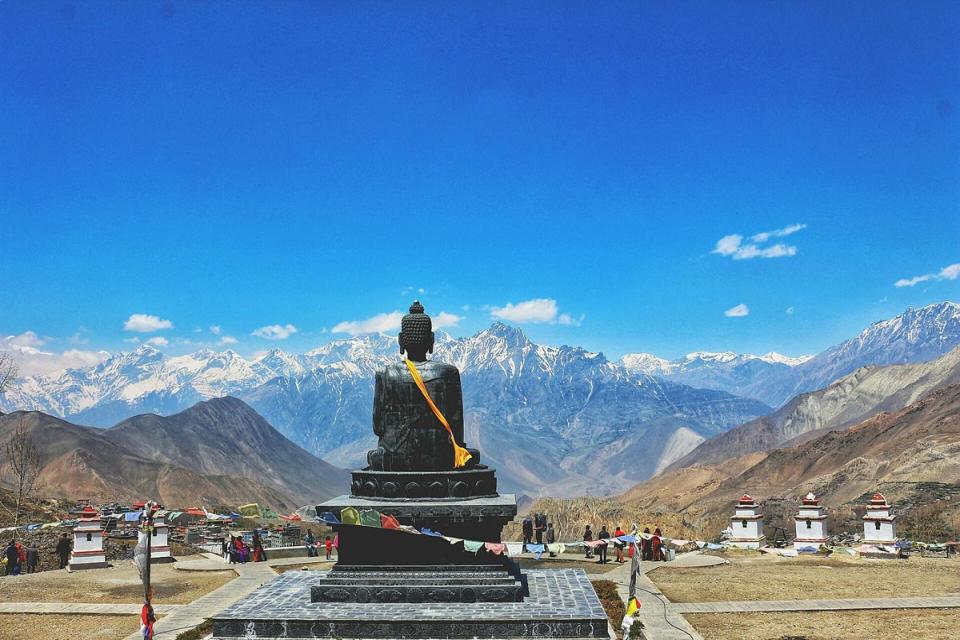
For filmmakers, content creators, and drone cinematographers, the Nepal Photography Expedition 2027 offers visual narratives that go far beyond static landscape frames. The human element, the rich spiritual tapestry, and the sheer scale of the environment provide incredible storytelling opportunities.
Incorporating the Human Element
A pure landscape shot of a mountain peak shows scale, but adding a human anchor shows context. Framing a lone porter walking along a knife-edge ridge, or capturing the weathered face of a local Sherpa elder against a backdrop of prayer flags, transforms a simple postcard shot into a compelling editorial story.
When filming video, capture atmospheric cutaways: the spinning of a brass prayer wheel, smoke rising from a monastery incense burner, or yak caravans crossing a suspension bridge. These micro-moments add essential texture, pacing, and depth to any travel documentary film or cinematic reel.
Crucial Drone Regulation Note: Flying Unmanned Aerial Vehicles (UAVs) or drones in Nepal requires strict, multi-departmental government permits from the Civil Aviation Authority of Nepal (CAAN), the Ministry of Home Affairs, and the Department of Tourism. Unauthorized drone flights can result in heavy fines and equipment confiscation. When you book a specialized expedition with Best Heritage Tour, our corporate team handles the complex permits and paperwork in advance so you can safely and legally capture breathtaking aerial perspectives.
Conclusion
A successful photography trip to the Himalayas is not something that can be thrown together at the last minute. It requires deep scouting, relationships with local wildlife trackers, precise logistics, and a profound respect for local cultures and fragile ecosystems.
As a professional, Best Heritage Tour combines elite photography guiding with seamless, high-end logistical support. From private helicopter flights that drop you onto pristine ridges for sunrise shoots, to deep wilderness tracking basecamps staffed by expert naturalists, we construct the ultimate creative platform so you can focus entirely on your viewfinder.
Contact Best Heritage Tour Today:
Phone / WhatsApp / Viber: +977-9851149197 / +977-9810043046
Email: info@bestheritagetour.com / bestheritagetour@gmail.com
Website: www.bestheritagetour.com
Office: Thamel Marg, Kathmandu, Nepal
Author: Best Heritage Tour
Date: 18th June, 2026