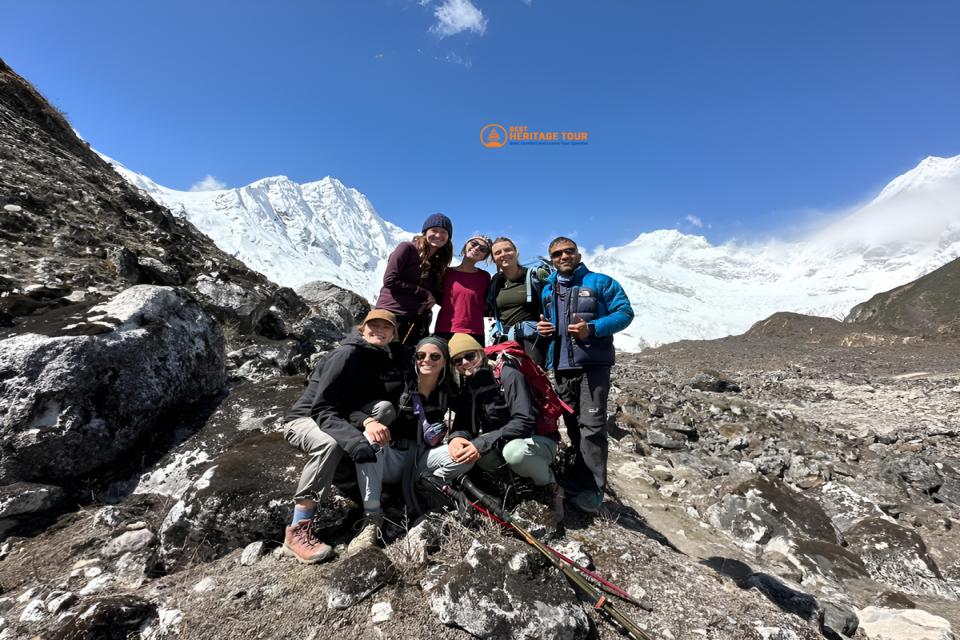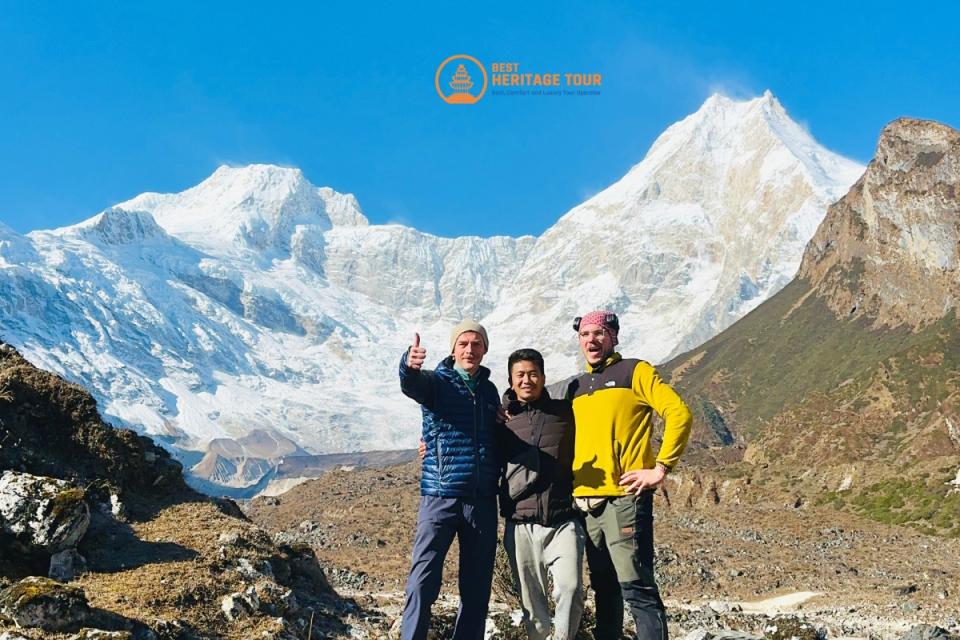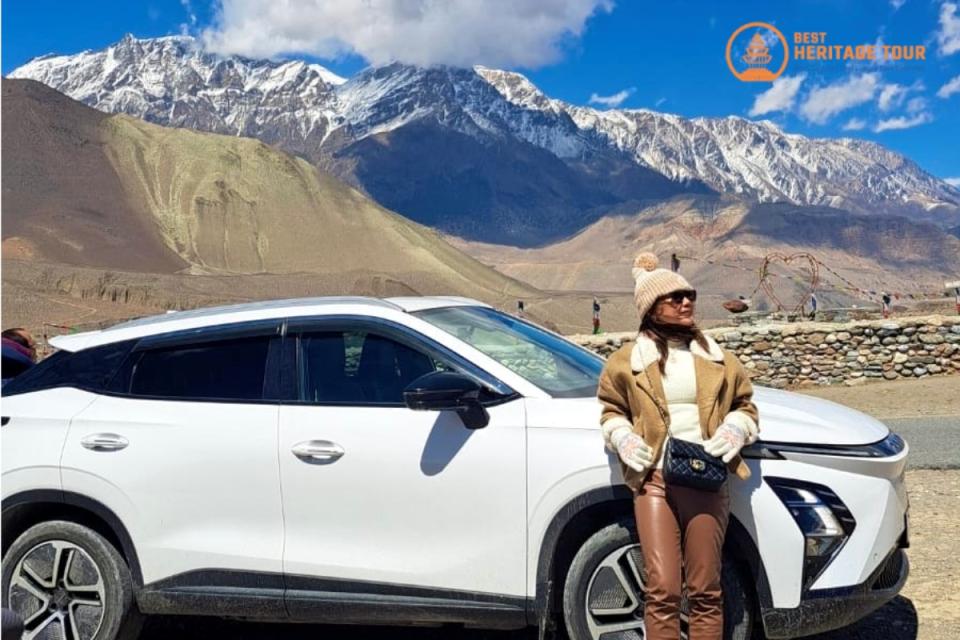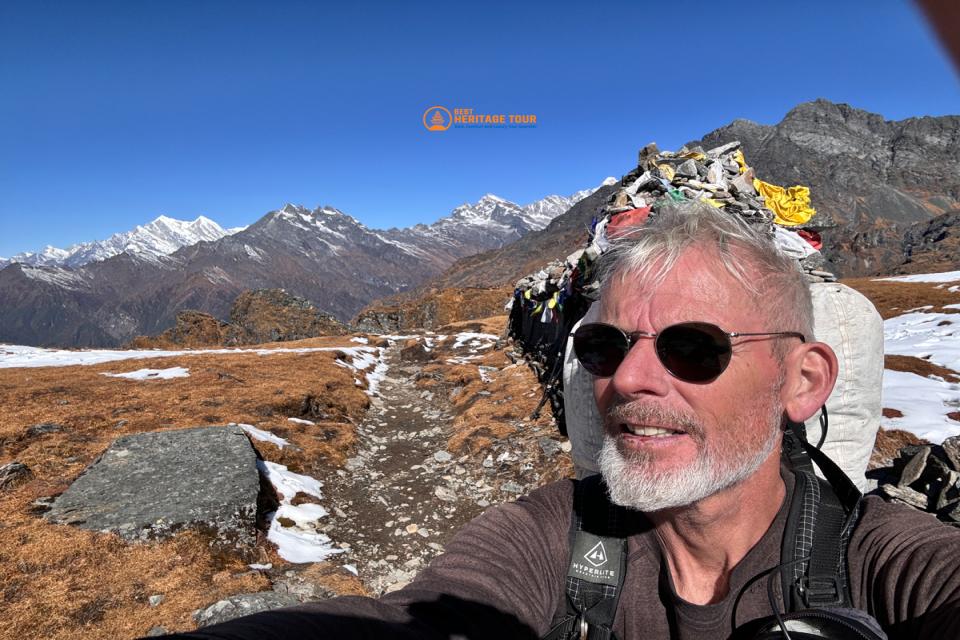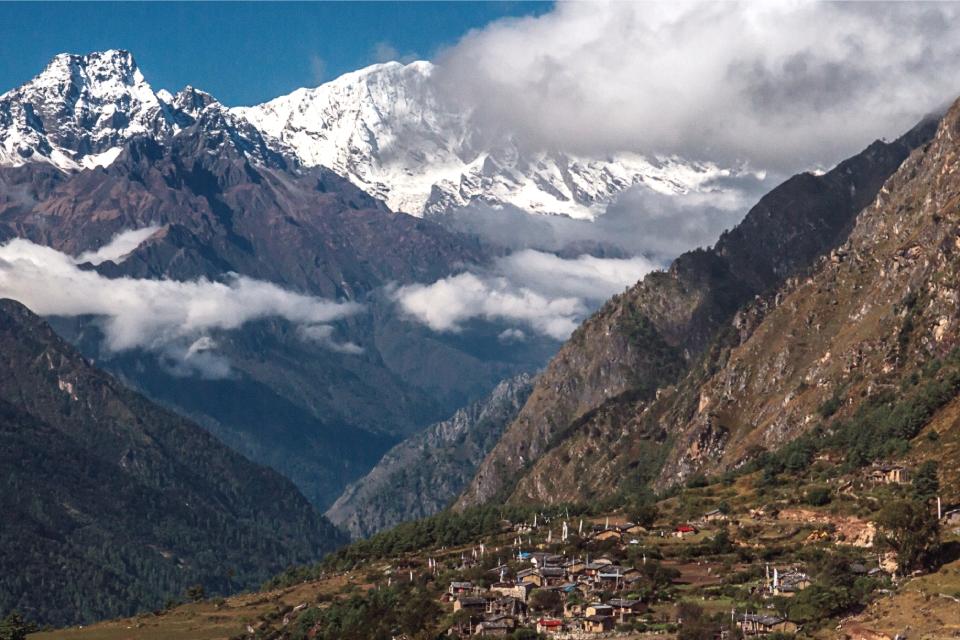
While the Everest and Annapurna regions draw millions of eyes, Nepal holds secrets reserved for those who seek true wilderness and untouched cultural immersion. These are the Restricted Trekking Areas - remote, ancient, and highly protected zones that require special permits and mandatory guided tours.
These regions, often bordering Tibet (China) or containing highly sensitive ecosystems and indigenous cultures, are intentionally regulated by the Nepalese government. This restriction is not a barrier; it's a promise of pristine trails, authentic communities, and landscapes unlike anywhere else on Earth.
At Best Heritage Tour, we specialize in managing the complexities of these journeys. This guide breaks down what makes a restricted area special, why you must use a registered local agency, and details the requirements for five of Nepal's most coveted restricted treks: Upper Mustang, Manaslu (including Tsum Valley), Nar-Phu Valley, and the legendary Dolpo (Upper and Lower).
What Makes an Area "Restricted"?
A Restricted Area is designated by the Government of Nepal (Department of Immigration) to control access, primarily for three reasons:
-
Cultural Preservation: To protect the unique Tibetan-influenced cultures, languages, and ancient practices from over-tourism and cultural drift (e.g., Dolpo, Upper Mustang).
-
Border Security: Many zones are located near international borders (e.g., Tibet/China), requiring monitored access for national security.
-
Environmental Protection: To control the environmental impact on fragile ecosystems and rare wildlife (e.g., Shey Phoksundo National Park).
The Three Absolute Requirements
To enter any Restricted Area, you must meet the following non-negotiable legal criteria:
|
Requirement |
Detail |
Why it Matters |
|---|---|---|
|
1. Licensed Agency |
You must book the trip through a government-registered Nepali trekking agency. |
Permits (RAPs) are only issued to the agency, not to individuals. |
|
2. Minimum Group Size |
A minimum of two trekkers is required to obtain the Restricted Area Permit (RAP). |
Solo trekking is strictly forbidden. We can arrange a 'group-joining' trek if you are traveling solo. |
|
3. Licensed Guide |
You must be accompanied by a government-licensed local guide at all times. |
Ensures your safety and cultural respect, and verifies compliance at checkpoints. |
1. Dolpo (Upper and Lower): The Hidden Kingdom
Dolpo, famously depicted in the film Himalaya, is perhaps the most remote and culturally profound trekking region in Nepal. Located in the country's far northwest, this immense area is split into two distinct, high-altitude desert treks.
Why Trek Dolpo?
-
Ancient Bon and Buddhist Culture: Dolpo is one of the few places where the pre-Buddhist Bon religion flourishes alongside ancient Tibetan Buddhism. It is a land of centuries-old monasteries (like Shey Gompa) and ancient traditions untouched by modernity.
-
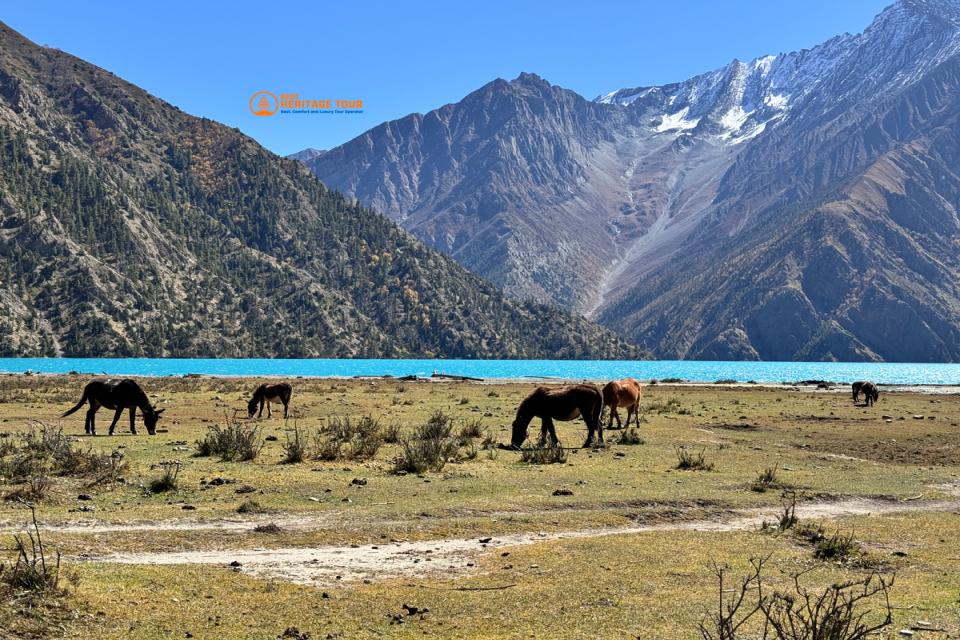
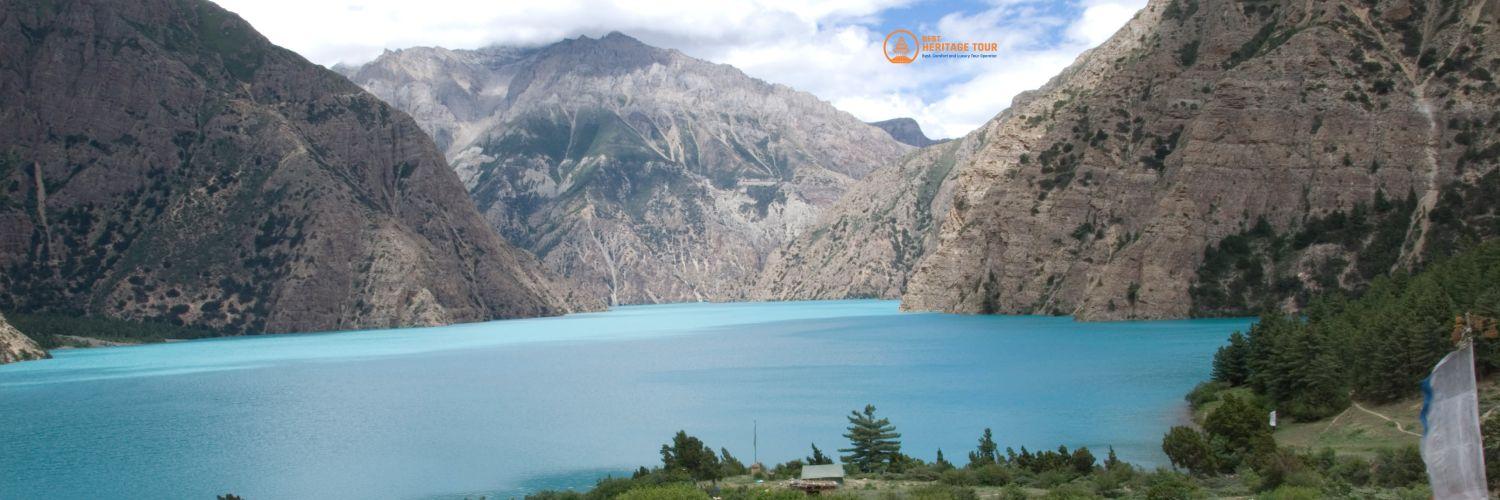
Shey Phoksundo Lake: The centerpiece of Lower Dolpo, this magnificent, iridescent blue lake is sacred to the local Bon-Po community and is one of Nepal's most visually stunning natural landmarks.
-
The Ultimate Challenge: The full Upper Dolpo trek is a monumental 25-30 day expedition, requiring the crossing of multiple high passes exceeding 5,000m, including Kang La Pass and Jeng La Pass.
Permit Requirements and Cost: The High Price of Isolation
Dolpo is a vast area, and the permit structure reflects its remoteness and required conservation status:
|
Trekking Area |
Permit Type |
Cost |
Notes |
|---|---|---|---|
|
Upper Dolpo |
Restricted Area Permit (RAP) |
USD 500 per person for the first 10 days. |
Each additional day costs USD 50. This trek often requires full camping. |
|
Lower Dolpo |
Restricted Area Permit (RAP) |
USD 20 per person per week. |
Much more accessible and often includes teahouses for part of the journey. |
|
Both |
Shey Phoksundo National Park Permit |
Approx. USD 30 per person. |
Required for the entire region. |
Best Heritage Tour Note: Upper Dolpo is a serious logistical undertaking that demands a professional crew (guides, cooks, porters), full camping gear, and extensive planning. It is recommended for experienced trekkers ready for a true expedition.
2. Upper Mustang: The Last Forbidden Kingdom
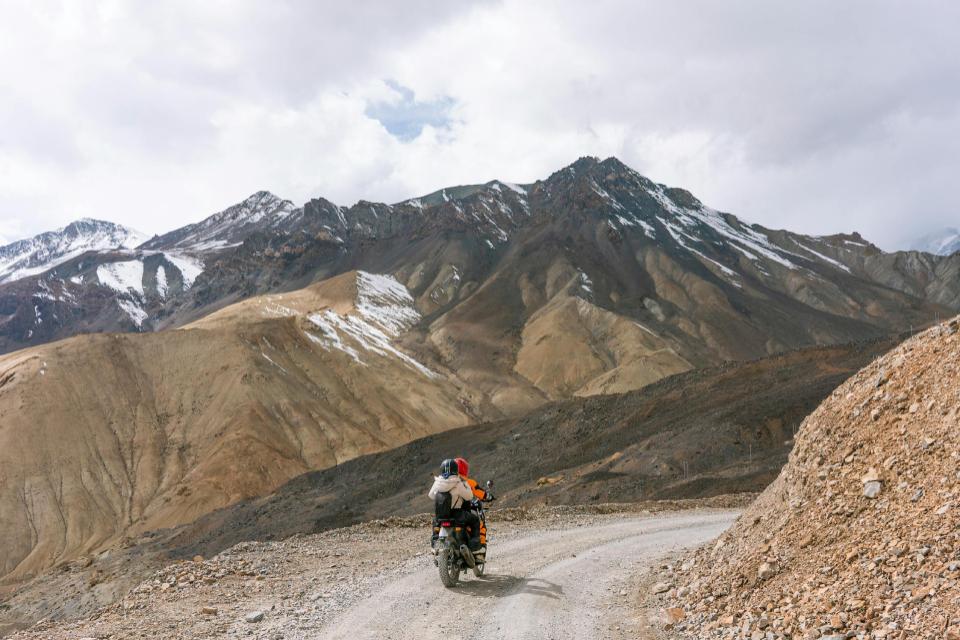
Upper Mustang is the most famous restricted route, offering a journey into the arid, high-altitude desert of the Kali Gandaki Valley and the ancient, walled city of Lo Manthang.
Why Trek Upper Mustang?
-
Unique Landscape: A trans-Himalayan desert region, shielded from the monsoon. It is perfect for Monsoon Trekking as it is dry when the rest of Nepal is wet.
-
Intact Culture: The culture is pure Tibetan Buddhism, preserved due to centuries of isolation. You will explore ancient sky caves, Gompas (monasteries), and the palace of the former King of Lo.
-
Accessibility: Relatively lower altitude (3,810m at Lo Manthang) and the availability of basic teahouses make it complex but generally less logistically challenging than Upper Dolpo.
Permit Requirements and Cost
|
Permit Type |
Cost |
Notes |
|---|---|---|
|
Restricted Area Permit (RAP) |
USD 50 per person per day. |
Recently updated the RAP rule. |
|
Annapurna Conservation Area Permit (ACAP) |
Approx. USD 30 per person. |
Required because the region lies within the ACAP boundary. |
Manaslu Circuit & Tsum Valley: Cultural and Alpine Grandeur
The Manaslu region combines the high-pass challenge of the Manaslu Circuit with the deep cultural immersion of the Tsum Valley, a hidden sanctuary.
Why Trek Manaslu and Tsum Valley?
-
The Manaslu Circuit: A complete circumnavigation of Mount Manaslu (8,163m). The highlight is crossing the challenging Larkya La Pass (5,106m).
-
Tsum Valley: A sacred Himalayan pilgrimage valley (Beyul Kyimolung - Valley of Happiness) known for its strict non-violence policy and ancient, pure form of Buddhism.
-
Authenticity: Trails are less commercially developed than Everest or Annapurna, offering a genuine, raw insight into mountain life.
Permit Requirements and Cost
|
Permit Type |
Cost (Sept-Nov) |
Cost (Dec-Aug) |
Notes |
|---|---|---|---|
|
Manaslu RAP (Circuit) |
USD 100 per person for the first 7 days. |
USD 75 per person for the first 7 days. |
Additional days: USD 15 per day. |
|
Tsum Valley RAP |
USD 40 per person per week. |
USD 30 per person per week. |
Required only if you include the Tsum Valley detour. |
|
Conservation Permits |
Approx. USD 30 (MCAP) + USD 30 (ACAP). |
Required for Manaslu and Annapurna Conservation Areas. |
|
4. Nar-Phu Valley: The Medieval Mountain Kingdoms
The Nar-Phu Valley is a spectacular, hidden gem branching off the main Annapurna Circuit. It feels like stepping back into a medieval time, featuring stone-built villages and spectacular canyons.
Why Trek Nar-Phu Valley?
-
Deep Isolation: Nar and Phu are separate villages high in the mountains, accessible only via a spectacular side-valley trek, preserving a unique, resilient culture.
-
The Challenging Pass: The trek often includes the crossing of the high, often snow-covered Kang La Pass (5,320m), a demanding but supremely rewarding alpine challenge.
Permit Requirements and Cost
|
Permit Type |
Cost (Sept-Nov) |
Cost (Dec-Aug) |
Notes |
|---|---|---|---|
|
Nar-Phu RAP |
USD 100 per person for the first 7 days. |
USD 75 per person for the first 7 days. |
Additional days: USD 15 per day. |
|
Annapurna Conservation Area Permit (ACAP) |
Approx. USD 30 per person. |
Required because the region lies within the ACAP boundary. |
|
Planning Your Restricted Trek: The Best Heritage Tour Advantage
A restricted area trek is not a simple vacation; it is a full-scale expedition requiring specialized logistical management. Dolpo, in particular, requires a full camping crew and is not a teahouse trek.
The Role of Your Trekking Agency
When you book a restricted trek with us, Best Heritage Tour handles every complex requirement:
-
Group Organization: We guarantee the required minimum group size (two trekkers) or manage your group-joining logistics.
-
Permit Acquisition: We process the application for your Restricted Area Permit (RAP) directly with the Department of Immigration, a process only authorized agencies can complete.
-
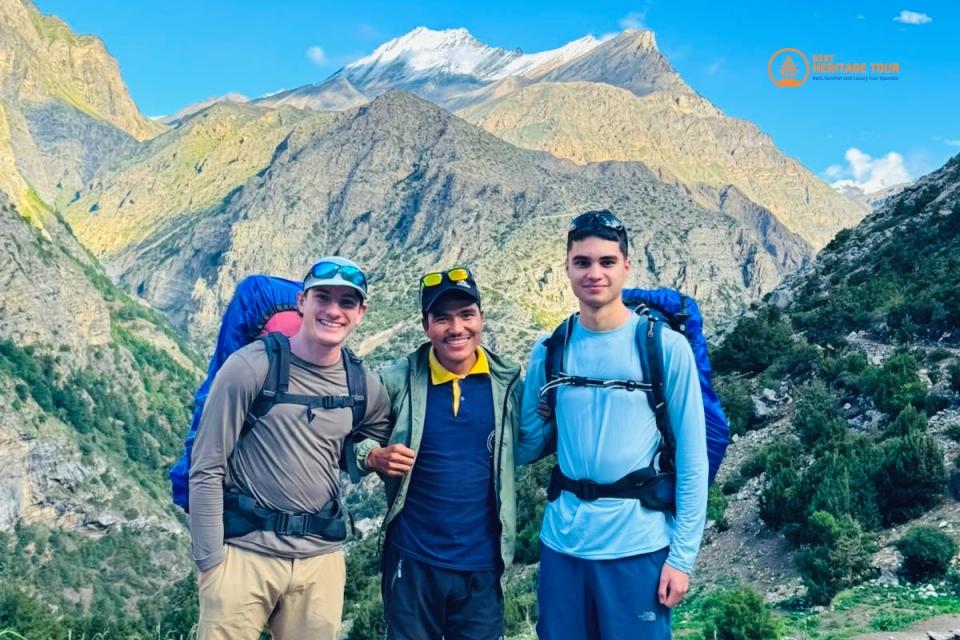
Experienced Staff: We provide a licensed, experienced local guide who is trained in the specific cultural sensitivities, terrain, and high-altitude safety requirements of that restricted region.
-
Logistics: For routes like Upper Dolpo, we manage the full camping expedition setup - dining tents, kitchen staff, porters/yaks, and all essential supplies - to ensure your safety and comfort in areas where teahouses simply do not exist.
Do not risk penalties, denial of entry, or dangerous situations by attempting to trek restricted areas independently. These regions are strictly monitored.
Conclusion: Ready for the Ultimate Himalayan Exploration?
If the Everest Base Camp and Annapurna Circuit represent the open doors of Nepal trekking, the Restricted Areas are the sacred, well-guarded sanctuaries. Choosing a restricted trek means prioritizing a once-in-a-lifetime cultural dive and an exceptional scenic adventure over ease and cost.
Best Heritage Tour is your experienced local partner, ready to secure the necessary permits, organize your guide and support team, and lead you safely into these unparalleled, ancient mountain kingdoms.
Contact Us to Unlock Your Restricted Trekking Adventure!
Ready to step beyond the familiar? Contact Best Heritage Tour today for a detailed itinerary and personalized quote for Dolpo, Upper Mustang, Manaslu, or Nar-Phu Valley.
Phone / WhatsApp / Viber: +977-9851149197 / +977-9810043046
Email: info@bestheritagetour.com / bestheritagetour@gmail.com
Website: www.bestheritagetour.com
Office: Thamel Marg, Kathmandu, Nepal
Author: Best Heritage Tour
Date: 3rd December, 2025