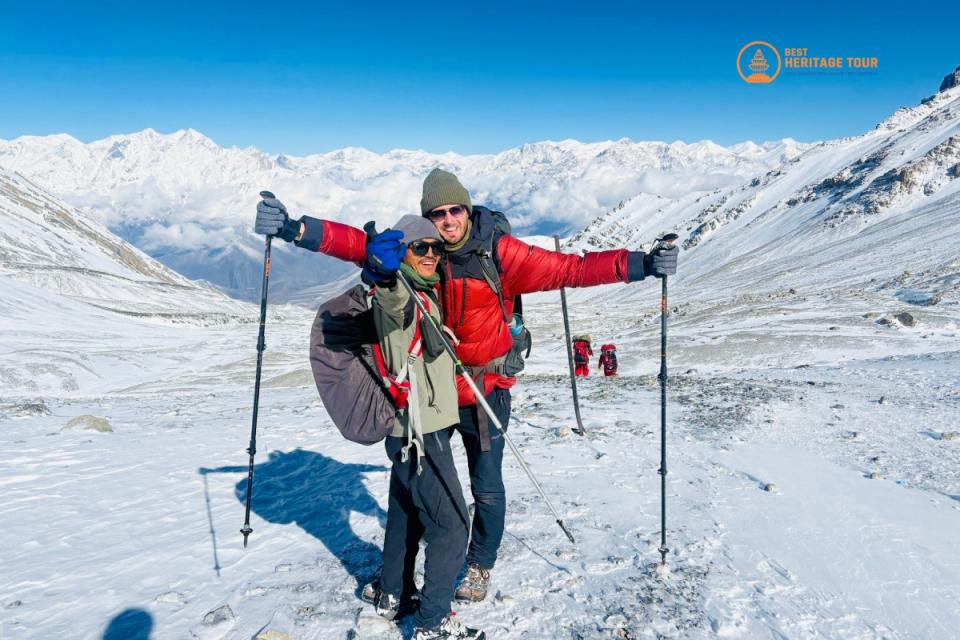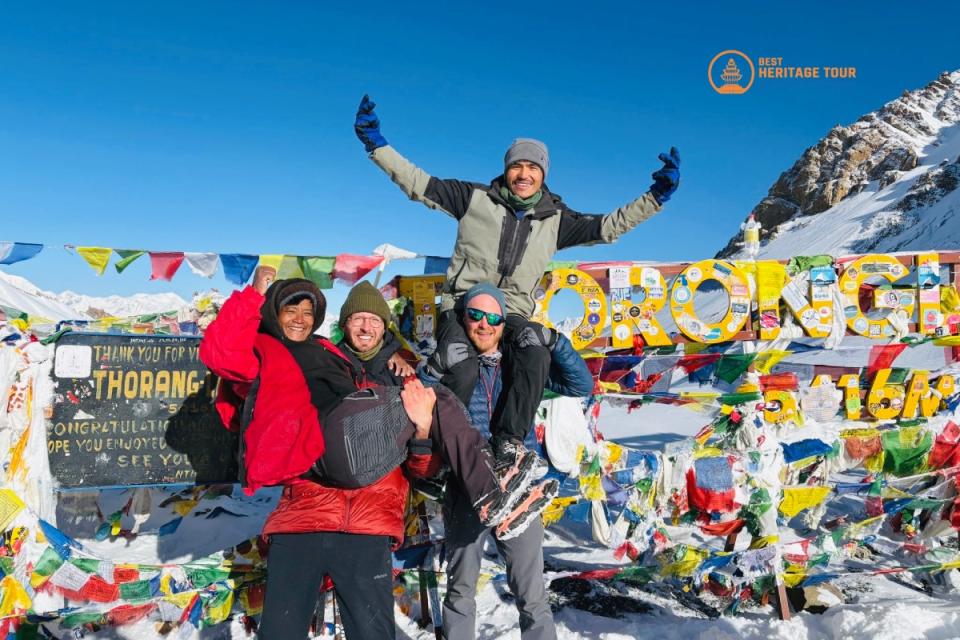
Planning a trek around the Annapurna Circuit is one of the most exhilarating experiences a traveler can undertake. As you prepare to cross the iconic Thorong La Pass at 5,416 meters, logic dictates focusing on physical conditioning and high-altitude gear. However, the most frequent point of failure on this trail isn't physical stamina - it is financial logistics.
A common pitfall for international adventurers is underestimating the volume of physical cash required once you step out of Kathmandu or Pokhara. On the trail, digital wallets, credit cards, and foreign currencies disappear entirely. ATMs are notoriously unreliable or nonexistent at high elevations, and the local economy runs strictly on tangible paper currency.
Whether you are an independent trekker navigating the high trails or looking to evaluate an Annapurna Circuit Trek Package vs. Independent itineraries, calculating your daily spending is critical. Below, we break down the definitive, ground-tested cash requirements for the 2026 and 2027 trekking seasons.
The Core Financial Realities: Cash is King
Before analyzing itemized costs, it is important to understand the regulatory and systemic mechanics of the Annapurna region.
-
The Guide Mandate: The Government of Nepal requires all foreign nationals to hire a licensed trekking guide for safety reasons. "Solo trekking" without an authorized local guide is no longer legally permitted.
-
Currency Constraints: All teahouses, local jeeps, and mountain portals accept Nepalese Rupees (NPR) only.
-
The Indian Rupee Exception: For regional visitors asking how much Indian Rupee is required for the Annapurna Circuit Trek?, it is critical to note that while Indian Currency (INR) is widely recognized in urban centers, only INR 100 and INR 50 notes are legally accepted and circulated on the trail. High-denomination notes like the INR 500 bill are illegal to possess or spend in Nepal and will be flatly refused by teahouse owners due to banking restrictions. If you choose to calculate your budget in Indian currency, you must convert it to Nepalese Rupees before hitting the trail to avoid being stranded without valid tender.
Daily Expense Breakdown: What You Spend on the Trail
Your daily cash burn increases proportionally with altitude. As supplies must be carried up by porters, mules, or yaks, the cost of a simple plate of Dal Bhat or a hot bottle of water climbs significantly.
Estimated Daily Cash Consumption
Budget Tier: $45 - $55 / day
Includes basic private room, 3 standard meals, local water.
Standard Tier: $60 - $75 / day
Adds daily hot showers, device charging, Wi-Fi, and snacks.
Comfort Tier: $80 - $95+ / day
Includes premium rooms (with attached bath where available), diverse meals, regular bakery items, and treats.
1. Permits and Mandatory Documentation
Permit costs are fixed fees that must be settled in Kathmandu or Pokhara before entering the trail system. Attempting to purchase these at trail checkpoints results in a 100% double-fee penalty.
-
Annapurna Conservation Area Project (ACAP) Permit: NPR 3,000 (~$25 USD) per person for international tourists; NPR 1,000 for SAARC nationals.
-
Trekkers’ Information Management System (TIMS) Card: NPR 2,000 (~$15 USD) per person, processed via an authorized agency.
2. Teahouse Accommodation
Rooms on the Annapurna Circuit are generally inexpensive because teahouses make their margins on the meals you consume.
-
Lower Elevation (Besisahar to Chame): NPR 700-NPR 1,200 ($5-$10 USD) per night for a basic twin-sharing room.
-
Higher Elevation (Manang to Thorong Phedi/High Camp): NPR 1,500-NPR 2,000 ($12-$15 USD) per night.
-
Note: If you fail to eat dinner and breakfast at the teahouse where you sleep, owners will charge a steep penalty fee for the room (often up to NPR 4,000).
3. Food and Mountain Hydration
Food is the single largest component of your daily cash spending. A classic plate of Nepalese Dal Bhat (lentil soup, rice, vegetable curry, and pickles) comes with free refills and provides the ultimate fuel for high-altitude trekking.
-
Breakfast: NPR 600-NPR 1,000 ($5-$8 USD) for eggs, porridge, or Tibetan bread.
-
Lunch & Dinner: NPR 1,000-NPR 1,600 ($8-$12 USD) per meal.
-
Drinking Water: Mineral water bottles cost NPR 100 at the trailhead but hit NPR 300-400 at High Camp. We highly recommend carrying water purification tablets or a filtration system to save cash and reduce plastic waste.
4. Trail Amenities (The "Hidden Costs")
Teahouses treat electricity and internet as premium commodities due to the infrastructure challenges of the Himalayas.
-
Hot Showers: Gas-powered or solar showers cost NPR 300-NPR 600 ($2-$5 USD) per wash.
-
Device Charging: Charging phones or power banks costs NPR 200-NPR 500 per hour or per full charge.
-
Wi-Fi Access: Local networks cost NPR 300-NPR 700 per day, though connectivity degrades rapidly during bad weather.
Logistical Expenses: Transport and Staffing
Beyond your daily trail allowances, your total cash footprint depends heavily on ground transportation choices and how you manage your required support staff.
|
Expense Category |
Local / Budget Choice |
Private / Upgraded Choice |
|---|---|---|
|
Kathmandu to Besisahar |
Public Bus: ~$12-$15 USD |
Private Jeep: ~$150-$200 USD |
|
Besisahar to Chame / Dharapani |
Shared Local Jeep: ~$25-$40 USD |
Private Jeep hire: ~$120-$150 USD |
|
Jomsom to Pokhara (Exit) |
Public Bus / Local Jeep: ~$35 USD |
Mountain Flight: ~$170-$180 USD |
|
Licensed Trekking Guide |
Shared/Agency Standard: $25-$35 / day |
Senior Specialized Guide: $40+ / day |
|
Porter (Carries up to 20kg) |
Shared between 2 hikers: $20-$25 / day |
Private Porter: $25+ / day |
Annapurna Circuit Trek Package vs. Independent: A Financial Comparison
Deciding whether to book a fully managed package or patch together an independent itinerary changes your cash liability entirely.
Independent Trekking (Arranging Everything Solo)
When managing the journey independently, you must carry every single rupee required for your permits, transport, lodging, meals, guide fees, and emergency contingencies in physical banknotes. For a standard 14-day itinerary, this means carrying a brick of cash worth roughly NPR 90,000 to NPR 130,000 per person. This can present safety risks and causes unnecessary anxiety over whether you brought enough money to cover unforeseen trail dynamics, such as weather delays.
Fully Managed Package (Trekking with Us)
When you book an organized package through Best Heritage Tour, your financial landscape is streamlined. Your package covers all permits, ground transportation, standard teahouse accommodations, daily meals, and the base salaries for your licensed guides and porters.
Because the core logistical costs are pre-paid in our city offices via secure digital transactions or credit cards, your on-trail physical cash requirement drops by up to 80%. You only need to carry pocket money for personal luxuries, such as Wi-Fi, hot showers, snacks, beverages, and tips for your crew.
Conclusion
Navigating the logistical, legal, and financial complexities of high-altitude Himalayan travel requires meticulous planning. At Best Heritage Tour, we remove the guesswork from your bucket-list adventure. Our expertly guided itineraries ensure you focus entirely on the breathtaking views of the Annapurna massif, while our support crew takes care of all administrative, transport, and lodging logistics behind the scenes.
To customize your standard or luxury Annapurna Circuit itinerary, adjust your travel dates, or coordinate your required permits under expert local supervision, contact us directly:
Phone / WhatsApp / Viber: +977-9851149197 / +977-9810043046
Email: info@bestheritagetour.com / bestheritagetour@gmail.com
Website: www.bestheritagetour.com
Office: Thamel Marg, Kathmandu, Nepal
Frequently Asked Questions (FAQ)
Are there functional ATMs along the Annapurna Circuit?
There are ATMs in Jomsom and Manang, but they are highly unreliable. They frequently run out of cash, lose power, or reject international networks. Do not rely on them; secure your cash before leaving Kathmandu or Pokhara.
What is the expected tip for guides and porters on the Annapurna Circuit Trek?
Tipping is deeply embedded in Himalayan trekking culture and reflects gratitude for the team keeping you safe. While optional, the industry standard is to tip roughly 15% to 20% of the staff's total wages, presented in cash on the final evening of the trek.
Can I spend US Dollars, Euros, or Indian Rupees on the Annapurna Circuit trail?
Foreign currencies like USD or Euros cannot be spent at mountain teahouses. Regarding the Annapurna Circuit Trek cost in Indian Currency, only INR 100 and INR 50 notes are useful. Large INR bills will be rejected. Always convert your foreign funds to Nepalese Rupees (NPR) in urban areas before setting out.
Author: Best Heritage Tour
Date: 17th July, 2026