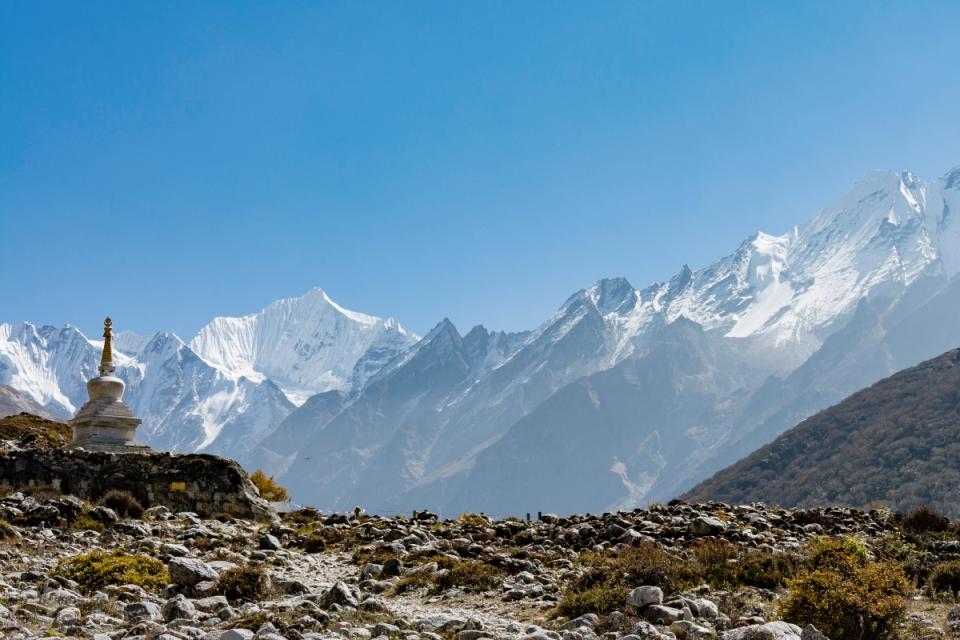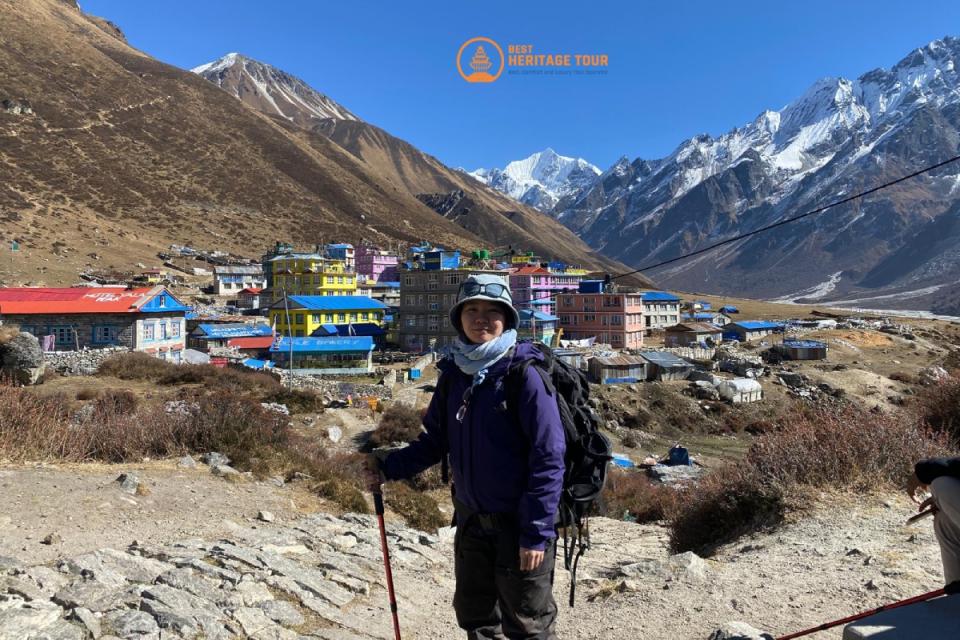
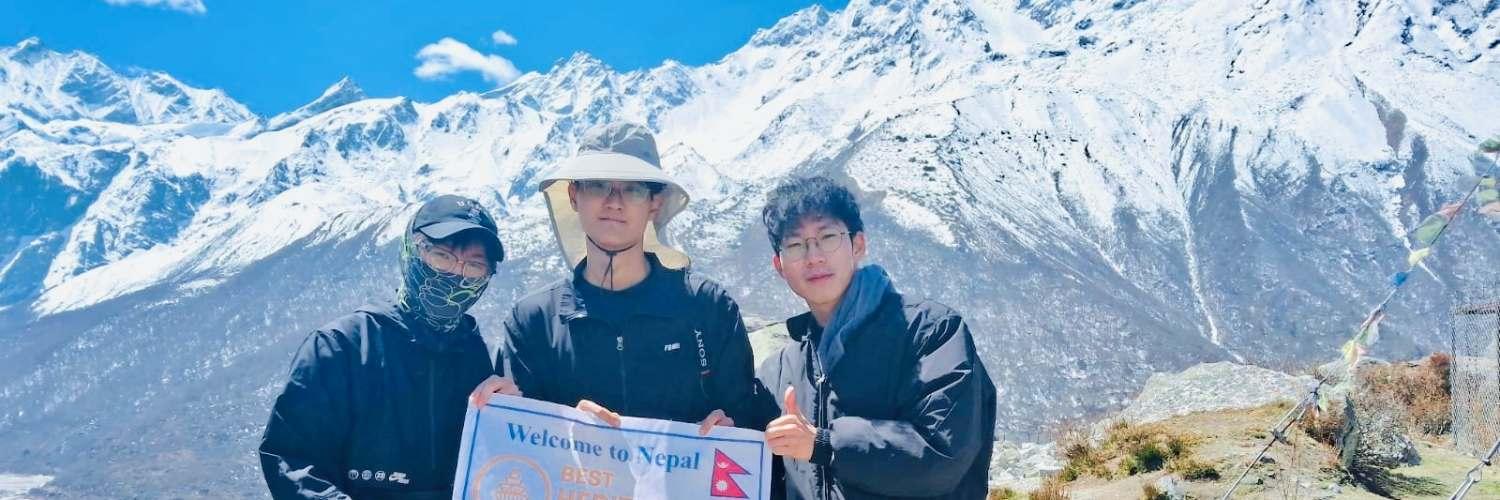
For modern adventurers, packing for a journey into the Himalayas involves more than just selecting the right thermal layers and broken-in trekking boots. In today’s digitally connected landscape, a critical logistical question inevitably arises: Does the mobile network work during Treks in Nepal?
At Best Heritage Tour, we understand that reliable communication is an essential pillar of trail safety, peace of mind, and modern convenience. To provide you with the most reliable data, our senior trekking guides routinely document real-time connectivity metrics directly from the field.
Following our team's recent high-altitude expeditions, we have compiled the definitive, up-to-date breakdown of Mobile Network Coverage on Langtang Valley Trek. This comprehensive analysis details exactly where you can make crisp video calls, where you will face total silence, and why your choice of SIM card makes all the difference.
The Short Answer: Does Mobile Network Work Well on the Langtang Valley Trek?
Yes. Overall, cellular network performance throughout the Langtang Valley corridor is remarkably stable and high-performing, defying the typical expectations of a remote Himalayan region.
However, this accessibility is subject to a major technical caveat: Network reliability depends entirely on the specific telecom provider you choose.
In the Nepalese telecommunications sector, two primary giants dictate backcountry service: the state-owned Nepal Telecom (NTC) and the private commercial operator Ncell. For the Langtang Valley circuit, these two networks are far from equal.
Our field data confirms that the NTC mobile network works significantly better than Ncell at almost every single stage of this trek. While Ncell provides fast data speeds within Kathmandu and the initial low-altitude trailhead at Syabrubesi, its infrastructure struggles significantly once you enter the deep river gorges and high-altitude glacial valleys of Langtang National Park.
Conversely, NTC has expanded its localized cellular towers, making high-speed 4G data standard across almost the entire route. For the vast majority of your journey, NTC 4G works so exceptionally well that streaming video, uploading photos, and conducting clear video calls home are fully supported. This high-speed cellular performance largely eliminates the need to purchase costly, bandwidth-restricted teahouse Wi-Fi tokens.
Cellular Coverage Map: A Village-by-Village Breakdown
To help you navigate your digital availability on the trail, our guiding team has mapped the exact cellular reception environments from the initial drive out of Kathmandu up to the highest vantage points in the upper valley.
1. The Trailhead: Kathmandu to Syabrubesi (1,550m)
-
NTC Status: Strong 4G / LTE
-
Ncell Status: Strong 4G / LTE
-
What to Expect: During your scenic 7-to-8-hour drive from Kathmandu through the hills of Nuwakot and Dhunche, both networks perform flawlessly. Once you arrive at the bustling trailhead town of Syabrubesi, you will experience excellent connectivity on both providers. You can easily stream video, download offline trail maps, and coordinate with our Kathmandu operations office without interruption.
2. Into the Canyon: Syabrubesi to Lama Hotel (2,470m)
-
NTC Status: Intermittent 3G dropping to No Service
-
Ncell Status: No Service (generally)
-
What to Expect: As you cross the suspension bridges out of Syabrubesi and plunge into the dense oak, maple, and rhododendron forests flanking the roaring Langtang River, the topography changes dramatically. The trail winds through a steep, narrow V-shaped river canyon. This geography blocks cellular signals from the lower valleys.
As you approach the localized pocket known as the Lama Hotel Area, you will hit a complete dead zone. There is absolutely no mobile network coverage in the immediate Lama Hotel Area for either NTC or Ncell. The deep gorge walls completely shield this settlement from nearby cellular transmitters. If you need to send an urgent message, you must do so before leaving Bamboo, or wait until you clear the canyon floors the following morning.
3. Entering the Upper Valley: Lama Hotel to Langtang Village (3,430m)
-
NTC Status: Stable 3G / Solid 4G
-
Ncell Status: Spotty 2G / Frequent No Service
-
What to Expect: On the third day of the trek, the landscape alters dramatically. As you ascend past the checkpoint of Ghodatabela, the claustrophobic river canyon opens up into a expansive, glacial U-shaped valley.
As the sky opens, the NTC signal returns with impressive strength. In the completely rebuilt settlement of Langtang Village, NTC users enjoy steady access to high-speed 4G data. In stark contrast, Ncell signals remain weak, often dropping entirely or getting trapped on unusable 2G roaming bandwidths.
4. The Spiritual Heart: Langtang Village to Kyanjin Gompa (3,870m)
-
NTC Status: Excellent, High-Speed 4G
-
Ncell Status: Weak 3G / Unstable 4G
-
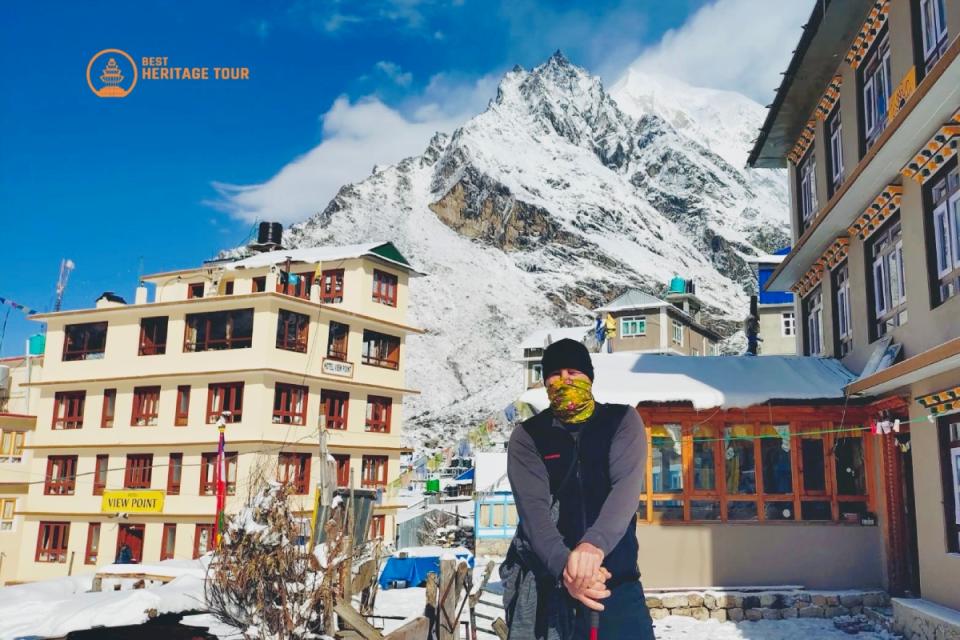
What to Expect: Kyanjin Gompa is the final acclimatization hub and primary destination of the trek. Nestled beneath the massive peaks of Langtang Lirung (7,227m) and Ganchenpo (6,387m), this alpine village boasts highly advanced telecommunications infrastructure.
Thanks to strategically placed local towers, NTC 4G works exceptionally well here. Trekkers can reliably make FaceTime, WhatsApp, or Zoom video calls right from their teahouse dining rooms with minimal latency. Ncell has minimal presence here; while you may catch an intermittent, weak signal near open windows, it is prone to dropping and cannot match NTC's data speeds.
5. High-Altitude Viewpoints: Kyanjin Ri (4,773m) and Tserko Ri (4,984m)
-
NTC Status: Variable 3G to 4G (Line of Sight)
-
Ncell Status: Generally No Service
-
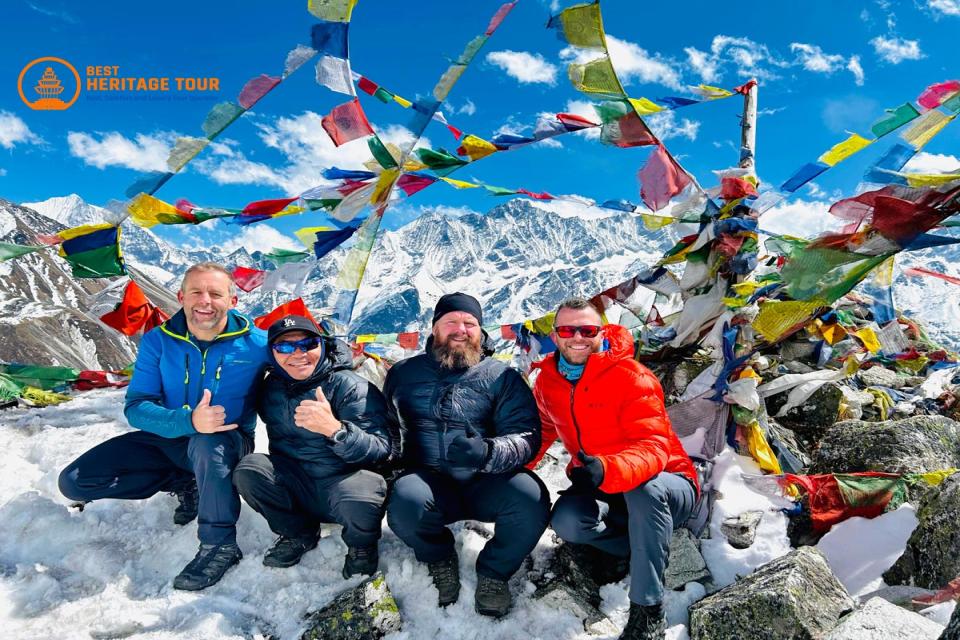
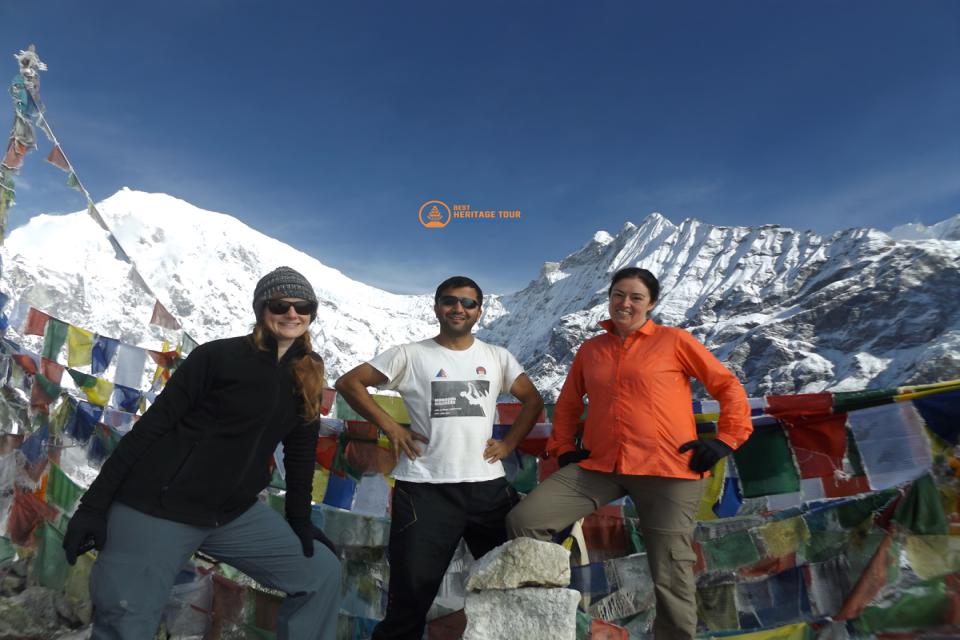
What to Expect: When attempting the challenging acclimatization hikes up Kyanjin Ri or the soaring peak of Tserko Ri, your phone maintains a clear line of sight to the transmitters in the valley below. Remarkably, you can often catch a strong NTC 4G signal at the prayer-flag-strewn summits. This allows you to place a celebratory voice or video call from nearly 5,000 meters above sea level.
Essential Smart Phone & Power Logistics for the Trail
While having access to robust 4G network coverage is incredibly convenient, operating mobile technology in sub-zero, high-altitude environments requires careful preparation. Our guiding team recommends implementing these field-tested strategies:
1. Battery Preservation in Freezing Temperatures
Lithium-ion smartphone batteries drain rapidly when exposed to low temperatures. Above 3,000 meters, overnight temperatures regularly plummet below freezing.
-
The Sleep Trick: Never leave your phone, camera batteries, or power banks on a nightstand or floor of your unheated teahouse room overnight.
-
Keep it Warm: Store your electronic devices inside a wool sock or a small dry bag, and tuck them directly inside your sleeping bag with you at night. Your body heat will prevent the battery chemistry from freezing and draining to zero.
2. Understand the Cost of Recharging
While NTC data keeps your internet bills low, keeping your devices powered up still carries a cost on the trail.
-
Grid vs. Solar: While wall outlets are standard and usually free in your private room down in Syabrubesi, the upper trail infrastructure relies completely on solar panels and micro-hydro power.
-
Charging Fees: Teahouses charge fees to juice up devices in the communal dining halls, ranging from NPR 200 to NPR 500 per full charge.
-
The Solution: To stay self-sufficient, pack a high-capacity, heavy-duty power bank (at least 20,000mAh to 30,000mAh). Fully charge this battery bank in Kathmandu or Syabrubesi before stepping onto the trail. It will easily keep your smartphone alive for the duration of the short Langtang trek without requiring paid charging stops.
3. Secure Your SIM Card Correctly in Kathmandu
Do not wait until you are in the mountains to source your communication needs.
-
Where to Buy: Acquire your NTC SIM card immediately upon landing at Tribhuvan International Airport (TIA) in Kathmandu. Both NTC and Ncell have dedicated kiosks located directly in the arrivals hall.
-
Requirements: You will need your physical passport, a photocopy of your passport photo page, one passport-sized photograph, and Nepalese Rupees in cash (the raw SIM card typically costs around NPR 100, less than $1 USD, plus your chosen data package).
-
Activation Verification: Ensure the kiosk agent fully activates the SIM card, registers your biometric fingerprint, and verifies that the 4G data profile is actively downloading bytes on your phone before you leave the counter.
Conclusion
Navigating communication infrastructure in the Langtang Valley doesn't have to be guesswork. As our field teams have verified, Mobile Network Coverage on the Langtang Valley Trek has evolved to a point where staying connected is easier than ever. By choosing Nepal Telecom (NTC) SIM card over Ncell, you ensure high-speed 4G data access across nearly 90% of the route - allowing you to easily bypass expensive teahouse Wi-Fi packages, stream videos, and make clear video calls right from the shadows of 7,000-meter peaks.
At Best Heritage Tour, we handle every element of your journey - from airport transfers and Kathmandu hotel bookings to arranging experienced local guides, porters, national park permits, and emergency communication backups. Let our family show you the absolute best of our country's heritage, culture, and mountain trails.
Are you ready to lace up your boots for the Langtang Valley?
Phone / WhatsApp / Viber: +977-9851149197 / +977-9810043046
Email: info@bestheritagetour.com / bestheritagetour@gmail.com
Website: www.bestheritagetour.com
Office: Thamel Marg, Kathmandu, Nepal
Author: Best Heritage Tour
Date: 10th June, 2026