Medical Facilities on the Manaslu Circuit Trek
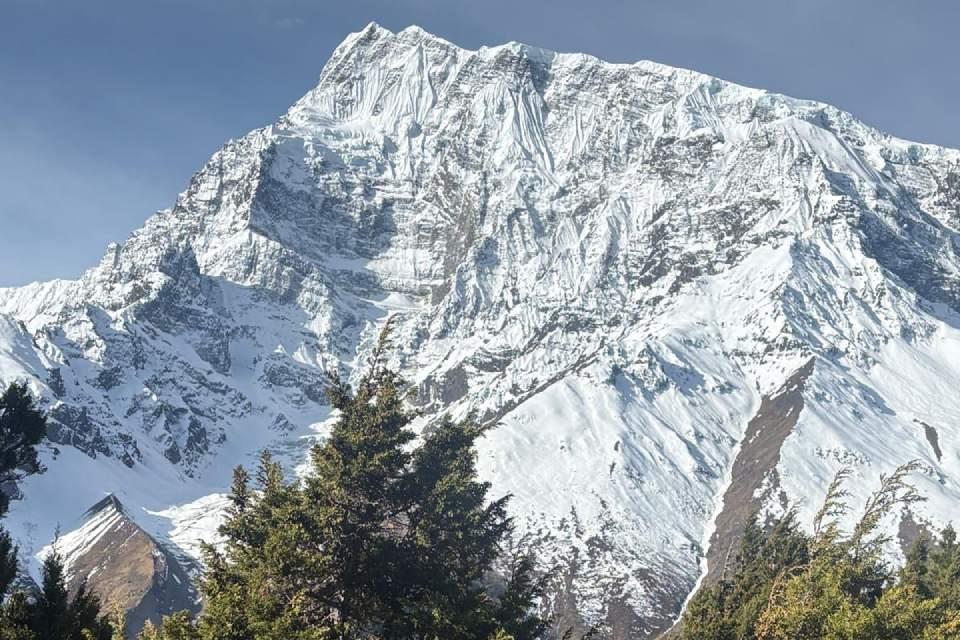
The Manaslu Circuit Trek is universally celebrated as one of the most pristine, wild, and deeply rewarding adventure corridors in the entire Himalayan region. Circling the world’s eighth-highest peak, Mount Manaslu (8,163 m), this restricted-area trail rewards brave adventurers with towering glaciated passes, ancient Tibetan Buddhist traditions, and raw, crowd-free wilderness. However, the very thing that makes this journey an absolute dream - its untamed remoteness - presents a critical reality check for every adventurer: the lack of urban infrastructure.
When you leave the paved highways of Kathmandu behind, you step into a region where the rugged topography dictates daily life. For anyone planning this legendary walk, a pivotal question naturally arises: How is the Medical Facilities on the Manaslu Circuit Trek?
As a leading travel operator deeply committed to your well-being, Best Heritage Tour believes that an informed trekker is a safe trekker. In this definitive guide, we will break down everything you need to know about healthcare infrastructure, emergency response systems, local health posts, and critical preparation protocols for navigating the Manaslu region safely.
The Reality of Healthcare in the Wild: Is There Any Hospitals in Manaslu Circuit Trek?
Let us answer this directly and transparently: No, there are no fully-equipped modern hospitals along the Manaslu Circuit Trek.
If you are expecting a multi-specialty medical center with trauma wards, intensive care units (ICUs), advanced diagnostic machinery, or specialized doctors, you will not find them here. The Manaslu region spans highly remote mountain terrain stretching from the Gorkha district across to the Annapurna Conservation Area in Lamjung. For the vast majority of this route, there is no road access. There are no traditional ground ambulances, and advanced clinical laboratories simply do not exist in these high-altitude settlements.
Instead, the local healthcare infrastructure is built upon a network of small, government-run health posts, community clinics, and basic medical dispensaries scattered across key trading villages. While these facilities perform incredible work under challenging geographical constraints, they are designed to offer basic primary care, treatment for minor ailments, and stabilizing first aid rather than comprehensive emergency medicine.
How Good Is the Medical Facilities on the Manaslu Circuit Trek? A Village-by-Village Breakdown
To help you visualize exactly what kind of medical support is available on your journey, we have compiled a structural overview of the healthcare landscape you will encounter day by day.
Lower Elevation Medical Zones (Machha Khola to Dyang)
During the initial days of your trek, as you follow the roaring waters of the Budhi Gandaki River through subtropical forests and deep gorges, you are never too far from basic rural health services.
-
Machha Khola (930 m): As the starting point of the physical trek, Machha Khola features a few small local pharmacies and private medical shops. These can assist you with very simple issues like blisters, small cuts, minor muscular strains, or standard gastrointestinal issues. Basic over-the-counter medications and bandages are easily accessible here.
-
Jagat (1,340 m): An essential administrative checkpoint on the trail, Jagat houses a small local government health post. The healthcare staff here can administer basic first-aid treatments, rehydration fluids for diarrhea, and simple wound dressing. Jagat serves as the final gateway before you begin to push into the higher, more isolated zones of the Restricted Area.
-
Dyang (1,865 m): Health facilities become visibly sparser by the time you reach Dyang. The village has access to minor medical supplies through community health workers, but it is primarily a resting point rather than a medical hub.
Upper Elevation Medical Zones (Namrung to Samdo)
As you step past the 2,500 m mark into the culturally rich Nubri Valley, the air thins, and the logistical challenges of high-altitude medicine increase dramatically.
-
Namrung (2,630 m): This beautiful village features a modest health post. The local health assistant can treat common mountain ailments such as the early stages of a cold, respiratory coughs, minor cuts, and mild altitude discomfort.
-
Samagaon (3,520 m): Samagaon is the largest, most significant village on the circuit and serves as your primary acclimatization base. Because trekkers spend multiple nights here, it boasts one of the best emergency medical facilities on the Manaslu trek. The health post here is comparatively well-stocked and staffed by health workers trained to recognize and manage acute altitude illnesses. They keep oxygen supplies on hand and can help stabilize patients suffering from early symptoms of Acute Mountain Sickness (AMS).
-
Samdo (3,875 m): Situated close to the Tibetan border, Samdo possesses a basic health post that caters primarily to the local community. It carries limited supplies for altitude sickness and minor injuries. Crucially, due to its high elevation and flat terrain, Samdo serves as a prominent coordination hub for helicopter evacuations if a trekker’s condition deteriorates rapidly before reaching the pass.
The Ultimate Wilderness Zone (Dharmasala to Bimthang via Larkya La)
This is the most critical and medically vulnerable phase of the entire trek.
-
Dharmasala / Larkya Phedi (4,460 m): This high-altitude base camp is merely a seasonal settlement composed of basic stone lodges and tented camps. There are no permanent medical facilities or doctors in Dharmasala. If you experience severe altitude issues or physical injuries here, your only recourse is immediate descent or an emergency helicopter evacuation.
-
Larkya La Pass (5,160 m): The highest point of the trek. Completely isolated, barren, and subject to extreme freezing winds and unpredictable weather. There is absolutely no shelter or medical care on the pass.
-
Bimthang (3,590 m): After successfully crossing the grueling pass, you drop into the spectacular valley of Bimthang. While a welcome sight, it is a remote pasture with seasonal teahouses. Only minimal emergency medicine is kept by local lodge owners. Advanced care is unavailable until you descend further down to Dharapani (1,960 m), which connects back to the Annapurna highway system.
Summary of Medical Infrastructure and Capabilities
To help you quickly compare the level of medical care available at each major stopping point, we have organized the trail data into a scannable structural reference:
|
Trekking Hub / Village |
Elevation (Meters) |
Infrastructure |
Maximum Medical Capability |
|---|---|---|---|
|
Machha Khola |
930 m |
Local Pharmacies |
Over-the-counter drugs, basic wound care, bandages. |
|
Jagat |
1,340 m |
Rural Health Post |
First aid, rehydration therapy, minor trauma stabilizing. |
|
Namrung |
2,630 m |
Community Clinic |
Common cold/flu treatment, mild altitude care. |
|
Samagaon |
3,520 m |
Equipped Health Post |
Oxygen administration, advanced AMS stabilization, diagnostics for HAPE/HACE. |
|
Samdo |
3,875 m |
Basic Dispensary |
Emergency stabilization, helicopter rescue coordination. |
|
Dharmasala |
4,460 m |
None |
No facilities. Rely entirely on your guide's first aid kit. |
|
Larkya La Pass |
5,160 m |
None |
No facilities. Complete wilderness isolation. |
|
Bimthang |
3,590 m |
Teahouse First Aid |
Minor symptom management via lodge operators. |
Crucial Pre-Trek Planning: Travel Insurance and Personal Medical Kits
To ensure you are fully protected while trekking through the remote Manaslu region, there are two foundational elements you must organize before tying your bootlaces.
1. The Non-Negotiables of High-Altitude Travel Insurance
You must never attempt the Manaslu Circuit Trek without a specialized adventure travel insurance policy. When purchasing or verifying your insurance coverage, ensure it explicitly checks the following boxes:
-
Altitude Extension Up to 6,000 meters: Standard travel insurance typically caps out at 3,000 m or 4,500 m. Your policy must explicitly cover trekking up to 6,000 m to safely account for the 5,160 m Larkya La Pass.
-
Emergency Helicopter Search and Rescue: The policy must cover the direct cost of emergency helicopter evacuation, which can easily range from USD 3,000 to USD 5,000 per flight hour if paid out of pocket.
-
No "Nearest Suitable Facility" Loopholes: Ensure your policy does not state that they will only evacuate you to the "nearest medical clinic." As you now know, the local clinics on the trail cannot treat critical conditions; your policy must cover transport all the way to a proper hospital in Kathmandu.
2. Packing Your Ultimate Personal Wilderness Medical Kit
While your Best Heritage Tour guide carries a comprehensive group medical kit containing oxygen cylinders, oximeters, and trauma gear, every trekker should carry a personalized medical pouch for daily self-care.
Personal Medical Kit Packing List
1. Altitude Medicine
-
Diamox (Acetazolamide) - Helps accelerate natural acclimatization
2. Gastrointestinal Care
-
Imodium (Loperamide) - Anti-diarrheal emergency relief
-
Pepto-Bismol tablets / Antacids
-
Oral Rehydration Salts (ORS) packets
-
Water Purification Tablets (Aquatabs / Iodine)
3. Pain & Inflammation
-
Ibuprofen (Advil) - Excellent for altitude headaches and muscle soreness
-
Paracetamol (Acetaminophen)
4. Trauma & Wound Management
-
Blister tape, Moleskin, and heavy-duty Band-Aids
-
Antiseptic wipes or Betadine cream
-
Sterile gauze pads and medical medical tape
-
Elastic crepe bandages for ankle/knee support
5. Prescription & Personal Medication
-
Personal EpiPens, asthma inhalers, or daily prescriptions
-
Broad-spectrum antibiotics (as prescribed by your travel doctor)
Conclusion
The raw, majestic beauty of Mount Manaslu and the thrilling achievement of standing atop the Larkya La Pass await you. While the medical facilities along the Manaslu Circuit Trek are undeniably basic and limited to rustic rural health posts, traveling with the right knowledge, proper insurance, and a deeply experienced team makes this epic journey highly safe and extraordinarily rewarding. You don't need a modern hospital next door when you have an unbreakable safety net supporting your every step.
Are you ready to experience the ultimate remote Himalayan adventure with total peace of mind? Let our local experts handle the complex logistics, permits, and ironclad safety planning for your dream trek.
Contact Best Heritage Tour
Phone / WhatsApp / Viber: +977-9851149197 / +977-9810043046
Email: [email protected] / [email protected]
Website: www.bestheritagetour.com
Office: Thamel Marg, Kathmandu, Nepal