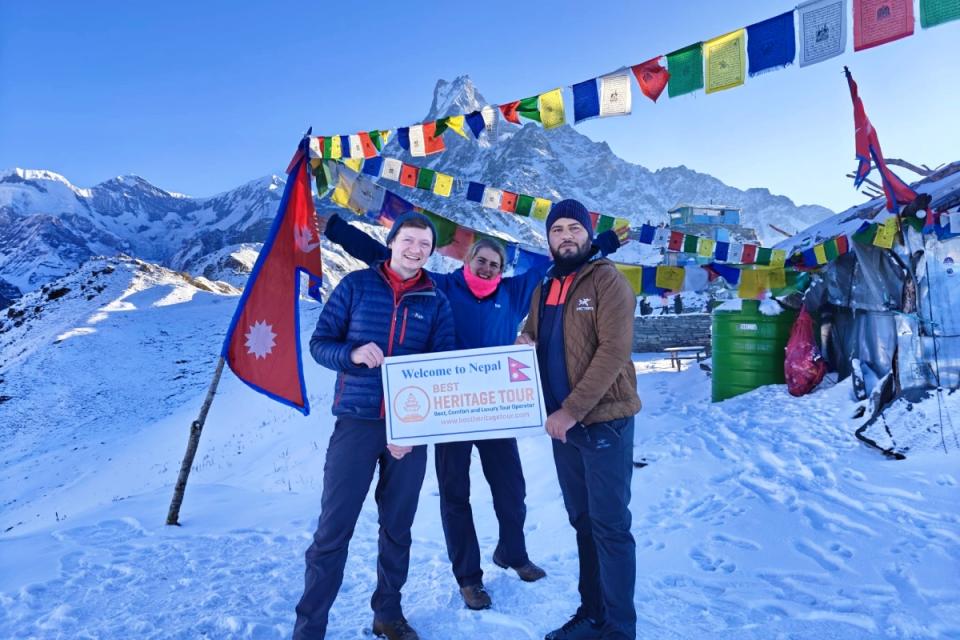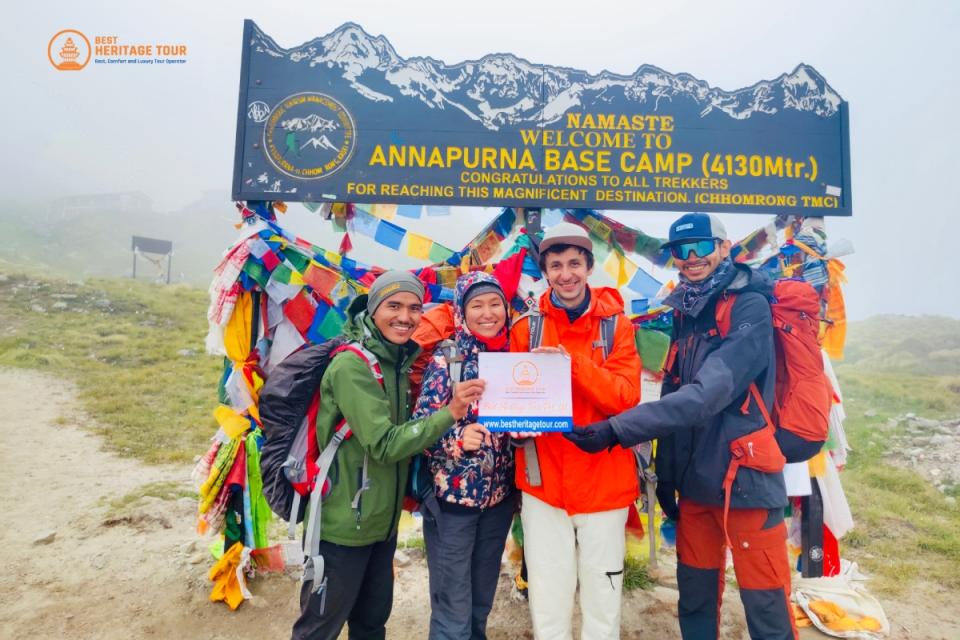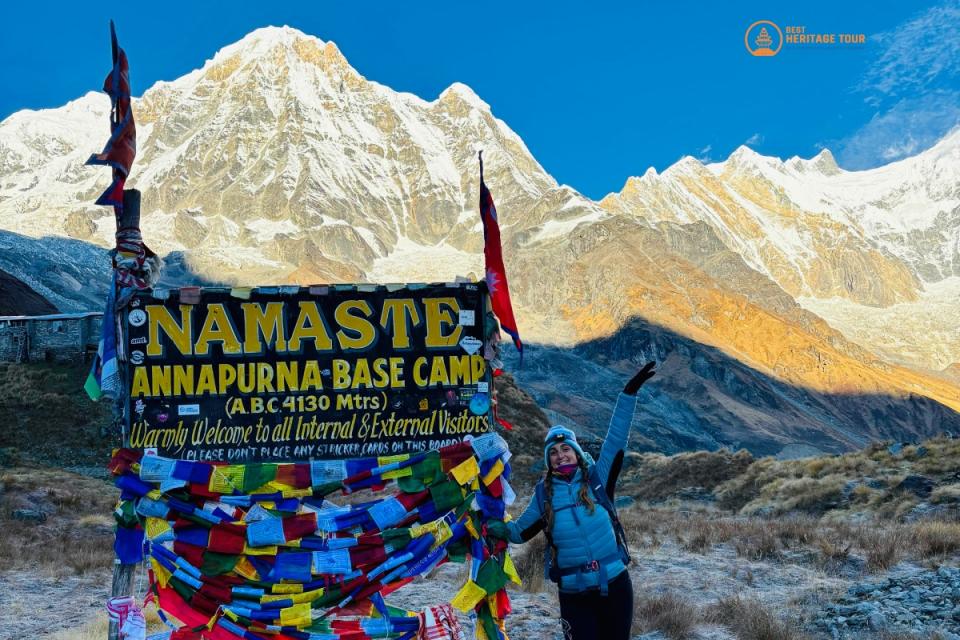
As the grand landscapes of the Annapurna region evolve, global travelers are increasingly searching for paths that offer raw Himalayan beauty without the heavy foot traffic of traditional commercial routes. If you are planning your next grand adventure for 2027, there is one specific trail that deserves a spot at the absolute top of your bucket list: the Mardi Himal Trek.
Tucking itself quietly beneath the majestic shadow of Mount Machhapuchhre (the iconic Fishtail mountain), the Mardi Himal trail is an extraordinary eco-journey. It seamlessly transitions from pristine, moss-draped rhododendron forests into sharp, dramatic alpine ridgelines.
At Best Heritage Tour, we have spent decades guiding enthusiastic trekkers through the diverse landscapes of Nepal. We have watched this specific trail grow from a hidden, tent-only shepherd path into one of the premier short teahouse treks in the world.
Whether you are a seasoned mountaineer seeking a quick Himalayan fix or a first-time hiker looking for an approachable yet high-altitude challenge, this comprehensive navigational and informational guide will map out everything you need to know about experiencing the Mardi Himal Trek in 2027.
Why Choose Mardi Himal Trek in 2027?
For years, the Annapurna Base Camp (ABC) and Poon Hill circuits dominated the trekking scene in western Nepal. However, modern travelers heavily value authenticity, pristine environments, and crowds-free horizons. Mardi Himal delivers exactly that.
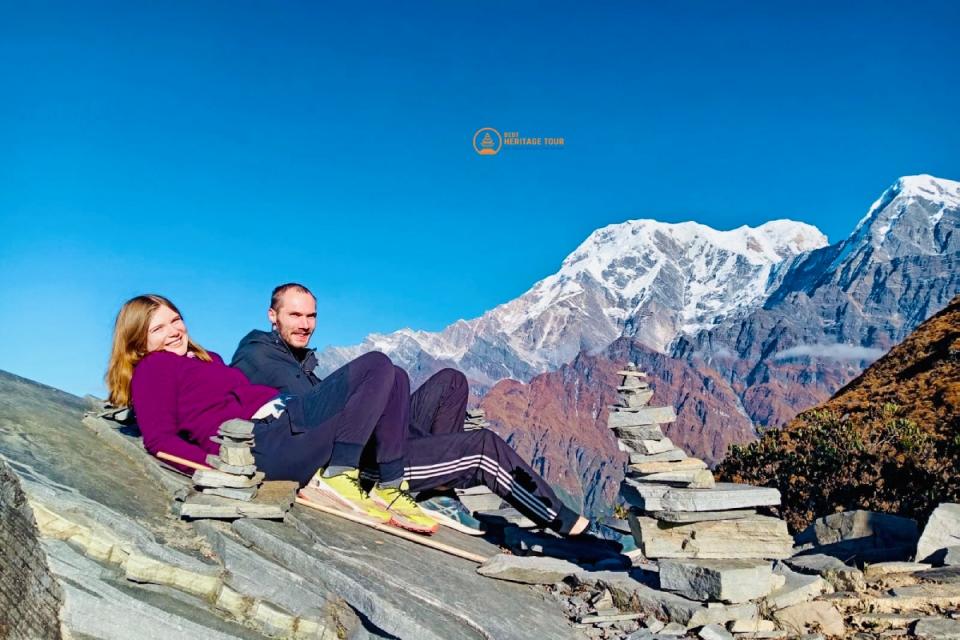
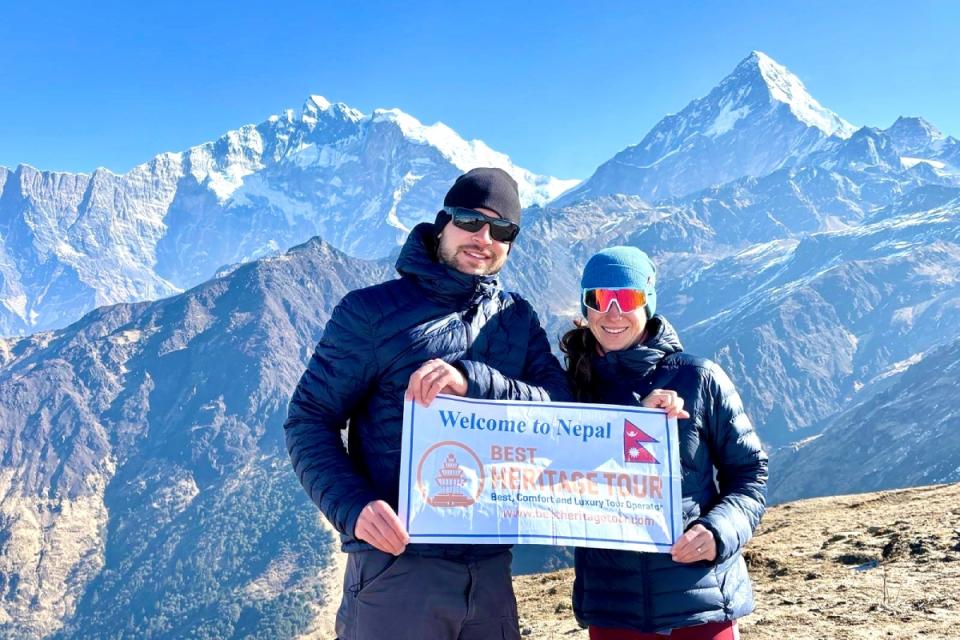
Unlike valley floor treks that look up at the mountains from a distance, the Mardi Himal route is a true ridge trek. As you ascend past the tree line, you are walking directly along a spine that heads straight toward the Annapurna massif. This unique topography provides unmatched, 360-degree panoramic views of:
-
Mount Machhapuchhre (Fishtail) - 6,993m
-
Annapurna South - 7,219m
-
Hiunchuli - 6,441m
-
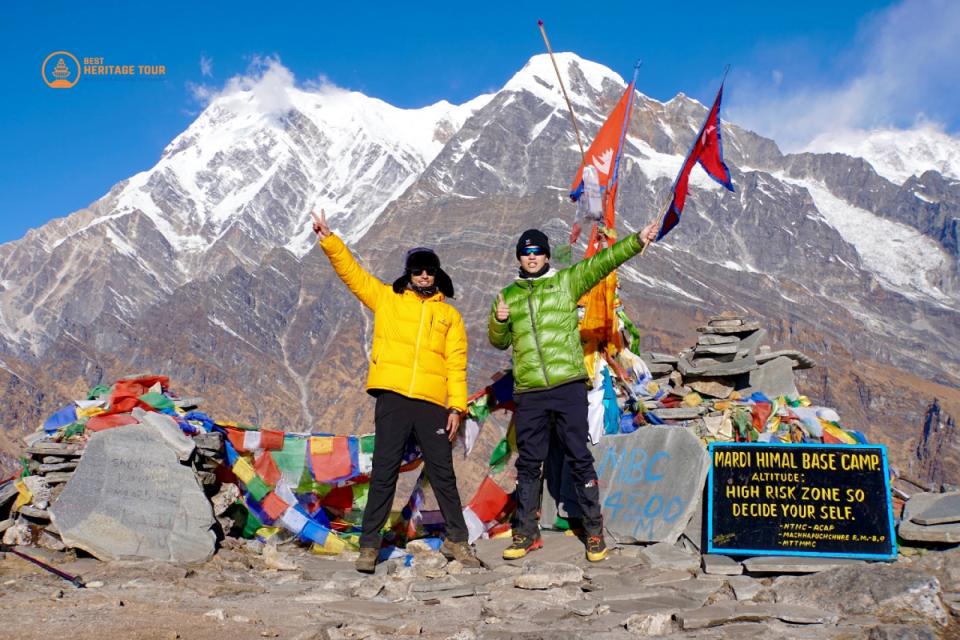
Mardi Himal - 5,587m
Furthermore, it is a highly accessible trek. If you have limited vacation time but still dream of reaching an altitude of 4,500 meters (14,763 feet) at Mardi Himal Base Camp, this itinerary can comfortably be achieved in just 5 to 7 days from the lakeside paradise of Pokhara.
Essential Quick-Reference Trip Overview
|
Technical Detail |
Specifications & Metrics |
|---|---|
|
Maximum Elevation |
4,500 meters (14,763 feet) at Mardi Himal Base Camp |
|
Trek Duration |
5 to 7 Days (Starting/Ending in Pokhara) |
|
Difficulty Level |
Moderate (Excellent for beginners with good fitness) |
|
Best Seasons |
Spring (March-May) & Autumn (September-November) |
|
Accommodation |
Traditional, cozy local Himalayan Teahouses |
|
Required Permits |
ACAP Permit & Local Municipality Entry Fee |
Mardi Himal Trek Itinerary 2027 Itinerary
To ensure proper, stress-free acclimatization and an enjoyable walking pace, our team at Best Heritage Tour recommends a well-balanced 5-Day Alpine Ridge Itinerary starting from Pokhara.
Day 1: Pokhara to Kande (Drive) and Trek to Forest Camp via Deurali
-
Driving Duration: 1 hour
-
Trekking Time: 5 to 6 hours
-
Ending Altitude: 2,600 meters (8,530 feet)
Our journey begins with a smooth, private vehicle drive from Pokhara to the small trailhead hamlet of Kande. Lace up your boots as we begin a steady incline through terraced agricultural fields and lush oak forests up to Australian Camp - a famous viewpoint offering crisp morning views of the Annapurna range. After a hearty lunch, we bypass Pothana and push deep into the dense, quiet woods to reach Forest Camp (known locally as Kokar). Here, the air cools significantly, and the true wilderness experience begins.
Day 2: Forest Camp to Low Camp
-
Trekking Time: 3 to 4 hours
-
Ending Altitude: 3,050 meters (10,006 feet)
We deliberately keep this day shorter to allow your body to naturally adjust to the shifting altitude. The trail climbs steadily through a enchanting wonderland of ancient trees, rich green mosses, and wild orchids. In the spring, this entire forest erupts into vibrant shades of pink, red, and white rhododendrons. As we approach Low Camp, the dense canopy abruptly breaks away, revealing a stunning, up-close face of Mount Machhapuchhre towering directly ahead.
Day 3: Low Camp to High Camp via Badal Danda
-
Trekking Time: 4 to 5 hours
-
Ending Altitude: 3,560 meters (11,680 feet)
Leaving Low Camp, the trail climbs up past Badal Danda (which translates literally to "Cloud Hill"). True to its name, you will often find yourself walking above a sea of low-lying valley clouds. At this point, we completely exit the tree line and enter the alpine zone, marked by low shrubs and vast grasslands. The ridge narrows safely as we trek onward to High Camp. This spot serves as our launchpad for the summit, offering a mesmerizing evening sunset over the snow-capped giants.
Day 4: High Camp to Mardi Himal Base Camp and Descend to Siding Village
-
Trekking Time: 7 to 8 hours
-
Ending Altitude: 4,500 meters (Base Camp) down to 1,750 meters (Siding)
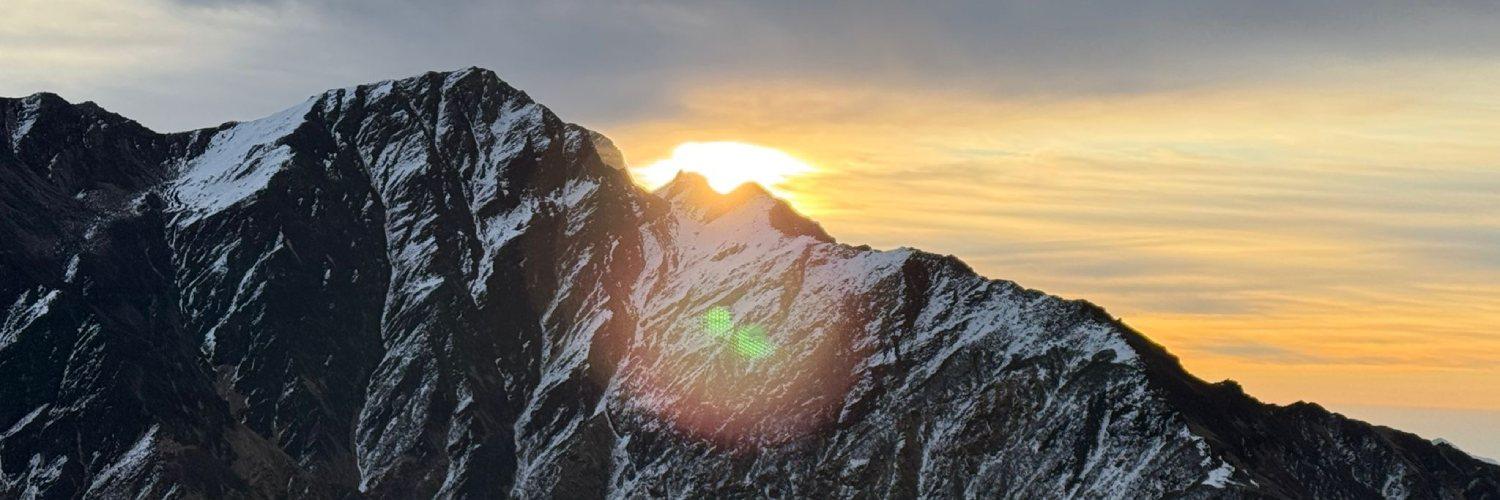
This is the big day. We wake up well before dawn, using headlamps to navigate the crisp, narrow mountain spine up to the Mardi Himal Upper Viewpoint (4,200m) and onwards to the official Mardi Himal Base Camp (4,500m). Standing here at sunrise is nothing short of a spiritual experience. The golden morning light hits the sheer rock walls of Macchhapuchhre and Annapurna South right in front of your eyes. After soaking in the views and taking photos, we track back to High Camp for breakfast, then make a long, knee-friendly descent down a different eastern trail into the cultural valley of Siding Village.
Day 5: Siding Village to Pokhara (Trek & Private Jeep Drive)
-
Trekking Time: 2 to 3 hours
-
Driving Duration: 2 hours
-
Ending Altitude: 822 meters (2,697 feet)
On our final morning, we enjoy a relaxed breakfast in the rural settlement of Siding, observing the simple, traditional lifestyle of the local Gurung and Magar communities. We walk down past cascading waterfalls and terraced rice paddies to our waiting private jeeps. From there, it is a scenic drive along the Mardi Khola river back to Pokhara, where a hot shower, a cold beverage, and a well-deserved celebratory dinner await.
Essential Travel Logistics: Permits and Rules for 2027
Trekking regulations in Nepal emphasize environmental conservation and personal safety. For your 2027 trek, independent or solo trekking without an authorized professional is not permitted on this route. All foreign travelers must be accompanied by a licensed guide.
Our team handles all of this paperwork seamlessly for our guests. If you are budgeting, here are the required permits:
-
Annapurna Conservation Area Permit (ACAP): This is the primary conservation entry permit. It costs NPR 3,000 (Approx. USD $23-$25) for international visitors and NPR 1,000 for citizens of SAARC nations.
-
Local Municipality Entry Fee: A regional environmental support fee of NPR 500 collected for infrastructure maintenance along the Machhapuchhre rural municipality trails.
Important Pro-Tip: Ensure you bring at least four passport-sized photographs and a clear physical copy of your passport data page to Nepal for permit registration.
Conclusion
Trekking through the grand wilderness of the Himalayas is a life-changing milestone. When you choose to travel with a dedicated operator, you are investing in safety, deep cultural immersion, and flawless logistical support.
At Best Heritage Tour, we do not offer cookie-cutter itineraries. We look after every single detail of your journey - from handpicking the coziest, most hospitable family-run teahouses to ensuring our itineraries feature optimal, safe acclimatization steps. Let us handle the complex logistics while you focus entirely on the magical rhythm of the mountain trail.
Plan Your 2027 Adventure Today
Phone / WhatsApp / Viber: +977-9851149197 / +977-9810043046
Email: info@bestheritagetour.com / bestheritagetour@gmail.com
Website: www.bestheritagetour.com
Office: Thamel Marg, Kathmandu, Nepal
Author: Best Heritage Tour
Date: 15th May, 2026