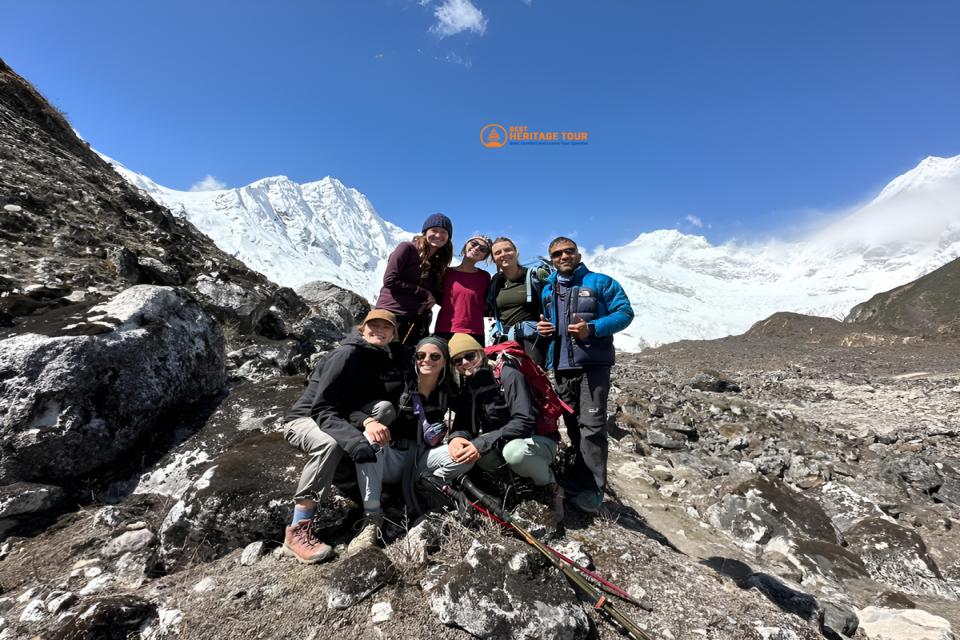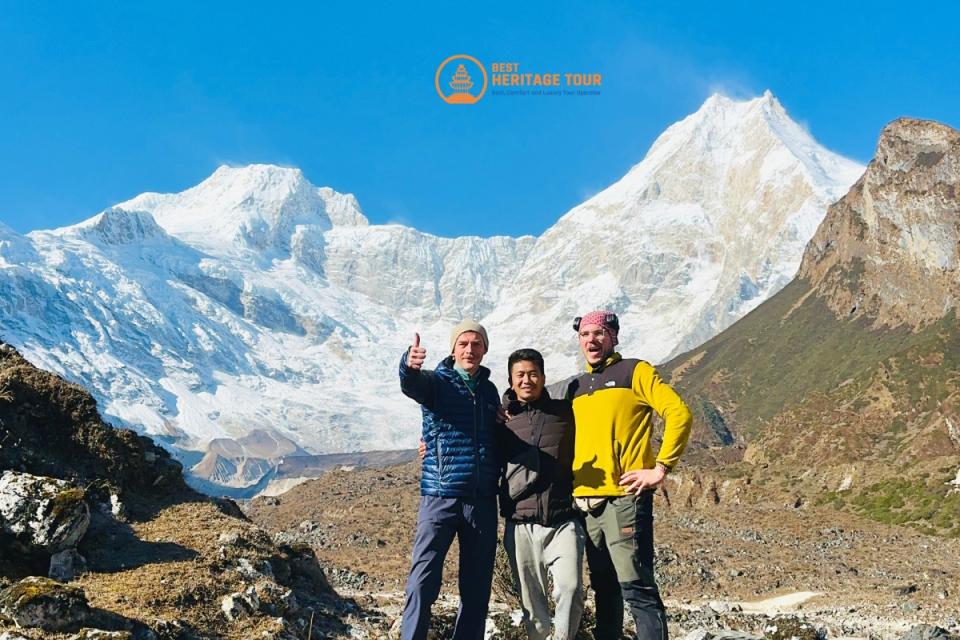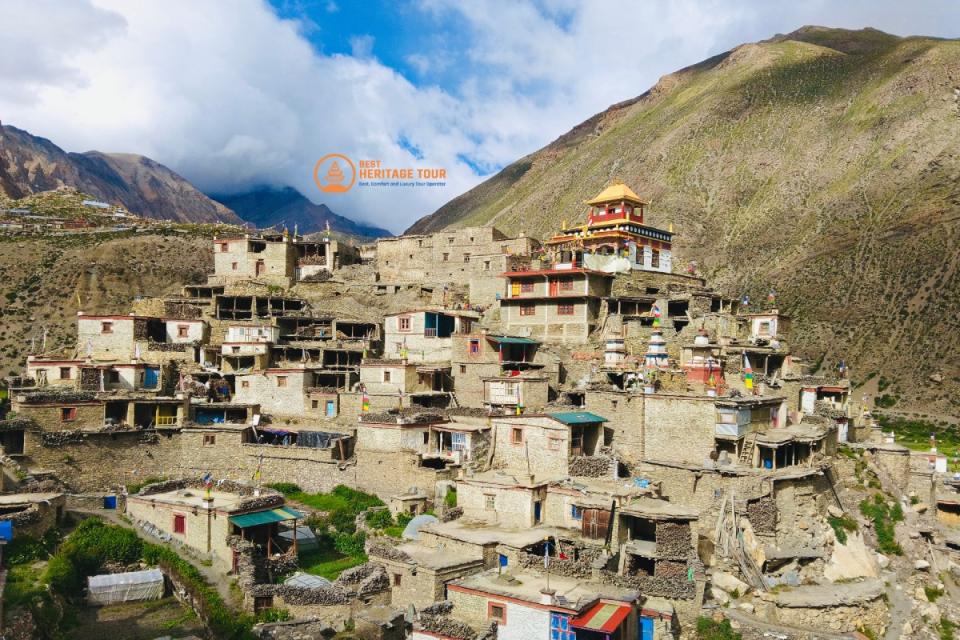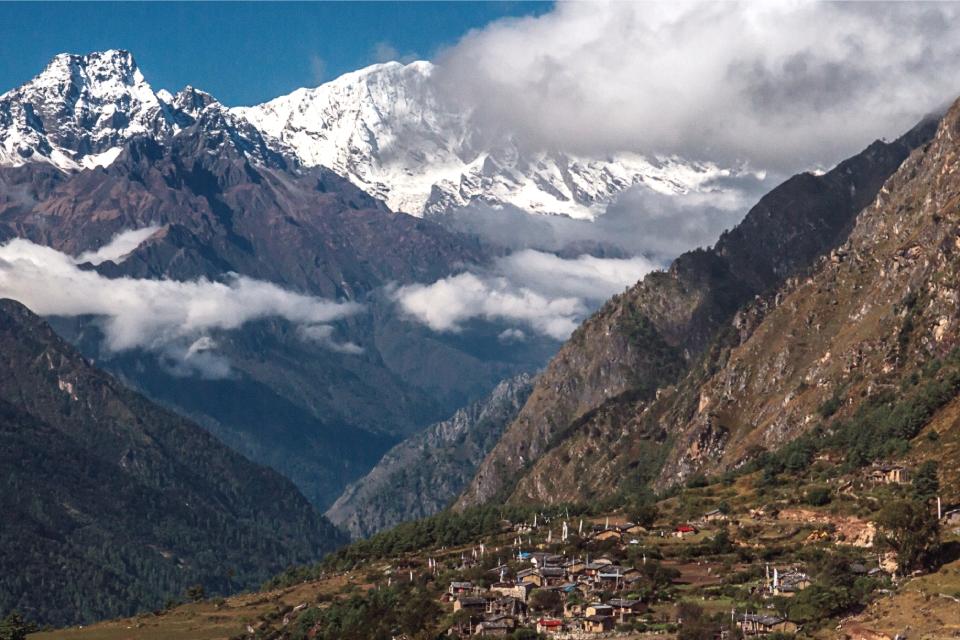
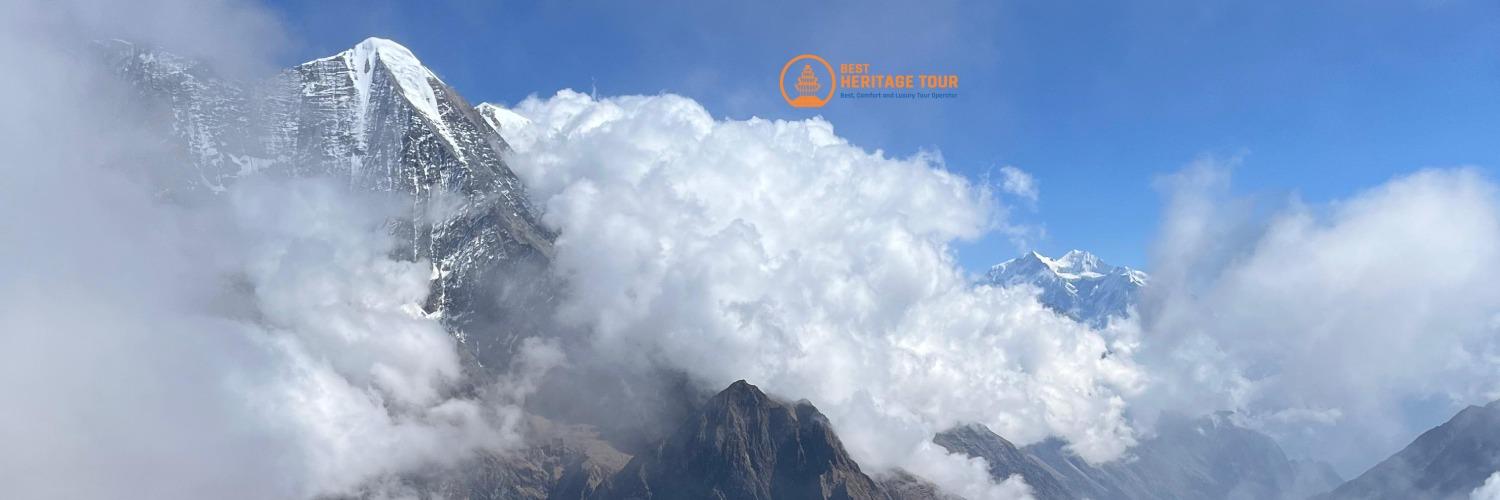
The Manaslu Circuit Trek is renowned as one of Nepal’s most spectacular and culturally rich restricted area journeys. As part of the popular Spring season (March-May), the month of May offers a complex mix of the best conditions - warmth, long days, and vibrant flora - with the increasing risk of pre-monsoon weather.
For Trekkers planning their 2026 expedition, understanding the specific Manaslu Circuit Trek weather in May is crucial for packing, pacing, and safely tackling the high point: the challenging Larkya La Pass (approx. 5,106m).
May sits at the transition point between the ideal dry spring and the hot, humid summer monsoon. This transition brings unique advantages and challenges that trekkers must prepare for.
1. Temperature & Climate: Warm Days, Freezing Nights
May is generally considered the warmest month of the year on the Manaslu Circuit, though temperatures vary dramatically due to the massive altitude gain, climbing from the subtropical zone (approx. 600m) to the alpine zone (approx. 5,106m).
The Altitude-Temperature Breakdown in May
|
Zone |
Altitude Range |
Daytime Temperature (Avg.) |
Nighttime Temperature (Avg.) |
Key Weather Characteristics |
|---|---|---|---|---|
|
Lower Zone |
600m - 2,000m (Soti Khola to Philim) |
20°C to 31°C |
10°C to 15°C |
Warm, humid, light clothing, high sun exposure. |
|
Mid Zone |
2,000m - 3,500m (Deng to Namrung) |
15°C to 20°C |
5°C to 10°C |
Pleasant trekking conditions; need for mid-layers. |
|
High Alpine |
3,500m - 4,500m (Samagaun to Dharamsala) |
10°C to 15°C |
-2°C to 5°C |
Cold nights; down jacket necessary after sunset. |
|
Larkya La Pass |
approx. 5,106m |
-5°C to 5°C |
-10°C to -5°C |
Freezing at the pass itself, especially before sunrise. |
Pro Trekker Tip: The high daytime temperatures in the lower section mean starting your trek early is critical to avoid the midday sun and humidity. You can often hike in just a t-shirt and hiking trousers below 2,000m, but must carry warm layers for sudden changes.
2. Precipitation & Visibility: The Pre-Monsoon Factor
May is the final month before the summer monsoon typically arrives in mid-June. This late spring position is characterized by generally clear mornings but increasing instability in the afternoons, especially later in the month.
Rainfall and View Implications
-
Lowland Rain Risk: In late May 2026, the chance of pre-monsoon rain showers increases, particularly in the lower regions of the Budhi Gandaki gorge (below 2,500m). These are usually brief, intense afternoon thunderstorms rather than all-day downpours. They can make trails slippery and raise humidity.
-
Haze and Clouds: As the pre-monsoon moisture builds, visibility can sometimes suffer. While mornings are usually crystal clear, allowing for spectacular views of Manaslu (8,163m), Himalchuli, and Ganesh Himal, afternoon cloud build-up and haze can sometimes obscure distant peaks.
-
High-Altitude Stability: Crucially, the air remains much drier at the higher altitudes, particularly above 4,000m. The area around Samagaun, Samdo, and the Larkya Pass receives significantly less rain and is often well into the rain shadow of the Manaslu massif, meaning your crucial high-altitude days are still typically dry.
Snow Conditions on Larkya La Pass
By May, the heavy snowfall from winter and early spring has largely melted.
-
Clear Pass: Larkya La Pass is highly likely to be open and crossable. The main concern will not be heavy, fresh snow but possibly hardened ice patches or remnants of snowfields near the top or on the initial descent into Bimthang.
-
Safety Gear: While full winter gear is unnecessary, having micro-spikes or crampons as a precaution, especially for an early morning pass crossing, is highly recommended. Your guide will assess the conditions at Dharamsala (Larkya Phedi) and advise accordingly.
3. The Floral and Fauna Advantage of May
A significant benefit of trekking the Manaslu Circuit Trek in May is the surrounding natural environment, which is at its most vibrant.
-
Rhododendron Bloom: The hillsides, especially in the temperate zone between 2,500m and 3,500m, will be bursting with the full, spectacular bloom of rhododendrons (Nepal’s national flower) and other wildflowers. The valleys are lush and green before the true monsoon saturation.
-
Active Wildlife: With the increasing warmth, wildlife is more active. You have a greater chance of spotting Himalayan Tahr, Musk Deer, and numerous bird species, particularly in the Park areas.
4. Logistical Considerations for May 2026
The specific weather patterns of May impact key trekking logistics that Pro Trekkers must plan for:
A. Teahouse Crowds
May, alongside April, is the peak season for trekking.
-
Accommodation Demand: Teahouses, particularly the limited options in remote villages and the crucial stopping point of Dharamsala (Larkya Phedi), will be busy. Booking your trek far in advance (6-9 months) through a reliable agency like Best Heritage Tour is essential to secure the best lodging and avoid settling for less desirable, colder rooms.
-
Pacing: Stick strictly to your pre-booked itinerary to avoid showing up late to a village and finding all rooms full.
B. Trail Conditions
-
Slippery Lower Trails: Be cautious on the rocky, steep lower trails in the Budhi Gandaki gorge (Soti Khola to Philim). Melting snow at mid-elevations can create muddy paths, and pre-monsoon showers make stone staircases slick.
-
Landslide Risk: While the major monsoon season (July-August) poses the highest risk, occasional rockfalls can occur due to ground thawing and pre-monsoon rain. Always follow your guide's advice on negotiating known landslide-prone areas.
C. Larkya La Pass Strategy
-
The pass crossing demands an extremely early start (typically 3:00 AM - 4:00 AM) to take advantage of the most stable, cold, and calm conditions of the morning. Crossing early minimizes exposure to potential afternoon high winds, white-out conditions, or cloud cover that might obscure the famous views from the top.
5. Essential Packing List Adjustments for May
To manage the wide swing in temperatures and the chance of rain, your May packing list needs specific adjustments:
|
Item Category |
May Specific Necessity |
Reason |
|---|---|---|
|
Outerwear |
High-quality Waterproof/Windproof Shell Jacket and Pants |
Protection against sudden, heavy pre-monsoon showers and freezing pass winds. |
|
Layering |
Lightweight, moisture-wicking hiking clothes |
Essential for the hot, humid lowlands where temperatures can exceed 25°C. |
|
Footwear |
Waterproof Boots (essential) |
Managing wet, muddy trails and snow/slush on the pass. |
|
Gear |
Rain/Duffel Cover |
Protecting your gear from afternoon showers. |
|
Sun Protection |
High-SPF Sunscreen, Hat, and Sunglasses |
The sun exposure is intense in May, especially at high altitude. |
In conclusion, May 2026 presents an exceptional opportunity for the Manaslu Circuit Trek, offering comfortable temperatures, blooming forests, and excellent high-mountain views. However, successful navigation requires recognizing and preparing for the increasing humidity and the possibility of pre-monsoon rain in the latter half of the month.
Start Planning Your May 2026 Manaslu Circuit Trek!
Best Heritage Tour specializes in restricted area logistics and is perfectly prepared to guide you safely through the dynamic May weather.
Contact Best Heritage Tour for the full itinerary, detailed packing list, and booking options for your Manaslu Circuit expedition:
Phone / WhatsApp / Viber: +977-9851149197 | +977-9810043046
Email: info@bestheritagetour.com | bestheritagetour@gmail.com
Info & Booking: www.bestheritagetour.com
Office: Thamel Marg, Kathmandu, Nepal
Author: Best Heritage Tour
Date: 28th November, 2025