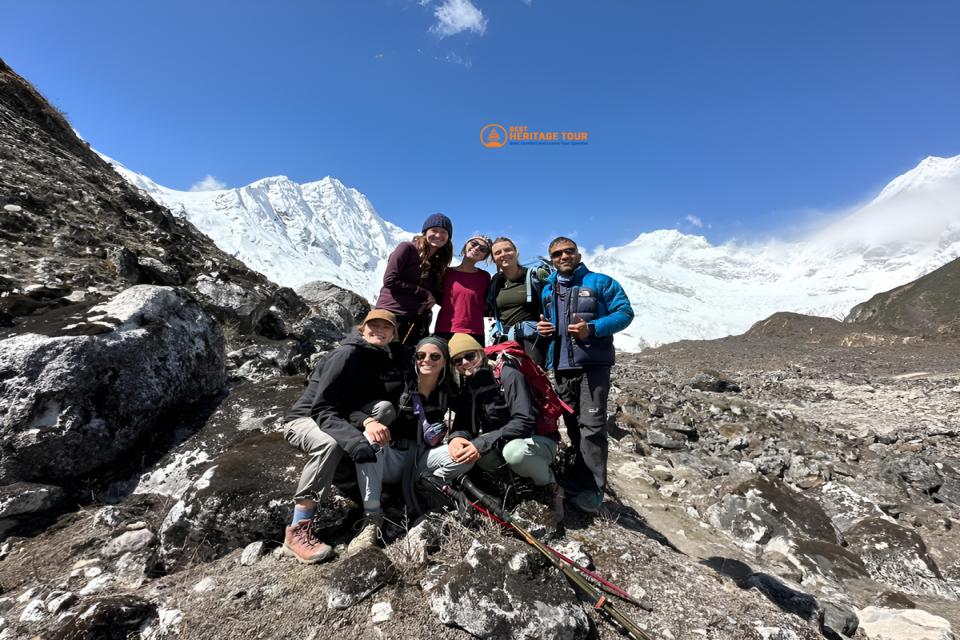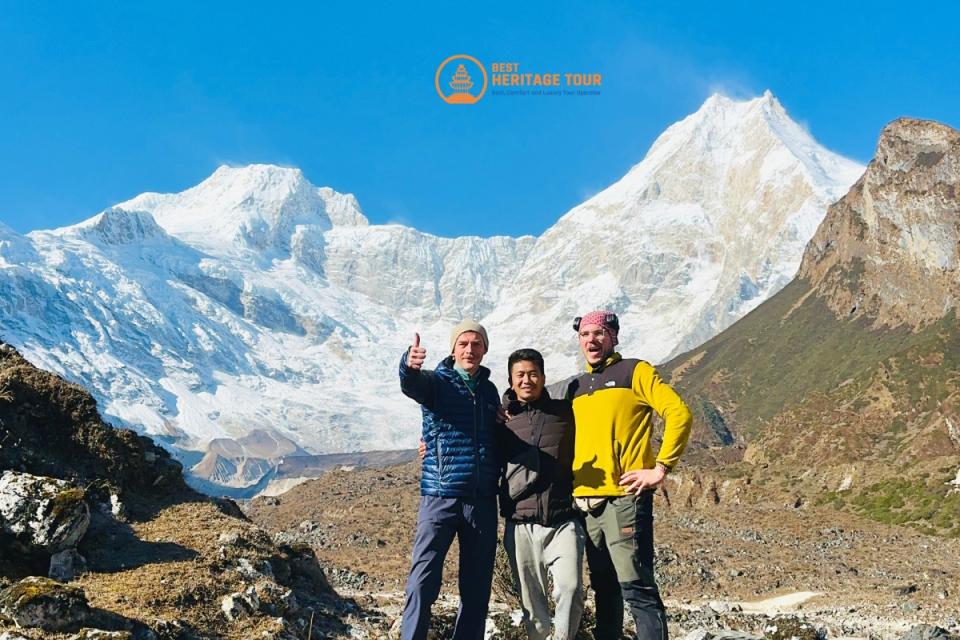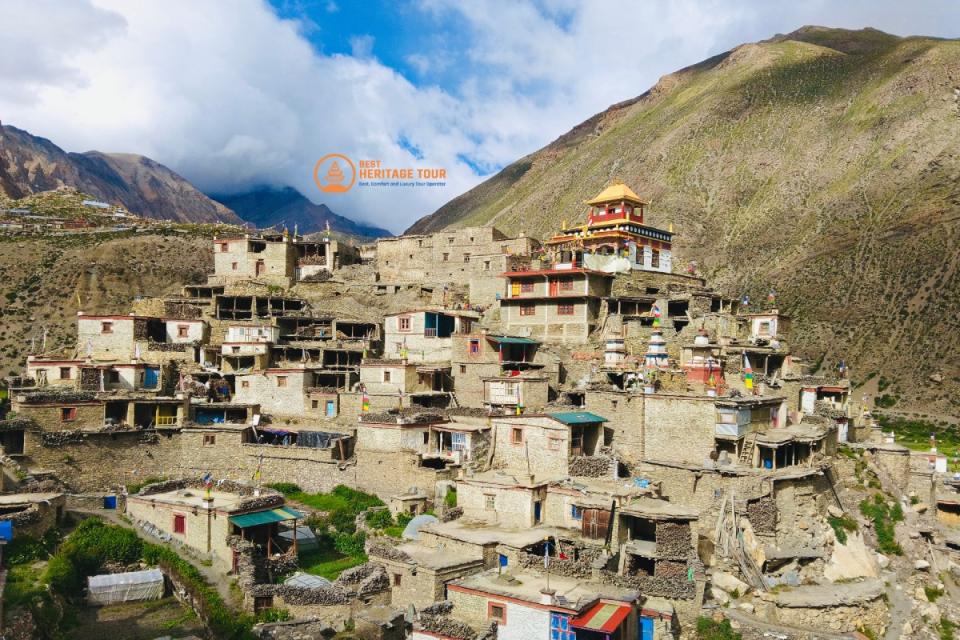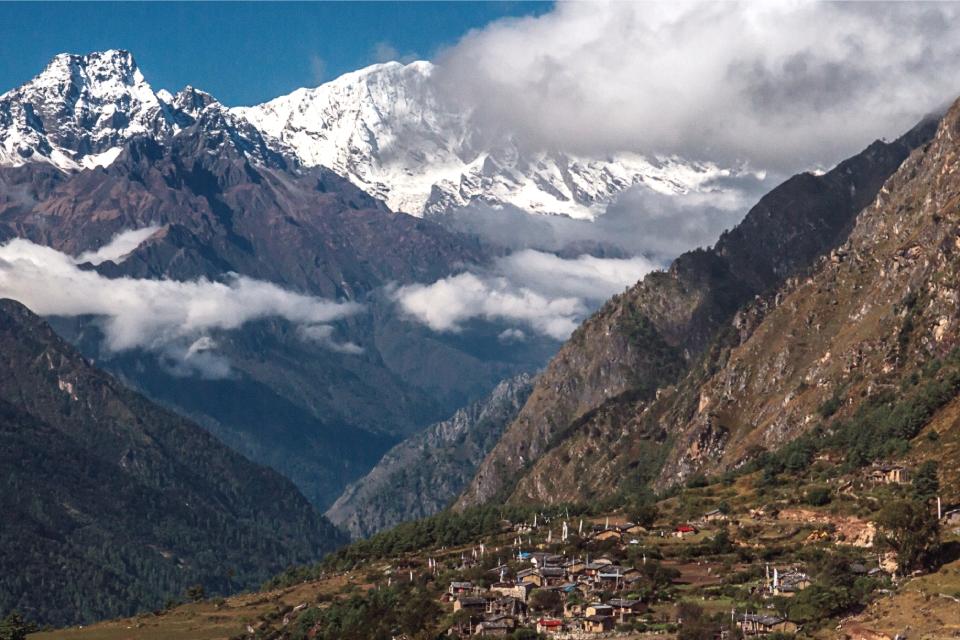
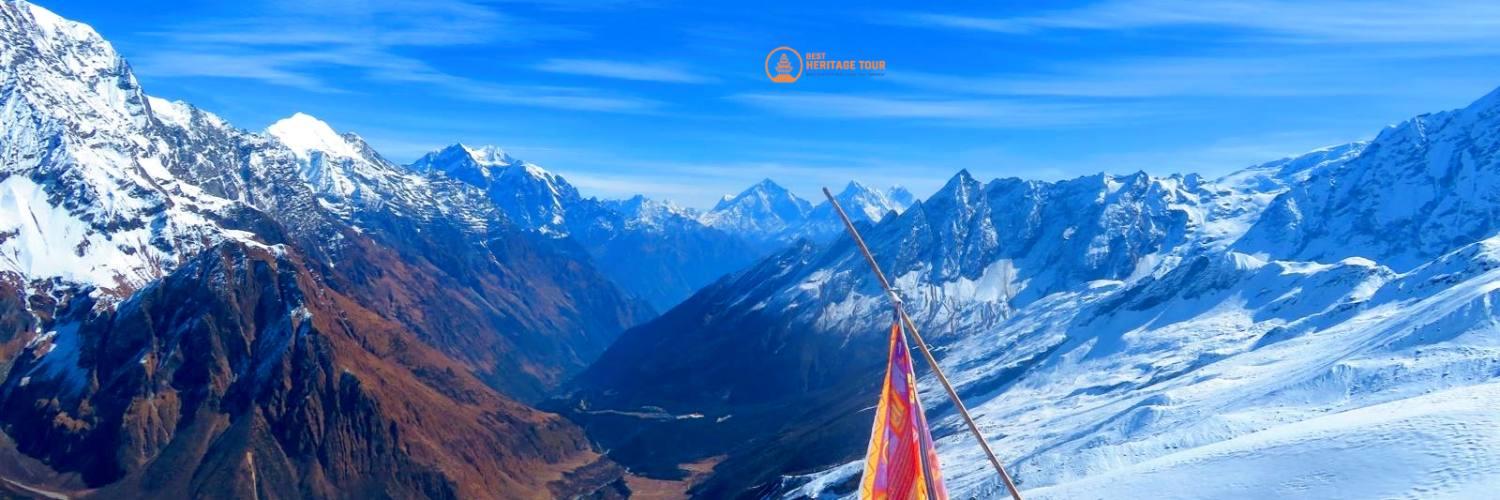
As an experienced local trekking company - Best Heritage Tour, we can tell you that the Manaslu Circuit Trek is quickly becoming the crowning jewel of Himalayan adventures. It offers the majestic Himalayan views of Everest and Annapurna, the cultural immersion of a Tibetan borderland, and the unspoiled authenticity of a trail that sees far fewer crowds. The crowning achievement, the Larkya La Pass (5,106m), provides an unforgettable high-altitude challenge.
However, unlike the open trails of the Annapurna or Everest regions, the Manaslu Circuit is classified as a Restricted Trekking Area. This designation exists to safeguard the fragile environment, preserve the unique Tibetan-Buddhist (Nubri and Tsum) culture, and ensure trekkers' safety in this highly remote region close to the Tibetan border.
This classification brings with it strict regulations that must be understood and followed. This is not a trek you can tackle independently.
This definitive guide, crafted with up-to-date information for 2026, will authoritatively address the three most crucial planning factors: the Manaslu Circuit Trek Permits, the full Manaslu Circuit Trek Cost breakdown, and, most importantly, the non-negotiable Manaslu Trek Solo Restriction.
Let us demystify the logistics so you can focus on the extraordinary journey ahead.
I. The Three Essential Manaslu Circuit Trek Permits (A Deep Dive)
To legally and safely complete the Manaslu Circuit, every foreign trekker must obtain three distinct permits. These permits ensure that fees are channelled toward local conservation efforts, infrastructure maintenance, and community development along the route.
1. The Restricted Area Permit (RAP) for Manaslu
The Manaslu Restricted Area Permit (Manaslu RAP) is the most important and variable of the three. It is the primary reason the region is strictly regulated. This permit covers the core restricted section of the trek, starting roughly from the village of Jagat and concluding around Dharapani.
The cost of the Manaslu RAP is determined by two factors: the season and the number of days you spend within the restricted zone.
|
Season |
Time Period |
Manaslu RAP Fee (Non-SAARC) |
Why the Difference? |
|---|---|---|---|
|
Peak Season Rate |
September, October, November |
USD 100 for the first 7 days, then USD 15 per person for each additional day. |
This period (Autumn) offers the best, most stable weather, making it the highest-demand and highest-fee season. |
|
Off-Season Rate |
December to August |
USD 75 for the first 7 days, then USD 10 per person for each additional day. |
These months (Winter, Spring, Summer) are less popular due to extreme cold or monsoon rains, offering a slightly lower RAP cost. |
Example Calculation (14-Day Trek in Peak Season):
A standard Manaslu Circuit Trek takes 12-14 days to pass through the restricted area. For a 14-day itinerary in October, your RAP calculation would be:
-
100 (for the first 7 days) + 105 (7 additional days * 15) = 205 Total RAP Cost.
2. The Manaslu Conservation Area Project Permit (MCAP)
The Manaslu Circuit traverses the Manaslu Conservation Area (MCA), which was established to conserve its unique high-Himalayan ecosystems, diverse wildlife (including the elusive Snow Leopard), and the rich cultural heritage of the Tsum and Nubri people.
|
Permit |
Fee (Non-SAARC) |
Fee (SAARC Nationals) |
Note |
|---|---|---|---|
|
MCAP |
NPR 3,000 (Approx. USD 30) |
NPR 1,000 |
A fixed, one-time fee regardless of the duration of your trek. |
3. The Annapurna Conservation Area Permit (ACAP)
After successfully crossing the Larkya La Pass, the Manaslu Circuit trail descends and joins the well-known Annapurna Circuit trail at Dharapani. From this point until your final exit at Besisahar, your trek falls within the Annapurna Conservation Area (ACA), making the ACAP mandatory.
|
Permit |
Fee (Non-SAARC) |
Fee (SAARC Nationals) |
Note |
|---|---|---|---|
|
ACAP |
NPR 3,000 (Approx. USD 30) |
NPR 1,000 |
A fixed, one-time fee, paid at the Nepal Tourism Board. |
II. Manaslu Trek Solo Restriction: Explained (The Non-Negotiable Rule)
This is the most critical information for any independent traveler researching the Manaslu Circuit. The simple, non-negotiable answer to "Can I trek the Manaslu Circuit alone?" is: No, solo trekking is strictly prohibited.
The Nepal Government, specifically the Department of Immigration, mandates strict rules for all restricted trekking areas. To obtain the Manaslu Circuit Trek Permits, you must meet three essential legal criteria:
The Three Mandatory Requirements
1. Minimum of Two Trekkers (The "Group" Rule)
-
The Law: The Restricted Area Permit (RAP) is only issued to a minimum of two foreign trekkers (excluding guides and porters).
-
For Solo Travelers: If you are an individual traveler, you cannot legally apply for the permits by yourself. A registered Trekking Agency Nepal (like Best Heritage Tour) must group match you with at least one other foreign trekker for the sole purpose of obtaining the permit. You do not necessarily have to walk with this other person, but your name must appear on the same permit document as theirs.
2. Mandatory Licensed Guide
-
The Law: You are legally required to hire a Government-licensed and registered trekking guide for the entire duration of the trek within the restricted area.
-
Role of the Guide: Your guide is not just a navigator; they are your official escort, required to check you and your group in and out of every police and conservation checkpoint. They are trained in high-altitude sickness, first aid, local language, and emergency procedures. Their presence is the government's assurance of your safety in this remote area.
3. Permits via a Registered Trekking Agency
-
The Law: The Manaslu Restricted Area Permit will not be issued directly to individual trekkers. Permits must be applied for and collected by a local, government-registered Trekking Agency Nepal.
-
The Takeaway: There is no way around this rule. You cannot obtain the required permits yourself, nor can you trek the Manaslu Circuit without the logistical support and official backing of a licensed agency. This is a matter of law, security, and safety management.
Why is the Restriction Enforced?
This rule is often seen as an inconvenience, but it is deeply rooted in safety and policy:
-
Safety in Isolation: The Manaslu region is extremely remote. Trails are rugged, high passes like Larkya La are challenging, and emergency rescue is complex. A licensed guide significantly reduces the risk of accidents, getting lost, or succumbing to Acute Mountain Sickness (AMS) without assistance.
-
Cultural Sensitivity: Trekkers pass through Indigenous Tibetan-influenced villages (Nubri and Tsum). The regulation helps manage the flow of visitors and ensures that cultural preservation and local laws are respected, with the guide acting as a crucial cultural interpreter.
-
Border Security: Being close to the border with Tibet/China, the movement of foreigners is heavily regulated for security purposes. The RAP acts as a control mechanism.
-
Local Economy: The regulation ensures that tourism revenue benefits the local Nepali economy and community members by creating employment for licensed guides and porters.
III. Manaslu Circuit Trek Cost Breakdown (Budgeting for Transparency)
Understanding the total Manaslu Circuit Trek Cost involves looking beyond the permits. This section provides a transparent breakdown of the typical expenses you can expect when booking a package through a registered agency like Best Heritage Tour. (All costs are estimates and can vary based on service level, itinerary length, and current exchange rates).
1. Mandatory Permit Costs (Total Example)
As calculated above, for a standard 14-day trek during the peak season (Sept-Nov):
|
Permit Type |
Cost Estimate (USD) |
Total |
|---|---|---|
|
Manaslu Restricted Area Permit (RAP) |
100 (first 7 days) + 105 (extra 7 days) |
205 |
|
Manaslu Conservation Area Permit (MCAP) |
30 |
30 |
|
Annapurna Conservation Area Permit (ACAP) |
30 |
30 |
|
Total Mandatory Permit Cost (approx.) |
265 per person |
|
2. Guide and Porter Costs (Your Essential Staff)
Hiring staff is mandatory and is the single most important investment in your safety and success.
|
Staff Role |
Average Daily Rate (USD) |
Included in Rate |
|---|---|---|
|
Licensed Trekking Guide |
30 - 45 per day |
Salary, food, accommodation, insurance, and gear allowance. |
|
Porter (Optional, but recommended) |
20 - 30 per day |
Salary, food, accommodation, and insurance (Porters typically carry 20-25 kg and are usually shared between two trekkers). |
Staff Cost Example (14-Day Trek):
-
Guide Cost: $40/day * 14 days = approx. $560
-
Total Staff Cost: The total staff cost for a standard package is often bundled, but expect this to be the single largest operational cost component.
3. Food and Accommodation Costs (Teahouse Lodging)
The Manaslu Circuit is a teahouse trek, meaning accommodation and meals are provided by small, locally owned lodges.
-
Accommodation: Teahouse lodging is basic. Rooms typically feature two single beds with simple mattresses and blankets. The cost is surprisingly low - ranging from NPR 500 to 1,500 (approx. 4 - 12 USD) per night. Note: Teahouse owners make their profit on the food, not the rooms. They expect you to eat breakfast and dinner where you stay.
-
Meals: Food costs increase significantly as you ascend to higher altitudes due to increased transportation costs (carried by mules or porters).
-
Low Altitude (Soti Khola): 4 - 8 per meal.
-
High Altitude (Sama Gaun/Larkya Phedi): 8 - 15 per meal.
-
Daily Food Budget: Expect to spend between 40 - 60 USD per person per day on all three meals and hot drinks.
-
Tip: Ordering the staple Nepali dish, Dal Bhat (rice, lentil soup, and curry), is always the best value as refills are often included.
-
4. Transportation Costs (Start and End)
The trek begins with a long drive from Kathmandu and ends with a drive from Dharapani/Besisahar back to Kathmandu.
-
Kathmandu to Soti Khola / Machha Khola (Start):
-
Local Bus: 10 - 20 USD (long, crowded, and uncomfortable)
-
Private Jeep: 200 - 300 USD (recommended for comfort and safety, shared among the group).
-
-
Besisahar to Kathmandu (End): Similar costs for the return leg.
5. Miscellaneous/Hidden Costs
-
Hot Showers/Battery Charging: Extra fees are often charged above Namrung due to the difficulty of generating power or heating water. Budget 2 - 5 USD per charge/shower.
-
Snacks/Treats: Items like chocolate bars, bottled water (avoiding plastic is recommended; use purification tablets), and sodas increase rapidly in price.
-
Tipping: Tipping your guide and porter is customary and expected. Budget 10-15% of the total staff cost for a final appreciation payment.
IV. The Paperwork: How to Obtain the Permits (Step-by-Step)
Since the process is managed entirely by a registered Trekking Agency Nepal (like Best Heritage Tour), your role is minimal, but you must provide the necessary documentation promptly.
Required Documents to Provide to Your Agency:
-
Valid Passport Copy: Clear, scanned copy of your passport's bio-data page.
-
Nepal Tourist Visa: A scanned copy of your valid Nepali Visa (or proof of application).
-
Passport-Sized Photos: Usually four digital/physical copies are required for the MCAP and ACAP.
-
Travel Insurance Policy Copy: Mandatory for the Restricted Area Permit; must cover emergency evacuation up to 6,000m altitude.
-
Detailed Itinerary: Provided by Best Heritage Tour, detailing entry and exit points and dates.
The Agency Process:
-
Preparation: You send all required documents to your agency (Best Heritage Tour) via email or WhatsApp.
-
Application: Your agency applies for the ACAP and MCAP at the Nepal Tourism Board (NTB) office.
-
Restricted Permit Submission: The agency submits the Manaslu RAP application, your itinerary, and the mandatory guide details to the Department of Immigration. This step legally confirms the minimum two-person group requirement.
-
Collection: The agency collects all permits and provides them to your licensed guide, who carries the originals for the duration of the trek.
Crucial Timing Tip: Allow at least 2 full working days in Kathmandu before your trek departure for the agency to process all three permits officially. Permits are not issued on weekends or public holidays.
V. The Tsum Valley Extension: Permits and Costs
The Tsum Valley Trek, often done as an extension of the Manaslu Circuit, is another restricted area that offers deeper cultural immersion into a remote, 'hidden' valley. It requires an additional, separate restricted area permit:
-
Tsum Valley Restricted Area Permit:
-
Peak Season (Sept-Nov): USD 40 per person for the first 7 days, then USD 7 per person for each additional day.
-
Off-Season (Dec-Aug): USD 30 per person for the first 7 days, then USD 7 per person for each additional day.
-
If you include the Tsum Valley, your total permit costs will increase, and your overall itinerary will extend by approximately 7-10 days. All the rules - mandatory guide, minimum two people, and agency booking - apply equally to the Tsum Valley section.
Conclusion: Trek Legally, Trek Safely
The Manaslu Circuit Trek offers an unparalleled opportunity to witness the raw beauty of the Himalayas and the ancient Bhotia (Tibetan) culture. While the complex system of Manaslu Circuit Trek Permits, the associated Manaslu Circuit Trek Costs, and the Manaslu Trek Solo Restriction may seem daunting, they are in place for a noble purpose: conservation, cultural preservation, and, above all, your safety.
By choosing to book through a licensed and reputable Trekking Agency Nepal like Best Heritage Tour, you not only comply with the law but you also ensure a seamless, well-supported, and safe adventure into the heart of the eighth highest mountain in the world.
We handle the paperwork; you focus on the views.
Ready to Begin Your Manaslu Circuit Adventure?
Contact us today to arrange your group permits and custom itinerary.
Phone / WhatsApp / Viber: +977-9851149197 / +977-9810043046
Email: info@bestheritagetour.com / bestheritagetour@gmail.com
Website: www.bestheritagetour.com
Office: Thamel Marg, Kathmandu, Nepal
Author: Best Heritage Tour
Date: 5th December, 2025