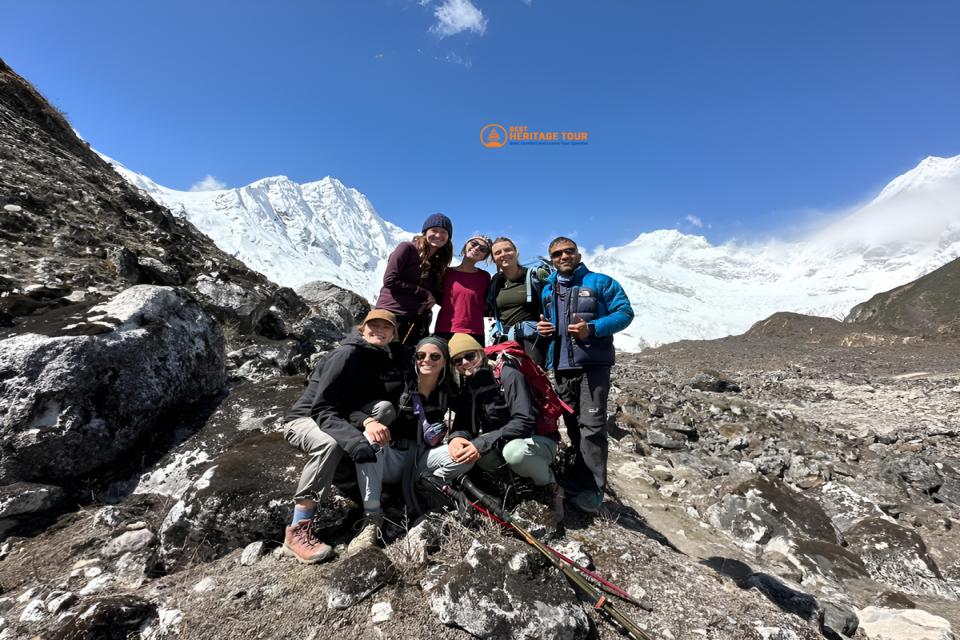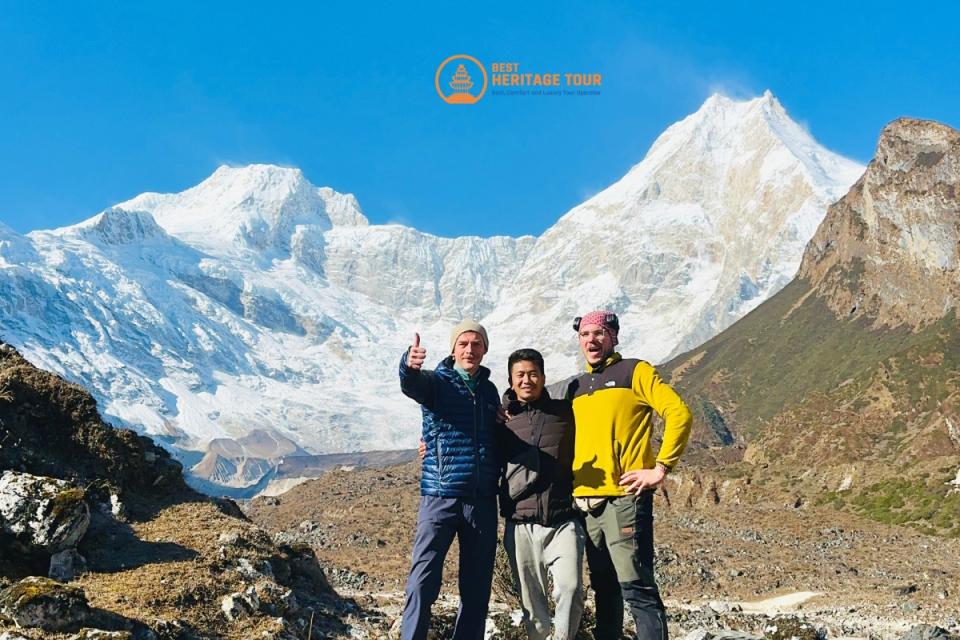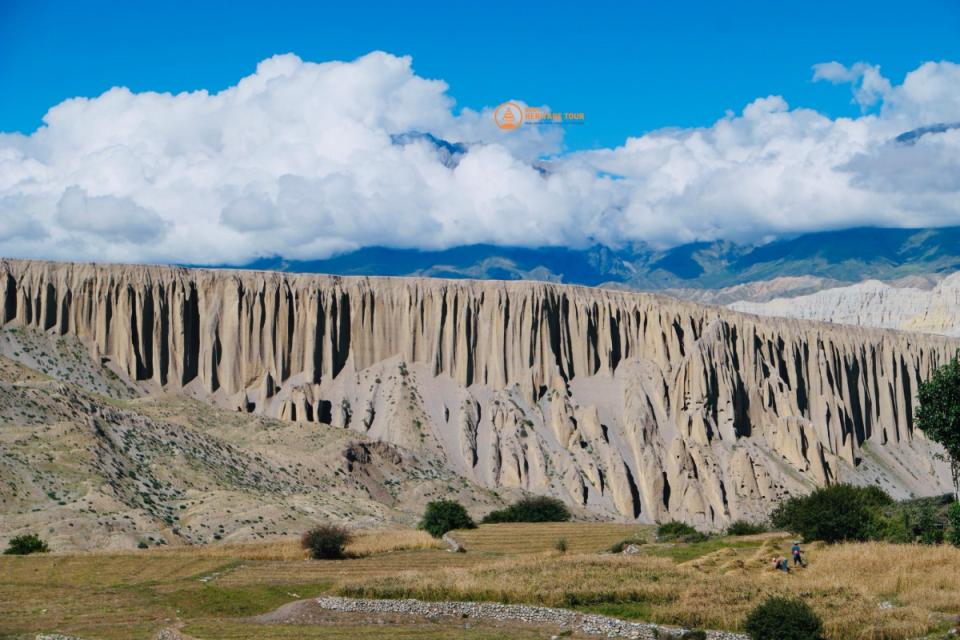
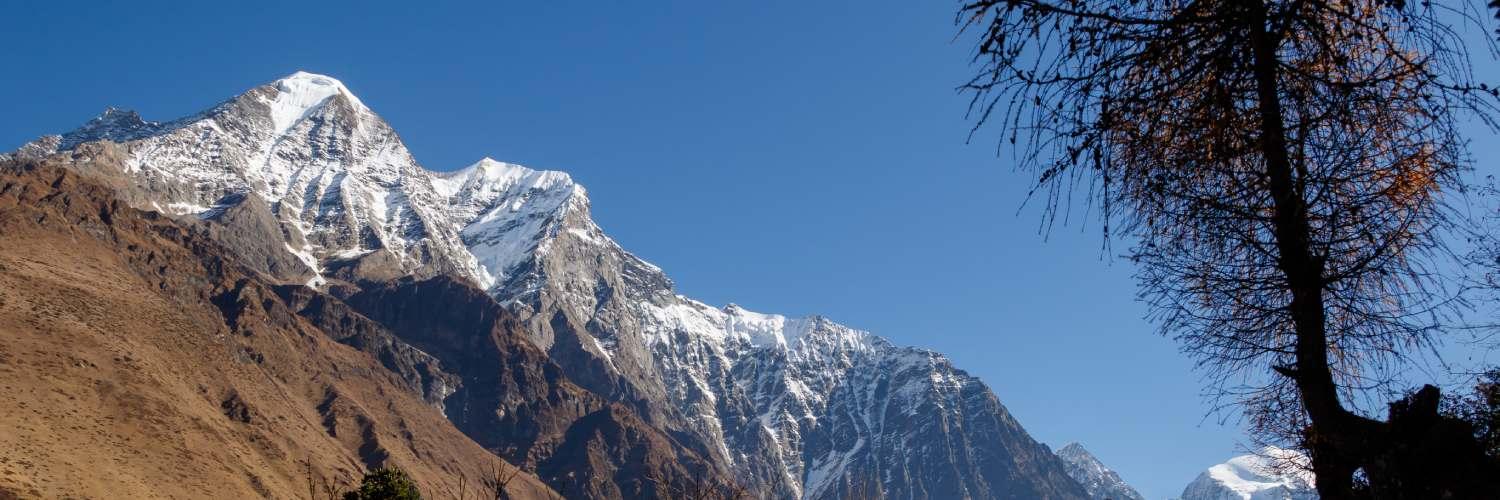
For those who find the trails of Everest too crowded and the Annapurna Circuit a bit too modern, there is a hidden sanctuary that still whispers the old songs of the Himalayas. At Best Heritage Tour, we have spent years navigating the high passes and hidden valleys of Nepal, but if you ask our guides where their hearts truly lie, they will point you toward the "Spirit Mountain."
The Manaslu Circuit Trek is widely considered the best "all-rounder" trek in Nepal. In 2026, it remains the gold standard for trekkers seeking a raw, authentic, and culturally immersive experience. If you are planning to lace up your boots for this 177-kilometer journey, this is your definitive, boots-on-the-ground guide to mastering the Manaslu Circuit Trek in 2026.
Why Manaslu in 2026?
The trekking landscape in Nepal is changing. With road expansions reaching further into the Annapurna and Everest regions, the Manaslu Circuit Trek has emerged as the premier choice for a "teahouse trek" that still feels like a true wilderness expedition.
Since it is located in a restricted area, the government limits the number of visitors, ensuring the trails aren't choked with crowds. In 2026, we are seeing a beautiful balance of improved teahouse facilities (think better beds and even occasional Wi-Fi) without losing the rugged charm of the Budhi Gandaki river valley.
The Logistics: Permits and Regulations
Because the trail brushes against the Tibetan border, you cannot simply show up and start walking. For a successful Manaslu Circuit Trek in 2026, there are three mandatory permits you need. At Best Heritage Tour, we handle all the paperwork, but it’s good for you to know what’s happening behind the scenes:
-
Manaslu Restricted Area Permit (RAP):
-
Autumn (Sept-Nov): $100 USD for the first week + $15 per additional day.
-
Spring/Winter (Dec-Aug): $75 USD for the first week + $10 per additional day.
-
-
Manaslu Conservation Area Permit (MCAP): Approx. $30 USD.
-
Annapurna Conservation Area Permit (ACAP): Approx. $30 USD (required as you exit through Dharapani).
-
Chumnubri Rural Municipality Permit: A local entry fee of approx. $15 USD.
Crucial Note: You cannot trek Manaslu solo. Government regulations require a minimum of two trekkers and a licensed Nepalese guide. This is both for your safety and to preserve the local culture and environment.
Best Time to Trek: Seasonality in 2026
Timing is everything when you are aiming for a 5,106-meter pass.
Autumn (September to November) - The Peak Window
This is, hands down, the best time for the Manaslu Circuit Trek. The post-monsoon air is scrubbed clean, offering razor-sharp views of Manaslu (8,163m). The weather is stable, the trails are dry, and the local festivals like Dashain and Tihar add a layer of cultural magic to the lower villages.
Spring (March to May) - The Floral Bloom
If you enjoy vibrant flora, Spring is your season. The rhododendrons - Nepal’s national flower - turn the forests of Namrung and Lho into a sea of red and pink. The temperatures are milder, and the Larkya La pass is usually clear of the heavy winter snows by mid-April.
The "Off-Season" (Winter and Monsoon)
We generally advise against trekking in January/February due to the closure of the Larkya La pass from heavy snow. Similarly, the June-August monsoon brings leeches and landslide risks in the lower gorges. However, for those seeking total solitude, the "shoulder" weeks in early June or late February can be rewarding if you are well-prepared.
The Journey: A Day-by-Day Flavor
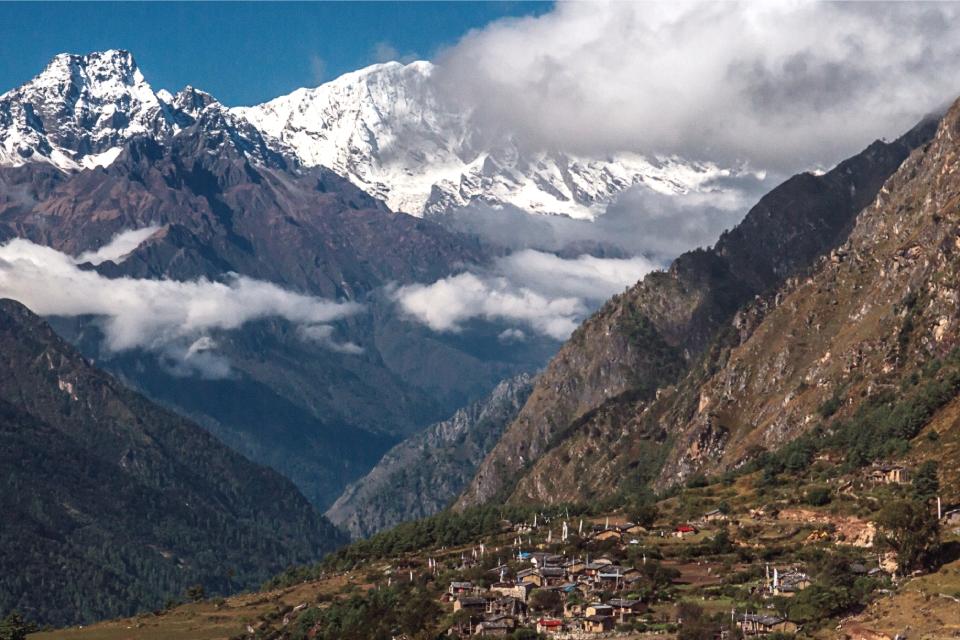
The trek typically spans 12 to 16 days. It isn’t just about the destination; it’s about the dramatic shift in landscape. You start in the lush, sub-tropical heat of Machha Khola (870m) and end in the arctic tundra of the high pass.
-
The Lower Gorges: You’ll follow the emerald waters of the Budhi Gandaki river. Expect cantilever bridges clinging to cliffs and waterfalls that seem to fall from the clouds.
-
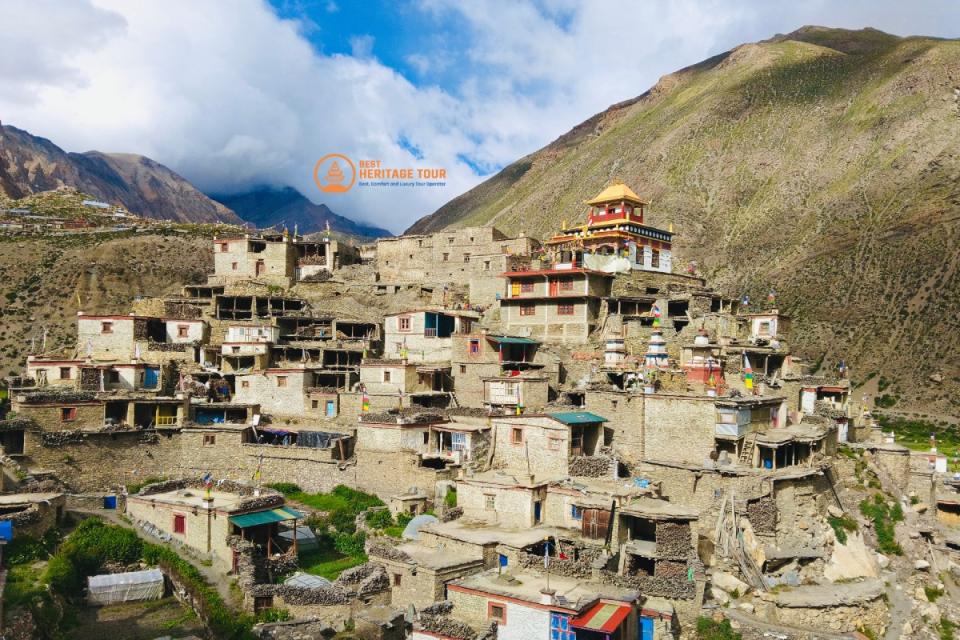
The Tibetan Highlands: As you cross into Namrung and Lho, the culture shifts. Hinduism fades into Tibetan Buddhism. You’ll see ancient Mani walls (prayer-carved stones), colorful Chortens, and the magnificent Ribung Gompa.
-
The Acclimatization Hubs: We always recommend a rest day in Sama Gaon (3,530m). Here, you can hike to Birendra Lake or Manaslu Base Camp. It’s a vital step for your body to adjust before the big push.
The Ultimate Challenge: Crossing Larkya La (5,106m)
This is the "Grand Finale" of the Manaslu Circuit Trek. We usually start the ascent from Dharamsala (Larkya Phedi) at 3:00 or 4:00 AM.
The climb is a test of grit, but as the sun hits the peaks of Himlung Himal, Cheo Himal, and Annapurna II, the physical toll vanishes. The 360-degree panorama from the top of the pass is widely considered one of the most spectacular views in the entire Himalayan range. The descent into Bimthang is long and steep, but the sight of the Ponkar Lake and the massive glaciers makes every step worth it.
Packing Like a Pro for 2026
The key to Manaslu is layering. In 2026, gear has become lighter and more efficient, but the "Big Three" remain the same:
-
Feet First: Bring sturdy, broken-in trekking boots. The terrain is rocky and sometimes icy near the pass. Don't forget high-quality merino wool socks.
-
The Layering System: A moisture-wicking base layer, a warm fleece mid-layer, and a high-quality down jacket rated for -15°C.
-
The Technical Kit: Trekking poles are non-negotiable for the descent from Larkya La. Also, carry a portable power bank - electricity in the upper villages is often solar-powered and can be unreliable in cloudy weather.
Food and Accommodation: What to Expect
While Manaslu is more remote than Everest, the teahouses have come a long way. You can expect a warm bed (though we recommend bringing a -15°C sleeping bag for hygiene and extra warmth) and hearty meals.
The "Trekker’s Fuel" is Dal Bhat (lentils, rice, and vegetable curry). It is organic, locally sourced, and provides the slow-release energy needed for 7-hour walking days. You’ll also find pasta, pancakes, and even "Himalayan Pizza" in larger villages like Samagaun.
Training and Physical Prep
You don't need to be an Olympic athlete, but the Manaslu Circuit Trek is a "Grade 4" (Challenging) trek.
-
Cardio: Start hiking or running 3-4 months before your trip.
-
Strength: Focus on your legs and core.
-
Mental Toughness: The days are long, and the air gets thin. Consistency is better than speed.
Why Choose Best Heritage Tour?
At Best Heritage Tour, we don't just sell itineraries; we share our home. Our guides are locals who grew up in these mountains. They don’t just know the trails; they know the families running the teahouses and the history behind every monastery.
In 2026, we are committed to sustainable trekking. We minimize plastic waste, support local schools, and ensure our porters are the best-equipped in the industry. When you trek with us, you are part of a legacy of responsible exploration.
Final Thoughts
The Manaslu Circuit Trek in 2026 is more than just a hike. It is a journey through time, a physical challenge that reshapes your perspective, and a chance to witness the Himalayas in their most pristine form.
The mountains are calling. Are you ready to answer?
Phone / WhatsApp / Viber: +977-9851149197 / +977-9810043046
Email: info@bestheritagetour.com / bestheritagetour@gmail.com
Website: www.bestheritagetour.com
Office: Thamel Marg, Kathmandu, Nepal
Author: Best Heritage Tour
Date: 9th January, 2026