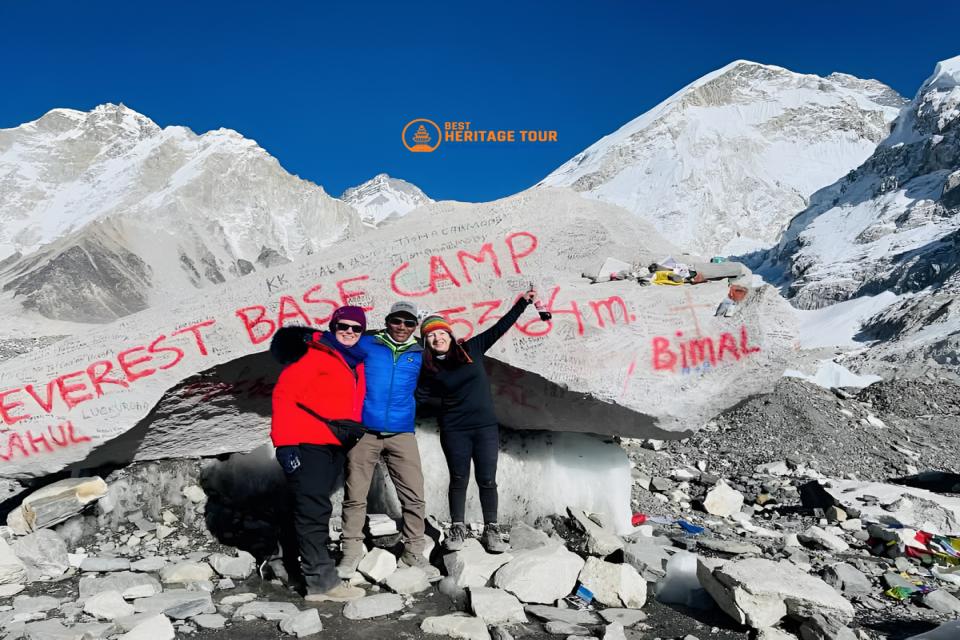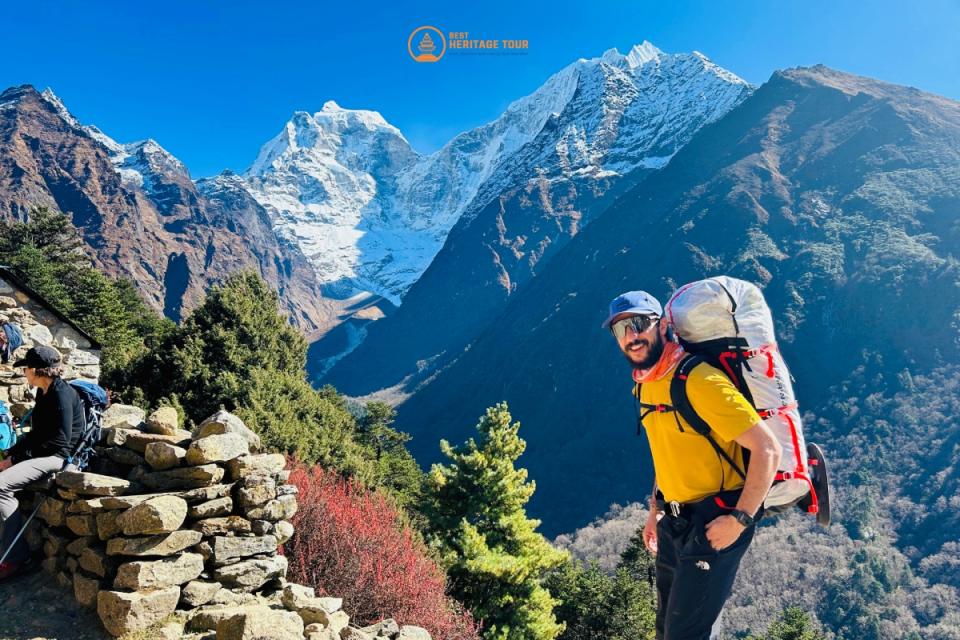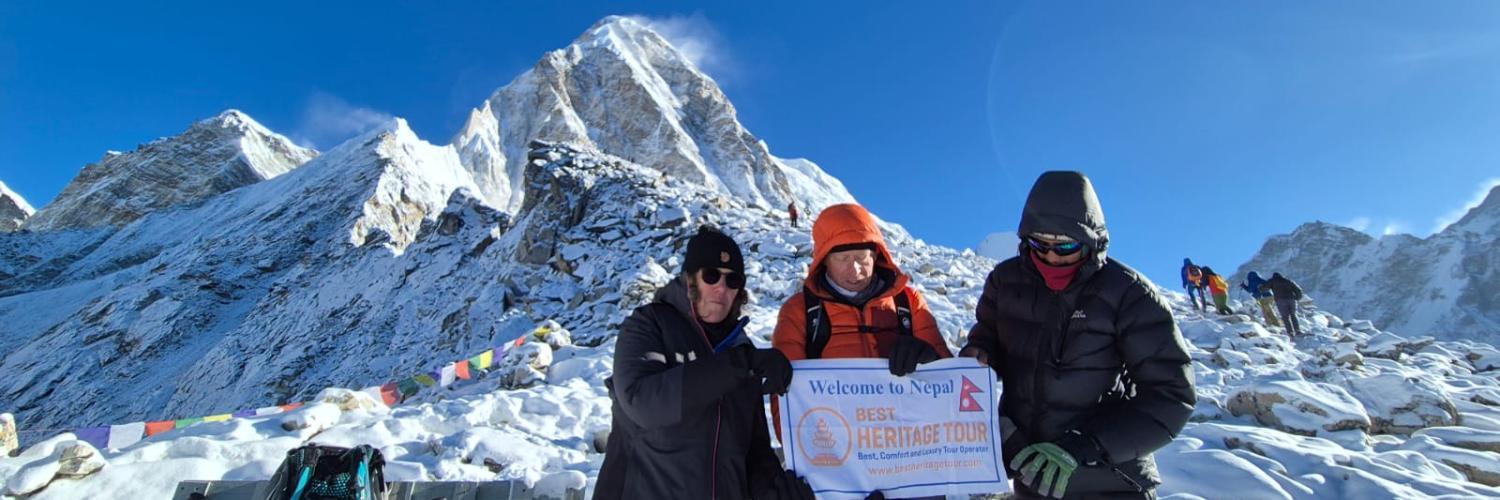
Trekking to the foot of the world’s highest peak is an ambition shared by adventurers globally. However, the traditional route through the Khumbu region often implies shared teahouses, freezing nights, and unpredictable commercial flights. For discerning travelers, a compelling alternative has emerged: the super luxurious EBC trek.
When a premium itinerary costs significantly more than a standard alpine trek, a fundamental question arises: is the upgrade truly worth your investment?
As local travel expert - Best Heritage Tour who guides hundreds of adventurers through the Sagarmatha National Park every season, we believe the answer lies in understanding what you are actually paying for. It is not about changing the mountain; it is about completely transforming how your body and mind experience the journey.
The Reality of a Standard EBC Trek vs. The Premium Experience
To evaluate the value of a high-end Himalayan journey, it helps to understand the baseline conditions of the route. The trail to 5,364 meters is physically demanding. In standard teahouses, rooms are typically unheated with thin wooden walls, bathrooms are shared down the hall, and hot water is a premium luxury charged hourly.
A super luxurious EBC trek addresses these physical vulnerabilities directly. By replacing basic amenities with structural comfort, the itinerary actively shifts the focus from basic survival to true mountain immersion.
1. Elevated Comfort in Premium Mountain Lodges
Instead of standard plywood rooms, a luxury itinerary uses luxurious hotels.
-
Heated En-Suite Rooms: After walking for six hours in sub-zero temperatures, returning to a room with electric blankets, insulated walls, and an attached private bathroom with a flushing toilet is a massive advantage.
-
Hot Showers on Demand: Standard treks charge roughly $5 per hot shower, which often consists of a lukewarm bucket. Luxury lodges provide reliable, hot running water integrated directly into your private suite.
-
Restful Sleep Systems: The quality of your recovery directly impacts your acclimatization success. Sleeping on proper mattresses with premium down quilts ensures your body repairs itself efficiently each night.
2. Gourmet Alpine Dining and Nutrition
High-altitude trekking burns thousands of calories daily. Standard teahouse menus rely heavily on high-carbohydrate, basic staples like noodles, potatoes, and plain rice.
Our luxury itineraries introduce a diverse culinary standard. Dinners are multi-course meals featuring fresh ingredients flown in or sourced locally, ranging from properly prepared organic continental cuisine to nutritious local Sherpa specialties. More importantly, guarantee strict hygienic food preparation, substantially reducing the risk of altitude-related gastrointestinal issues that frequently cut standard treks short.
Logistical Architecture: Why the Price tag is Justified
A significant portion of a premium budget goes toward complex, high-altitude logistics designed to save time, maximize safety, and eliminate the frustrations of remote travel.
1. Bypassing the Ramechhap Drive via Private Helicopter
During the peak spring (March-May) and autumn (October-November) seasons, standard commercial flights to Lukla are frequently rerouted to Manthali Airport in Ramechhap. This forces standard travelers into a bumpy, 4-to-5-hour midnight drive from Kathmandu before they even board a plane.
With our premium packages, we bypass this friction entirely:
-
Direct Helicopter Transits: You board a private helicopter direct from Tribhuvan International Airport in Kathmandu, landing in Lukla within 35 scenic minutes.
-
Flexible Weather Windows: Helicopters operate under broader weather parameters than small twin-otter planes, significantly minimizing the multi-day flight delays that plague standard commercial passengers.
2. The Strategic Helicopter Fly-Out
Walking back down from Base Camp takes 3 to 4 days of repetitive descent over the same terrain. A luxury package often concludes with a private helicopter pickup directly from Gorak Shep (5,164m) or Lobuche (4,940m) after you reach your goal.
This saves you days of knee-jarring descent, reduces physical exhaustion, and provides an spectacular aerial tour over the Khumbu Glacier, Ama Dablam, and the entire Everest valley before returning you to a 5-star hotel in Kathmandu for dinner.
Safety, Support, and Health Multipliers
The true value of a premium trek often reveals itself in high-altitude safety metrics. At elevations above 4,000 meters, minor health oversights can escalate rapidly.
|
Feature |
Standard Teahouse Trek |
Super Luxurious EBC Trek |
|---|---|---|
|
Kathmandu Lodging |
3-star tourist hotel |
5-star premium luxury hotel |
|
Trail Transport |
Commercial plane (often via Ramechhap) |
Private helicopter from Kathmandu & heli fly-out |
|
Staff Ratio |
1 Guide for large groups; 1 porter per 2 clients |
1 Lead Guide + 1 Assistant Guide per 3 clients; lower porter weight ratios |
|
Medical Backup |
Basic first-aid kit carried by guide |
Comprehensive oxygen systems, pulse oximeters, satellite communication |
|
Room Amenities |
Shared cold bathrooms, unheated rooms |
Private attached bathrooms, electric blankets, insulated walls |
Conclusion: Is it Worth It?
If you view travel purely through the lens of minimalism and rugged endurance, a standard teahouse trek remains an iconic, time-tested achievement.
However, if you value time efficiency, physical well-being, personal safety, and structural comfort, the upgrade is absolutely worth it. The premium features directly mitigate the harshest elements of the Himalayas, allowing you to experience the world’s most magnificent landscapes without compromising your health or comfort.
Plan Your Elite Himalayan Journey
We specialize in designing bespoke, highly secure, and deeply immersive mountain expeditions. We handle every complex logistical detail - from five-star base check-ins and private helicopter charting to securing the finest en-suite mountain lodges in the Khumbu - so you can focus entirely on the majesty of Mount Everest.
Contact Best Heritage Tour
Phone / WhatsApp / Viber: +977-9851149197 / +977-9810043046
Email: info@bestheritagetour.com / bestheritagetour@gmail.com
Website: www.bestheritagetour.com
Office: Thamel Marg, Kathmandu, Nepal
Frequently Asked Questions
Do I still need to be physically fit for a luxury EBC trek?
Yes. While the luxury lodge network and helicopter transfers reduce physical wear, you will still walk between 5 to 7 hours daily over rocky, steep, and uneven terrain at high altitudes. A solid cardiovascular fitness routine prior to arrival is highly recommended.
How does the luxury EBC trek improve altitude acclimatization?
Our premium itineraries feature built-in rest days at critical elevations like Namche Bazaar (3,440m) and Dingboche (4,410m). Combined with better sleep in heated rooms, superior nutrition, and lower physical stress from carrying heavy gear, your body retains significantly more energy to adapt naturally to the thinning air.
What is the best time of year to book a luxury Everest trek?
The premier windows are spring (March to May) when wildflowers blossom and expedition teams fill Base Camp, and autumn (October to November) when the mountain air is crystal clear, offering pristine photography conditions.
Author: Best Heritage Tour
Date: 10th July, 2026