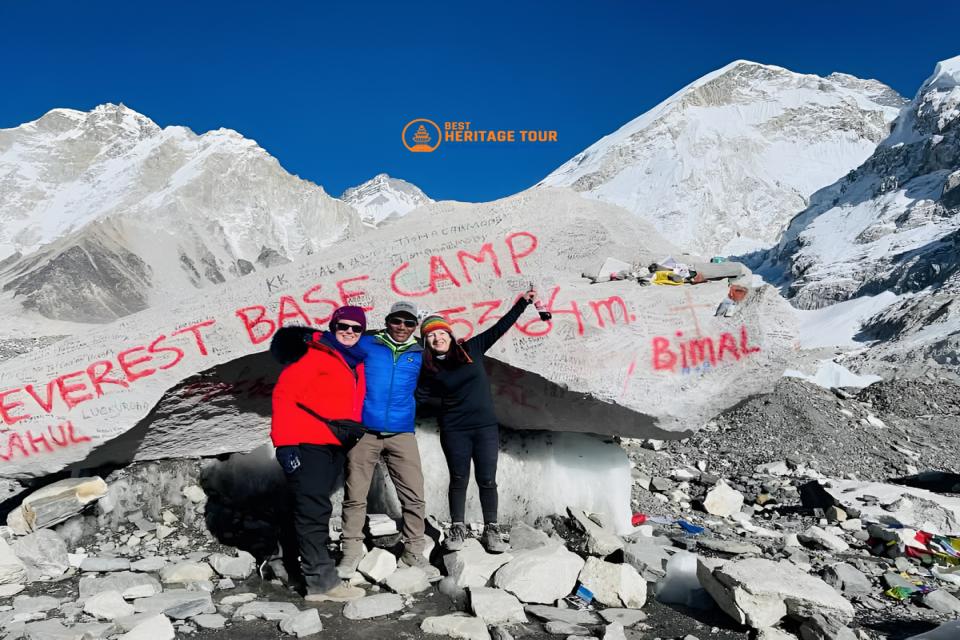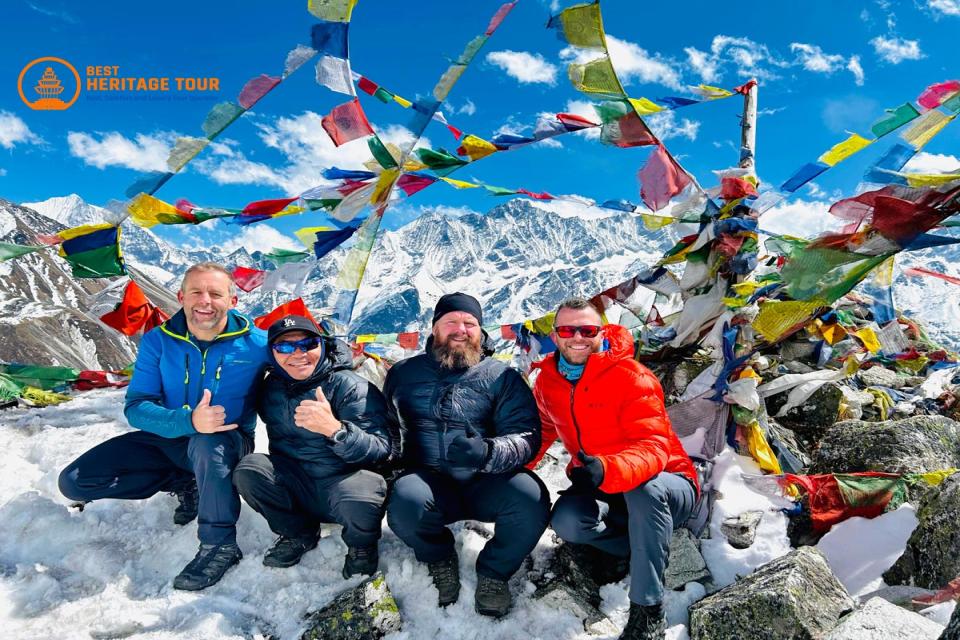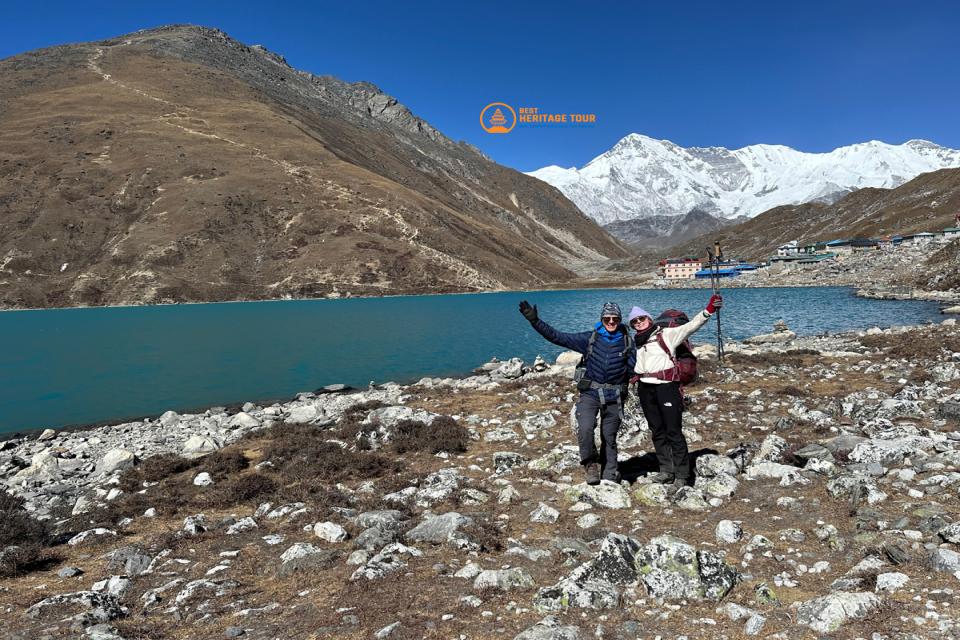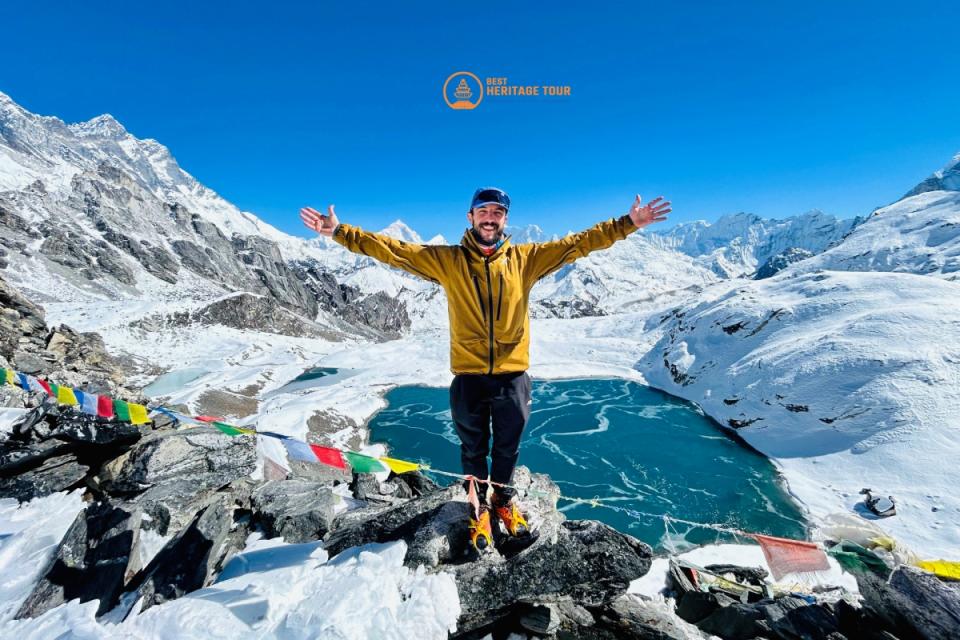
Choosing your next Himalayan adventure is an exhilarating crossroad. For global trekkers, travelers, and tourists aiming to experience the raw grandeur of Nepal, two iconic routes consistently dominate the conversation: the legendary Everest Base Camp (EBC) Trek and the pristine, closer-to-home Langtang Valley Trek.
Both of these journeys showcase the unmatched beauty of the Himalayas, yet they offer completely different experiences. One is a world-famous pilgrimage to the footprint of the world's highest peak, while the other is an intimate escape through quiet alpine valleys, dense rhododendron forests, and deeply authentic cultural landscapes.
At Best Heritage Tour, we have guided thousands of international adventurers through Nepal's high-altitude trails. We know that "the best trek" isn't a single universal destination - it is the one that perfectly aligns with your time, fitness level, budget, and personal travel goals.
In this comprehensive, data-driven guide, we break down the definitive differences between the Langtang Valley Trek and the Everest Base Camp Trek to help you choose your ideal Himalayan expedition.
The Core Breakdown: Quick Comparison at a Glance
Before we dive deep into the cultural nuances, trail terrains, and logistical details, let's look at the foundational metrics of both routes. This comparative snapshot highlights how each trek functions on a practical level.
|
Feature |
Langtang Valley Trek |
Everest Base Camp (EBC) Trek |
|---|---|---|
|
Primary Region |
Langtang National Park (Rasua District) |
Sagarmatha National Park (Khumbu Region) |
|
Standard Duration |
7 to 10 Days |
12 to 14 Days |
|
Maximum Elevation |
3,870 m (Kyanjin Gompa) / 4,984 m (Tsergo Ri) |
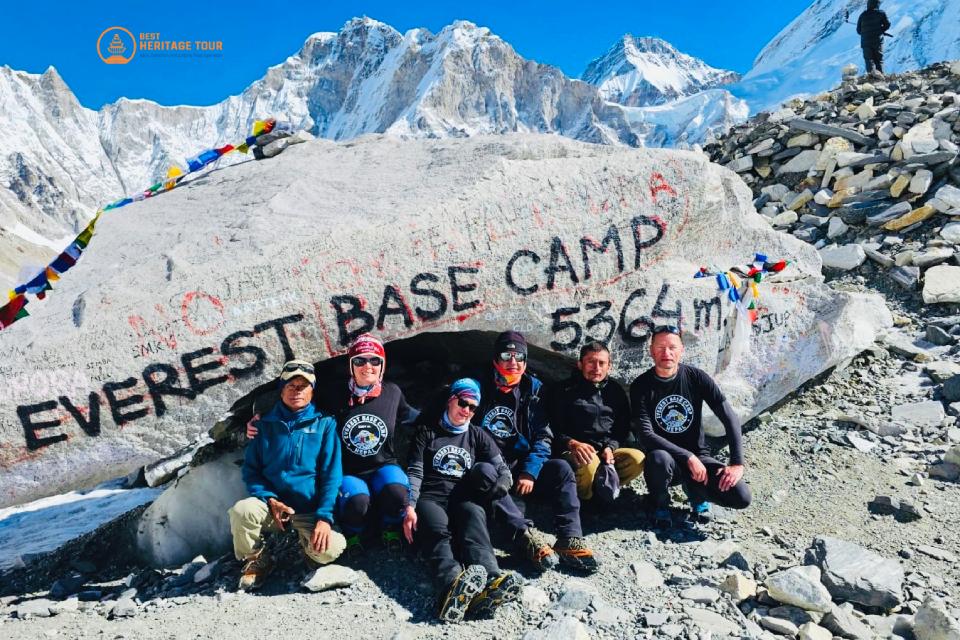
5,364 m (Base Camp) / 5,545 m (Kala Patthar) |
|
Starting Point |
Syabrubesi (Drive from Kathmandu) |
Lukla (Flight from Kathmandu/Ramechhap) |
|
Difficulty Level |
Moderate |
Moderate to Challenging |
|
Crowd Density |
Low to Moderate (Peaceful) |
High (Vibrant and Busy) |
|
Primary Culture |
Tamang and Tibetan Buddhism |
Sherpa and Tibetan Buddhism |
|
Permits Required |
TIMS Card, Langtang National Park Permit |
Khumbu Rural Municipality Permit, Sagarmatha Permit |
Accessibility and Transportation: The Logistics of Reaching the Trailhead
The way your trek begins sets the tone for your entire journey. The accessibility of the trailhead is one of the starkest operational contrasts between Langtang and the Khumbu region.
Langtang Valley: An Overland Himalayan Escape
The Langtang Valley Trek is the closest major Himalayan trekking destination to Kathmandu, sitting roughly 110 kilometers north of the capital. Reaching the trailhead requires no domestic flights, making it completely immune to the flight cancellations that can occur due to mountain weather.
Your journey starts with a scenic, 7-to-8-hour overland drive from Kathmandu to the gateway town of Syabrubesi (1,550 m). The drive winds along the Trishuli River, passing through sub-tropical valleys, terraced farms of maize and millet, and bustling local towns like Dunche. This driving approach is budget-friendly, highly reliable, and provides a fascinating ground-level view of rural Nepal.
Everest Base Camp: The Legendary Flight to Lukla
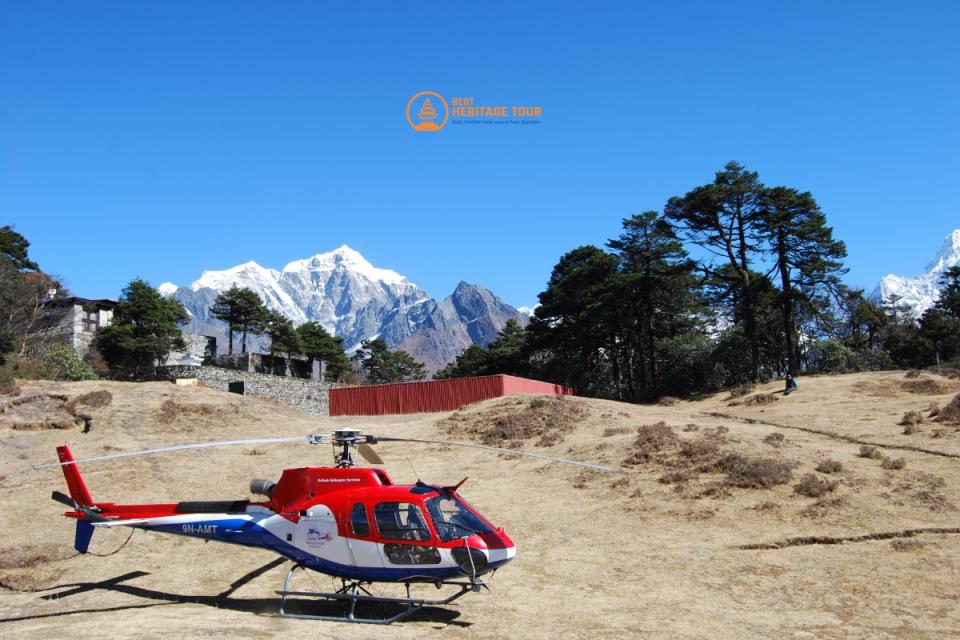
The Everest Base Camp Trek begins with a thrilling, unforgettable entry into the Khumbu region. Trekkers take a 35-minute domestic flight from Kathmandu (or from Manthali/Ramechhap airport during peak seasons to avoid air traffic) to the famous Tenzing-Hillary Airport in Lukla (2,860 m).
Perched on a sheer mountain shelf with a short, sloping runway, flying into Lukla is an adventure in its own right. However, this flight introduces a logistical variable: mountain weather. Fog, high winds, and shifting clouds can delay or suspend Lukla flights for hours or days. While the aerial views of the snow-capped Himalayan chain are spectacular, EBC trekkers must always build a buffer day or two into their travel schedules to account for these weather dependencies.
Landscape, Scenery, and Trail Terrain: What Will You See?
While both treks provide views of dramatic snow-capped peaks, their topographical layouts and visual pacing are fundamentally distinct.
Langtang Terrain Profile:
Syabrubesi: 1,550m ➔ Dense Bamboo & Oak Forests ➔ Glacial U-Shaped Valley ➔ Kyanjin Gompa Alpine Meadows: 3,870m
Everest Terrain Profile:
Lukla: 2,860m ➔ Deep Dudh Koshi River Gorges ➔ Namche Alpine Ridge Runs ➔ Arid High-Altitude Alpine Desert: >4,000m
The Visual Journey of Langtang Valley
Langtang is often called the "Valley of Glaciers." The trail follows an out-and-back route along the rushing Langtang Khola (River), taking you through an astonishing sequence of climate zones in just 48 hours.
You begin in lush, sub-tropical forests alive with bamboo groves, oak trees, and cascading waterfalls. As you climb past Lama Hotel (2,470 m) and reach Ghodatabela (3,030 m), the dense canopy opens up dramatically into a wide, classic U-shaped glacial valley. Here, the landscape transforms into wide alpine meadows flanked by sheer rock walls and massive ice falls.
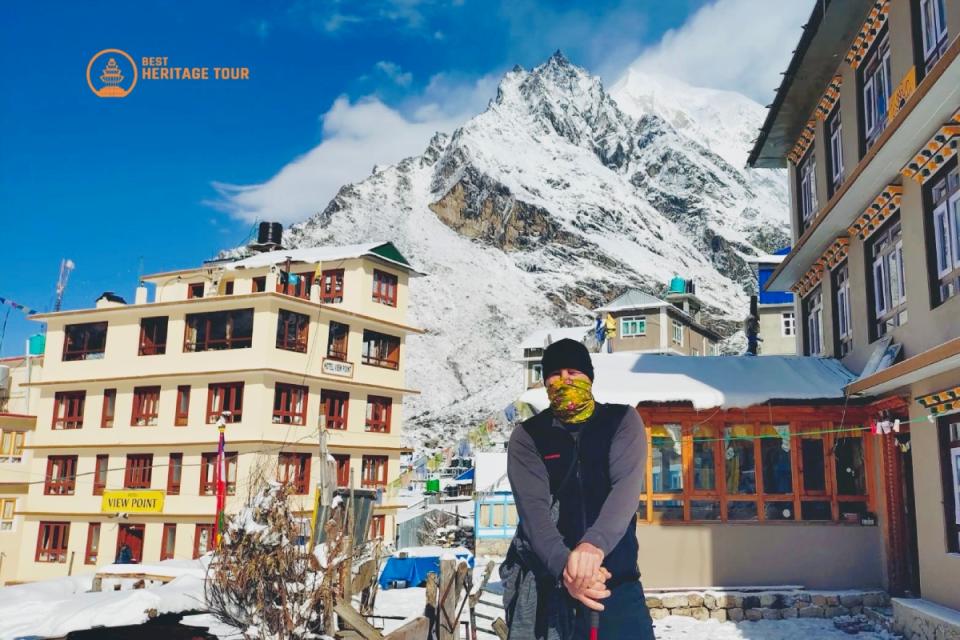
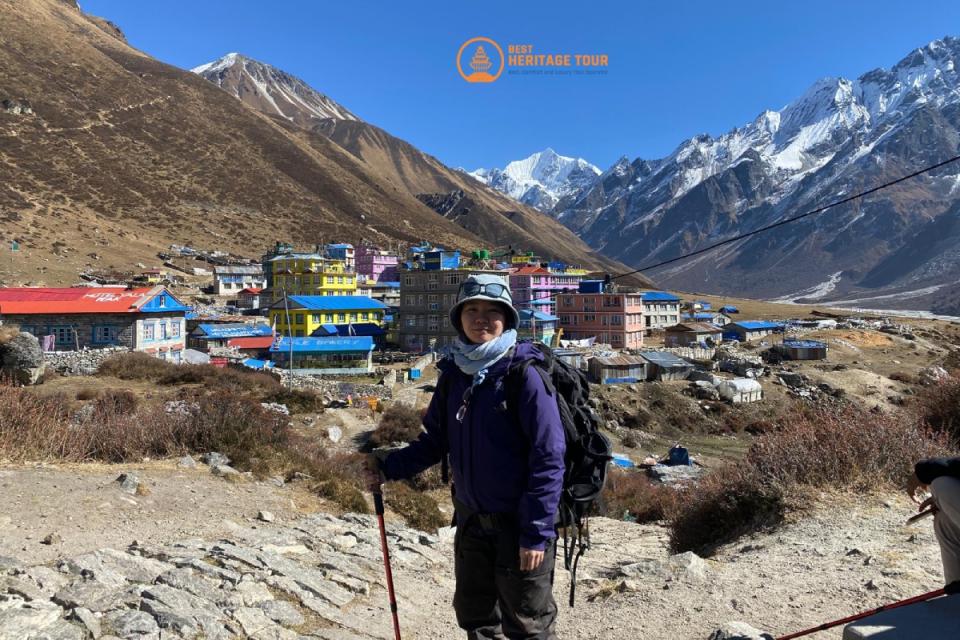
The ultimate visual reward waits at Kyanjin Gompa (3,870 m). Surrounded by a natural amphitheater of peaks like Langtang Lirung (7,227 m), Dorje Lakpa (6,966 m), and Gangchempo (6,387 m), you look out over sprawling lateral moraines and cracked blue glaciers that feel close enough to touch.
The Visual Grandeur of Everest Base Camp
The Khumbu region is an exercise in scale. From the moment you step off the plane in Lukla, you are walking through deep gorges cut by the roaring Dudh Koshi River, crossing high suspension bridges (including the iconic, prayer-flag-draped Hillary Suspension Bridge) that hang high above the canyon floors.
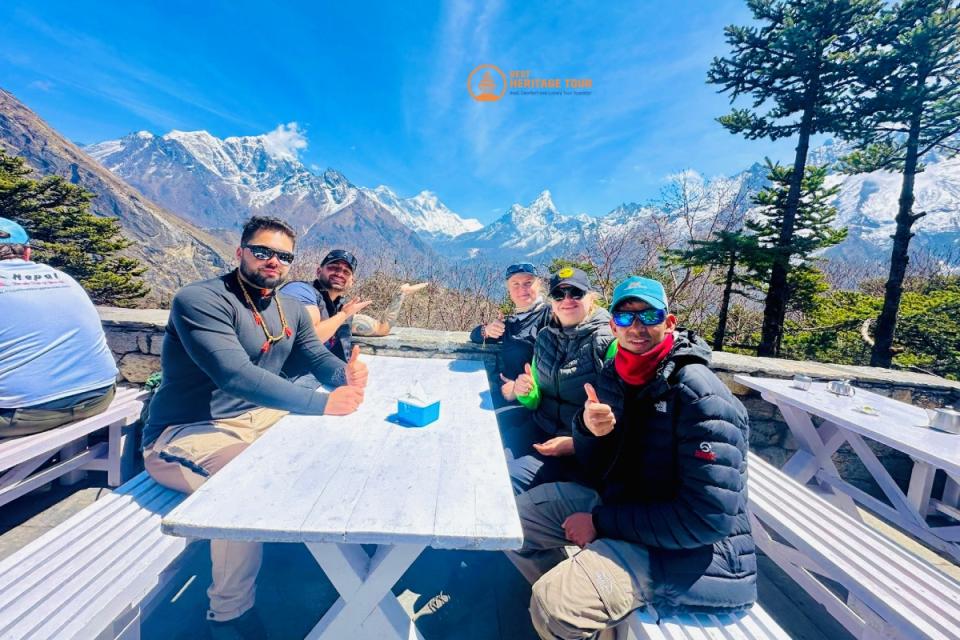
As you make the steep climb to the Sherpa capital of Namche Bazaar (3,440 m), the valley drops away to reveal broad ridge walks with wide views of Ama Dablam (6,812 m), Lhotse (8,516 m), and Mount Everest itself.
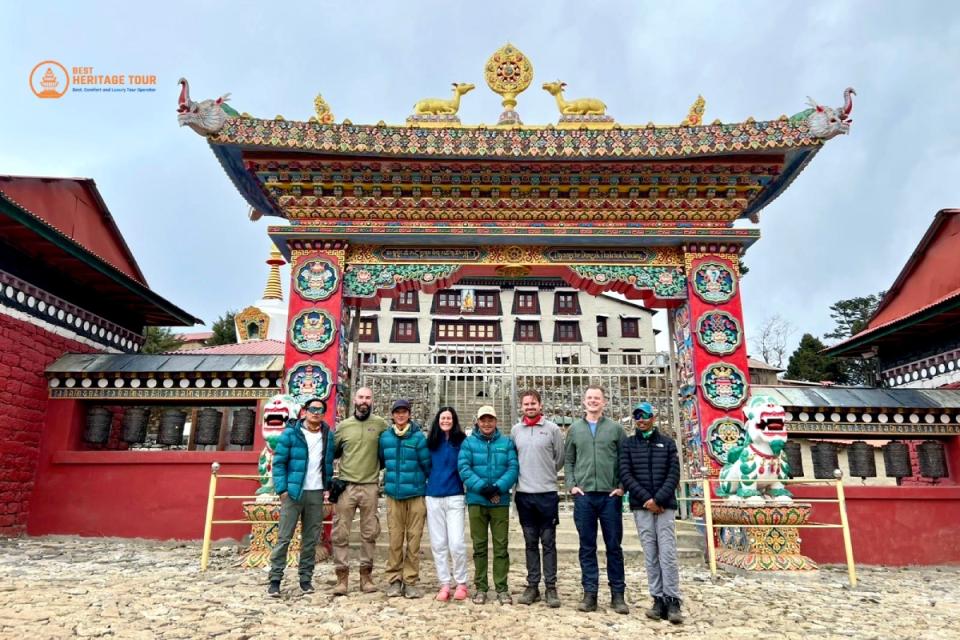
Beyond Namche and the famous Tengboche Monastery (3,867 m), the treeline vanishes completely. The terrain shifts into a stark, high-altitude alpine desert. Walking from Lobuche to Gorak Shep (5,140 m) feels like stepping onto another planet - a barren landscape of rock, scree, and ice bordering the Khumbu Glacier.
The view from the summit of Kala Patthar (5,545 m) looks directly down onto Everest Base Camp and across to the glowing black pyramid of the world's tallest peak.
Cultural Immersion: Sherpa Culture vs. Tamang Traditions
Trekking in Nepal is as much a cultural journey as a physical one. Both regions offer deep spiritual encounters, shaped by centuries of isolated mountain living.
The Tamang Heritage of Langtang
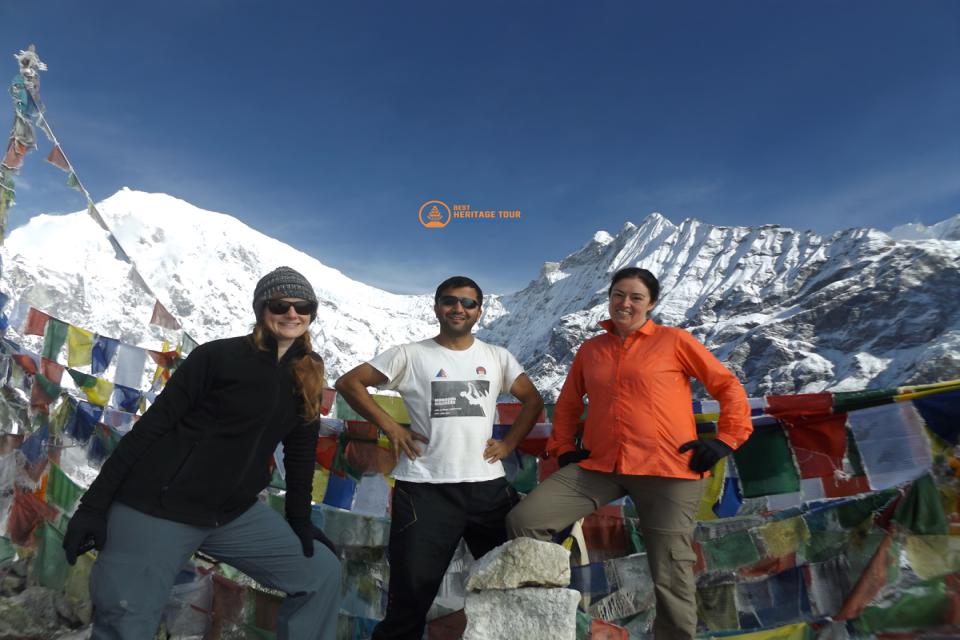
The Langtang region is the ancestral home of the Tamang community. Their culture is closely tied to Tibetan Buddhism, which is visible in the ancient mani walls (stone tablets carved with Buddhist mantras), white chortens, and colorful prayer flags lining the paths.
Because Langtang sees fewer commercial crowds, your interactions with local lodge owners, yak herders, and artisans feel deeply personal and authentic. At Kyanjin Gompa, you can visit the local yak cheese factory to taste fresh, artisanal Himalayan cheese made using traditional methods.
Trekking here also offers a moving look at local resilience; the community has beautifully rebuilt their villages and teahouses following the tragic 2015 earthquake, welcoming travelers with genuine, open hospitality.
The Legendary Sherpas of Khumbu
The Everest region is the heartland of the Sherpa people, world-renowned for their high-altitude climbing prowess and deep Buddhist faith. The trail functions as a living museum of mountaineering history.
You will walk past long rows of spinning prayer wheels, ancient monasteries like Tengboche - the spiritual center of the Khumbu - and monuments dedicated to fallen climbers. The towns along the way, especially Namche Bazaar, are remarkably well-developed. Here, you'll find modern bakeries, cafes, and Irish pubs operating alongside traditional stone houses, offering a unique blend of modern comfort and deep-rooted mountain culture.
Difficulty, Elevation, and Altitude Sickness: A Crucial Safety Factor
Understanding the physical demands and altitude profiles of these routes is essential for a safe and rewarding experience.
Altitude Sickness (AMS) risks increase significantly above 3,500 meters.
Always monitor your body's response to changing elevations.
Physical Demands of Langtang Valley
The Langtang Valley Trek is classified as moderate, making it an excellent option for active beginners, families, and seasoned trekkers seeking a shorter, less exhausting journey.
-
Gradual Elevation Gain: The trail climbs steadily along the river valley, giving your body an excellent opportunity to adjust.
-
Lower Sleeping Altitude: You spend your highest nights at Kyanjin Gompa (3,870 m), which keeps the risk of Acute Mountain Sickness (AMS) relatively low.
-
Optional High Viewpoints: For those wanting a challenge, you can tackle steep day-hikes from Kyanjin Gompa to Kyanjin Ri (4,773 m) or the strenuous Tsergo Ri summit (4,984 m). These side trips offer peak-style views without requiring you to sleep at those extreme heights.
Physical Demands of Everest Base Camp
The Everest Base Camp Trek is a moderate to challenging expedition that requires a solid level of cardiovascular fitness and mental endurance.
-
Sustained High Altitude: You spend multiple consecutive days walking and sleeping above 4,000 m, culminating in a sleep at Gorak Shep (5,140 m).
-
Thin Air: At these elevations, atmospheric oxygen drops significantly, making every step require double the effort.
-
Rigid Acclimatization Schedules: To ensure safety, a proper itinerary must include mandatory acclimatization rest days at Namche Bazaar (3,440 m) and Dingboche (4,260 m). Trekkers need to train ahead of time, focusing on leg strength and cardiovascular stamina to comfortably handle the 5-to-7 hours of daily walking over rocky, uneven mountain terrain.
Tea Houses and Infrastructure: Comfort on the Trail
The standard of accommodation and amenities along the trails reflects the level of commercial development in each region.
Accommodation in Langtang
Langtang offers a cozy, rustic, and traditional teahouse experience.
-
Rooms: Standard accommodation consists of clean, comfortable twin-sharing rooms with wooden walls and shared bathroom facilities. Some newer lodges in Syabrubesi and Kyanjin Gompa provide private attached bathrooms.
-
Amenities: Hot showers (usually gas or solar-powered), device charging, and Wi-Fi are readily available for a small additional daily fee (typically around 3 to 6 USD).
-
Dining: Menus offer a delicious range of fresh, locally sourced food, featuring classic Dal Bhat (lentil soup, rice, and vegetable curry), momos, noodles, porridge, and fresh baked goods.
Accommodation on the Everest Trail
As one of the world's premier trekking routes, the EBC trail features some of the best infrastructure found in the Himalayas.
-
Diverse Options: Accommodations range from basic, unheated wooden rooms in the higher villages to luxury mountain lodges in Namche and Lukla that offer heated blankets, electric blankets, and attached flush toilets.
-
Connectivity: The region is well-connected by local communication networks like Air Link and Everest Link, providing reliable high-speed Wi-Fi throughout the route for a set internet card fee.
-
Menus: Dining options are extensive, offering everything from traditional sherpa stews to pizzas, pastas, and espresso bars. Note that prices rise steadily the higher you climb, as all supplies must be flown into Lukla and carried up by porters or yaks.
Cost and Budget Considerations
Your overall travel budget is often a practical deciding factor when choosing between these two classic routes.
-
Langtang Valley Trek (More Budget-Friendly): Because it uses land transportation instead of domestic flights, Langtang is highly cost-effective. Permit fees are lower, and the cost of food, hot showers, and accommodation remains stable and affordable throughout the shorter itinerary.
-
Everest Base Camp Trek (Premium Investment): The EBC trek requires a higher financial investment. The round-trip domestic flights to Lukla add a set cost right from the start. Additionally, the mandatory local municipality permits, coupled with the increased cost of food and lodging at high elevations (where supplies must be transported by porters, mules, or helicopters), make the overall journey more expensive.
Final Verdict: Which Trek Should You Choose?
Both paths offer an extraordinary encounter with the grandeur of the Himalayas. The best choice ultimately depends on your personal travel priorities:
Choose the Langtang Valley Trek if:
-
You have limited time (7 to 10 days) and want to experience high alpine scenery quickly.
-
You want to avoid the logisitical variables and costs of domestic mountain flights.
-
You prefer quieter, uncrowded trails where you can connect personally with local culture.
-
You are looking for a moderate physical challenge with a lower risk of altitude sickness.
Choose the Everest Base Camp Trek if:
-
You want to stand at the base of the world's highest mountain and check a legendary destination off your bucket list.
-
You have 12 to 14 days available and are eager to challenge yourself on a demanding, high-altitude journey.
-
You enjoy a vibrant trail environment, meeting fellow adventurers from all over the world.
-
You want to experience the deep history of Sherpa mountaineering culture and enjoy a well-developed teahouse infrastructure.
Plan Your Dream Himalayan Adventure with Best Heritage Tour
No matter which trail calls to you, embarking on a high-altitude trek in Nepal requires expert logistics, experienced guiding, and a deep commitment to safety.
At Best Heritage Tour, we specialize in crafting fully customized, seamless itineraries for both the Langtang Valley Trek and the Everest Base Camp Trek. Our licensed local guides, comprehensive safety setups, and curated teahouse partnerships ensure you can focus entirely on the breathtaking journey around you.
Let our team take care of every detail, from permits and transport to acclimatization safety. Contact Best Heritage Tour today to start planning your perfect Himalayan trek!
Phone / WhatsApp / Viber: +977-9851149197 / +977-9810043046
Email: info@bestheritagetour.com / bestheritagetour@gmail.com
Website: www.bestheritagetour.com
Office: Thamel Marg, Kathmandu, Nepal
Author: Best Heritage Tour
Date: 15th June, 2026