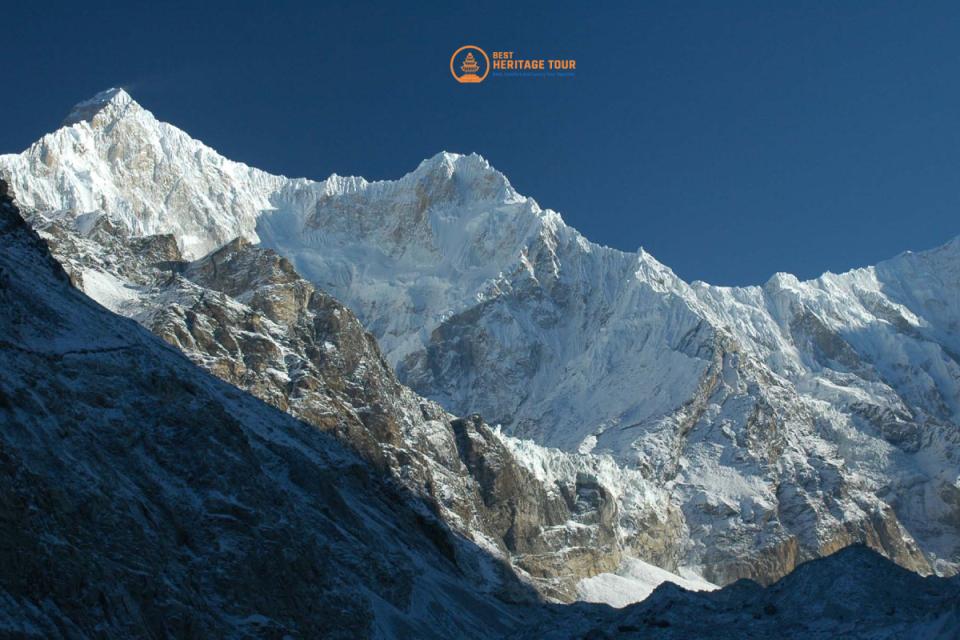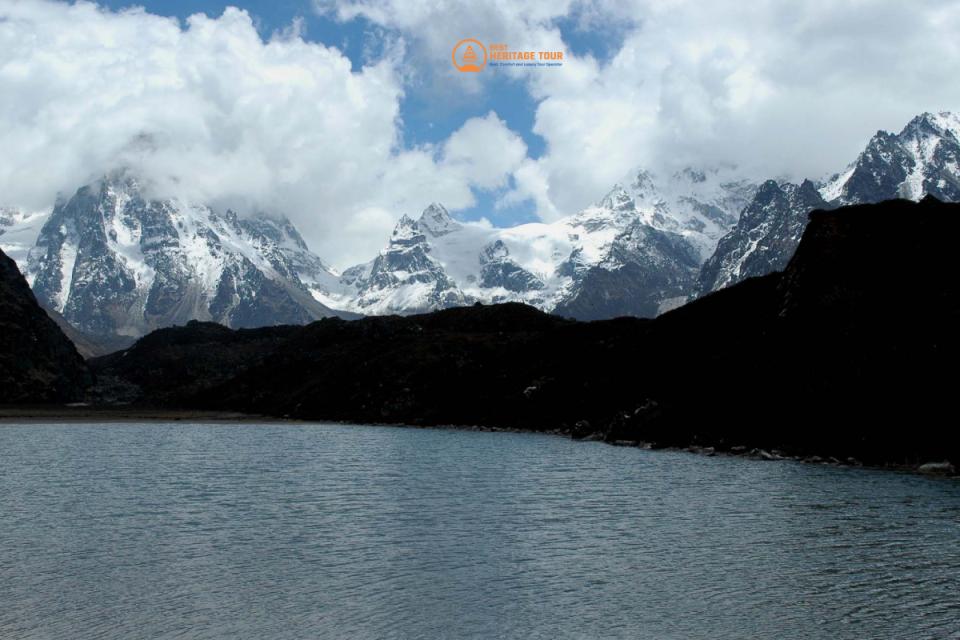
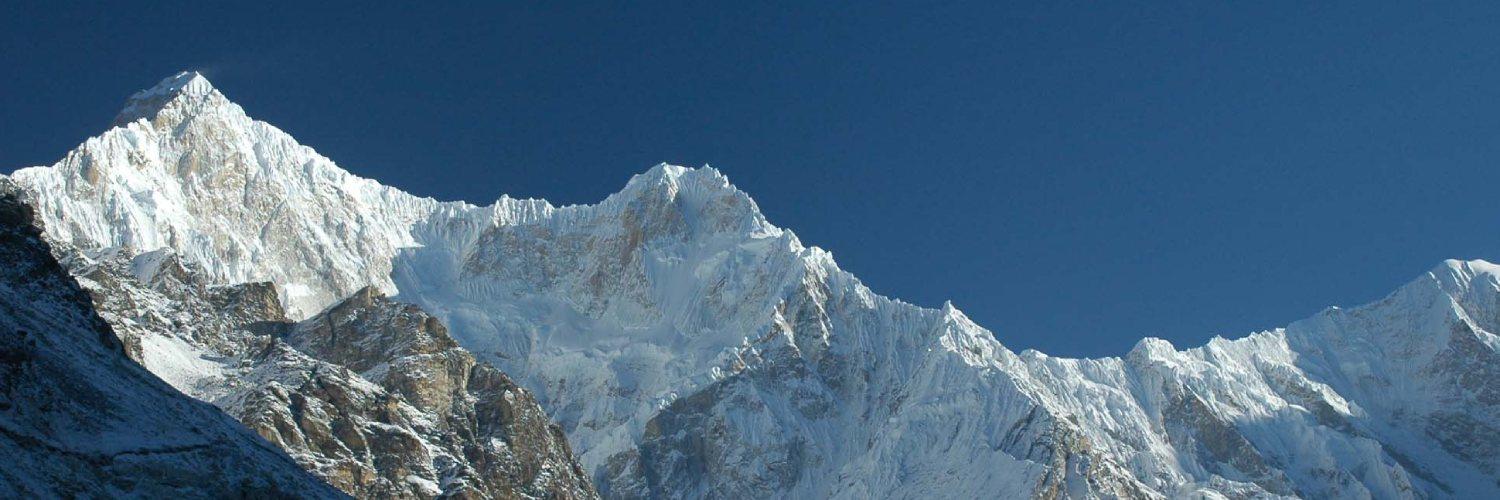
As the commercial trails of the Annapurna region and Everest Base Camp grow more crowded each passing year, true adventurers are shifting their gaze eastward. Tucked away in the remote northeastern corner of Nepal, bordering Sikkim and Tibet, lies a landscape untouched by mass commercialization: the mighty Kanchenjunga massif. Standing at 8,586 meters, Mount Kanchenjunga is the third-highest peak on Earth, and its surrounding valleys offer one of the final remaining bastions of pure, unadulterated Himalayan exploration.
We at Best Heritage Tour have spent decades guiding travelers through the ancient cities and untamed wilderness of Nepal. From our perspective as local experts, we can confidently state that planning a Kanchenjunga Circuit Trek in 2027 is the premier choice for seasoned trekkers seeking a profound, soulful connection with nature, challenging terrain, and authentic, preserved indigenous cultures.
In this definitive Kanchenjunga Circuit Trek Guide 2027, we pull back the curtain on everything you need to know to execute this legendary journey - from shifting permit logistics and daily trail breakdowns to training regimens and seasonal insights.
Why Trek to Kanchenjunga Circuit in 2027?
If you are asking yourself, "Why trek to Kanchenjunga Base Camp in 2027?", the answer lies in the shifting landscape of global adventure travel. Modern tourism has fundamentally altered many of Nepal's classic routes. Teahouses on mainstream circuits now feature Wi-Fi hubs, barista coffees, and crowded dining rooms. While convenient, the raw romance of the Himalayas can sometimes feel lost.
The Kanchenjunga region resists this trend. Protected by its remote geographical position and strict government regulations, it remains an off-the-beaten-path sanctuary.
Here are the primary reasons why this specific trek belongs at the very top of your 2027 travel bucket list:
-
Dual Base Camp Exploits: Unlike traditional treks that lead to a single destination, the full Kanchenjunga Circuit bridges both the North Base Camp (Pangpema at 5,143 meters) and the South Base Camp (Oktang at 4,780 meters). You get to witness two entirely distinct faces of this geographic giant.
-
True Cultural Isolation: The trails weave through ancient settlements inhabited by the Limbu, Rai, and Tibetan-Buddhist Sherpa communities. Because tourist foot traffic is minimal, the hospitality you experience is entirely genuine, rooted in centuries-old traditions rather than commercial transactions.
-
Unrivaled Biodiversity: The trek cuts through the vast Kanchenjunga Conservation Area Project (KCAP). This pristine reserve spans over 2,035 square kilometers and provides refuge to endangered Himalayan wildlife, including the elusive snow leopard, red panda, and blue sheep, alongside rhododendron forests that explode in vibrant hues during the spring.
-
Unmatched Solitude: For every few hundred hikers crowding the trails of Sagarmatha National Park, you might encounter only a handful of fellow trekkers on the paths of Taplejung. It is a place of profound silence, broken only by rushing glacial rivers and the wind whispering across high-altitude moraines.
Understanding the Kanchenjunga Circuit Route
The Kanchenjunga Circuit is a strenuous, high-altitude expedition that requires meticulous planning. The classic itinerary loops around the entire Kanchenjunga massif, tracking up through the lush tropical river valleys of the Tamor and Ghunsa rivers, ascending into the high-alpine glacial zones of the north, crossing technical high-mountain passes, and dropping down into the southern sanctuary.
Quick Trip Facts
|
Parameter |
Specification |
|---|---|
|
Total Duration |
18 to 23 Days (Kathmandu to Kathmandu) |
|
Trek Grade |
Strenuous / Challenging |
|
Maximum Altitude |
5,143 meters / 16,873 feet (Pangpema Viewpoint) |
|
Daily Trekking Time |
5 to 8 Hours of sustained physical output |
|
Accommodation |
Traditional, remote teahouses and basic homestays |
|
Best Seasons |
Spring (March to May) & Autumn (September to November) |
The Ultimate 19-Day Kanchenjunga Circuit Trek Itinerary
While we frequently customize itineraries for our clients based on their pacing and acclimatization needs, this time-tested 19-day blueprint balances essential safety buffers with deep regional exploration.
Kathmandu to Bhadrapur & Drive to Ilam/Fikkal: Day 1.
We board a scenic 45-minute flight from Kathmandu to the lowlands of Bhadrapur (Terai). From there, we transition into a private jeep, driving roughly 5 hours through rolling, emerald hills to the famous tea-growing hub of Ilam or Fikkal (1,500m).
Drive from Ilam to Taplejung: Day 2.
A winding, 5-hour scenic drive takes us deeper into the eastern hills to Taplejung (1,820m), the administrative headquarters of the region and our gateway to the deep wilderness.
Drive to Sekathum & Begin the Trek: Day 3.
We take a rugged local jeep trail to Sekathum (1,575m) where our foot journey officially begins. We hike along the roaring Ghunsa Khola river valley, navigating hanging suspension bridges and steep, rock-strewn paths.
Trek from Sekathum to Amjilosa: Day 4.
The trail turns demanding as we climb narrow paths etched directly into the hillsides. We hike for 6 to 7 hours through dense bamboo groves and cardamom plantations to reach the Tibetan-influenced village of Amjilosa (2,310m).
Trek from Amjilosa to Gyabla: Day 5.
We cross lush forests of rhododendron and oak, climbing steadily up the river gorge. A final, sharp ascent brings us to Gyabla (2,730m), a serene settlement offering spectacular views of alpine valleys.
Trek from Gyabla to Ghunsa: Day 6.
The valley widens as we enter larch forests. We pass through the traditional village of Phole, an old Tibetan refugee settlement with a historic monastery. We then arrive at Ghunsa (3,595m), the largest and most developed Sherpa village in the valley.
Mandatory Acclimatization Day in Ghunsa: Day 7.
Skipping this day is a critical mistake. We spend the day resting or taking an active acclimatization day-hike to a viewpoint above 4,000 meters, helping our bodies adjust to the thinning air before entering the high-alpine zone.
Trek from Ghunsa to Kambachen: Day 8.
We cross the tree line and enter rugged, rocky terrain. The trail follows the edge of the spectacular Kanchenjunga glacier, framing unforgettable views of the iconic, sheer granite tooth of Mt. Jannu (7,710m). We rest at Kambachen (4,050m).
Trek from Kambachen to Lhonak: Day 9.
Navigating boulder-strewn lateral moraines and frozen glacial runoff, we climb slowly and intentionally. The views open into a stark, lunar landscape as we reach the high shelter of Lhonak (4,790m).
The Pilgrimage to Kanchenjunga North Base Camp (Pangpema): Day 10.
The crown jewel of the northern leg. We hike 4 hours along the edge of the glacier to Pangpema (5,143m). Standing here, you are face-to-face with the towering, ice-encrusted northern walls of Kanchenjunga. After soaking in the view, we descend back to Lhonak for the night.
Retrace to Ghunsa: Day 11.
Enjoying the abundance of oxygen as we descend, we retrace our steps down through Kambachen, returning to the comforting wooden teahouses of Ghunsa (3,595m).
Crossing the High Passes to Cheram: Day 12.
A monumental physical challenge. We leave the northern trail and cross a sequence of high mountain passes, including the Mirgin La (4,660m) or Sinelapche La. The panoramic views of the entire Himalayan chain are jaw-dropping. We drop down into the southern valley at Cheram (3,870m).
Excursion to South Base Camp (Oktang) & Return to Cheram: Day 13.
We hike up the Yalung Glacier moraine to the Oktang Viewpoint (4,780m), the historic South Base Camp. From here, you look straight up at the soaring south face of Kanchenjunga and its flanking peaks like Kabru and Rathong. We descend back to Cheram.
Trek from Cheram to Tortong: Day 14.
We enter the dense forests once more, dropping rapidly along the Simbuwa Khola river trail. The heavy, oxygen-rich air is a welcome relief as we settle into Tortong (2,995m).
Trek from Tortong to Yamphudin: Day 15.
We climb over the Lasiya Bhanjyang pass, navigating landslide-prone zones and steep descents to reach Yamphudin (2,080m), a beautiful, multi-ethnic village.
Trek to Khamdime & Drive to Taplejung: Day 16.
Our final day on foot. We complete a short trek to the road head at Khamdime or Helok, where a private 4x4 jeep waits to transport us back to the comfort of a hotel in Taplejung.
Drive from Taplejung to Bhadrapur: Day 17.
We make the long, scenic drive back down through the terraced farmlands of eastern Nepal, leaving the mountains behind as we reach Bhadrapur.
Fly from Bhadrapur back to Kathmandu: Day 18.
We catch our domestic flight back to Tribhuvan International Airport in Kathmandu, followed by a celebratory farewell dinner hosted by our team.
Final International Departure: Day 19.
Our team transfers you directly to the airport for your onward flight home, carrying memories of a lifetime.
Seasonal Guide: Choosing the Perfect Window in 2027
The weather window in eastern Nepal is narrower and more intense than in western regions like Pokhara or Mustang. Eastern Nepal receives heavy monsoon rains, meaning choosing your dates wisely is paramount to avoiding trail washouts or heavy snow blockages on the high passes.
Spring Season (March to May)
Spring is arguably the most visually stunning window to experience the Kanchenjunga massif. As the winter snows melt from the lower passes, the valleys come alive.
-
The Highlight: The region’s iconic rhododendron, magnolia, and orchid forests burst into bloom, creating brilliant carpets of pink, red, and white against the snowy backdrops.
-
The Conditions: Daytime temperatures are pleasantly warm at lower elevations, though nighttime temperatures above Lhonak will still drop below freezing. High passes are generally clear by late April.
Autumn Season (September to November)
Autumn is the gold standard for mountain photography and stable high-altitude trekking.
-
The Highlight: Post-monsoon air washes away all atmospheric dust and haze, offering the absolute sharpest, crispest panoramic views of Kanchenjunga Main, Mt. Jannu, and the neighboring peaks.
-
The Conditions: Weather patterns are highly predictable and stable. While the days are sunny and clear, the temperatures drop rapidly in November, introducing arctic-level cold at the base camps.
Accommodation and Logistics: What to Expect On the Ground
A common misconception is that Kanchenjunga is strictly a camping trek. While it used to be, basic teahouse infrastructure now exists along the entire circuit. However, travelers must manage their expectations realistically.
-
The Rooms: Teahouses are rustic, built primarily of wood and stone. Rooms are twin-sharing with foam mattresses and heavy blankets (though bringing a category-4 down sleeping bag rated to -15°C is absolutely mandatory).
-
Dining and Food: Meals are hearty, fresh, and energy-dense. The staple fuel is Dal Bhat (lentils, rice, and vegetable curry), alongside noodles, eggs, and porridge. Because ingredients must be transported by porters or yaks over vast distances, meat is rare and not recommended for consumption at high altitudes due to storage limitations.
-
Electricity and Connectivity: Charging stations for batteries and cameras are available in lower villages like Ghunsa for a small fee (NPR 300-700 per hour). Cellular data and Wi-Fi are practically non-existent once you pass Ghunsa; a satellite phone carried by our guiding team serves as our only lifeline to Kathmandu.
Conclusion
The Kanchenjunga Circuit Trek is not merely a vacation; it is a profound rite of passage reserved for those who value raw wilderness, rich cultural heritage, and the unmatched thrill of exploring corners of the globe that remain beautifully wild. In 2027, let us take you beyond the postcards and deep into the beating heart of eastern Nepal.
As Best Heritage Tour, we pride ourselves on providing ethically managed, fully supportive, and deeply authentic journeys. Our handpicked, English-speaking guides, robust safety protocols, and deep-rooted community relationships ensure that your trek is seamless, secure, and profoundly impactful.
Plan Your 2027 Himalayan Expedition Today
Phone / WhatsApp / Viber: +977-9851149197 / +977-9810043046
Email: info@bestheritagetour.com / bestheritagetour@gmail.com
Website: www.bestheritagetour.com
Office: Thamel Marg, Kathmandu, Nepal
Author: Best Heritage Tour
Date: 29th May, 2026