When planning a journey to the roof of the world, timing is everything. If you are researching the optimal window for your Himalayan adventure, you have likely encountered conflicting advice about the month of September. Is it a hidden gem of a month with lush landscapes and quiet trails, or are you risking lingering seasonal rains?
As local trekking experts - Best Heritage Tour, we live and breathe these trails year-round. We know exactly how the microclimates shift across different valleys. In this definitive guide, we will answer the burning question: Is September the best time to trek in Nepal?
We will break down the weather realities, trail conditions, crowd dynamics, and the best routes so you can make an informed choice for your next bucket-list trekking holiday.
The Short Answer: September is a Month of Two Halves
To answer whether September is the absolute best time to trek in Nepal, we have to look closely at the calendar. September is a transitional month. It marks the official end of the summer monsoon and the grand opening of the peak autumn trekking season.
Because it is a shoulder month, your experience will depend heavily on when you arrive:
-
Early September (September 1 to September 15): The monsoon tail often lingers. You can expect occasional afternoon downpours, misty valleys, and wet trails.
-
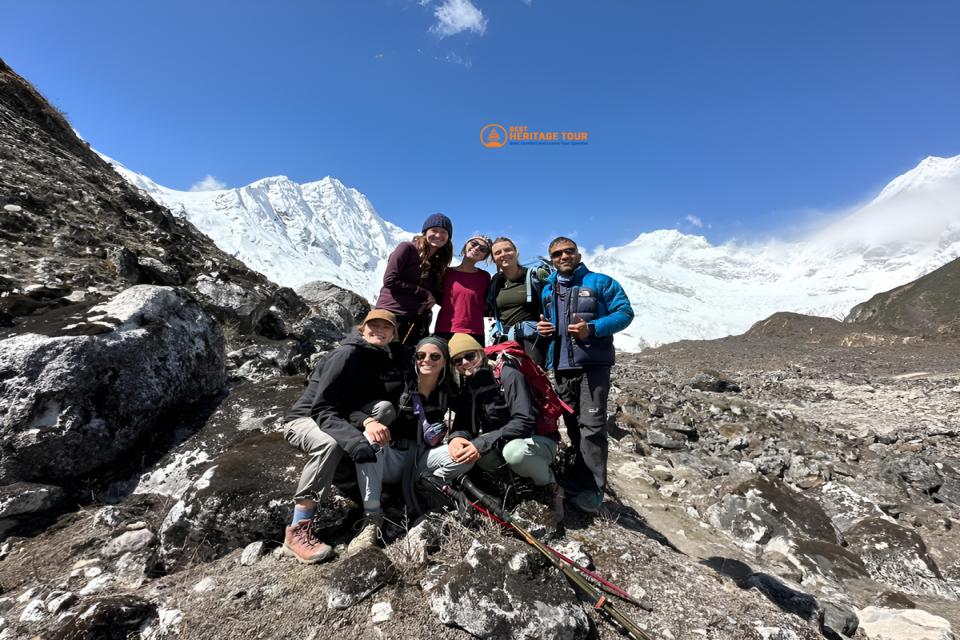
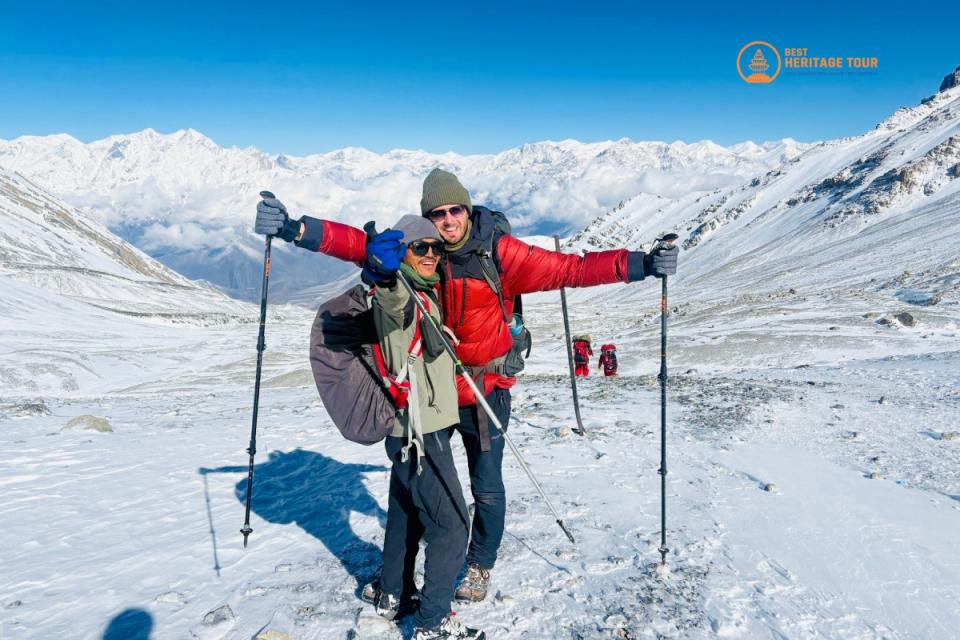
Late September (September 16 to September 30): The weather stabilizes beautifully. The skies clear to reveal crisp, sharp views of the snow-capped giants, and the classic autumn conditions fully set in.
If your goal is to experience the legendary Himalayan vistas without the massive gridlocks of October, late September is arguably the best time to trek in Nepal.
Weather and Temperature Patterns in September
Understanding the climate dynamics across Nepal's varying altitudes is essential for safety and packing preparation. In September, the dust and pollution are completely washed away by the preceding rains, leaving the crisp mountain air incredibly fresh.
Temperature Expectations by Altitude
While Kathmandu and lower hubs like Pokhara remain warm and tropical, temperatures drop predictably as you gain elevation. On average, the temperature falls by about 6°C for every 1000 meters of ascent (6°C per 1000 m).
|
Elevation Range |
Region / Landmark Examples |
Average Daytime Temp |
Average Nighttime Temp |
|---|---|---|---|
|
Lowlands / Foothills (800m-2,000m) |
Pokhara, Ghandruk, Bhaktapur |
20°C to 28°C |
15°C to 18°C |
|
Mid-Altitudes (2,000m-3,500m) |
Namche Bazaar, Ghorepani, Samagaon |
14°C to 20°C |
5°C to 10°C |
|
High Altitudes (3,500m-5,000m+) |
Dingboche, Thorong Phedi, Gorak Shep |
5°C to 12°C |
0°C to -10°C |
The Daily Weather Rhythm
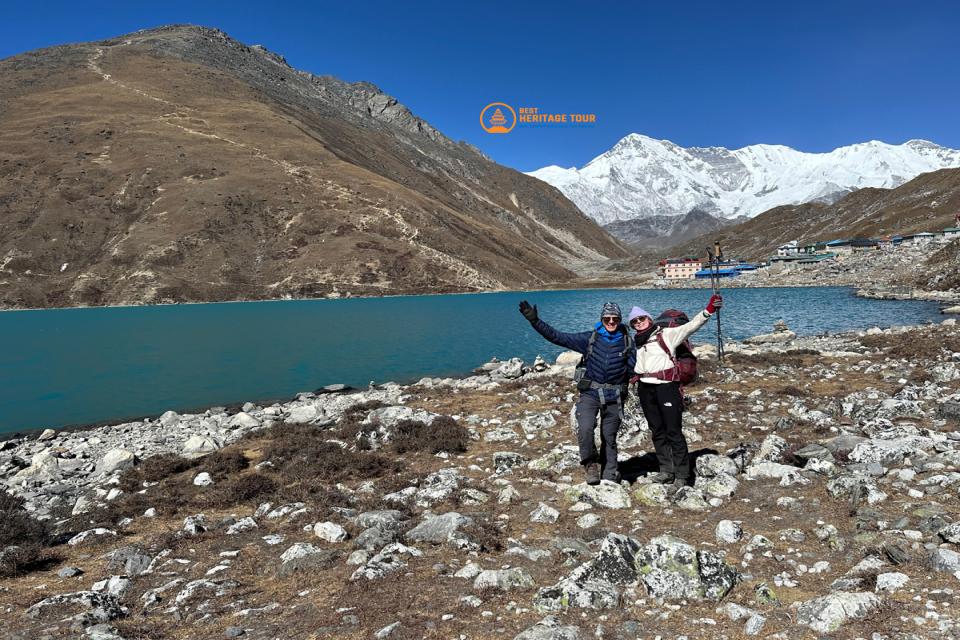
During mid-to-late September, the weather follows a remarkably reliable daily pattern. Mornings are almost universally crystal clear, offering spectacular, unobstructed views of peaks like Everest, Annapurna, and Manaslu. By early afternoon, thermal clouds naturally build up around the valleys, sometimes bringing a light, refreshing shower before clearing up again by evening.
Why September is Unique: The Pros and Cons
To help you evaluate if this month aligns with your personal travel style, let's look directly at the unique advantages and challenges of a September trek.
The Advantages (The Pros)
-
Lush, Vibrant Landscapes: Unlike the dry, brown hues of late autumn or spring, September features landscapes at their greenest. Waterfalls are swollen and thunderous, rivers roar with life, and alpine wildflowers are in full bloom.
-
Avoid the October Crowds: October is Nepal’s busiest trekking month. By choosing September, you get to experience the iconic trails, prime teahouse rooms, and unobstructed viewpoints with a fraction of the foot traffic.
-
Deep Cultural Immersion: September frequently coincides with major Nepali festivals like Indra Jatra (the festival of the Living Goddess in Kathmandu) and the beginnings of Dashain. Passing through mountain villages during these times offers an unmatched look into local traditions.
-
Better Teahouse Hospitality: Because lodges are not yet operating at maximum capacity, the local hosts have more time to interact with you, share stories around the dining room fire, and provide personalized service.
The Practical Challenges (The Cons)
-
Residual Rain and Mud: In the first two weeks, lower elevation trails can be slick, muddy, and damp.
-
Lingering Mountain Insects: Leeches can still be active in wet, forested sections below 2,500 meters during early September.
-
Domestic Flight Delays: Mountain flights - especially the iconic STOL (Short Takeoff and Landing) flights into Lukla (for Everest) or Jomsom (for Annapurna) - rely completely on clear visual flight rules. Lingering monsoon clouds in early September can cause scheduling backlogs.
The Best Trekking Routes for September
Different regions of Nepal react differently to the retreating monsoon. Depending on when you plan to travel within the month, our guiding team highly recommends focusing on specific geographic zones.
1. The Rain-Shadow Treks (Perfect for Early September)
If you can only travel during the first half of the month, look north of the main Himalayan spine. Regions like Upper Mustang and Upper Dolpo sit in a geographic rain shadow. These arid, high-altitude deserts are shielded from monsoon clouds by the massive Annapurna and Dhaulagiri ranges, ensuring dry trails and stable weather when the rest of the country is wet.
2. The Manaslu Circuit Trek
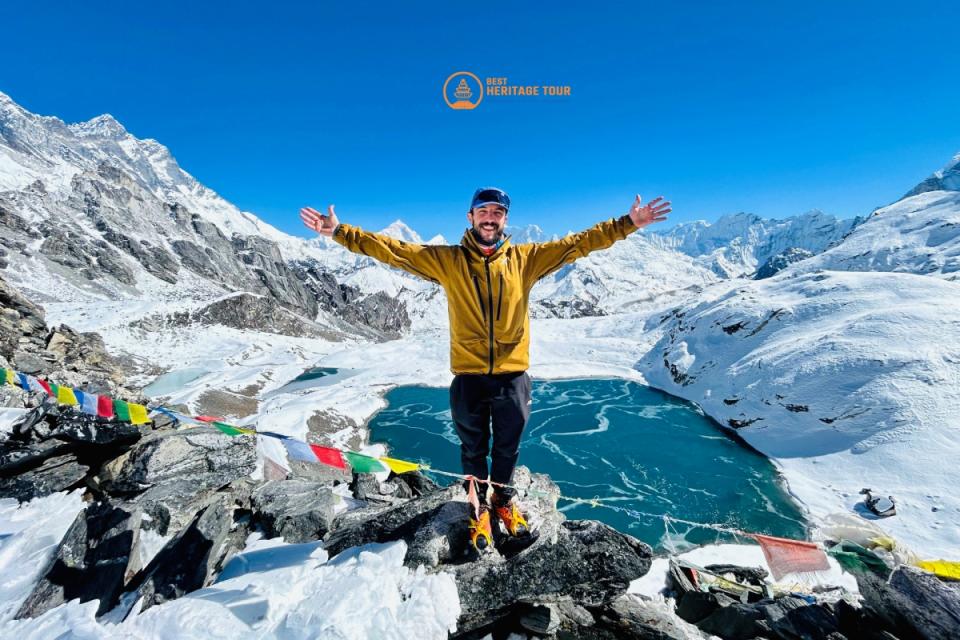
The Manaslu Circuit is an incredible choice for mid-to-late September. It offers a pristine, less-commercialized alternative to the Annapurna Circuit. By mid-month, the dramatic Larkya La Pass (5,106 m) is fully accessible, free from heavy winter snows, and framed by crisp autumn skies.
3. The Classic Powerhouses: Everest and Annapurna Base Camps
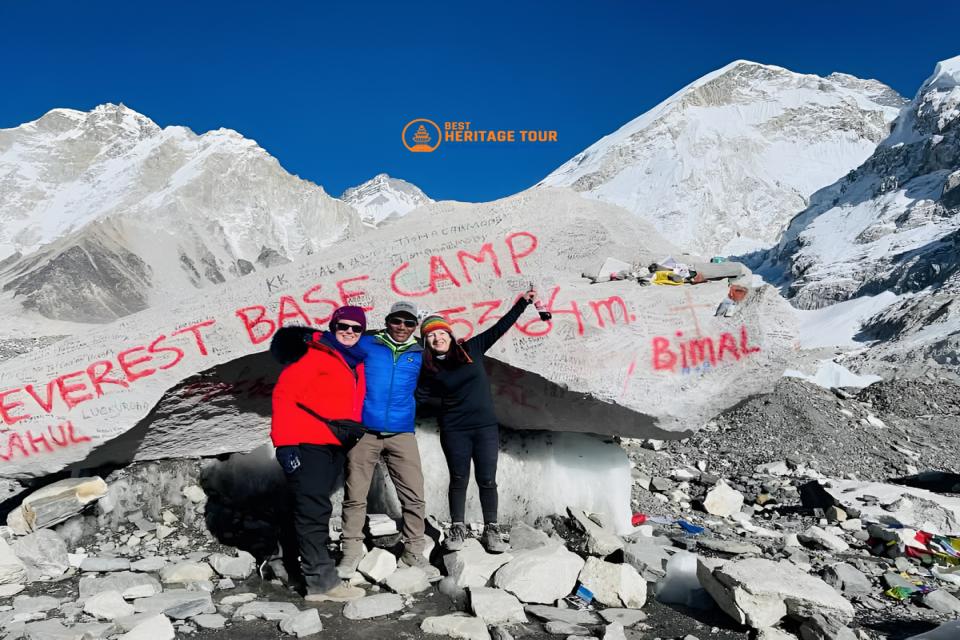
For the Everest Base Camp Trek or the Annapurna Sanctuary, aim for the final two weeks of September. The transition to autumn opens up the skies, offering breathtaking views of Ama Dablam, Lhotse, and Machapuchare. You will get to stand at these legendary base camps ahead of the massive wave of October tourists.
Essential Packing and Preparation Tips
Trekking successfully during a transitional month means preparing for both warm sun and unexpected moisture. Packing smart ensures you remain comfortable regardless of sudden weather shifts.
-
Layering is Key: Pack breathable, moisture-wicking base layers, an insulating fleece mid-layer, and a high-quality down jacket for cold high-altitude nights.
-
Uncompromising Rain Gear: Even in late September, a packable, breathable waterproof jacket and rain pants are mandatory. Always keep your pack covered with a waterproof rain cover.
-
Footwear Preparation: Ensure your hiking boots are broken in, fully waterproofed, and have deep, sturdy tread soles to handle occasionally slick or muddy trails.
-
Leech and Insect Defense: If trekking in early September through lower forests, carry insect repellent, salt, or a small vial of rubbing alcohol to easily deter leeches.
-
Build Buffer Days Into Your Itinerary: Due to potential weather-related flight delays into mountain airstrips like Lukla, always schedule at least 2 to 3 flexible buffer days in Kathmandu before your international flight home.
Conclusion
So, is September the best time to trek in Nepal? If you schedule your journey for the mid-to-late weeks of the month, the answer is a resounding yes. It provides a beautiful sweet spot: the dust-free, crystal-clear skies of autumn, lush and vibrant valleys, and a peaceful trail experience that vanishes once October arrives.
Planning a Himalayan trek requires meticulous logistics, from securing restricted area permits to arranging emergency backup and veteran local guides. At Best Heritage Tour, we craft tailored, safety-first trekking itineraries designed to showcase the authentic soul of Nepal.
Start Planning Your Himalayan Adventure Today
Phone / WhatsApp / Viber: +977-9851149197 / +977-9810043046
Email: info@bestheritagetour.com / bestheritagetour@gmail.com
Website: www.bestheritagetour.com
Office: Thamel Marg, Kathmandu, Nepal
Frequently Asked Questions (FAQs)
Will I see the mountains clearly in September?
Yes, particularly from mid-September onward. Mornings are generally crisp, clear, and perfect for photography. Early September can still have afternoon cloud cover that partially obscures the highest peaks.
Are teahouses and lodges open throughout September?
Yes, teahouses across all major routes - including Everest, Annapurna, and Manaslu - are fully operational in September. In fact, traveling this month makes it much easier to secure the best rooms without booking months in advance.
Is a guide required for trekking in Nepal?
Under local tourism regulations, independent trekking without a licensed guide is restricted in most of Nepal’s national parks and conservation areas to ensure traveler safety. Hiring an authorized guide through a registered agency like Best Heritage Tour is highly recommended for navigation, safety, and cultural translation.
Author: Best Heritage Tour
Date: 5th July, 2026