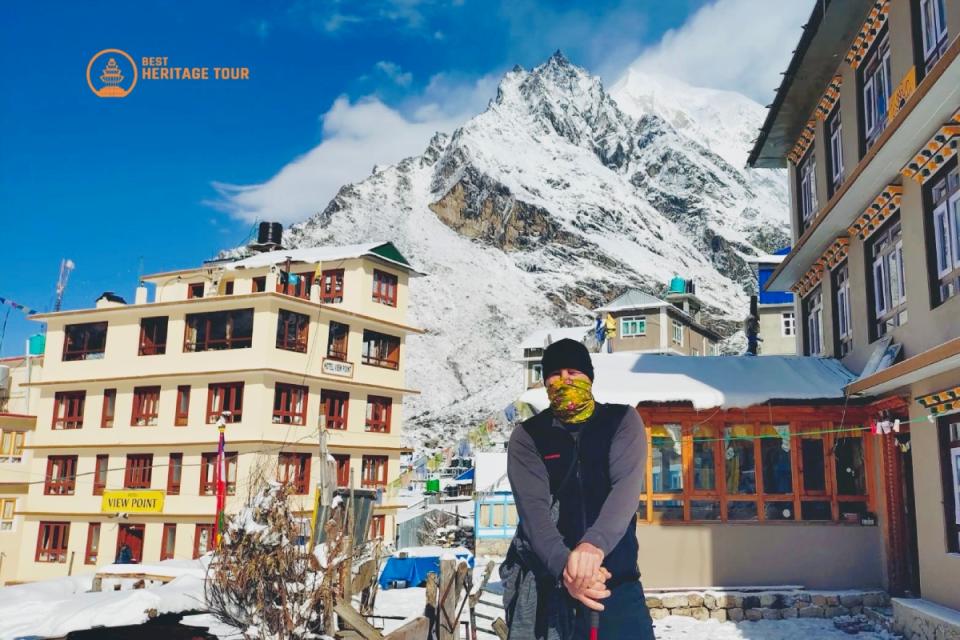
If you are planning the Langtang Valley Trek or Gosaikunda Trek in autumn 2026, you may have seen recent reports about flooding and landslides in parts of Nepal and are wondering whether it is still safe to travel to the Langtang region.
The good news is that according to the latest safety information from the Trekking Agencies' Association of Nepal (TAAN), Langtang/Kyanjin Valley and Gosaikunda themselves are safe and have not been directly affected.
However, there is an important change travelers should know about: the traditional access route through Trishuli–Betrabeti is currently affected and closed.
What Is the Current Langtang Situation?
The recent flash floods affected sections of the Trishuli River corridor. As a result, the usual road approach toward the Langtang area through Trishuli and Betrabeti is currently not recommended.
This does not mean that Langtang Valley itself is unsafe.
The trekking destinations of:
-
Langtang Valley
-
Kyanjin Gompa
-
Gosaikunda
-
Helambu
remain considered safe according to the current regional safety assessment.
Recommended Alternative Route to Langtang
Instead of approaching Langtang through the affected Trishuli–Betrabeti corridor, travelers can plan an alternative trekking route:
Kathmandu → Sundarijal → Chisapani → Thadepati → Ghopte → Gosaikunda → Thulosyabru → Pairo → Lama Hotel → Langtang Valley → Kyanjin
This alternative provides a completely different Himalayan trekking experience while also connecting some of the most beautiful landscapes and cultural areas of the Langtang and Helambu regions.
Alternative Langtang Route Explained
Day 1: Kathmandu – Sundarijal – Chisapani
Begin from Sundarijal and trek through Shivapuri's forested landscape toward Chisapani.
Day 2: Chisapani – Thadepati
Continue through beautiful forest trails and Himalayan viewpoints toward Thadepati.
Day 3: Thadepati – Ghopte – Gosaikunda
The route continues through the highlands toward Gosaikunda, one of Nepal's most important alpine lakes.
Day 4: Gosaikunda – Thulosyabru – Pairo
Descend toward the Langtang side, enjoying mountain scenery and traditional villages.
Day 5: Pairo – Lama Hotel
Continue along the Langtang River through forests and mountain landscapes.
Day 6: Lama Hotel – Langtang Village
The trail gradually climbs through the valley toward Langtang Village.
Day 7: Langtang Village – Kyanjin Gompa
Reach Kyanjin Gompa, the famous destination in the upper Langtang Valley.
The exact itinerary can be adjusted according to weather, trail conditions, fitness and local access information.
Should You Cancel Your Langtang Trek?
Not necessarily. The current information indicates that the Langtang trekking destination is safe, while the main issue is access through a particular affected road corridor.
Instead of canceling your trip, consider rerouting your approach and allowing additional flexibility for changing weather and trail conditions.
What About Autumn 2026?
Autumn is one of the most popular trekking seasons in Nepal. Conditions normally become increasingly favorable as the monsoon withdraws, but travelers should still check the latest local information before departure.
For Langtang, we strongly recommend confirming the road and trail conditions shortly before your trek.
Final Takeaway
Langtang Valley and Kyanjin Valley are safe according to the current TAAN assessment. The main access route through Trishuli–Betrabeti is currently affected, so travelers should consider the recommended alternative route through:
Sundarijal → Chisapani → Thadepati → Ghopte → Gosaikunda → Thulosyabru → Pairo → Lama Hotel → Langtang → Kyanjin.
For travelers planning the autumn 2026 trekking season, the best approach is to stay informed, remain flexible and choose the safest available access route rather than assuming the entire Langtang region is affected.
Frequently Asked Questions (FAQs) – Langtang Valley & Gosaikunda Trek Autumn 2026
Is Langtang Valley safe for trekking in autumn 2026?
Yes. According to the current safety assessment from the Trekking Agencies' Association of Nepal (TAAN), Langtang Valley, Kyanjin Valley, and Gosaikunda are considered safe and have not been directly affected by the recent flooding and landslides.
Has the Langtang region been affected by the recent floods?
The main issue is access to the region, rather than the trekking destinations themselves. Sections of the Trishuli River corridor have been affected, particularly the traditional Trishuli–Betrabeti access route.
Is the Trishuli–Betrabeti road currently accessible?
The traditional access route through Trishuli–Betrabeti is currently affected and closed/not recommended. Travelers should therefore use an alternative approach based on the latest local conditions.
Can I still do the Langtang Valley Trek in autumn 2026?
Yes. The Langtang Valley Trek can still be planned for autumn 2026. However, the itinerary and access route should be confirmed closer to the departure date based on weather, road conditions, and local safety updates.
What is the recommended alternative route to Langtang?
A recommended alternative route is:
Kathmandu → Sundarijal → Chisapani → Thadepati → Ghopte → Gosaikunda → Thulosyabru → Pairo → Lama Hotel → Langtang Valley → Kyanjin Gompa
This route also combines beautiful sections of the Helambu, Gosaikunda, and Langtang regions.
Can I combine Gosaikunda and Langtang Valley on the same trek?
Yes. The alternative route allows travelers to combine Gosaikunda and Langtang Valley, creating a longer and more diverse Himalayan trekking experience.
Is Gosaikunda safe to visit?
Yes. Gosaikunda is considered safe according to the current regional safety assessment. As with any high-altitude trek, conditions should still be checked before and during the trek.
Is Kyanjin Gompa safe for trekkers?
Yes. Kyanjin Gompa and the upper Langtang Valley are currently considered safe. Travelers should nevertheless follow their guide's advice regarding weather, trail conditions, and altitude.
Is Helambu also safe for trekking?
Yes. The current safety assessment considers Helambu safe. The Sundarijal–Chisapani–Thadepati section can therefore be incorporated into an alternative Langtang itinerary.
Should I cancel my Langtang trek because of the floods and landslides?
Not necessarily. The current concern is primarily with a specific access corridor rather than the Langtang trekking destination itself. Instead of automatically canceling, travelers should consider rerouting through a safer available access point.
Will the situation affect trekking in October 2026?
It is too early to guarantee exact conditions. Autumn is generally one of Nepal's best trekking seasons, but travelers should check updated road, trail, weather, and safety information shortly before departure.
Is the alternative route more difficult than the regular Langtang route?
The alternative route through Chisapani, Thadepati, Ghopte, and Gosaikunda includes higher elevations and some challenging sections. The difficulty depends on the itinerary, weather, fitness level, and acclimatization. A qualified local guide can adjust the daily walking distances accordingly.
How can I stay updated about Langtang trail conditions?
We recommend checking the latest information from TAAN, local authorities, trekking agencies, and your trekking operator before departure. Conditions can change quickly during and after the monsoon.
Is it safe to travel to Nepal for trekking in autumn 2026?
At present, there is no reason to assume that the entire Nepal trekking sector is unsafe because of localized flooding and landslides. Safety should be assessed region by region, with particular attention to road access and current weather conditions.
What is the best advice for travelers planning Langtang in autumn 2026?
The best approach is to stay informed, remain flexible, and choose the safest available access route. For Langtang, the trekking destination itself remains considered safe, while the traditional Trishuli–Betrabeti approach should currently be avoided until access conditions improve.
Can the Langtang itinerary be changed depending on conditions?
Yes. The itinerary can be adjusted according to weather, trail conditions, road accessibility, fitness, acclimatization, and the latest local safety information. This flexibility is especially important for autumn 2026 following the recent monsoon-related events.
Author: Best Heritage Tour
Date: 29th August, 2026