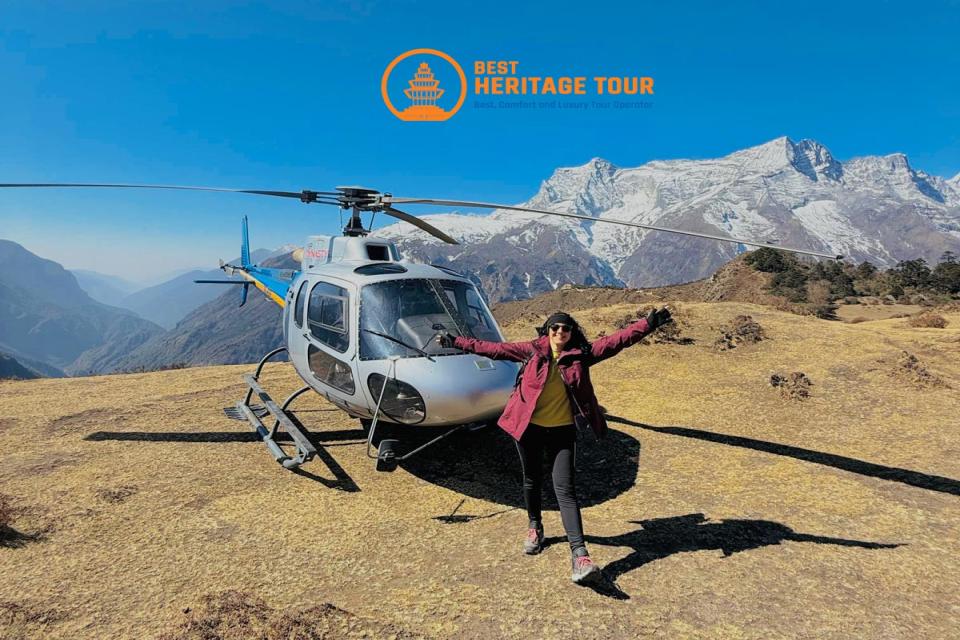
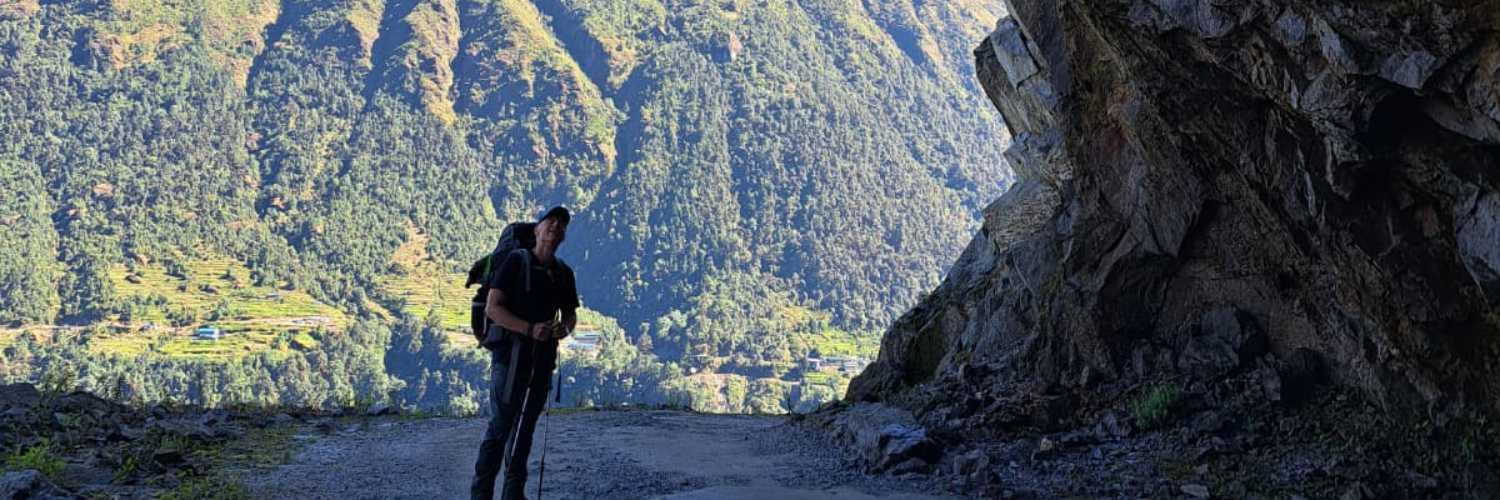
Choosing when to embark on the legendary journey to the foot of the world’s highest peak is one of the most critical decisions a traveler can make. While spring and autumn traditionally claim the title of "peak seasons," an increasing number of modern adventurers are looking toward the early winter months. If you are asking yourself, "Is Everest Base Camp Trek Worth It in December?", the short answer is an absolute yes - but with a major caveat. It is a highly rewarding, visually unparalleled adventure, provided you are fully prepared for the distinct weather conditions and physical demands of the winter alpine environment.
At Best Heritage Tour, we have guided hundreds of explorers through the Khumbu region across all seasons. In this definitive guide, we break down everything you need to know about navigating the Everest Base Camp trek in winter season, tracking expectations for the Everest Base Camp Trek in December 2026, and helping you decide if this crowd-free, crystal-clear Himalayan experience matches your personal travel style.
Is it possible to do EBC Trek in December?
Before diving into whether it is "worth it," let's answer the foundational question: Is it possible to do EBC Trek in December?
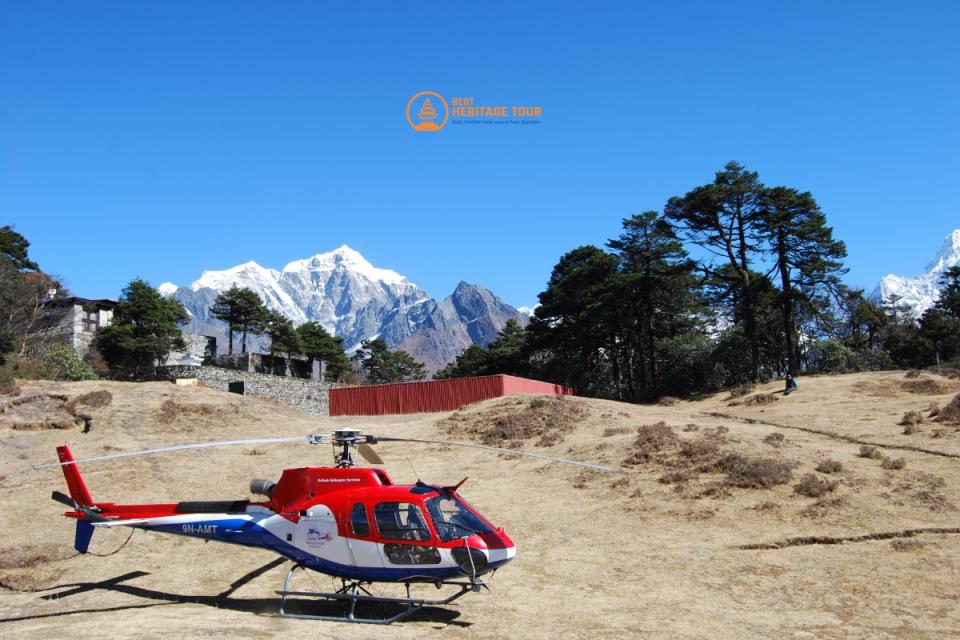
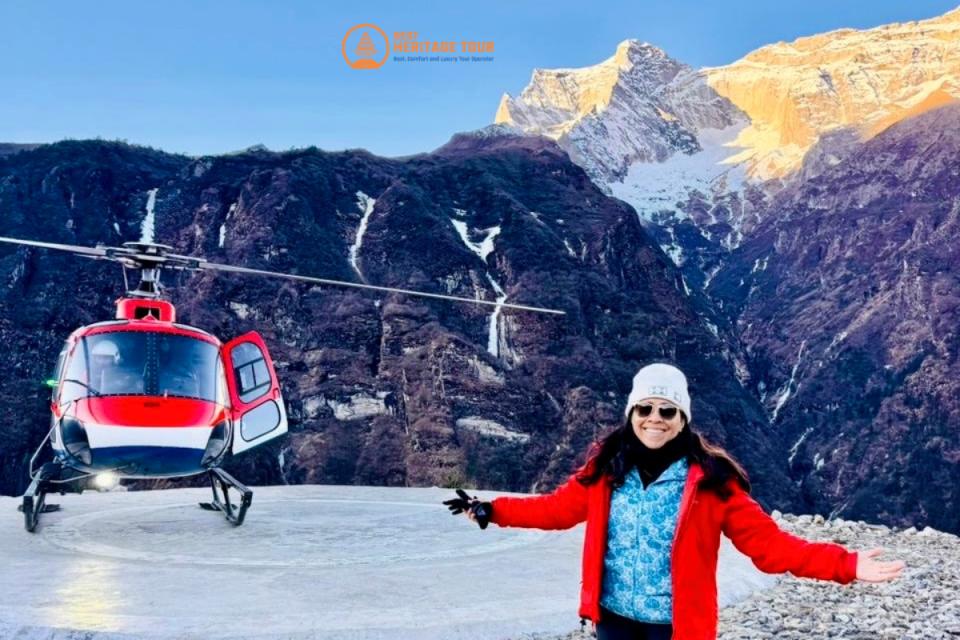
Yes, it is entirely possible. Many travelers mistakenly believe that the entire Everest region shuts down as soon as the calendar turns to December. In reality, the classic Everest Base Camp route remains open, and flights from Kathmandu to Lukla continue to operate.
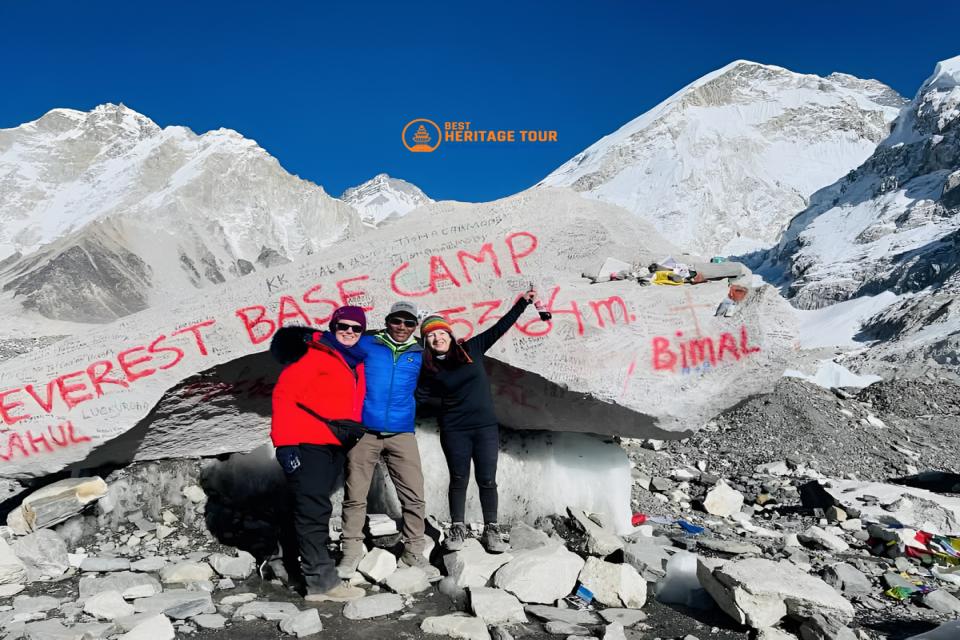
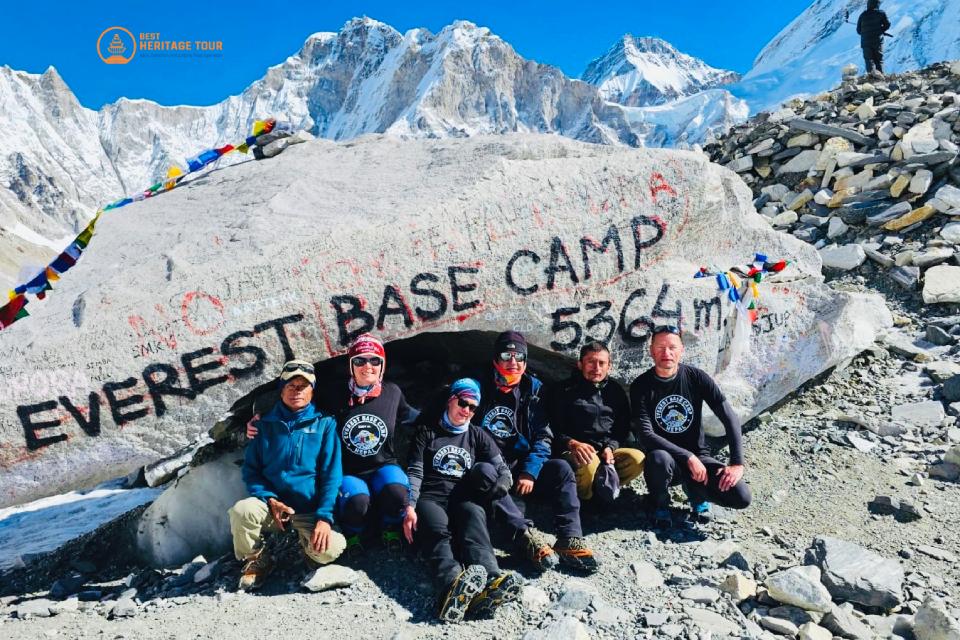
While the extreme high-altitude passes (like the Cho La or Renjo La on the Three Passes Trek) can occasionally become blocked by heavy snow accumulations, the direct trail to Everest Base Camp (5,364 m) and the classic viewpoint of Kala Patthar (5,545 m) remains accessible to well-prepared trekking groups throughout the month.
EBC December Weather: Temperature & Climate Realities
To understand the Everest Base Camp trek in winter season, you must understand the trade-offs of the winter climate. December represents a complete transition from the receding autumn humidity to dry, stable, and cold continental weather systems.
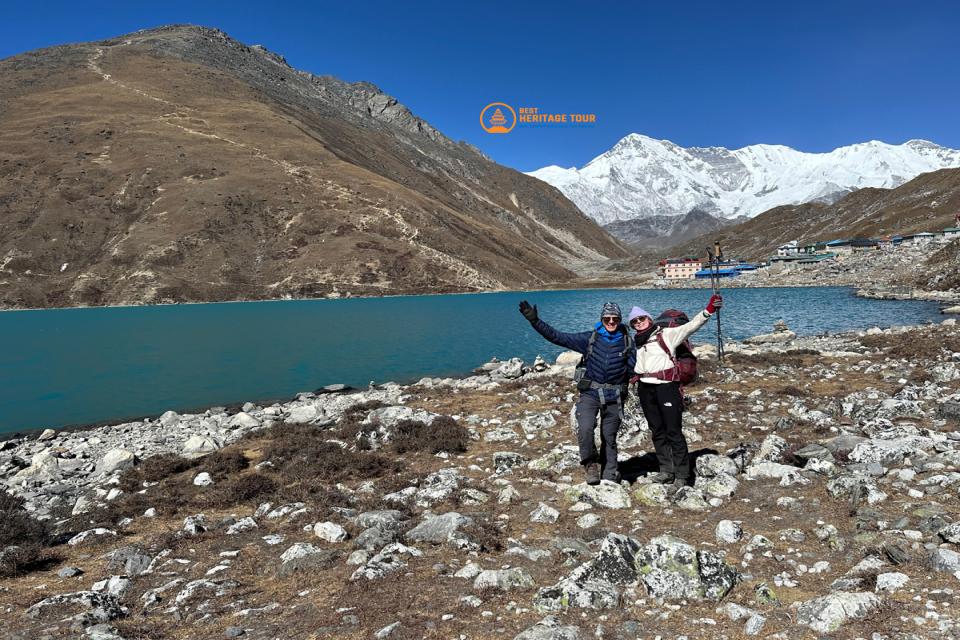
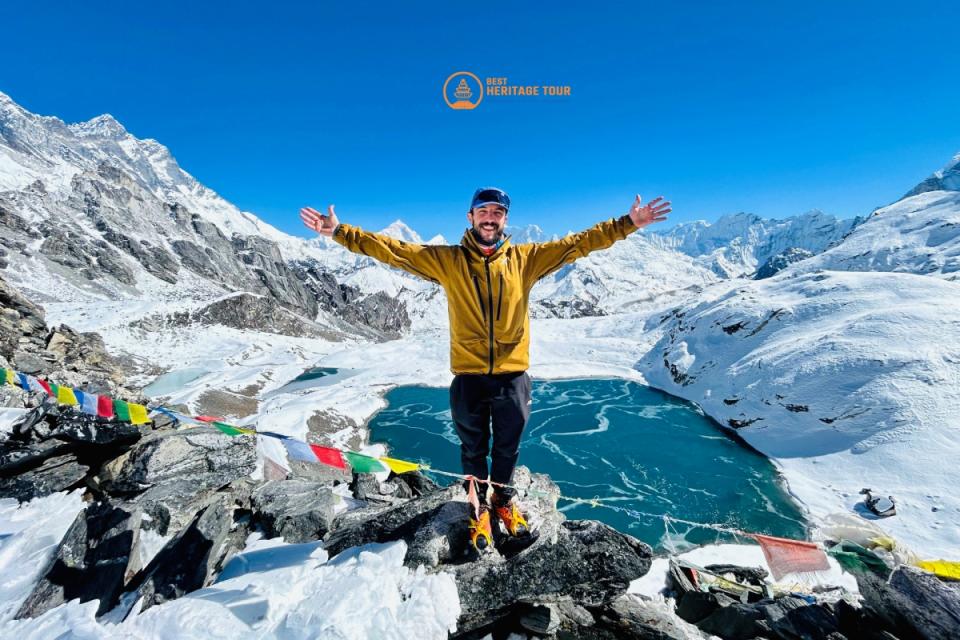
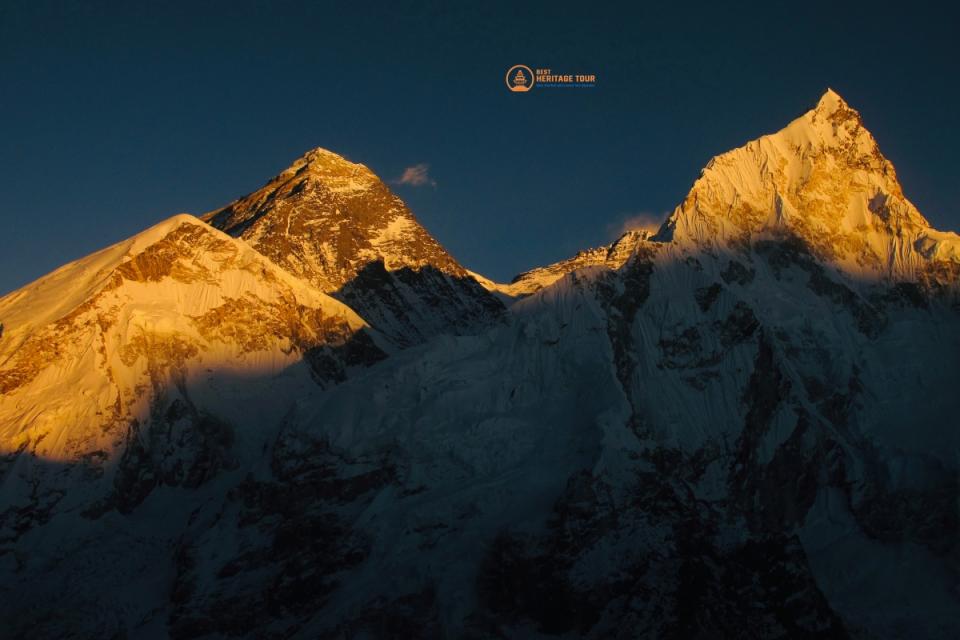
The single biggest draw of trekking at this time is the exceptional atmospheric visibility. The monsoon dust has completely settled, and the air is crisp, dry, and thin. This results in deep blue skies and high-definition views of Mount Everest, Lhotse, Ama Dablam, and Nuptse that are rarely matched in the warmer months.
However, that clear sky comes at a cost: without cloud cover to trap the earth’s heat, temperatures drop dramatically the moment the sun dips behind the towering ridges.
Everest Region Temperature Matrix (December Average)
|
Settlement |
Elevation |
Average Daytime High |
Average Nighttime Low |
|---|---|---|---|
|
Lukla |
2,860 m / 9,383 ft |
9℃ (48℉) |
-1℃ (30℉) |
|
Namche Bazaar |
3,440 m / 11,286 ft |
7℃ (44.6℉) |
-6℃ (21.2℉) |
|
Dingboche |
4,483 m / 14,708 ft |
3℃ (37.4℉) |
-13℃ (8.6℉) |
|
Lobuche |
4,910 m / 16,108 ft |
1℃ (33.8℉) |
-16℃ (3.2℉) |
|
Gorak Shep |
5,164 m / 16,942 ft |
0℃ (32℉) |
-18℃ to -25℃ (-0.4℉ to -13℉) |
The Wind Chill Factor: While daytime walking temperatures in the sun can feel surprisingly comfortable, strong sub-alpine winds in regions like Lobuche and Gorak Shep can make the ambient temperature feel significantly colder than what the thermometer displays.
The Pros: Why December is a Hidden Gem for Trekkers
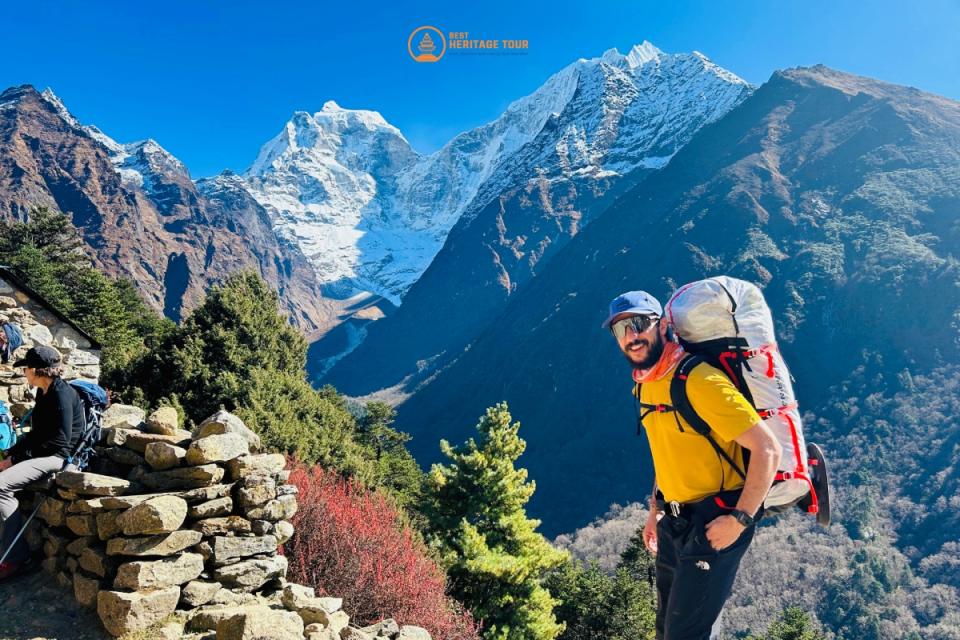
If you talk to veteran Himalayan guides, many will tell you that early winter is secretly their favorite time to hit the trails. For the right kind of traveler, the benefits far outweigh the freezing nights.
Perfect, Uninterrupted Himalayan Vistas
In peak seasons, afternoon clouds frequently roll in to obscure the high summits. December is characterized by extremely low precipitation and minimal cloud coverage. You are virtually guaranteed postcard-perfect, high-visibility panoramas of the Khumbu icefall and surrounding massifs from dawn until dusk. For photography enthusiasts, this is the premier month to capture the mountains without fighting for tripod space.
The Gift of Ultimate Solitude
During October and November, thousands of trekkers crowd the trails, leading to human traffic jams on suspension bridges and noisy dining halls. In December, tourist numbers plunge by up to 70%. You will experience the sacred Khumbu valleys in near-pristine silence. Walking these historic paths in solitude allows for a deeply meditative, raw connection with nature that peak-season travelers simply never get to experience.
Superior Hospitality and Seamless Logistics
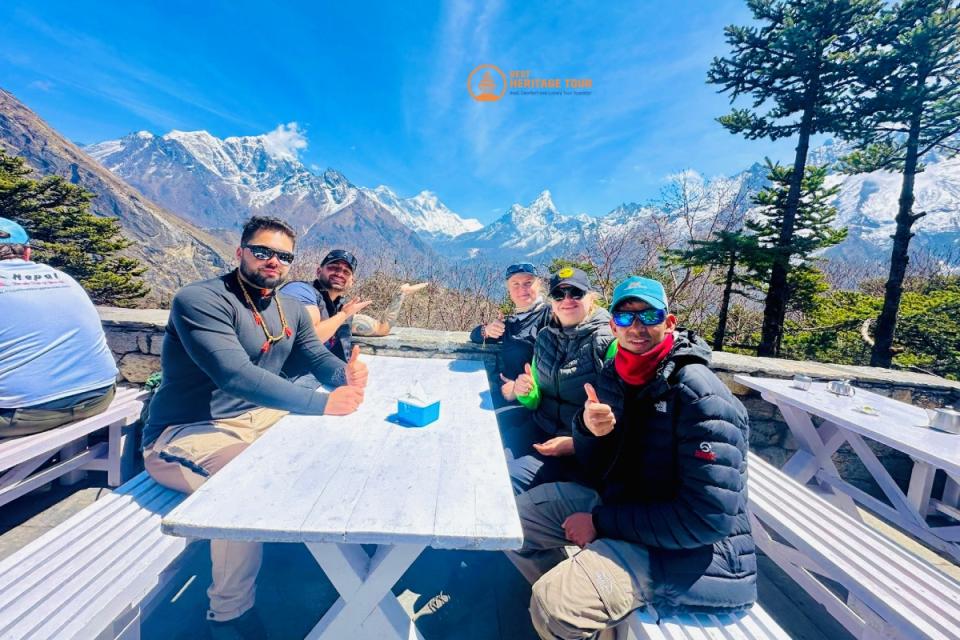
Because the trails are quiet, the local Sherpa teahouse owners are under far less stress. Instead of being relegated to a cramped, communal room or an overflow tent, you will easily secure the best available rooms in the lodges. You can spend your evenings interacting genuinely with local families around the central iron stove, absorbing authentic Sherpa culture. Furthermore, domestic flight logistics from Kathmandu to Lukla see fewer slot delays caused by heavy airport traffic.
The Challenges: What to Expect and Plan For
Trekking to 5,300+ meters in the winter is no walk in the park. To ensure your trek is safe and enjoyable, our team emphasizes preparing for the following seasonal challenges:
-
The Bitter Sub-Zero Cold: While the sunshine keeps you warm during the active hiking hours (9 AM to 3 PM), the temperatures plunge below freezing the second the sun goes down. Himalayan teahouses do not have central insulation or bedroom heating; only the communal dining hall is warmed by a central stove fueled by yak dung. Your bedroom will be just as cold as the outside air.
-
Shorter Daylight Hours: By late afternoon, the sun dips behind the massive peaks, and by 5 PM, darkness sets in quickly. This requires tight, disciplined morning schedules to ensure you reach your destination safely before dusk.
-
Frozen Trails and Infrastructure: Above 4,000 meters, water pipes in teahouses regularly freeze overnight, meaning running water is unavailable and flush toilets become temporarily inoperable. Sections of the trail - particularly wet patches near waterfalls or stream crossings - turn into slick, black ice.
-
Teahouse Hibernation: While the main route stays open, some lodge owners shut down their properties in mid-to-late December to head down to Kathmandu or India for the winter. Independent trekkers might find it difficult to locate open lodges, though organized tour agencies always maintain locked-in winter accommodations.
Master Plan: Step-by-Step Strategy for EBC in Winter
Successfully executing the Everest Base Camp Trek in December 2026 requires a strategic shift from standard peak-season trekking. We recommend adhering to a precise procedural structure to manage the cold and elevation safely.
1. Enforce Strict Early Morning Starts: Daily Schedule.
Hit the trail by 7:30 AM or 8:00 AM at the latest. Maximizing your movement during peak sunlight hours ensures you stay warm naturally through physical exertion and arrive at your next lodge well before the late-afternoon temperature drop.
2. Execute Systematic Layering Dynamics: Clothing Management.
Never allow yourself to sweat excessively while hiking, as damp clothes will freeze against your skin when you stop. Use a high-wicking synthetic base layer, add a mid-layer fleece for insulation, and top it with a windproof/waterproof shell. Keep a heavyweight -20°C rated down jacket at the top of your pack to throw on the moment you pause for breaks.
3. Prevent Freezing Hydration Systems: Water Safety.
Standard hydration bladders and plastic bottles will freeze solid above Namche Bazaar. Utilize insulated aluminum flasks or specialized thermos flasks. Keep your water bottles inside your sleeping bag at night to prevent them from turning into solid ice blocks by morning.
4. Deploy Traction Hardware on Icy Slopes: Trail Safety.
As you traverse the high-altitude terrain between Lobuche, Gorak Shep, and Base Camp, keep a pair of microspikes (slip-on trail crampons) accessible in your daypack. Pull them over your hiking boots the moment you encounter compact snow or frozen surface ice.
Essential Winter Packing Checklist
When packing for an early winter trek, cutting corners on gear can lead to severe safety risks, including hypothermia or frostbite. Ensure your gear kit contains these non-negotiable items:
-
Four-Season Sleeping Bag: Rated down to -20℃ (-4℉) minimum. Even if the lodge provides heavy blankets, you will need an insulated cocoon to sleep comfortably through the night.
-
Heavyweight Expedition Down Jacket: With a robust fill-power, featuring a wind-resistant hood for high-altitude passes and evening excursions.
-
Footwear Upgrades: Waterproof, broken-in trekking boots paired with multiple pairs of thick merino wool socks. Pack lightweight microspikes for icy trail segments.
-
Electronics Protection: Extreme cold rapidly drains lithium-ion batteries. Store your smartphones, camera batteries, and power banks inside your inner clothing layers during the day and inside your sleeping bag at night.
-
Skin and Eye Care: The winter sun reflecting off high alpine snow creates an intense UV environment. Bring Category 3 or 4 polarized sunglasses and high-SPF sunblock to prevent severe sunburn and snow blindness.
The Verdict: Is Everest Base Camp Trek Worth It in December?
We weigh the core components of the experience to help you make your final determination:
-
Crisp Visibility → Unmatched High-Definition Views
-
Trail Traffic → Serene, Quiet, and Empty Paths
-
Temperatures → Bitterly Cold (Needs -20°C Gear)
Ultimately, the trek is 100% worth it if you are an adventure seeker who prioritizes raw natural beauty, serenity, and striking photography over warm rooms and creature comforts. If you possess a solid baseline of physical fitness, have access to high-quality winter gear, and welcome the thrill of a colder, more authentic alpine expedition, December offers an unforgettable window into the heart of the Himalayas that peak-season travelers will never see.
Plan Your Himalayan Expedition with the Experts
Phone / WhatsApp / Viber: +977-9851149197 / +977-9810043046
Email: info@bestheritagetour.com / bestheritagetour@gmail.com
Website: www.bestheritagetour.com
Office: Thamel Marg, Kathmandu, Nepal
Author: Best Heritage Tour
Date: 16th June, 2026