There is nothing quite like the feeling of dropping your heavy trekking pack after a grueling 6-hour hike up the stone steps of the Himalayas. Your muscles are aching, the high-altitude mountain air is dropping below freezing, and your body is craving comfort. In that exact moment, a single luxury dominates the mind of every trekker: a steaming hot shower.
For anyone planning an adventure into the beautiful Langtang region, understanding the logistics of mountain hygiene is essential. As an established agency organizing mountain expeditions across Nepal, we at Best Heritage Tour always get asked by our clients: How much does it cost for a hot shower in Langtang Valley trek? and Is how showers available in attach bathroom in Langtang Valley Trek?
To help you plan your budget and pack effectively for your next Himalayan adventure, we have crafted this comprehensive, hyper-local guide detailing everything you need to know about hot showers, bathroom facilities, and staying fresh along the trail.
How Much Does It Cost for a Hot Shower in Langtang Valley Trek?
Let’s address your primary budgetary question right away. The average cost for a hot shower on the Langtang Valley Trek ranges between Rs 500 to Rs 700 (approximately USD 4 to USD 6) per shower.
Unlike standard city hotels where utilities are included in your room rate, teahouses in the Langtang region operate on a strict pay-per-use system for luxury services like Wi-Fi, electronic device charging, and hot water.
Why is there a fee for hot water?
When traveling through Langtang National Park, it is easy to forget how remote these mountain settlements truly are. Every single resource must be managed sustainably. The price variation between Rs 500 and Rs 700 depends entirely on three distinct factors:
-
Altitude and Elevation: As you trek higher from Syabrubesi up to Kyanjin Gompa, the cost of resources increases. The physical labor required to carry gas cylinders up steep mountain passes drives the price up.
-
The Heating System Used: Teahouses utilize different methods to heat your water. Gas showers (fueled by bottled LPG) and wood-fired back-boiler systems are the most reliable but cost more to run. Solar-heated showers are cheaper but entirely dependent on daily weather conditions.
-
The Trekking Season: During peak trekking windows (Spring and Autumn), high demand can occasionally influence the local rate, whereas shoulder seasons might offer slight flexibility.
Are Hot Showers Available at Every Major Stop on the Langtang Valley Trek?
The short answer is yes. Hot water facilities are widely available at all major overnight stops along the classic Langtang Valley trekking route. Over the last decade, local community rebuilding efforts have significantly upgraded teahouse infrastructures.
Here is exactly what you will experience at each major staging point on the trail, as reported directly by our Best Heritage Tour guides:
Syabrubesi (1,460m)
The starting trailhead of your adventure. Since Syabrubesi is connected by a road network to Kathmandu, logistics here are straightforward. Showers are universally available, highly efficient, and usually sit at the lower end of the pricing spectrum (Rs 500).
Lama Hotel (2,460m)
Nestled deep within a dense river valley forest, Lama Hotel is a classic, rustic trekking hub. While hot water is readily available here, the architectural layout of the older teahouses means facilities are more communal. Hot water here is frequently heated via firewood or gas cylinders.
Langtang Village (3,430m)
Tragically destroyed during the 2015 earthquake, Langtang Village has been entirely rebuilt from the ground up as a modern, resilient trekking settlement. The newly constructed lodges here feature excellent plumbing infrastructure. Gas and solar showers are highly reliable, typically costing around Rs 600 to Rs 700.
Kyanjin Gompa (3,870m)
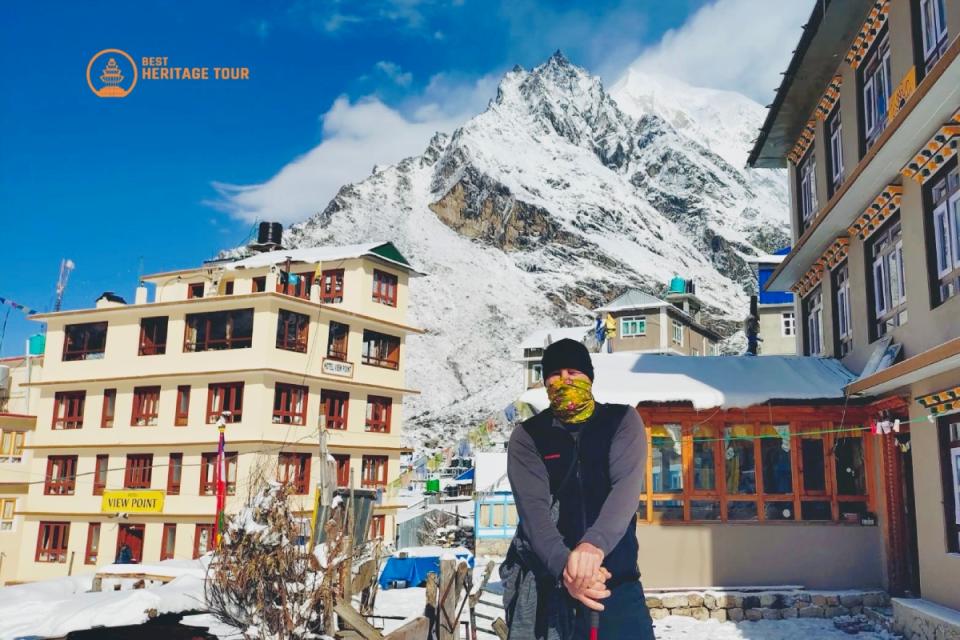
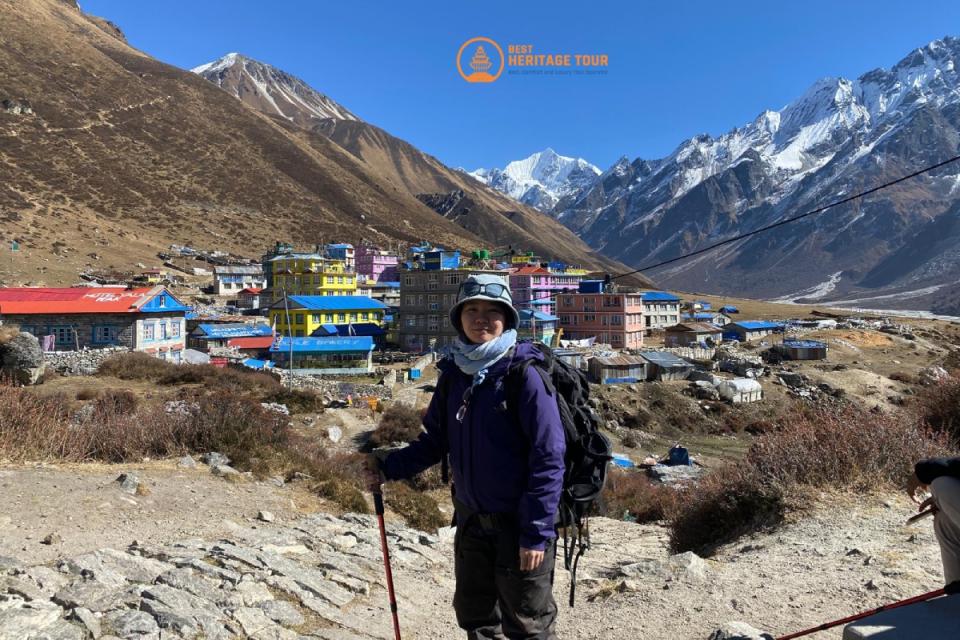
The final acclimatization outpost of the trek, surrounded by spectacular glacial peaks. Because of the freezing alpine temperatures at nearly 3,900 meters, taking a shower requires serious mental preparation! The teahouses here are well-equipped, but due to high altitude logistics, expect to pay the premium rate of Rs 700 per shower.
Is How Showers Available in Attach Bathroom in Langtang Valley Trek?
This is one of the most common questions we receive during trip briefings. Trekkers naturally want to know if they can enjoy the privacy of a warm rinse inside their own quarters.
The Quick Answer: Yes, hot showers are available in attached bathrooms across almost the entire trail - with the single exception of Lama Hotel.
To help you visualize what to expect as you move from camp to camp, our team has broken down the bathroom layouts across the primary trail stops:
|
Trekking Stop |
Average Elevation |
Attached Bathrooms Available? |
Hot Shower in Attached Room? |
Primary Heating Method |
|---|---|---|---|---|
|
Syabrubesi |
1,460m |
Yes (Widely Available) |
Yes |
Electric / Gas / Solar |
|
Lama Hotel |
2,460m |
No (Shared/Communal) |
No (Outdoor/Shared cubicle) |
Wood-fired / Gas |
|
Langtang Village |
3,430m |
Yes (Modern Lodges) |
Yes (In premium rooms) |
Gas / Solar |
|
Kyanjin Gompa |
3,870m |
Yes (Modern Lodges) |
Yes (In premium rooms) |
Gas / Solar |
Understanding the Lama Hotel Layout Exception
When our team states that attached hot showers are unavailable at Lama Hotel, it comes down to geography and conservation. Lama Hotel is built inside a narrow, forested canyon gorge within the national park. Space is physically constrained, and the older, traditional wooden lodges utilize shared, outdoor bathroom cubicles.
If you want a hot shower at Lama Hotel, the lodge owner will typically provide hot water via two methods:
-
A standalone, shared outdoor gas-shower stall.
-
The classic Himalayan "Bucket Shower" - a large bucket of steaming water heated over a wood stove, paired with a small plastic jug to pour over yourself.
In contrast, when you reach the wider plains of Langtang Village and Kyanjin Gompa, many newly built lodges offer private twin-bed rooms featuring attached bathrooms. However, please note that rooms with attached private showers cost slightly more per night than a standard room, and the fee for the hot water usage itself (Rs 500-700) is still billed separately.
The Three Types of Mountain Showers: What to Expect
To ensure you have an original, authentic understanding of the trail, you must know that not all "hot water" is delivered equal. On your journey, you will encounter three distinct mechanical systems:
1. Gas-Heated Showers (LPG)
This is the most popular system on the route. The teahouse connects a tank of liquefied petroleum gas to a wall-mounted flash-heater box.
-
Pros: Delivers instantaneous, continuous hot water regardless of the time of day.
-
Cons: The water pressure can sometimes fluctuate if multiple trekkers are using water simultaneously.
2. Solar-Heated Showers
Many eco-conscious lodges use rooftop solar thermal panels to heat large water storage tanks during daylight hours.
-
Pros: Environmentally friendly and sustainable.
-
Cons: Highly dependent on mountain weather. If your trekking day is cloudy, foggy, or snowy, the solar shower will be lukewarm at best. Furthermore, if you arrive late in the afternoon, previous trekkers may have already drained the hot water reserve.
3. Wood-Fired Back-Boiler Systems
Common in the heavily forested zones like Lama Hotel. The water pipes run directly behind or through the main dining room's wood-burning stove (bukhari).
-
Pros: The water can get incredibly hot, perfect for freezing afternoons.
-
Cons: These are strictly communal, shared systems and are typically only operational in the evenings when the main stove is lit for dinner.
Budgeting Beyond the Shower: Planning Your Trail Extras
When planning your financial logistics, remember that hot showers are just one part of your daily miscellaneous expenses. To ensure our travelers are never caught off guard, we always advise allocating extra Nepalese Rupees (NPR) cash for additional daily comforts:
-
Device Charging: Rs 200 - Rs 500 per device/power bank.
-
Wi-Fi Access: Rs 300 - Rs 600 per day/session.
-
Boiled Drinking Water: Rs 100 - Rs 300 per liter (prices scale up with altitude).
By booking an all-inclusive trekking experience through a reputable agency, many of your core logistical costs (permits, accommodation, meals, transport) are fully covered in advance. However, keeping a personal daily cash buffer of roughly Rs 2,000 to Rs 3,000 per person ensures you can enjoy hot showers, charging facilities, and occasional bakery treats completely stress-free.
Conclusion
The Langtang Valley Trek remains one of the most culturally enriching, visually stunning, and logistically accessible alpine journeys in Nepal. While the mountains require you to leave certain city luxuries behind, the widespread availability of hot showers for Rs 500 to Rs 700 - alongside modern attached bathrooms at almost every single stop except Lama Hotel - ensures you can experience the wild beauty of the Himalayas without sacrificing essential physical comfort.
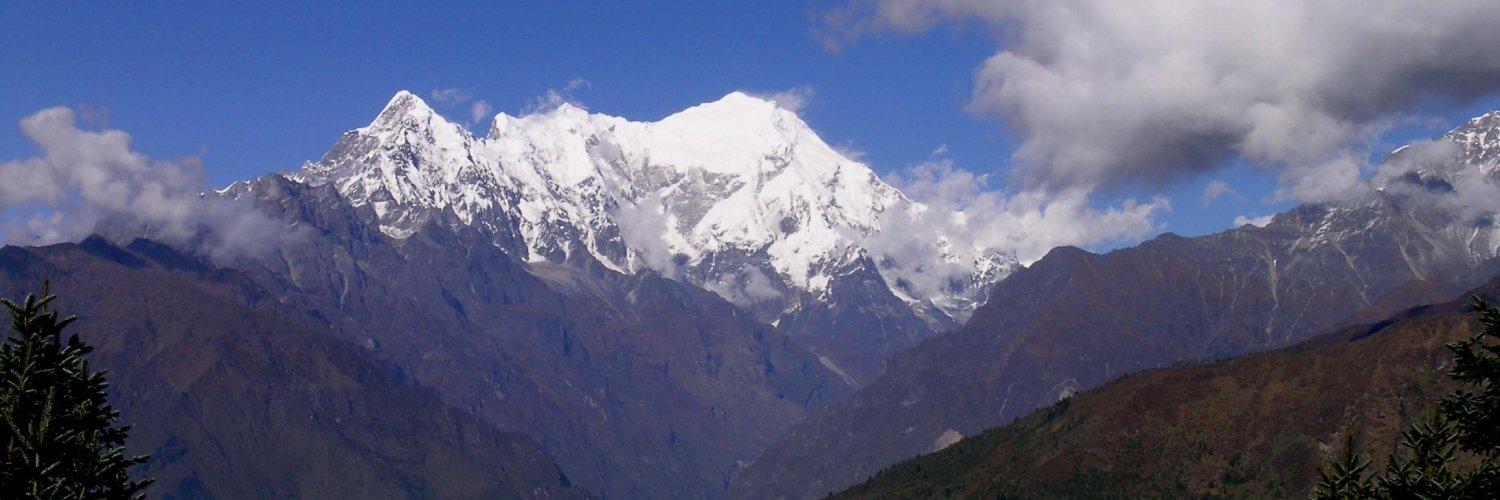
Preparation is the absolute key to a seamless trek. Having a dedicated team handle your permits, vet your teahouses for premium facilities, and manage trail safety allows you to focus entirely on the breathtaking views of Langtang Lirung.
Ready to Experience the Magic of Langtang?
At Best Heritage Tour, we pride ourselves on crafting authentic, safe, and deeply memorable Himalayan itineraries tailored to your unique comfort levels. Whether you are a solo backpacker looking for an expert guided group or a family seeking premium teahouse arrangements with guaranteed amenities, our seasoned Sherpa and Tamang guides are here to welcome you.
Phone / WhatsApp / Viber: +977-9851149197 / +977-9810043046
Email: info@bestheritagetour.com / bestheritagetour@gmail.com
Website: www.bestheritagetour.com
Office: Thamel Marg, Kathmandu, Nepal
Author: Best Heritage Tour
Date: 1st June, 2026