Welcome to the ultimate frontier of the Khumbu region. If you are reading this, you aren't just looking for a walk in the woods; you are seeking one of the most profound Himalayan experiences available today.
At Best Heritage Tour, we have spent over 15 years guiding adventurers through the rugged ridges of the Everest region. While Everest Base Camp is the "celebrity" of Nepal trekking, the Renjo La Pass (5,360m) is the "insider’s choice." It is a place where the crowds of the main trail vanish, replaced by the emerald stillness of the Gokyo Lakes and a panoramic view of the world’s highest peaks that many argue is the finest in all of Nepal.
In this comprehensive 2026 guide, we will break down everything you need to know about altitude, difficulty, the 2026 permit regulations, and the technicalities of crossing this majestic pass.
Where is Renjo La Pass?
Located in the heart of the Sagarmatha National Park, Renjo La Pass is the westernmost of the "Everest Three Passes." It acts as a high-altitude gateway between the pristine Gokyo Valley and the remote Bhote Koshi Valley.
Specifically, the pass connects the lakeside village of Gokyo to the traditional Sherpa settlement of Lungden. While many trekkers tackle it as part of the grueling Everest Three Pass Trek, it is also increasingly popular as a standalone "Gokyo-Renjo La Loop," which offers a more tranquil, circular alternative to the standard "up and back" EBC route.
Renjo La Pass Altitude: How High are You Going?
The maximum altitude of Renjo La Pass is 5,360 meters (17,585 feet).
To put that into perspective:
-
Namche Bazaar: 3,440m
-
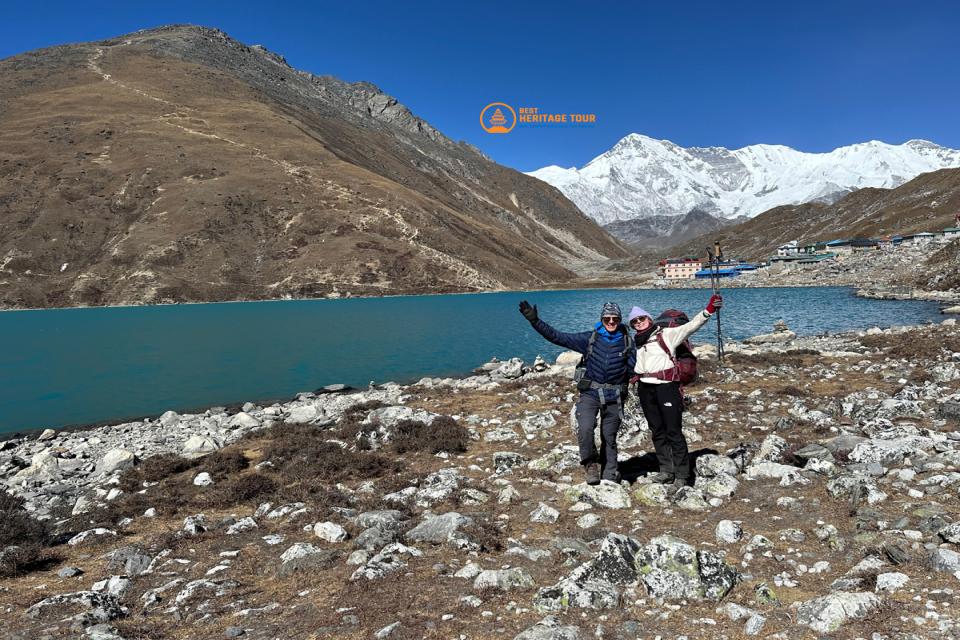
Gokyo Village: 4,790m
-
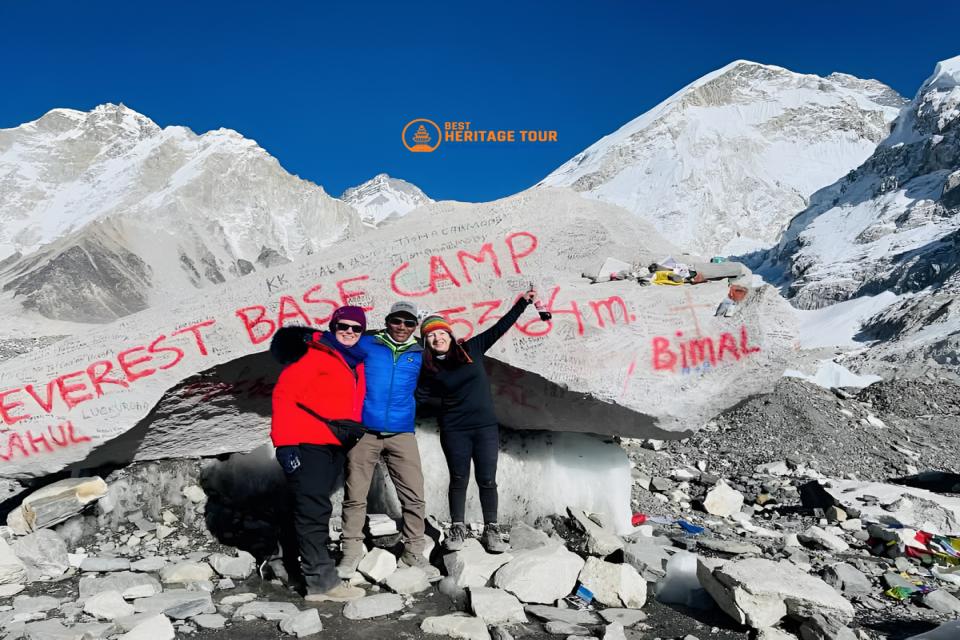
Everest Base Camp: 5,364m
-
Renjo La Pass: 5,360m
As you can see, crossing the pass puts you at nearly the same elevation as Everest Base Camp. At this height, the oxygen level is approximately 50% of what it is at sea level. This makes acclimatization not just a recommendation, but a mandatory safety requirement for your journey.
How Difficult is it to Cross Renjo La Pass?
The question we get most often at Best Heritage Tour is: "How difficult is it to cross Renjo La Pass?"
We categorize the Renjo La Pass trek as Challenging (Grade: Strenuous). It is not a technical climb - you don’t need ropes, ice axes, or crampons under normal seasonal conditions - but it is a test of sheer physical and mental endurance.
1. Physical Demand
You will be hiking for 6 to 8 hours a day. The "Pass Day" is particularly grueling, often involving a 10-hour push over steep, rocky terrain. Your legs will feel the burn, and your lungs will feel the thin air.
2. Terrain
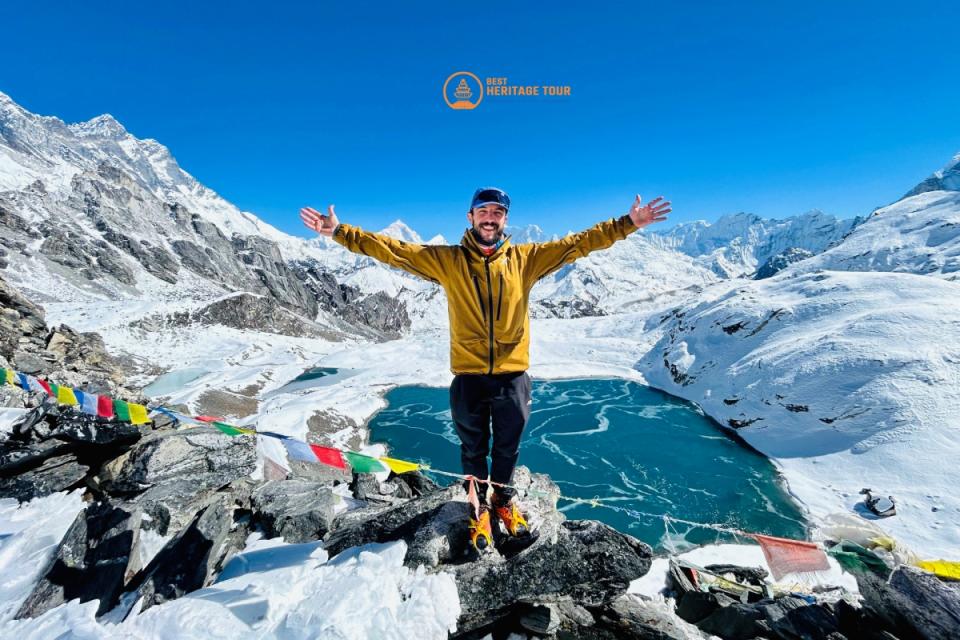
The trail consists of ancient stone stairs (on the Gokyo side) and loose scree/moraine (on the Lungden side). In 2026, weather patterns have remained unpredictable; early spring or late autumn treks may encounter snow or patches of ice on the pass, making trekking poles and micro-spikes essential.
3. Altitude Sickness (AMS)
Because the route stays above 4,000m for several days, the risk of Acute Mountain Sickness is real. Our guides at Best Heritage Tour are trained in Oximeter monitoring and AMS symptom recognition to ensure your safety.
Why Choose Renjo La with EBC Trek over the Classic EBC Trek?
-
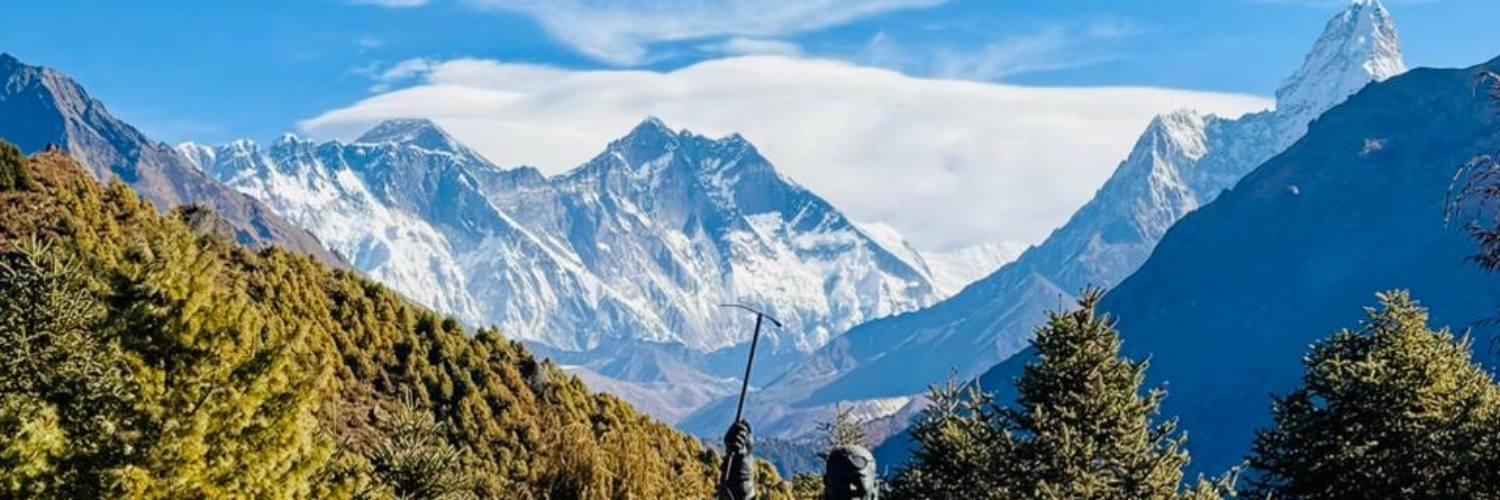
The "Everest Panorama": From the top of Renjo La, you see Everest, Lhotse, Makalu, and Cho Oyu reflected in the turquoise waters of the Gokyo Lakes. It is arguably a better photo opportunity than the view from Base Camp itself.
-
Solitude: The main EBC trail can feel like a "highway" in peak season. Renjo La offers the peace and quiet that the Himalayas are famous for.
-
Cultural Depth: The descent through Lungden and Thame takes you through "real" Sherpa country, less commercialized and rich in ancient traditions.
2026 Permit Requirements: What’s New?
As of 2026, the Nepal government and the Khumbu Pasang Lhamu Rural Municipality have streamlined permit processes. You no longer need the old TIMS card for this specific region. Instead, you require:
-
Khumbu Pasang Lhamu Rural Municipality Entrance Permit: NPR 2,000 (approx. $15).
-
Sagarmatha National Park Entry Permit: NPR 3,000 (approx. $23).
Note for 2026 Solo Trekkers: While Nepal has eased some solo trekking rules in 2026, the "Three Passes" region remains a high-risk zone. We strongly advise trekking with a licensed guide from a registered agency like Best Heritage Tour to navigate the pass safely, especially in case of sudden weather changes.
Expert Tips for a Successful Crossing
1. The "Golden Rule" of the Pass
Start Early. We aim to leave Gokyo by 5:00 AM. This ensures we reach the summit of the pass before the noon winds pick up and allows plenty of daylight for the long descent to Lungden.
2. Gear Essentials for 2026
-
Micro-spikes: Even in "dry" seasons, the shaded side of the pass can have lethal black ice.
-
Layering System: It can be -10°C at the pass and 15°C by the time you reach Thame.
-
Hydration: Drink 3-4 liters of water daily. Dehydration is a leading cause of AMS.
3. Physical Training
Start training 3 months before your trip. Focus on cardiovascular endurance (running, swimming) and leg strength (weighted squats, stair climbing). You should be comfortable walking 6 hours with a 5-10kg daypack.
Conclusion
The Renjo La Pass is more than just a notch on a map; it is a test of spirit and a feast for the eyes. Whether you are an experienced trekker looking to escape the crowds or a first-timer with a high level of fitness, this pass offers the most authentic "High Himalaya" experience available in 2026.
At Best Heritage Tour, we don’t just provide guides; we provide Sherpa experts who treat you like family. We handle the logistics, the permits, and the safety protocols so you can focus on the breathtaking horizon.
Ready to Conquer Renjo La?
Don't leave your Himalayan dream to chance. Join the experts at Best Heritage Tour for a safe, sustainable, and soul-stirring adventure.
Phone / WhatsApp / Viber: +977-9851149197 / +977-9810043046
Email: info@bestheritagetour.com / bestheritagetour@gmail.com
Website: www.bestheritagetour.com
Office: Thamel Marg, Kathmandu, Nepal
Author: Best Heritage Tour
Date: 29th April, 2026