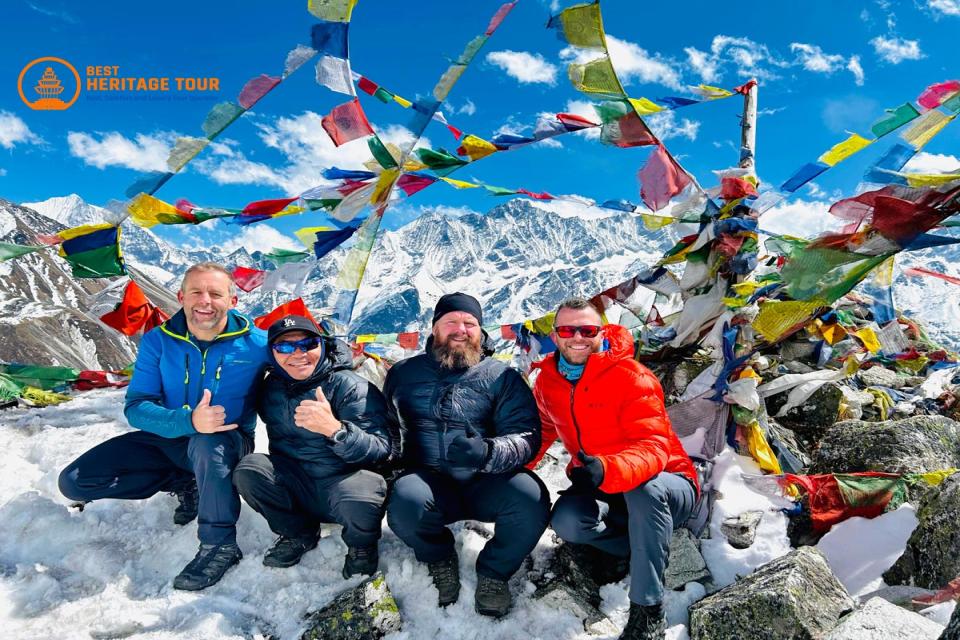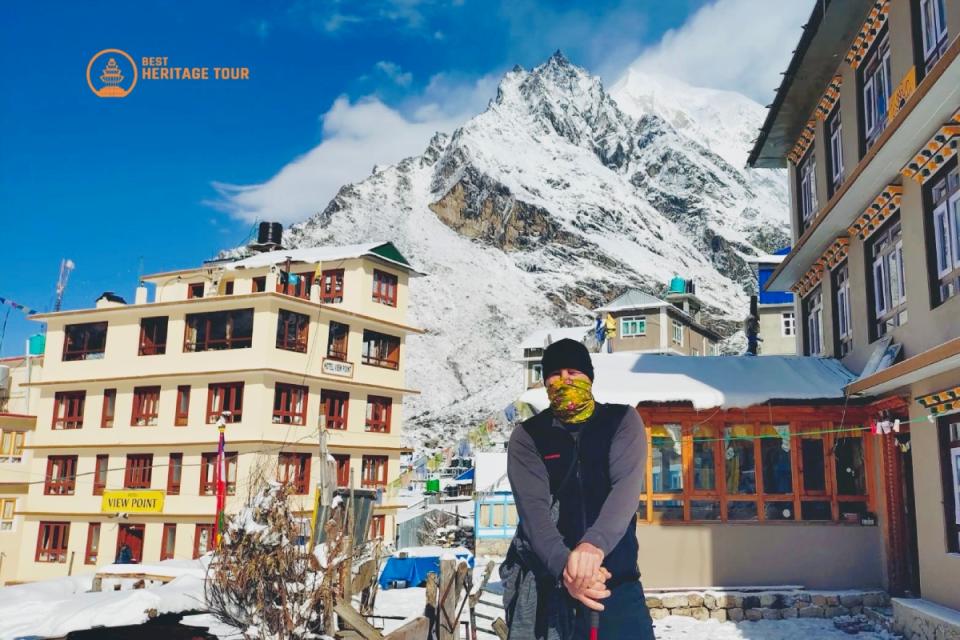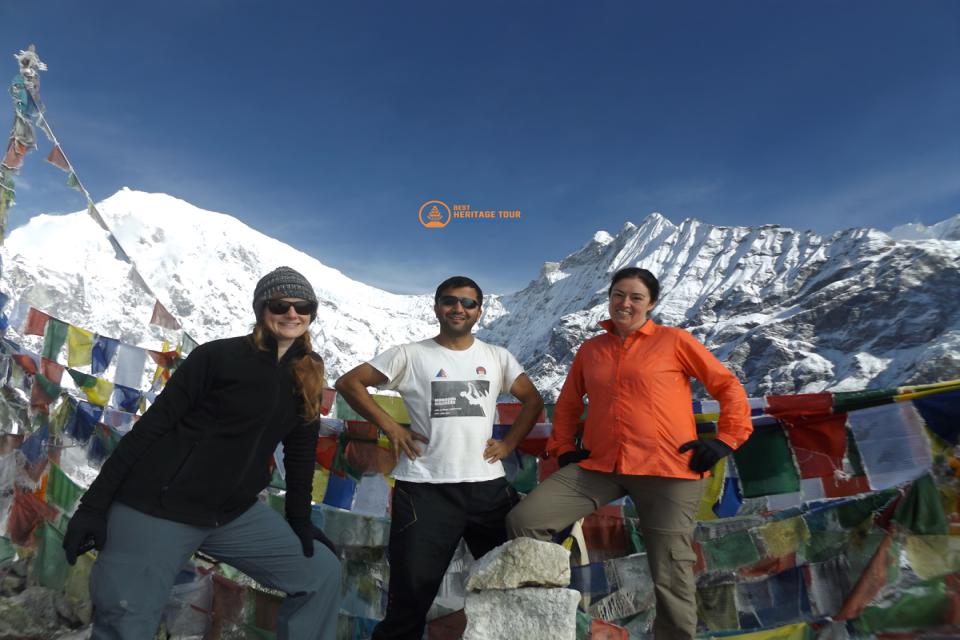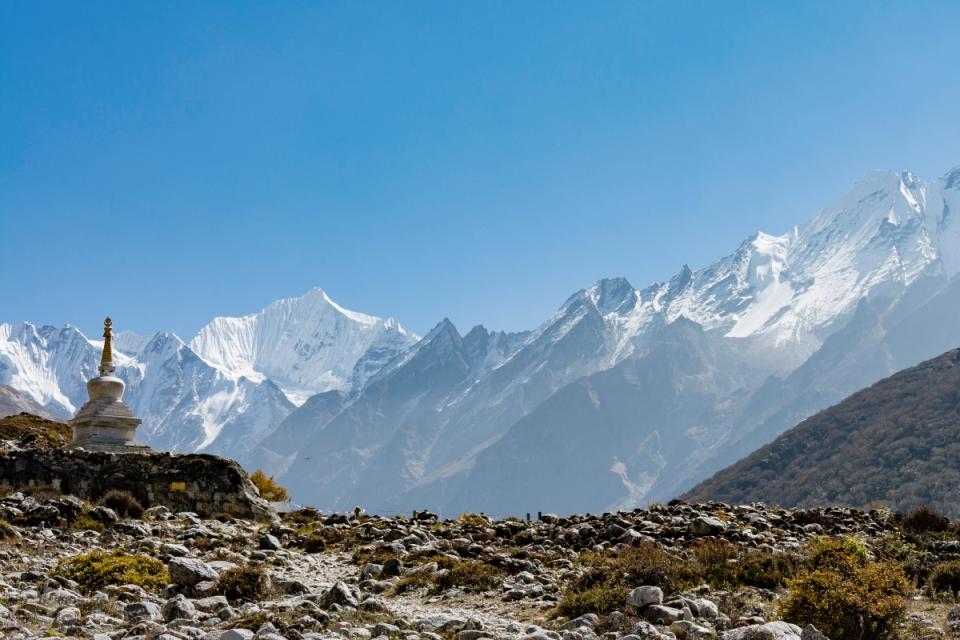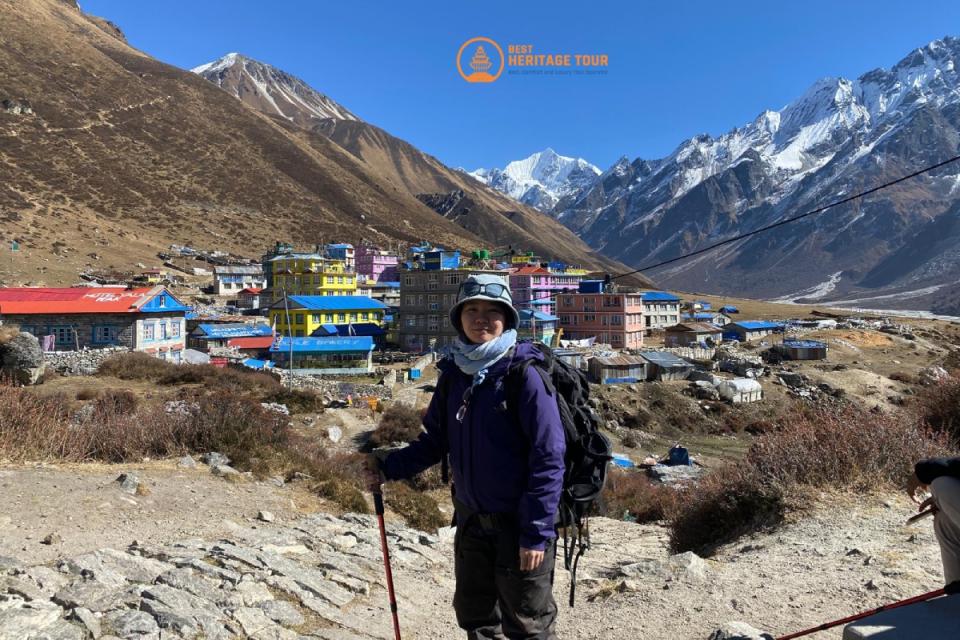
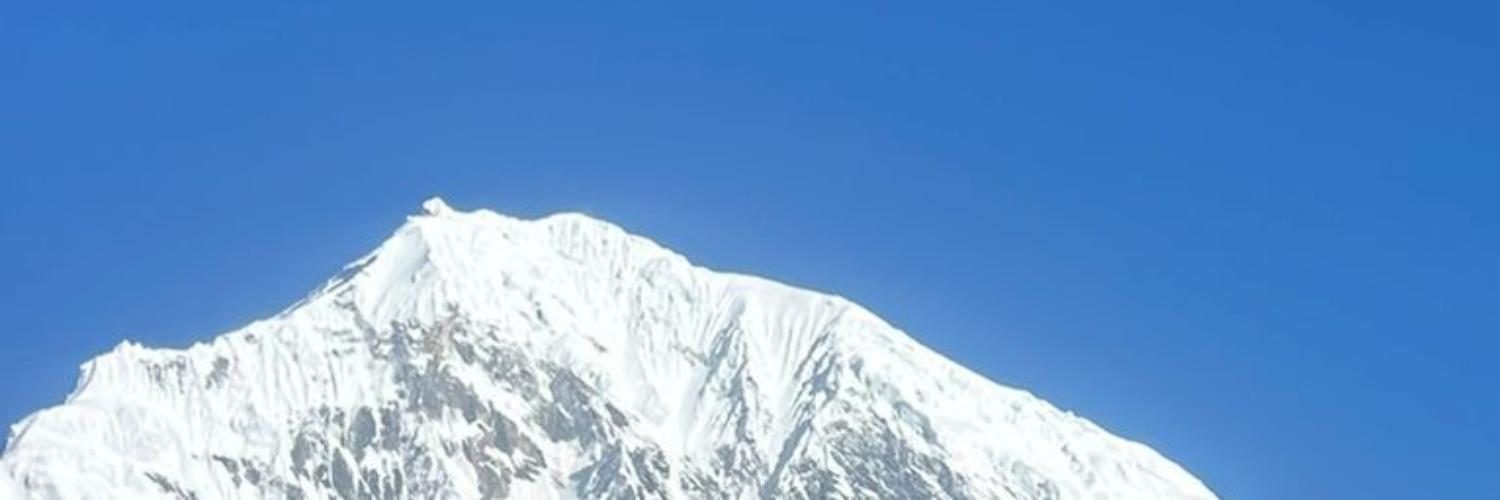
The Langtang Valley Trek is affectionately known as one of Nepal’s most beautiful alpine journeys. Winding through the dense rhododendron woodlands of Langtang National Park, past rushing glacial rivers, and culminating in the dramatic mountain amphitheater of Kyanjin Gompa (3,870 m / 12,696 ft), this trail offers an unbeatable combination of raw Himalayan scenery and rich Tamang cultural heritage.
But as you plan your adventure with us at Best Heritage Tour, a practical question naturally arises: What facilities can I expect inside a Room in Langtang Valley Trek?
When booking a trek in the Himalayas, understanding your overnight comfort is crucial for a successful journey. Mountain tourism in Nepal has evolved significantly. While the remote high-altitude regions do not feature luxury five-star resorts, the local teahouses (locally managed alpine lodges) provide a remarkably cozy, warm, and authentic sanctuary after a long day on the trail.
To give our guests the most reliable, up-to-date data, our senior trekking guide freshly mapped and documented the current conditions along the entire route. This comprehensive guide details exactly what kind of facilities can I get inside a room in Langtang Valley Trek, breaking down the logistics village by village so you can pack smartly and set accurate expectations.
The Core Anatomy of a Himalayan Teahouse Room
Before diving into specific amenities like electricity, plumbing, and internet infrastructure, it helps to understand the general layout of an alpine lodge room along the Langtang route.
With very few exceptions in the lowest entry points, rooms on this trek are built on a twin-sharing basis. This means a standard room contains two separate single wooden beds. Each bed is outfitted with a foam mattress, clean bedsheets, a pillow, and a thick, heavy quilt or blanket.
The walls are typically constructed from local timber or stone blocks, insulating you from the freezing mountain air. Depending on the specific lodge, you might also find a small wooden table, a wall mirror, and hooks to hang your technical outerwear. The overall atmosphere is rustic, minimalist, and deeply communal.
While heavy blankets are provided by the lodge owners, Best Heritage Tour strongly advises all our clients to pack a lightweight, 3-season sleeping bag liner. This adds an extra layer of personal hygiene and traps your body heat more efficiently when temperatures plummet below freezing at night.
Toilet and Bathroom Facilities: Attached vs. Shared
One of the most frequent inquiries we receive from international travelers regards bathroom privacy. Plumbing configurations change drastically as you ascend from the valley floor into high alpine terrain.
|
Trekking Station / Village |
Altitude (Meters / Feet) |
Plumbing Style Available |
Bathroom Type |
|---|---|---|---|
|
Syabrubesi |
1,550 m / 5,085 ft |
Western-style Flush or Asian Squat |
Mostly Attached |
|
Lama Hotel |
2,470 m / 8,103 ft |
Asian Squat Toilet |
Strictly Shared / Communal |
|
Langtang Village |
3,430 m / 11,253 ft |
Western-style Sit-down or Asian Squat |
Common to Find Attached |
|
Kyanjin Gompa |
3,870 m / 12,696 ft |
Western-style Sit-down or Asian Squat |
Common to Find Attached |
Hot Shower Availability and Logistics
Can you wash away the trail dust with hot water? Yes, but it requires an understanding of mountain resources.
Hot showers are available at every single overnight stop along the Langtang Valley Trek, including Syabrubesi, Lama Hotel, Langtang Village, and Kyanjin Gompa. However, because transport of energy resources up these rugged trails is intensely demanding, hot showers are never included in the base room price and incur an additional fee.
-
Average Cost: Around Rs. 500 (approximately USD 4.00) per individual shower.
-
The Technology Behind the Heat: Teahouses primarily utilize dual heating systems. On bright, cloudless days, solar panels heat large water cylinders. However, mountain weather is notoriously unpredictable. If it is cloudy, raining, or snowing, the lodge owners must switch to gas-heated shower systems running on imported LPG (Liquefied Petroleum Gas) cylinders carried up by porters or mules.
Because of the high cost and environmental footprint of burning gas at high elevations, this nominal fee directly supports the local economy. We suggest bringing a quick-dry travel towel and wet wipes for days when you prefer to skip a full shower to avoid the cold.
Electricity, Power Sources, and Device Charging
Staying connected and keeping your camera gear powered up is vital for capturing the breathtaking vistas of Langtang Lirung (7,227 m). The electrical infrastructure inside a room in Langtang Valley Trek varies extensively depending on where you stay.
Syabrubesi, Langtang Village, and Kyanjin Gompa
In these larger settlements, many modern teahouses have successfully routed electrical wiring directly into the individual guest rooms. You can often find standard multi-plug sockets right next to your bed.
-
The Cost Factor: In lower regions or premium accommodations, device charging inside your room is generally free of cost. However, as local power grids rely heavily on local micro-hydropower units or complex solar battery banks, teahouses may charge a fee of Rs. 200-300 (USD 1.50-2.50) per device per hour.
Lama Hotel
At Lama Hotel, the thick canopy of trees and deep gorge location limits solar collection, and there is no connection to the national electricity grid. Consequently, power outlets are completely absent from individual guest rooms.
-
The Logistics: To charge your phones, power banks, or camera batteries, you must bring your devices down to the communal dining hall. The lodge operators manage a centralized charging station, usually positioned near the main counter.
-
The Cost: Charging at Lama Hotel is strictly transactional, costing roughly Rs. 200-300 (USD 1.50-2.50) per device per hour.
WiFi, Internet Access, and Cellular Networks
If you need to check in with family, post updates to social media, or handle remote work, navigating the digital landscape of the Langtang region requires strategy.
While internet connectivity exists across most of the route, high-speed, unlimited free WiFi inside your room does not exist in the mountains.
The Teahouse WiFi Networks
At most stops, the teahouses offer a localized WiFi connection powered by long-range wireless links or satellite systems. To get the password, you must purchase network access, which ranges between Rs. 250-400 (USD 2.00-3.50). This fee typically grants you connection privileges for the duration of your overnight stay or provides a specific data cap.
Be aware that these networks are heavily shared. When thirty trekkers log on simultaneously in the evening to upload photos, the bandwidth slows down considerably. The connection is usually strong enough for text-based communication (WhatsApp, Viber, email) but cannot reliably support high-definition video calls or large downloads.
The Lama Hotel Digital Strategy
When staying overnight at Lama Hotel, standard localized teahouse WiFi is rarely available. To access the internet here, trekkers must purchase an Everest Link WiFi card or a similar pre-paid satellite internet voucher.
You can buy these cards directly from the lodge hosts, scratch off the security panel to reveal a PIN code, and log in through their dedicated hotspot portal. These cards must be recharged once your allocated data volume or time limit expires.
Cellular Data Alternative: Ncell vs. NTC (Namaste)
For those who prefer not to rely on teahouse networks, mobile SIM cards are an excellent alternative:
-
Ncell: Provides decent 3G/4G coverage up through Syabrubesi and parts of the trail leading to Lama Hotel. However, its signal drops off significantly in the deep upper valley.
-
Nepal Telecom (NTC / Namaste): Offers the most reliable cellular and mobile data coverage in the higher altitudes of Langtang Village and Kyanjin Gompa, thanks to recently upgraded tower installations. We recommend purchasing an NTC SIM card with a pre-loaded data pack in Kathmandu before heading out.
Indoor Heating and Essential Safety Rules
No matter how premium your teahouse is, there is absolutely no central heating or individual space heaters inside the guest rooms. Installing electric heaters would immediately overload the fragile solar and micro-hydro power grids that sustain these mountain communities.
Instead, the social and thermal focal point of every single teahouse is the communal dining room.
The Central Dining Stove
Every evening, the dining hall is warmed by a large, central metal stove fueled by dried yak dung or wood pellets. This space becomes incredibly warm, cozy, and vibrant. It is where our Best Heritage Tour groups gather to enjoy freshly prepared Dal Bhat, sip hot ginger tea, share trail stories, and review the map for the following day's trek.
Conclusion
Understanding the room logistics ensures you can focus entirely on the jaw-dropping landscapes, the warm smiles of the Tamang hosts, and the profound peace of the high Himalayas. While amenities become simpler as you climb closer to the clouds, the rustic charm and comforting hospitality of Langtang’s teahouses are an essential, unforgettable part of the overall trekking experience.
At Best Heritage Tour, we pride ourselves on delivering a perfectly balanced itinerary that pairs raw Himalayan exploration with the highest attainable standards of mountain safety, ethical porter treatment, and localized comfort. Our expert guides handle every logistical detail - from permit acquisitions to securing the finest rooms with attached bathrooms - leaving you free to immerse yourself in the journey of a lifetime.
Phone / WhatsApp / Viber: +977-9851149197 / +977-9810043046
Email: info@bestheritagetour.com / bestheritagetour@gmail.com
Website: www.bestheritagetour.com
Office: Thamel Marg, Kathmandu, Nepal
Author: Best Heritage Tour
Date: 9th June, 2026