The question that every trekker faces: When is the best time to trek to Everest Base Camp?
In the world of Himalayan trekking, two seasons reign supreme: Spring (March to May) and Autumn (September to November). Each season offers a completely different "flavor" of the Khumbu region. One is a riot of color and climbing energy; the other is a crystal-clear masterpiece of sharp peaks and blue skies.
At Best Heritage Tour, we’ve guided thousands of trekkers through both seasons. To help you choose the one that fits your dream, we’ve broken down everything from temperature charts to trail vibes.
1. Spring (March - May): The Season of Life and Conquest
Spring is often called the "King of Seasons" in Nepal. As the harsh winter snow begins to melt, the trails transform into a vibrant corridor of life.
The Weather & Temperature
Spring is characterized by warming temperatures. While it’s still "Himalayan cold," you’ll notice the bite in the air softens as April approaches.
-
Lower Elevations (Lukla/Namche): Daytime temperatures range from 10°C to 15°C (50°F-59°F).
-
High Altitudes (Base Camp/Gorak Shep): Daytime highs hover around 0°C to 5°C (32°F-41°F), while nights can still drop to -10°C.
Why You’ll Love Spring
-
The Rhododendron Bloom: Below 3,000 meters, the hillsides erupt in shades of candy-apple red and pink. Walking through these ancient forests is like stepping into a fairytale.
-
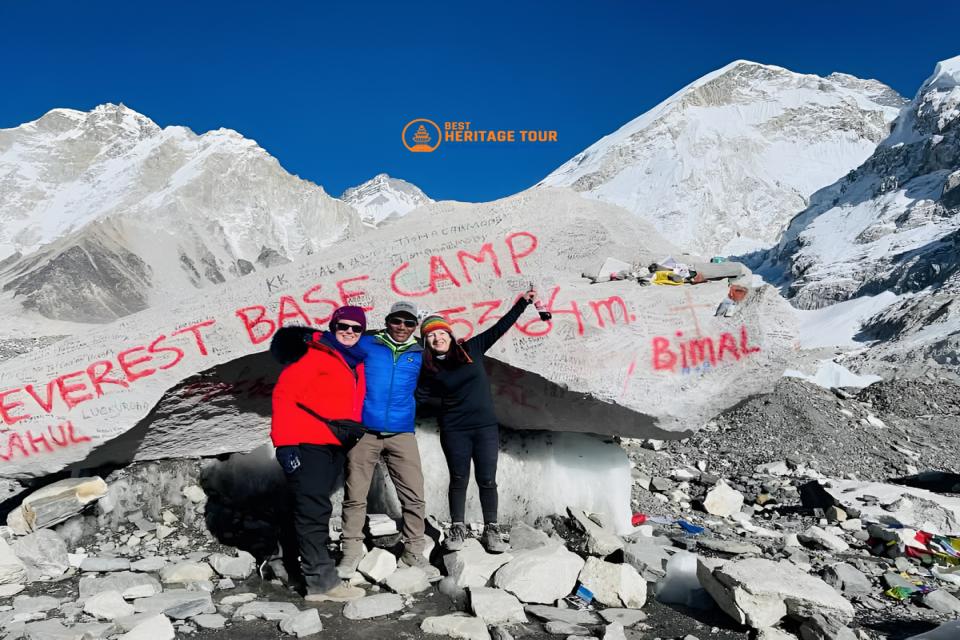
The Everest Base Camp "City": This is the only time of year when the Everest Climbing Season is in full swing. When you reach Base Camp, you’ll see the famous "Yellow Tent City" of elite mountaineers preparing for their summit bids.
-
Longer Days: More daylight means you can take a slower pace, enjoy longer lunch breaks, and soak in the sun at teahouse balconies.
The Trade-off
Spring can be slightly "hazy" at lower altitudes due to dust and pre-monsoon buildup. While the mornings are usually crystal clear, afternoon clouds are more common than in autumn.
2. Autumn (September - November): The Gold Standard for Views
If your main goal is to see every jagged edge of Mt. Everest, Lhotse, and Ama Dablam in high-definition, Autumn is your season.
The Weather & Temperature
Post-monsoon air is washed clean of dust and haze. The stability of the weather in October is legendary, which is why it remains the most popular trekking month in the world.
-
Lower Elevations: Daytime is pleasant at 12°C to 18°C (54°F-64°F).
-
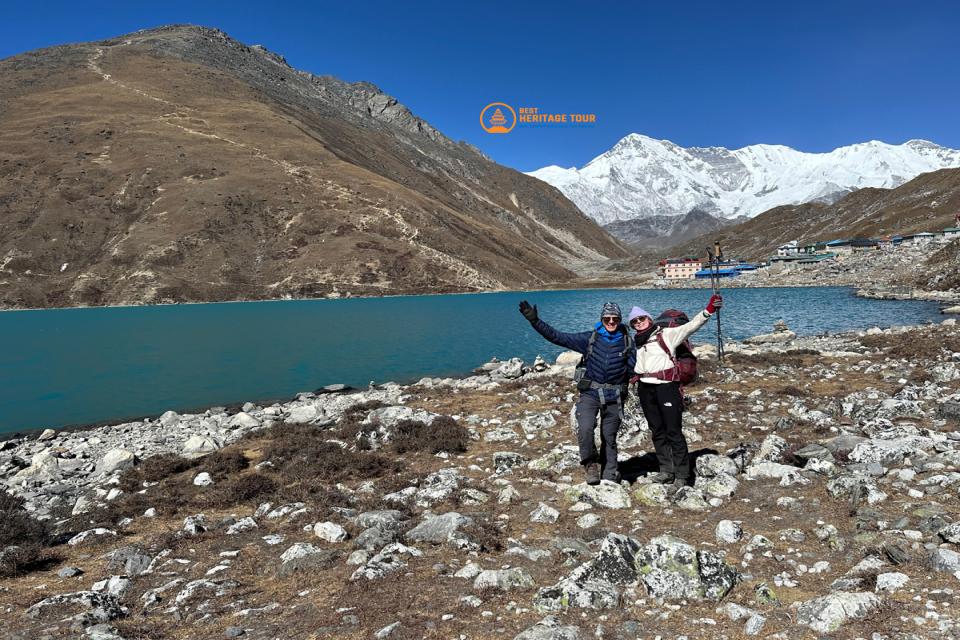
High Altitudes: The air is drier and crisper. Nights are colder than spring, often hitting -15°C at Gorak Shep by November.
Why You’ll Love Autumn
-
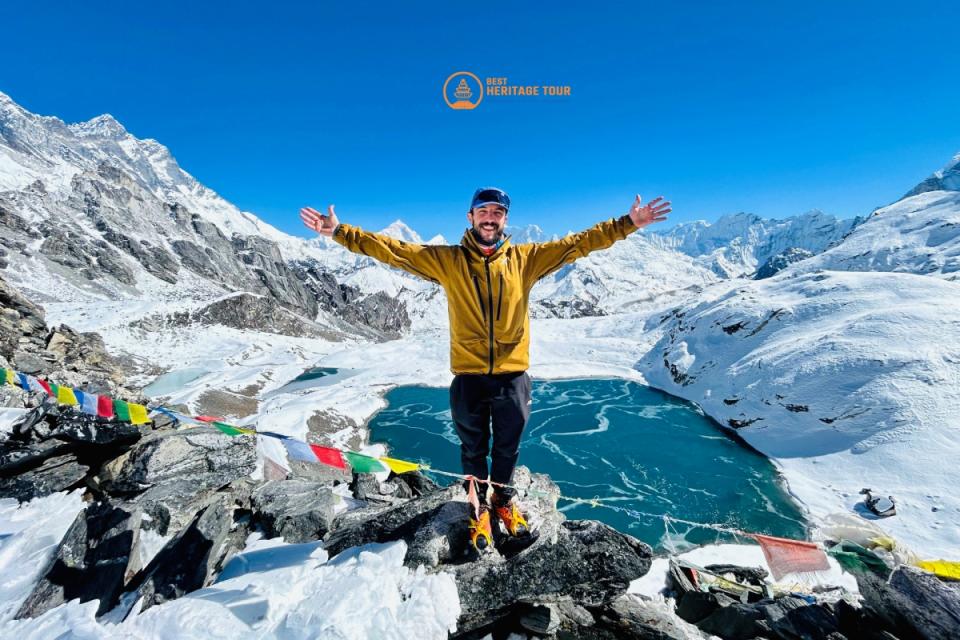
Unrivaled Clarity: The "sharpness" of the mountains in October is breathtaking. You’ll get those deep blue skies that look like they’ve been photoshopped.
-
Festivals Galore: October and November host Nepal’s biggest festivals, Dashain and Tihar. You’ll witness a beautiful side of Nepali culture as locals celebrate their heritage.
-
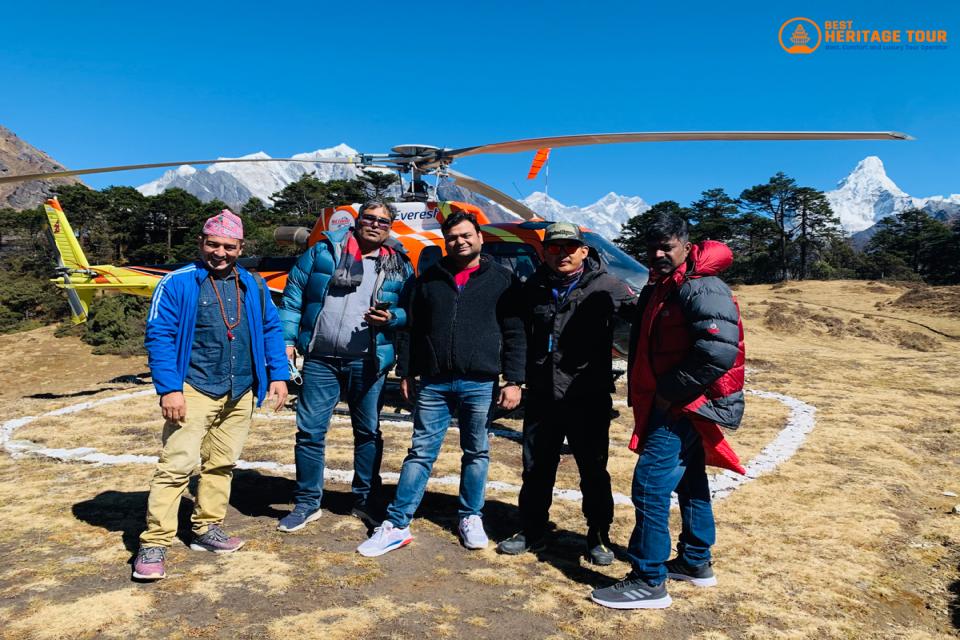
Stable Flight Windows: The "Lukla Flight" is famously weather-dependent. Autumn usually offers the most stable flight windows, reducing the risk of being stranded.
The Trade-off
Because the weather is so perfect, the trails are at their busiest. You’ll share the path with many fellow adventurers, and teahouses in places like Lobuche can get quite crowded.
3. Spring vs. Autumn: Side-by-Side Comparison
|
Feature |
Spring (March-May) |
Autumn (Sept-Nov) |
|---|---|---|
|
Visibility |
Excellent mornings; occasional afternoon clouds |
Crystal clear all day; high-definition views |
|
Scenery |
Blooming Rhododendrons & green hills |
Crisp landscapes & golden post-harvest fields |
|
Temperature |
Gradually warming; nights are manageable |
Gradually cooling; nights can be very cold |
|
Vibe |
High energy; meet Everest climbers |
Festive; cultural celebrations in villages |
|
Crowds |
Moderate to High |
High (Peak Season) |
4. What About the "Off-Seasons"?
While Spring and Autumn are the "best," some travelers prefer the road less traveled.
Winter (December - February)
The Pros: You’ll have the trails entirely to yourself. The skies are often the clearest of the year.
The Cons: It is brutally cold. Many high-altitude teahouses close, and you’ll need specialized gear to survive -25°C nights.
Monsoon (June - August)
The Pros: The Khumbu is lush, green, and empty.
The Cons: Heavy rain, leeches at lower altitudes, and clouds that often hide the mountains for days. Flights to Lukla are frequently cancelled during this window.
5. Expert Packing Tips for Both Seasons
Regardless of when you go, the "Layering Principle" is your best friend.
-
Base Layer: Moisture-wicking wool or synthetic (no cotton!).
-
Mid Layer: A fleece or "puff" jacket for warmth.
-
Outer Layer: A high-quality down jacket and a windproof/waterproof shell.
-
The "Sleeping Bag" Factor: Even in the "warm" spring, teahouse rooms are unheated. Best Heritage Tour recommends a 4-season sleeping bag rated to at least -15°C for both seasons.
6. The Verdict: Which One Should You Choose?
-
Choose Spring if: You love nature, flowers, and want to see the buzz of the world's highest base camp in action.
-
Choose Autumn if: You are a photographer, a first-time trekker wanting the most stable weather, or someone who wants to experience Nepal’s vibrant festivals.
At the end of the day, the "best" weather is the one that aligns with your schedule and your spirit. The Himalayas are majestic year-round, and every season tells a different story.
Why Trek with Best Heritage Tour?
Navigating the seasonal shifts of the Himalayas requires more than just a map; it requires local intuition. At Best Heritage Tour, our guides are born and raised in these mountains. We monitor weather patterns in real-time and adjust our itineraries to ensure your safety and maximum "view time."
Whether you want to witness the spring blooms or the autumn clarity, we handle the logistics, the permits, and the safety checks so you can focus on the climb.
Start Planning Your Everest Adventure Today!
Have more questions about the current weather in the Khumbu? Contact our expert team for a free consultation.
Best Heritage Tour Contact Details:
Phone / WhatsApp / Viber: +977-9851149197 / +977-9810043046
Email: info@bestheritagetour.com / bestheritagetour@gmail.com
Website: www.bestheritagetour.com
Office: Thamel Marg, Kathmandu, Nepal
Author: Best Heritage Tour
Date: 28th December, 2025