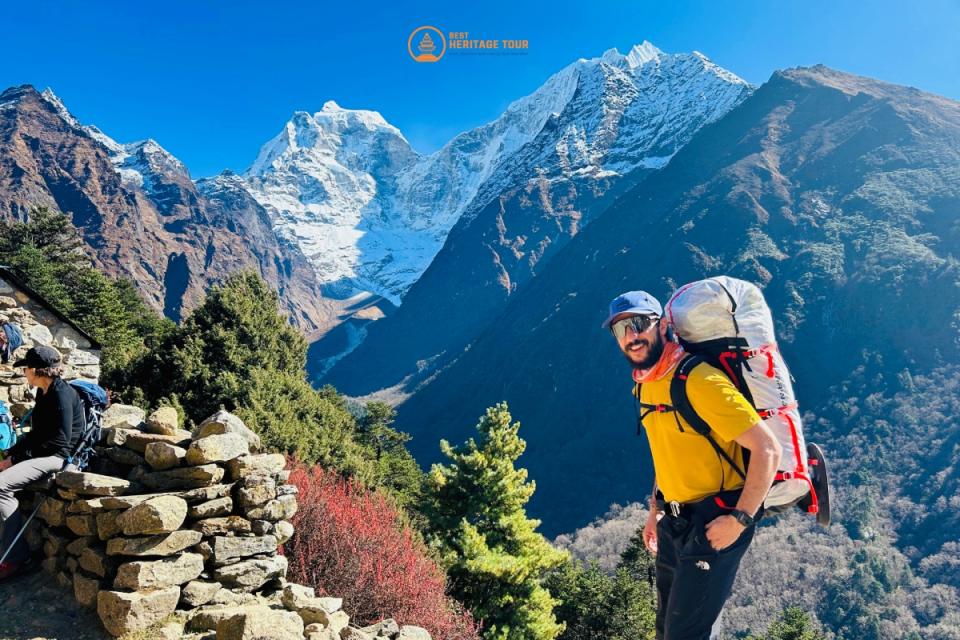
Choosing the right window to stand in the shadow of Mount Everest is the most crucial planning decision you will make. While the post-monsoon months are universally praised, looking closely at the Everest Base Camp Trek: September vs October matchup reveals two vastly different trail experiences.
As a premier local travel operator - Best Heritage Tour, we assist thousands of hikers in navigating the microclimates of the Khumbu region. The choice between September and October is not merely a matter of changing calendar pages; it dictates your flight reliability to Lukla, the daily clarity of the world's highest peaks, trail congestion, and the nighttime drop in temperature.
The Autumn Showdown: September vs October at a Glance
To help you visualize the core differences instantly, we have synthesized the typical trail conditions, climate metrics, and operational realities across both months.
|
Feature / Metric |
September Trekking |
October Trekking |
|---|---|---|
|
Trail Conditions |
Damp & lush early on; bone-dry by late September |
Solid, dry, and highly stable across all elevations |
|
Average Daytime Temp (Namche) |
12°C to 18°C (54°F to 64°F) |
10°C to 15°C (50°F to 59°F) |
|
Average Nighttime Temp (EBC) |
2°C to -5°C (36°F to 23°F) |
-5°C to -15°C (23°F to 5°F) |
|
Peak Sky Visibility |
High afternoon cloud risk (early); crystal clear (late) |
Unrivaled daily clarity from dawn until dusk |
|
Crowd & Traffic Density |
Low to moderate; quiet tea houses |
Extremely high; busy trails and full lodges |
|
Lukla Flight Reliability |
Moderate; cloud cover can trigger weather delays |
High; optimal high-pressure systems dominate |
Decoding September: The Lush, Quiet Transition
September acts as the gateway to the autumn climbing window. Choosing this month requires understanding a tale of two halves: the receding summer monsoon and the emerging crisp alpine weather.
Weather Dynamics and Trail Conditions
During early September, the tail end of the South Asian monsoon can linger. The lower sections of the trek - from Lukla (2,860m) through Phakding up to Namche Bazaar (3,440m) - may still experience evening showers. This keeps the trails beautifully emerald and vibrant, with active waterfalls that have completely dried up by later months.
By the third week of September, a powerful high-pressure system typically settles over the Himalayas. The atmospheric dust is entirely washed away, revealing deep blue skies and immaculate crisp air.
Crowds, Solitude, and Tea House Hospitality
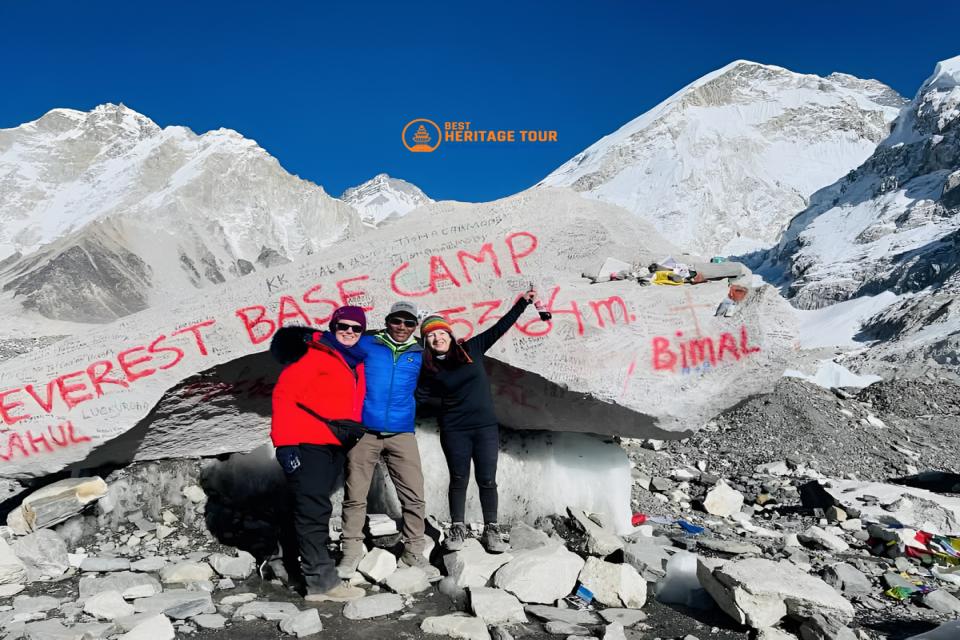
If your primary goal is to find quiet trails without sacrificing decent weather, late September is arguably the ultimate sweet spot. Because the broader global trekking community waits uniformly for October, you will share iconic viewpoints like Kala Patthar (5,545m) with only a handful of other adventurers.
In the tea houses, our groups experience an elevated level of local hospitality. Dining halls are warm but uncrowded, service is exceptionally fast, and finding private rooms with attached bathrooms in places like Tengboche or Dingboche is remarkably straightforward.
Decoding October: The Golden Peak of Himalayan Clarity
There is a definitive reason why October is globally recognized as the Best Month of Autumn Season for EBC Trek. It offers the most reliable, unchanging weather window of the entire calendar year.
The Gold Standard of Mountain Visibility
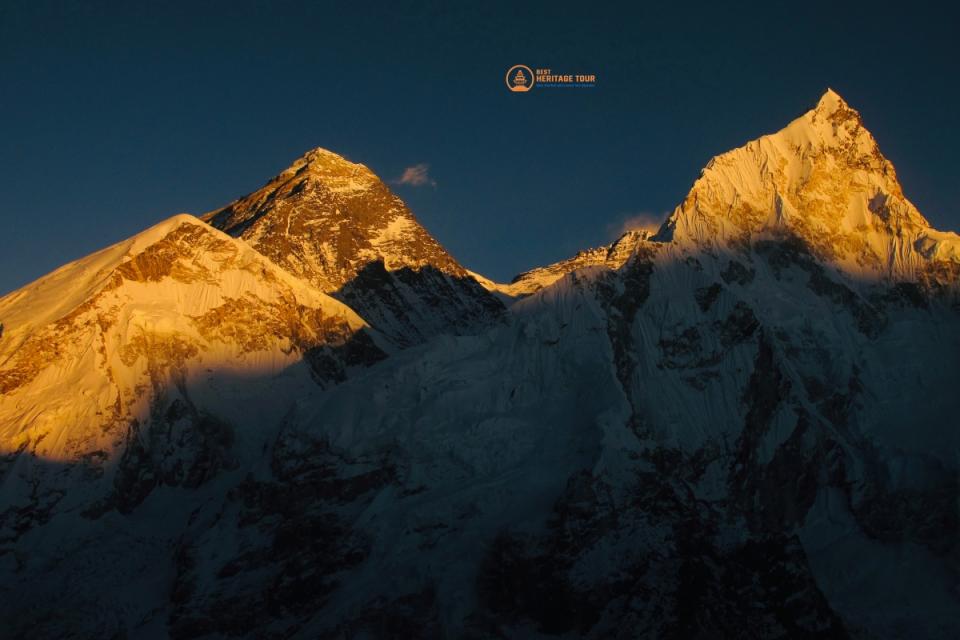
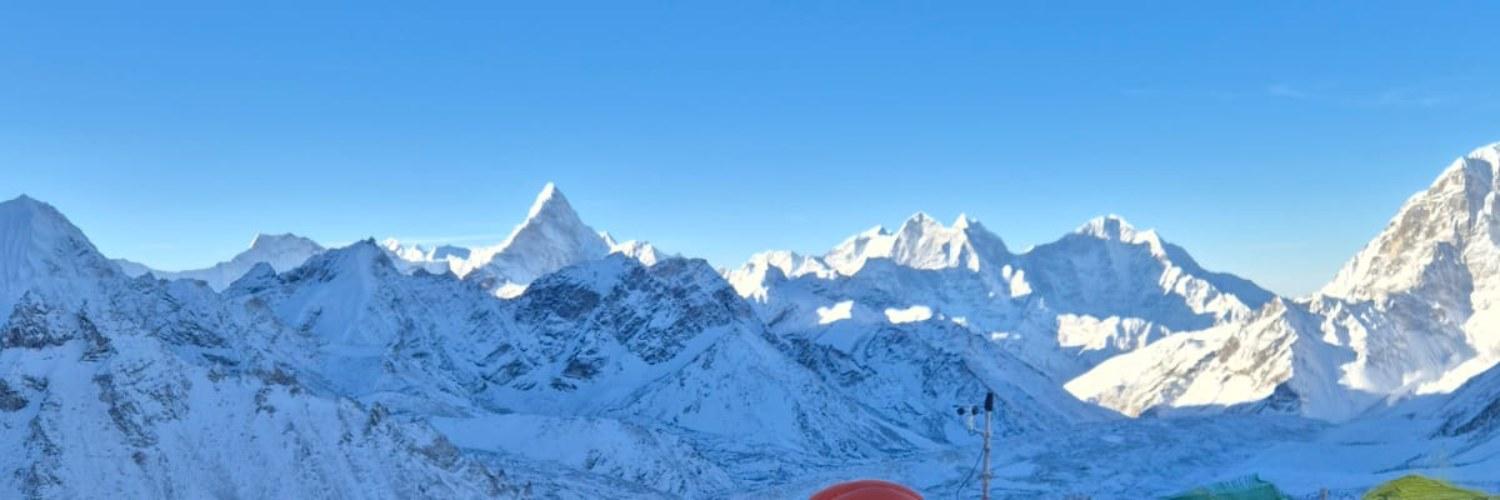
In October, the monsoon is completely gone. Day after day, the Khumbu region experiences pristine, cloudless mornings. If your absolute priority is capturing sharp, unobstructed photographs of Mount Everest (8,848.86 m), Lhotse (8,516\ m), Ama Dablam (6,812 m), and Nuptse (7,861 m), October delivers unmatched consistency. The air is dry, crisp, and completely free of afternoon heat haze.
The Trade-off: Navigating the Crowds
The perfection of October weather means you will be sharing the trail with global trekkers. Sagarmatha National Park frequently sees upwards of 10,000 visitors during this single month. The path between Namche and Tyangboche can occasionally feel like a steady queue rather than a remote wilderness escape.
Logistics during this month require precision. Rooms at higher settlements like Gorak Shep (5,180m) sell out months in advance. Porter availability is strained across the industry, and flights from Kathmandu or Manthali to Lukla run at absolute maximum capacity.
Crucial Head-to-Head Comparisons
To settle the debate on Which is the Best Month for EBC Trek?, let’s look directly at three practical pillars that impact your day-to-day experience.
1. Temperature vs. Comfort Zone
While October wins on sky clarity, September is undeniably a warmer, softer experience on the body.
-
In September: Daytime hiking can be done comfortably in a single moisture-wicking trekking shirt and light pants at lower altitudes. Nighttime temperatures at Everest Base Camp hover just around freezing.
-
In October: The cold becomes a serious factor. As soon as the sun dips behind the towering peaks, temperatures plummet sharply. At Gorak Shep, indoor dining rooms get frosty, and nighttime temperatures easily dive to -10℃ to -15℃ (14℉ to 5℉), requiring heavy-duty down gear and a rated four-season sleeping bag.
2. Lukla Flight Logistics & Delays
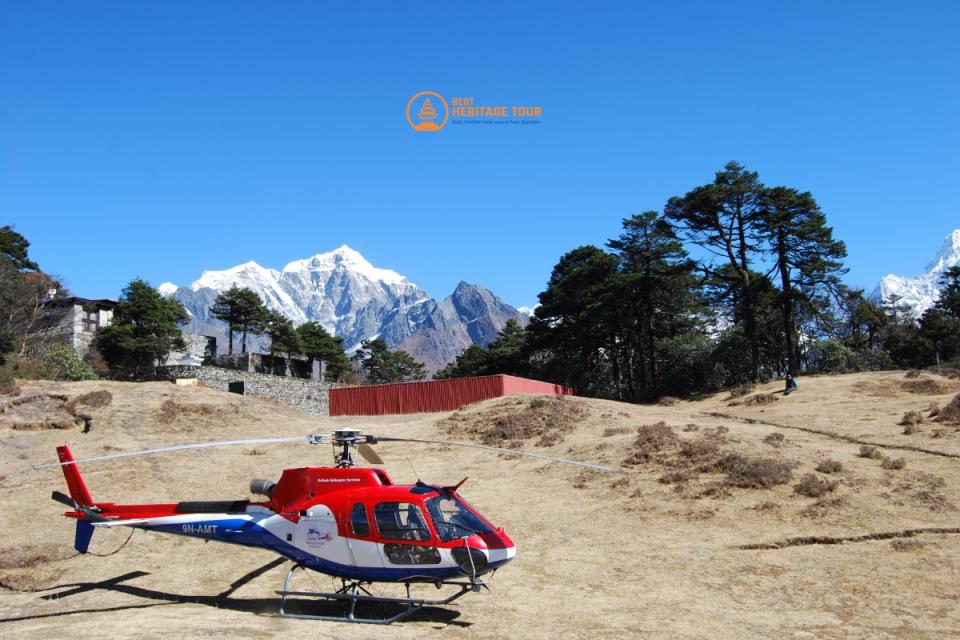
Lukla’s Tenzing-Hillary Airport is entirely dependent on visual flight rules (VFR).
-
September Risks: Early September still carries a higher risk of morning fog or low-lying cloud cover in the valleys, leading to flight delays or cancellations. Trekkers must maintain a buffer day or two in their itineraries.
-
October Reliability: October features stable atmospheric conditions, ensuring the highest percentage of on-time flight completions of the year.
3. Cultural Immersion and Local Festivals
Trekking through the Sherpa heartland isn't just about geology; it is about the community. September often aligns with major Nepali national festivals like Dashain, providing unique windows into local traditions as families gather, villages are decorated, and a celebratory spirit fills the foothills.
Packing Differences: Adjusting Your Gear List
While your baseline equipment stays identical, your tactical packing list should pivot based on the month you book.
If Trekking in September:
-
Gore-Tex Outer Layer: A high-quality, breathable hardshell jacket and waterproof pack cover are mandatory for potential early-month downpours.
-
Trekking Gaiters: Essential for keeping mud and damp debris out of your boots on the lower trails.
-
Insect Repellent: Useful below Namche Bazaar where the post-monsoon environment still hosts active insect life.
If Trekking in October:
-
Heavy Down Jacket: A high-loft down jacket (minimum 800 fill power) is critical for freezing evenings and the pre-dawn push up Kala Patthar.
-
Thermal Baselayers: Bring multiple sets of mid-to-heavyweight merino wool baselayers to sleep in and layer under your hiking clothes.
-
Extra Power Banks: Lithium-ion batteries drain rapidly in cold environments. Keep your phones, cameras, and power banks tucked inside your inner jacket pockets during the day.
The Strategic Verdict: Which Should You Choose?
Choose September if:
You are a flexible, independent traveler who values solitude, lush alpine greenery, warmer hiking conditions, and the opportunity to interact intimately with local hosts without the pressure of peak-season crowds. For the best of both worlds, aim your start date for September 20th or later.
Choose October if:
You are a first-time visitor to Nepal who wants guaranteed weather stability, flawless morning views of the highest mountains on Earth, and you don’t mind the vibrant, bustling social atmosphere of a busy international trail.
Conclusion
No matter which month aligns with your travel style, executing a seamless high-altitude trek requires meticulous local coordination, experienced guiding staff, and bulletproof safety protocols.
At Best Heritage Tour, we orchestrate fully supported, tailored expeditions through the Khumbu region. From managing your Lukla flight allocations during peak October chaos to providing high-caliber, localized guiding insight during the quiet transition of September, we take care of the heavy logistics so you can focus entirely on the horizon.
Contact Us to Customize Your Everest Expedition:
Phone / WhatsApp / Viber: +977-9851149197 / +977-9810043046
Email: info@bestheritagetour.com / bestheritagetour@gmail.com
Website: www.bestheritagetour.com
Office: Thamel Marg, Kathmandu, Nepal
Frequently Asked Questions
Is early September safe for the Everest Base Camp Trek?
Early September is safe, but it requires a flexible itinerary. The primary risks are slippery trail sections at lower elevations and potential flight delays to Lukla due to lingering monsoon clouds. Our experienced guides continuously track real-time weather maps to ensure absolute safety.
Do I need to book my tea houses in advance for October for EBC Trek?
Yes, independent booking during October is highly discouraged and incredibly difficult. Most premium tea houses prioritize long-standing local agency partnerships. Traveling with an established local team ensures your rooms, meals, and emergency logistics are secured well before you land in Kathmandu.
How bad are the crowds in October?
While the trails are busy, the crowd is highly international and creates a unique, shared sense of global camaraderie. However, if you want a completely quiet alpine wilderness experience, October will feel crowded at key chokepoints like Namche Bazaar and Tengboche.
Author: Best Heritage Tour
Date: 14th July, 2026