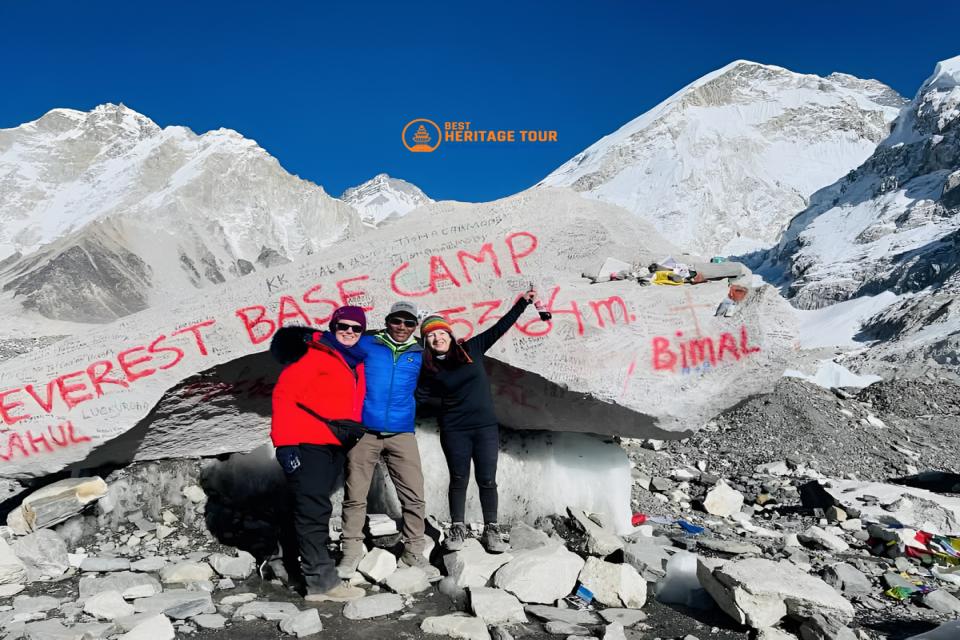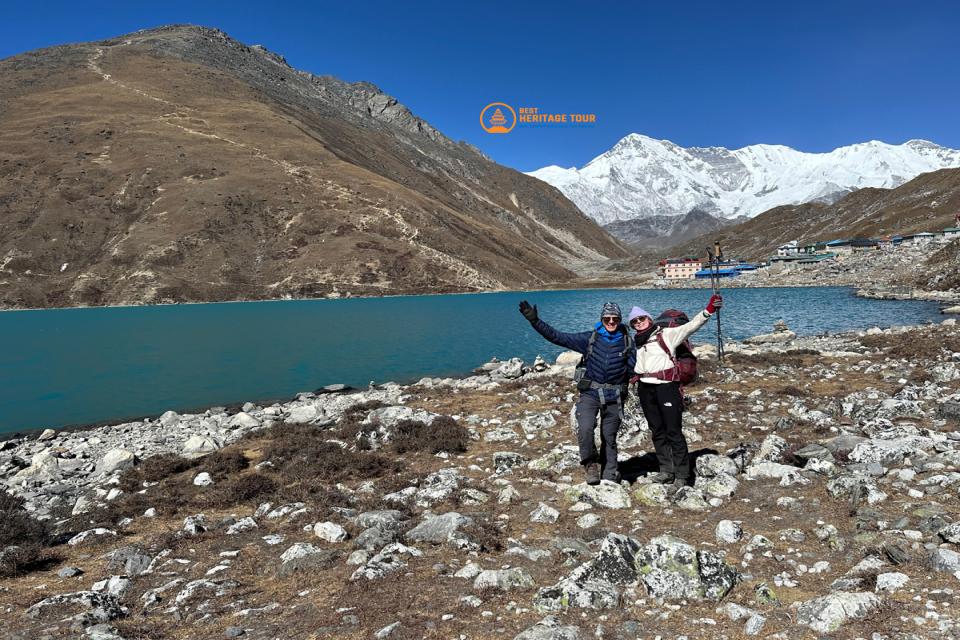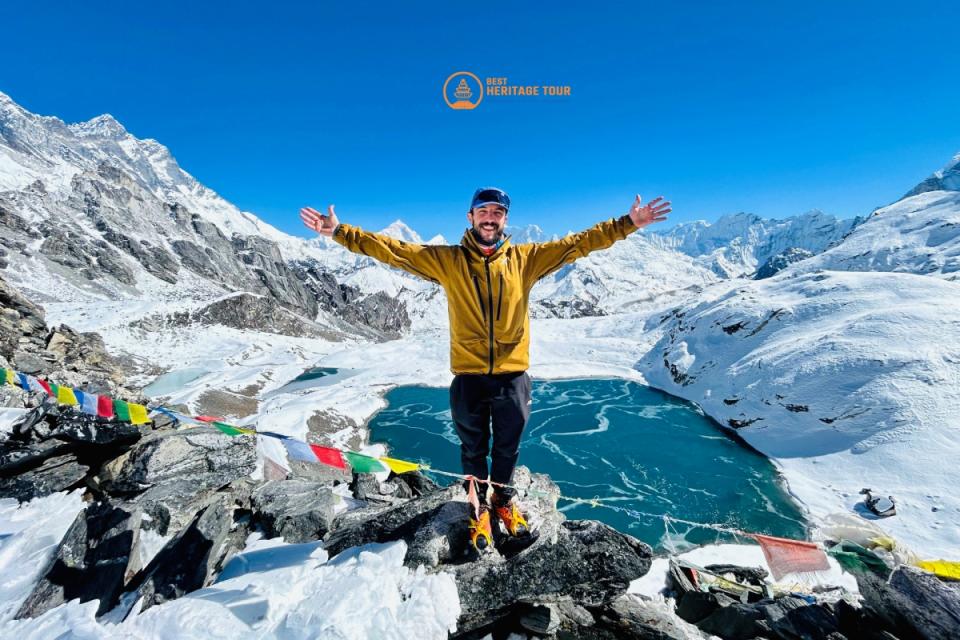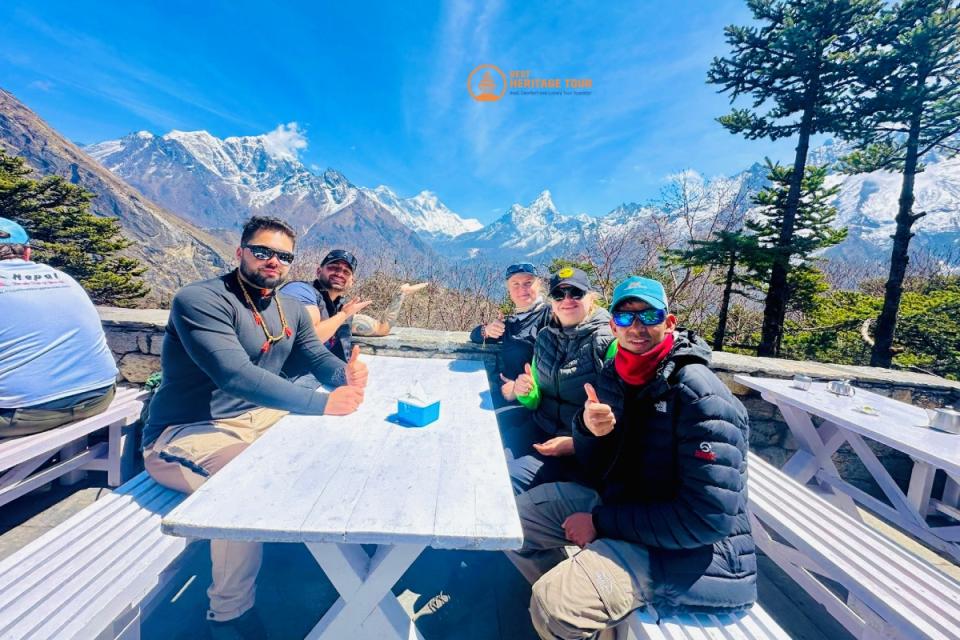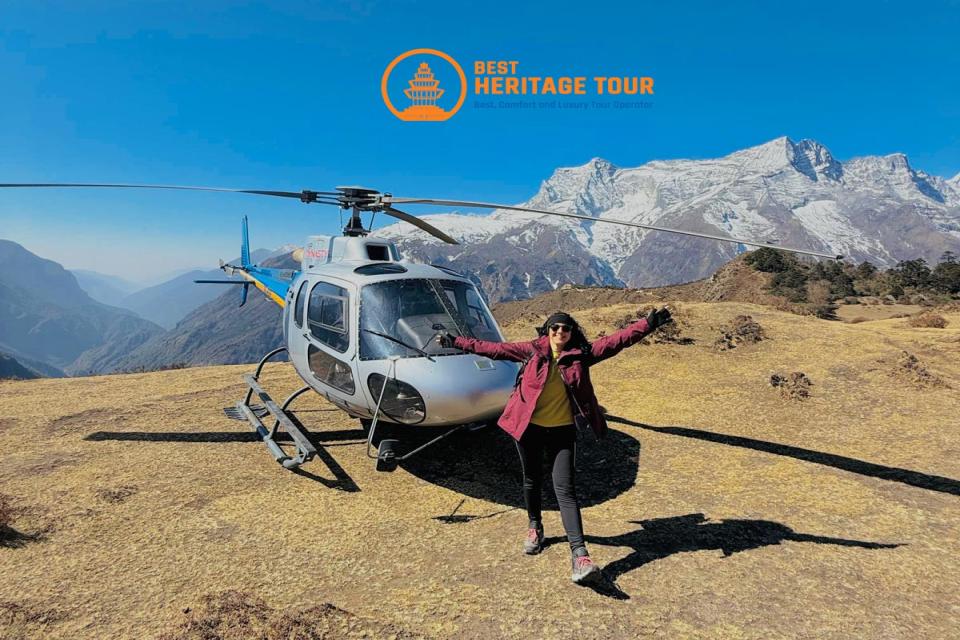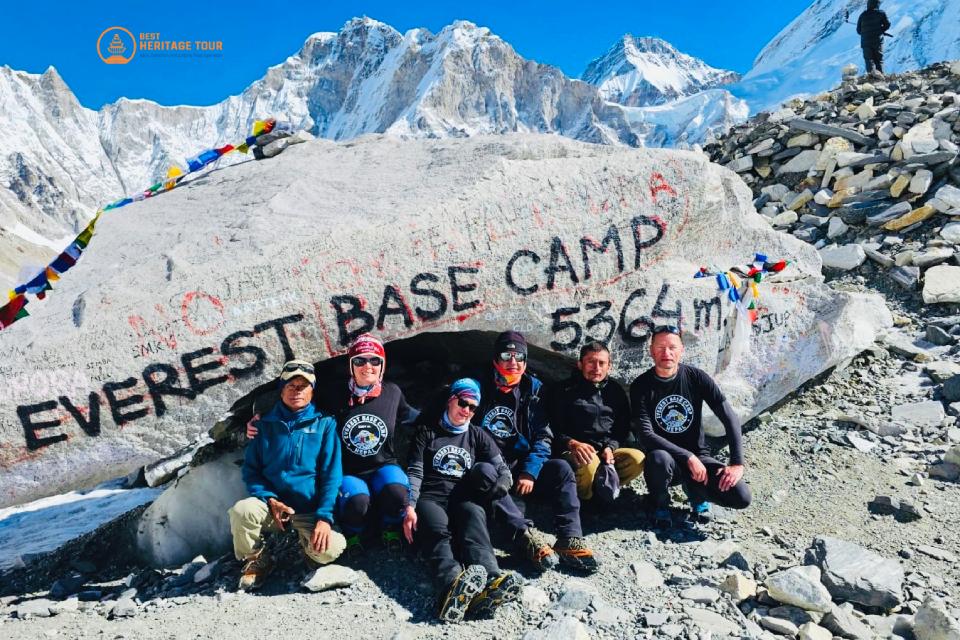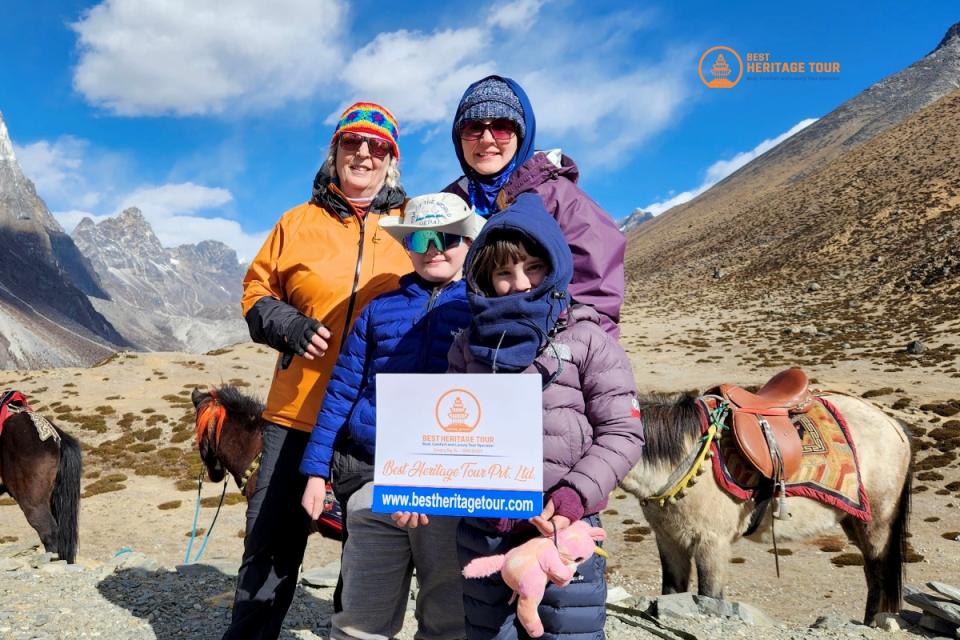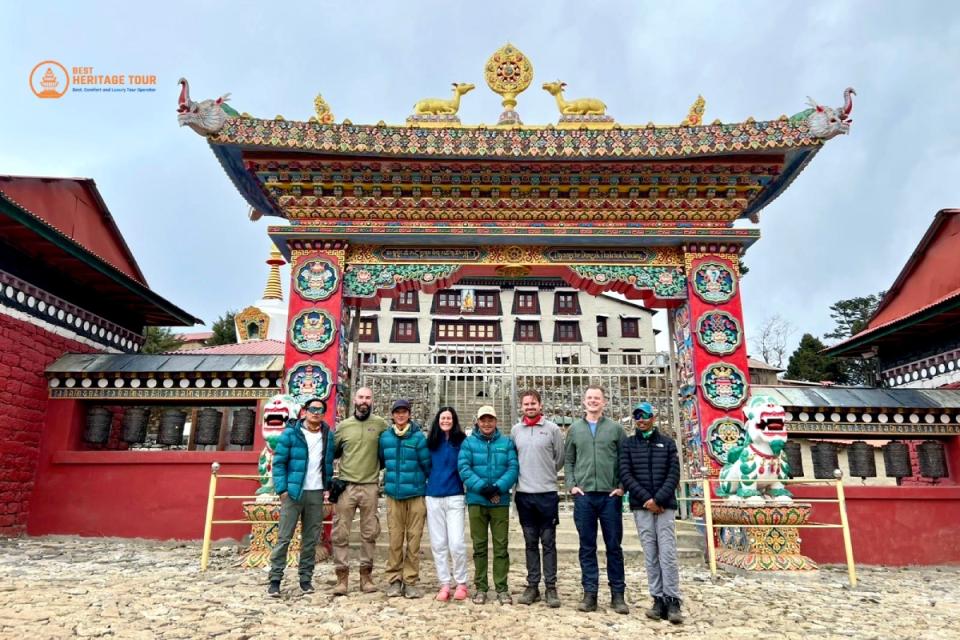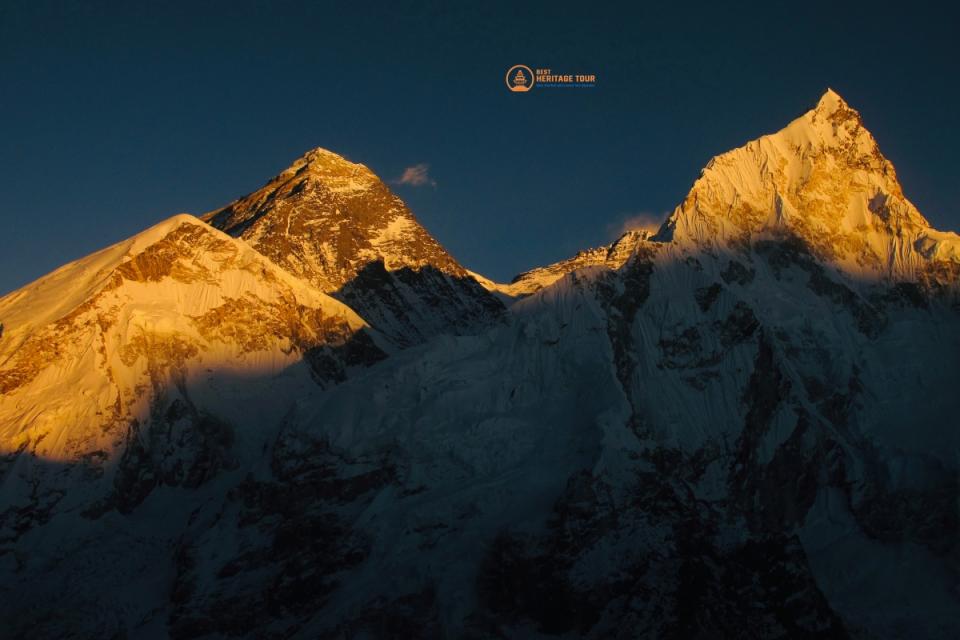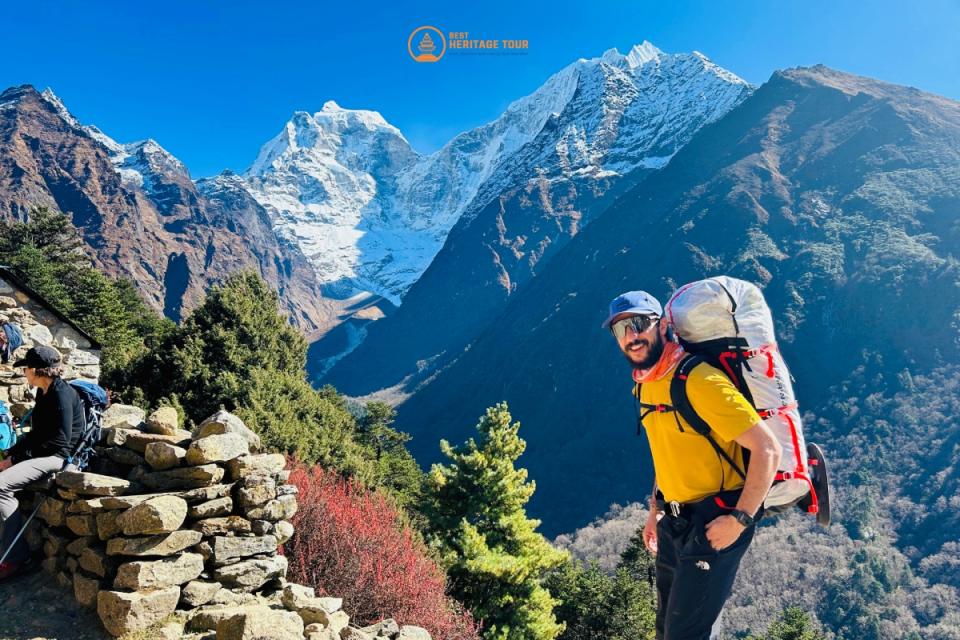
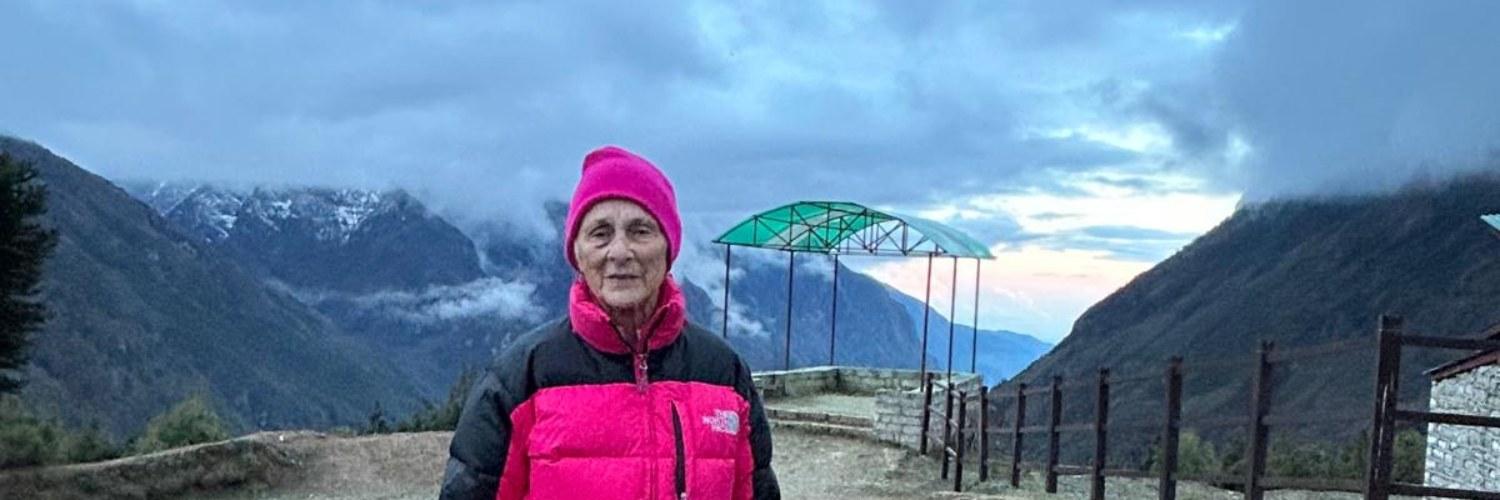
Stepping onto the historic trails of the Khumbu region during the dead of winter is an experience reserved for a distinct breed of adventurer. Trekking to Everest Base Camp (EBC) in January offers pristine, crystal-clear blue skies, entirely uncrowded trails, and sharp, unobstructed panoramas of Ama Dablam, Lhotse, and Mount Everest that peak-season travelers rarely witness. However, these legendary views come with an uncompromising caveat: bitter, sub-zero cold.
As a local travel agency based in Kathmandu, we at Best Heritage Tour have guided hundreds of winter expeditions. We know firsthand that your comfort and safety do not depend on luck - they depend on your layering system. When nighttime temperatures at Gorak Shep (5,164 m) plummet below -20°C (-4°F), the gear you carry in your porter duffel and daypack becomes your ultimate survival mechanism.
This comprehensive, field-tested packing list outlines exactly what you need to conquer the winter cold, prevent altitude complications, and fully experience the majestic silence of a Himalayan winter.
The Core Philosophy: The Three-Layer System
When preparing for winter trekking in Nepal, remember this absolute rule: Cotton is your enemy. Cotton traps sweat, holds moisture against your skin, and freezes at high altitudes, rapidly accelerating the risk of hypothermia. Every stitch of your clothing must be made of high-quality Merino wool or advanced synthetic fabrics (like polypropylene or polyester).
Our guides recommend managing your body heat using a dynamic three-layer configuration:
-
The Base Layer (Moisture Management): Sits directly against your skin to pull sweat away from your body before it cools down and chills you.
-
The Mid Layer (Insulation): Traps your natural body heat within its fibers to create a pocket of warm air.
-
The Outer Layer (Weather Barrier): Shields you from the piercing wind-chill, sudden blizzards, and alpine snow.
Comprehensive Clothing Checklist
Base Layers (Next-to-Skin)
-
3 × Merino Wool Long-Sleeve Tops: Opt for a mid-to-heavyweight fabric profile (200g/m² or higher). Merino wool naturally resists odor, meaning you can wear the same piece for several days without discomfort.
-
2 × Heavyweight Thermal Leggings: Essential for layering underneath your hiking pants during day treks and for staying warm inside unheated teahouse bedrooms at night.
-
4-6 × Moisture-Wicking Underwear: Synthetic or merino options that dry rapidly.
Insulation & Mid Layers
-
1 × Polartec Fleece Jacket (200 or 300 weight): Your primary mid-layer workhorse during active daylight hours. It remains breathable while trapping heat effectively.
-
1 × Down Vest or Lightweight Puffer: Perfect for layering over your fleece when taking short breaks on the trail, preventing your body temperature from suddenly dropping.
Outer Shells & High-Insulation Gear
-
1 × Expedition-Grade Down Jacket (700+ Fill Power): This is your life insurance policy against the Himalayan winter. It should feature a heavy, insulated hood and a robust box-wall construction. You will wear this during early morning departures, high-altitude stretches, and every evening in the common areas of the lodges.
-
1 × Waterproof & Windproof Hard Shell Jacket: Made of Gore-Tex or an equivalent breathable, waterproof membrane. It must fit comfortably over your fleece and lightweight down jacket.
-
2 × Technical Trekking Pants: Look for wind-resistant, heavy-duty softshell trousers. Microfleece-lined options are excellent for winter trails.
-
1 × Waterproof/Windproof Rain Pants: Essential for blocking biting winds on high ridges or protecting you during a winter snowstorm.
Extremities, Footwear, and Headwear
Your body prioritizes core temperature when cold, meaning your hands, feet, and face are the first areas vulnerable to frostbite. Protecting your extremities is vital.
Head & Face Protection
-
1 × Heavyweight Woolen Beanie: Must completely cover your ears. You will wear this almost 24/7 above Namche Bazaar.
-
1 × Sun Hat or Baseball Cap: The high-altitude winter sun is deceptively intense; UV radiation increases by roughly 10% for every 1,000 meters of elevation gain.
-
2 × Merino Wool Buffs or Neck Gaiters: Essential for protecting your neck and throat. Pulling a buff over your mouth prevents the notorious "Khumbu Cough" caused by inhaling freezing, dry mountain air.
-
1 × Polarized Glacier Sunglasses (Category 3 or 4): Standard fashion sunglasses will not protect you. High-altitude snow reflects blinding UV rays that can cause temporary snow blindness.
Hand Protection
-
1 × Pair of Lightweight Liner Gloves: Thin touchscreen-compatible gloves made of merino wool or polypropylene. You wear these constantly, even when taking photos.
-
1 × Pair of Heavyweight Mountaineering Gloves or Mittens: Waterproof, windproof, and heavily insulated (Primaloft or down-filled). Mittens are generally preferred for January as they keep your fingers together for shared warmth.
Footwear & Socks
-
1 × Pair of High-Ankle Trekking Boots: These must be waterproof (Gore-Tex lined), thoroughly broken-in before your trip, and spacious enough to accommodate thick socks without pinching your toes (which restricts blood circulation).
-
4 × Pairs of Thick Merino Wool Hiking Socks: High-density cushioning to prevent friction blisters and keep your feet insulated.
-
2 × Pairs of Thin Liner Socks: Worn under your main socks to reduce friction and minimize blister risks.
-
1 × Pair of Camp Shoes or Insulated Booties: For wearing inside the teahouses after a long day of hiking. Avoid open sandals in January.
-
1 × Pair of Microspikes / Yaktrax: Absolutely mandatory for January. Sections of the trail between Tengboche, Lobuche, and Gorak Shep often feature hard-packed snow and hidden black ice.
Hardware, Sleeping Gear, and Technical Electronics
Sleeping System
While teahouse operators provide mattresses and heavy blankets, these are insufficient against sub-zero winter nights.
-
1 × Four-Season Sleeping Bag (Rated down to -15°C to -20°C / 0°F to -4°F): Do not compromise on this rating. A good night's rest is critical for your body's acclimatization process.
-
1 × Fleece or Silk Sleeping Bag Liner: Adds an extra 3°C to 5°C of insulation and keeps the interior of your sleeping bag clean.
Backpacks and Carrying Gear
-
1 × Porter Duffel Bag (60L-90L): A durable, water-resistant duffel bag (often provided as part of our booking packages) to hold your main gear. This is carried by our dedicated porters and capped at a strict 10-11 kg limit for safety.
-
1 × Technical Daypack (25L-35L): Carried by you. It must feature an ergonomic hip belt and rain cover. You will pack this with daylight essentials: water, snacks, camera, layers, and your personal first-aid kit.
Electronics Management in Sub-Zero Conditions
Lithium-ion batteries drain rapidly when exposed to extreme cold. A battery that lasts two days in Kathmandu might die in two hours at Gorak Shep.
-
1 × High-Capacity Power Bank (20,000mAh+): Look for robust models. Keep this, your phone, and camera batteries stored inside your sleeping bag at night to preserve their charge.
-
1 × Reliable Headlamp: Essential for pre-dawn ascents (like the freezing morning hike up Kala Patthar) and moving around unlit teahouses at night. Bring extra lithium batteries or a charging cable.
-
1 × Universal Travel Adapter: For charging at lower-altitude teahouses (Type C and D plugs are standard).
Hydration, Health, and Personal Sanitation
Advanced Hydration Strategy
Drinking water is your primary defense against Acute Mountain Sickness (AMS). You need to consume 4 to 5 liters of fluid daily.
-
2 × 1-Liter Wide-Mouth Nalgene Bottles: Do not use hydration bladders with long hoses; the water inside the exposed tube freezes instantly above 4,000 meters.
-
2 × Insulated Bottle Sleeves: Prevents the water inside your Nalgene from freezing solid during the day.
-
Water Purification Systems: Boiling water gets expensive as you climb higher. Bring a Steripen (UV purifier) or high-grade Chlorine Dioxide tablets (Aquatabs) to safely treat cold tap or stream water.
Essential Medical Kit
-
Diamox (Acetazolamide): Consult your travel physician before departure regarding its use for altitude sickness prevention.
-
Pain Relief & Anti-inflammatories: Ibuprofen or Paracetamol help manage altitude-induced headaches and muscle soreness.
-
Gastrointestinal Medications: Imodium, Pepto-Bismol, and broad-spectrum antibiotics (like Azithromycin) prescribed by your doctor for travelers' diarrhea.
-
Blister Mitigation: Moleskin, Leukotape, and antiseptic wipes.
-
Throat Lozenges: Essential for soothing dry airways.
Personal Sanitation
-
2 × Rolls of Toilet Paper: Readily available in Kathmandu but scarce and expensive on the trail.
-
Biodegradable Wet Wipes & Hand Sanitizer: Showers are unappealing and rarely operational during freezing winter months; wet wipes are your main alternative for daily hygiene.
-
High-SPF Sunscreen & Lip Balm: UV ray protection is critical on snow-covered sections.
Conclusion
Trekking to Everest Base Camp in January is an empowering, unforgettable experience, provided you respect the climate and prepare meticulously. By implementing a strict layering strategy and carrying the correct sub-zero gear, you transform a potentially grueling survival challenge into a comfortable, awe-inspiring winter wonderland expedition.
At Best Heritage Tour, we specialize in managing the complex logistics of winter high-altitude treks. From organizing top-tier porters and expert local guides to providing premium cold-weather gear support, we ensure your safety and comfort every step of the way.
Book Your Winter Adventure with Us
Ready to stand face-to-face with the world's highest peaks without the peak-season crowds? Let our experienced team curate your perfect winter itinerary.
Phone / WhatsApp / Viber: +977-9851149197 / +977-9810043046
Email: info@bestheritagetour.com / bestheritagetour@gmail.com
Website: www.bestheritagetour.com
Office: Thamel Marg, Kathmandu, Nepal
Frequently Asked Questions (FAQ)
Can you buy or rent trekking gear in Kathmandu?
Yes. Kathmandu’s Thamel district is a major hub for trekking gear. You can easily rent expedition-grade down jackets and -20°C sleeping bags for a fraction of the retail cost (typically $2 to $3 USD per day). You can also purchase affordable local gear, though we recommend investing in high-quality, authentic footwear and polarized eyewear before arriving.
Is the water readily available on the EBC trail in January?
Yes, but plumbing often freezes overnight in winter. Teahouses will provide water from storage tanks or indoor taps. It is vital to treat this water yourself using chemical tablets or a UV Steripen, as freezing temperatures do not kill all bacteria. Avoid buying single-use plastic water bottles to help minimize environmental waste in the park.
Author: Best Heritage Tour
Date: 10th July, 2026