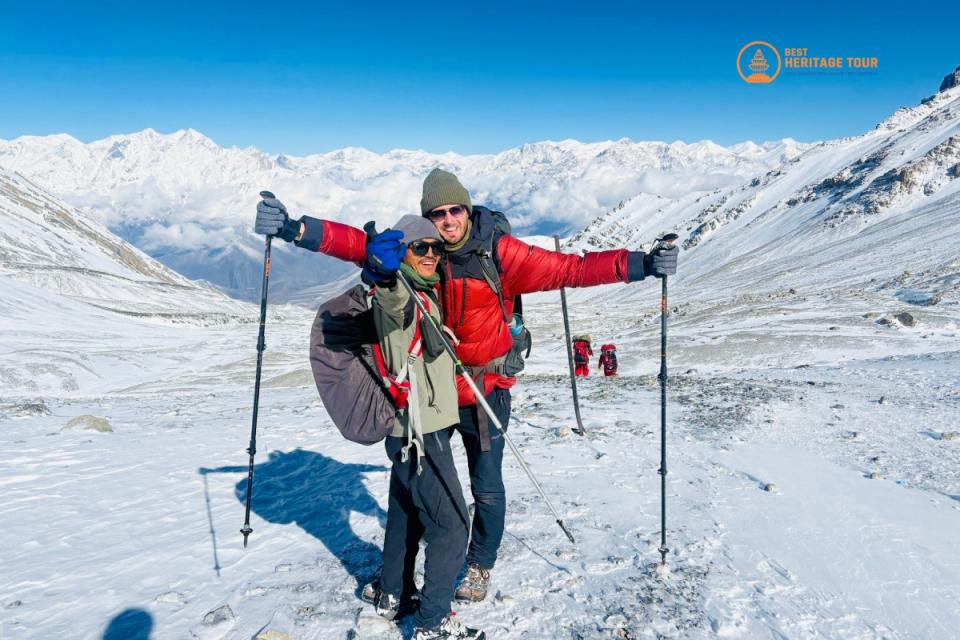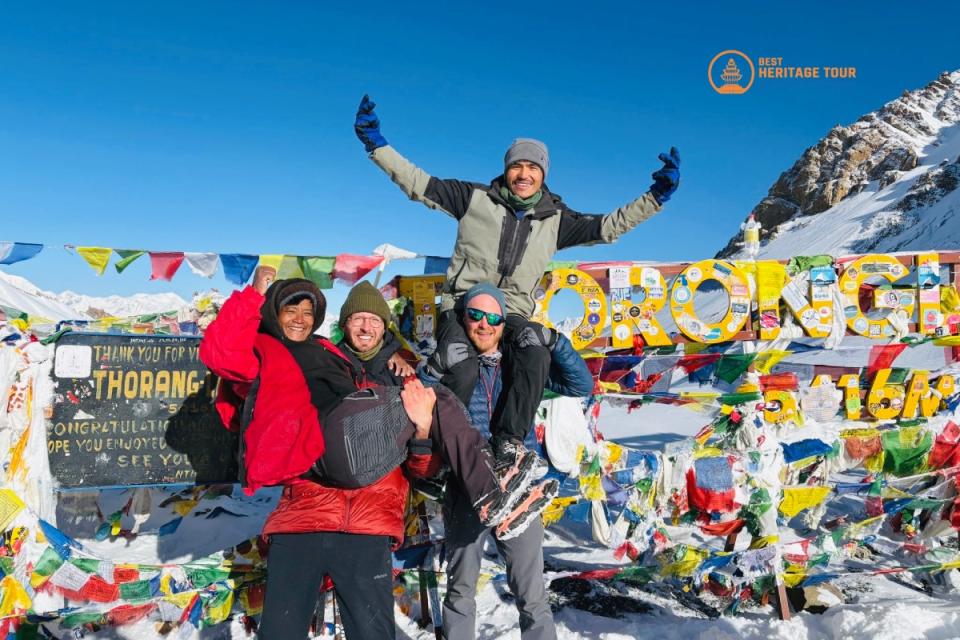
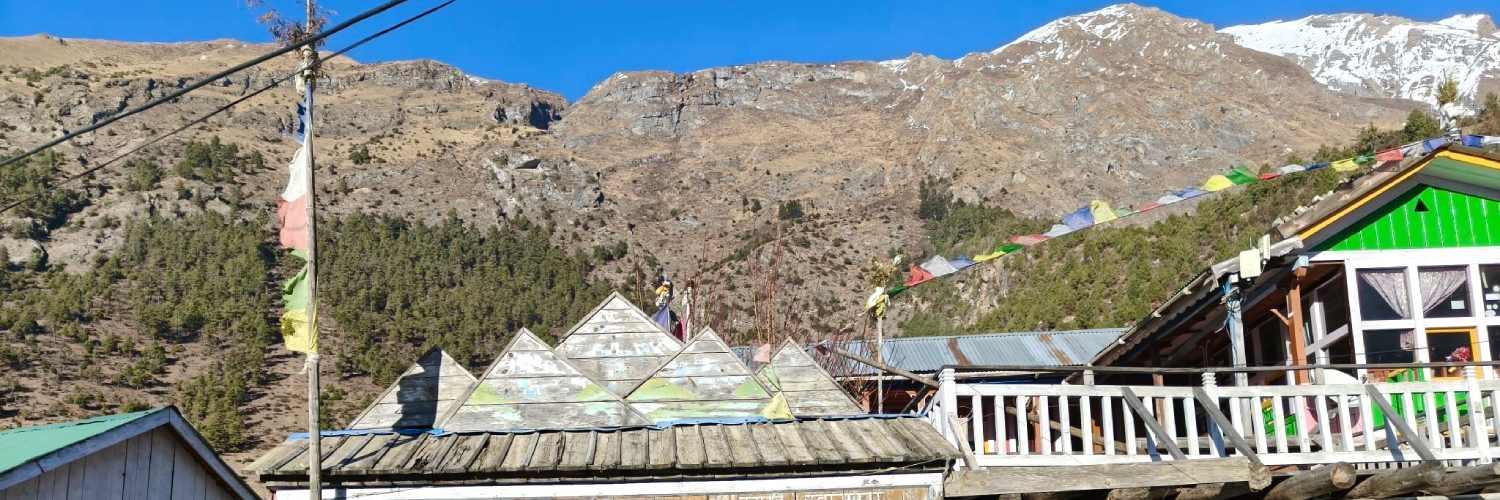
Imagine walking for six consecutive hours, ascending through dense pine forests, crossing suspension bridges over roaring rivers, and watching the jagged white peaks of Mount Annapurna loom closer with every single step. By the time you reach your teahouse at 3,500 meters, your muscles are aching, your clothes are damp with sweat, and the mountain air is rapidly cooling down. At that precise moment, there is only one thing on your mind: a warm, relaxing bath.
But for many adventurers, a critical question arises while budgeting for this epic journey: What is the Cost of Hot Shower During Annapurna Circuit Trek?
Planning a trek in the Himalayas involves more than just calculating the price of your permits and your flights. When you are on the trail, the small, daily logistics - like charging your camera gear, buying bottled water, or washing off the trail dust - can add up. For anyone asking, "Can I find hot shower during Annapurna Circuit Trek?", the answer is a resounding yes. However, the availability, method of heating, and the actual price vary drastically depending on how high you climb.
At Best Heritage Tour, we believe that absolute transparency is the cornerstone of an unforgettable Himalayan adventure. To give you the most accurate financial picture of the trail, our expert local guides have gathered the latest on-the-ground pricing directly from the teahouses. This comprehensive, place-wise cost guide will help you budget perfectly for your upcoming Annapurna Circuit in 2027.
Why Do Hot Showers Cost Money in the Himalayas?
Before we look at the specific costs, it is important to understand the geography and infrastructure of the Annapurna conservation area. When you are trekking at sea level, hot running water is a given. In the high-altitude regions of Nepal, it is a luxury that requires immense physical effort or expensive infrastructure to maintain.
Teahouses in the Annapurna Circuit generally rely on three main methods to heat water:
-
Solar Power: Many modern lodges have solar panels installed on their roofs. When the weather is clear, sunny, and warm, these systems heat up large tanks of water effortlessly.
-
Gas Geysers: As you ascend higher or when the weather turns cloudy, solar power becomes insufficient. Teahouses must then rely on LP gas geysers. Because there are no roads in the highest reaches of the trail, these heavy gas cylinders must often be driven up difficult dirt tracks or carried up on the backs of local porters and mules.
-
Firewood or Biomass: In older or more remote settlements, water is heated manually over a traditional wood-burning stove in the kitchen and provided to you in a bucket.
Because fuel is difficult to transport and solar equipment is expensive to install, teahouse owners charge a modest fee to cover their expenses when natural solar energy is unavailable.
Complete Place wise Cost of Hot Shower During Annapurna Circuit Trek
To help you map out your exact daily expenses, here is a detailed, village-by-village breakdown based on our team's recent data. This reflects the standard rates you will encounter as you move from the lush lower valleys up over the high pass, and back down into the lower Mustang district.
|
Trekking Hub / Village |
Elevation (Approx.) |
Type of Heating & Availability |
Cost of Hot Shower (NPR) |
|---|---|---|---|
|
Besisahar |
760 m / 2,493 ft |
Modern Plumbing / Electric / Gas |
No Cost (Generally Free) |
|
Jagat |
1,300 m / 4,265 ft |
Solar / Gas Geyser |
No Cost (Generally Free) |
|
Dharapani |
1,860 m / 6,102 ft |
Solar / Gas Geyser |
No Cost (Generally Free) |
|
Chame |
2,670 m / 8,759 ft |
Solar / Gas (Natural Hot Spring nearby) |
No Cost (Generally Free) Better to go for Natural Hot Spring |
|
Upper Pisang |
3,300 m / 10,826 ft |
Solar / Paid Gas Backup |
Rs 500 (If solar is not available) |
|
Manang |
3,540 m / 11,614 ft |
Solar / Paid Gas Backup |
Rs 500 (If solar is not available) |
|
Siri Kharka |
4,060 m / 13,320 ft |
Solar / Paid Gas Backup |
Rs 500 (If solar is not available) |
|
Tilicho Base Camp |
4,150 m / 13,615 ft |
Solar / Paid Gas Backup |
Rs 500 (If solar is not available) |
|
Yak Kharka |
4,050 m / 13,287 ft |
Solar / Paid Gas Backup |
Rs 500 (If solar is not available) |
|
Thorong Phedi |
4,450 m / 14,599 ft |
Extreme Altitude / Frozen Pipes |
No Hot Shower Available |
|
Muktinath |
3,760 m / 12,335 ft |
Modern Hotel / Solar / Gas |
No Cost (Generally Free) |
|
Tatopani |
1,190 m / 3,904 ft |
Solar / Natural Hot Springs |
No Cost (Generally Free) |
Detailed Trail Breakdown: What to Expect Section by Section
To give you a better sense of how the infrastructure shifts as your altitude increases, let's explore the trail sector by sector. Knowing what lies ahead will keep you from being surprised by the shifting prices.
1. The Lower Foothills (Besisahar to Chame)
During the first few days of your journey, you will find excellent amenities. Besisahar, Jagat, and Dharapani sit at lower elevations where road access is well-established. Because it is much easier to transport goods and fuel here, and the weather remains relatively warm, the Cost of Hot Shower During Annapurna Circuit Trek in this lower section is zero.
Most lodges offer attached bathrooms or common bathrooms with hot running water free of charge to their guests. When you reach Chame, the administrative headquarters of the Manang district, hot showers remain free.
Best Heritage Tour Insider Tip: While in Chame, you can take a short walk across the Marsyangdi River to the natural hot springs (Tatopani). For a very small entry or maintenance fee, you can soak your tired body in the therapeutic, mineral-rich thermal waters alongside local travelers.
2. The High Altitude Zone (Upper Pisang to Tilicho Base Camp & Yak Kharka)
Once you cross the 3,000-meter threshold and enter Upper Pisang, the rules of the trail change. The air becomes crisp, overnight temperatures plummet below freezing, and clouds frequently obscure the sun.
In Upper Pisang, Manang, Siri Kharka, Tilicho Base Camp, and Yak Kharka, teahouses utilize high-quality solar heating systems. If you arrive early in the afternoon on a perfectly clear, cloudless day, you might get lucky and secure a warm shower using the day's collected solar energy. However, if the solar panels haven't gotten enough sun, the lodge owners must switch on their backup gas geysers.
When solar energy is unavailable, the Cost of Hot Shower During Annapurna Circuit Trek standard rate is exactly Rs 500 per shower (approximately $3.75 USD). This fee is paid directly to the lodge manager before you use the facility.
If you are taking the popular detour to the pristine, high-altitude Tilicho Lake, keep in mind that Siri Kharka and Tilicho Base Camp operate under these exact same terms. Fuel must be transported up steep, narrow trails, making the Rs 500 fee completely justified.
3. The Dead Zone: Thorong Phedi and High Camp
As you approach the base of the formidable Thorong La Pass, you will stay at either Thorong Phedi (4,450 m) or High Camp (4,925 m). Here, the environment is harsh and uncompromising.
In this zone, there are no hot showers available at any cost. Overnight temperatures are so low that the water inside the plumbing system routinely freezes solid. Even if water could be heated, showering at this altitude carries a severe risk of hypothermia and can trigger or worsen symptoms of Acute Mountain Sickness (AMS).
4. The Descent into Mustang (Muktinath to Tatopani)
After conquering the Thorong La Pass at 5,416 meters, you will descend into the arid, desert-like landscapes of the Mustang region. Your first major stop is the sacred pilgrimage town of Muktinath.
Because Muktinath and the villages further down the valley (like Jomsom, Marpha, and Tatopani) are fully connected by a major vehicular highway, the cost of living drops. In both Muktinath and Tatopani, hot showers are completely free and included directly in your room price. The accommodations here feel much more luxurious, with many properties boasting modern tiled bathrooms, reliable gas geysers, and consistent electricity.
When you finally reach the village of Tatopani, you can celebrate the completion of your trek by relaxing in the large, famous riverside natural hot springs for a truly rejuvenating experience.
How to Stay Fresh Without Taking Shower while Trekking in Nepal?
As experienced trekking operators, we want you to stay comfortable, clean, and healthy throughout your trip. Here are practical tips from our veteran guides to help you manage your hygiene and budget smoothly:
-
Pack Plenty of Wet Wipes and Wet Towels: For the high-altitude days between Upper Pisang and Yak Kharka, skip the shower entirely. Pack a few packs of biodegradable, unscented wet wipes. You can use them to freshen up in the privacy of your room without spending money or risking a cold.
-
Always Ask Before Turning on the Tap: Before you strip down, always ask the teahouse host: "Is the hot water solar or gas?" and "How much does it cost?" This ensures there are no surprises when you checkout the next morning.
-
Keep a Set of Dry Thermal Clothes: The moments immediately after a shower are when you are most vulnerable to the mountain chill. Have your dry, thick merino wool thermals and a warm beanie ready to put on immediately so your body temperature doesn't drop.
-
Carry Small Nepalese Currency Notes: Teahouses cannot easily give change for large Rs 1,000 or Rs 2,000 notes for a small Rs 500 shower fee. Always carry a healthy stack of Rs 100 and Rs 500 notes in your money belt for your daily incidental expenses.
Conclusion
The Annapurna Circuit remains one of the world's premier long-distance trekking routes, offering an unparalleled mix of massive mountain panoramas, ancient Tibetan-Buddhist culture, and diverse ecosystems. While minor details like the Place wise Cost of Hot Shower During Annapurna Circuit Trek might seem small, knowing these facts beforehand ensures a stress-free, deeply authentic experience.
Budgeting properly for amenities like hot water, charging stations, and Wi-Fi ensures that your focus stays right where it belongs: soaking in the majestic beauty of the Himalayas.
At Best Heritage Tour, we handle every single logistical detail of your journey - from arranging experienced, first-aid-certified local guides and porters to booking the best available teahouses with reliable amenities. We make sure you are fully prepared for every aspect of life on the trail.
Phone / WhatsApp / Viber: +977-9851149197 / +977-9810043046
Email: info@bestheritagetour.com / bestheritagetour@gmail.com
Website: www.bestheritagetour.com
Office: Thamel Marg, Kathmandu, Nepal
Author: Best Heritage Tour
Date: 9th June, 2026