For adventurers preparing to stand in the shadow of Mount Everest, packing lists usually focus on broken-in trekking boots, down jackets, and high-altitude medication. Yet, as our guides at Best Heritage Tour frequently remind our guests, one of the most common, intensely debated, and unexpected logistical puzzles on the trail revolves around basic personal hygiene. Specifically: Can I take a Hot Shower bath during EBC Trek? And if so, what is the cost of Hot Shower during Everest Base Camp Trek?
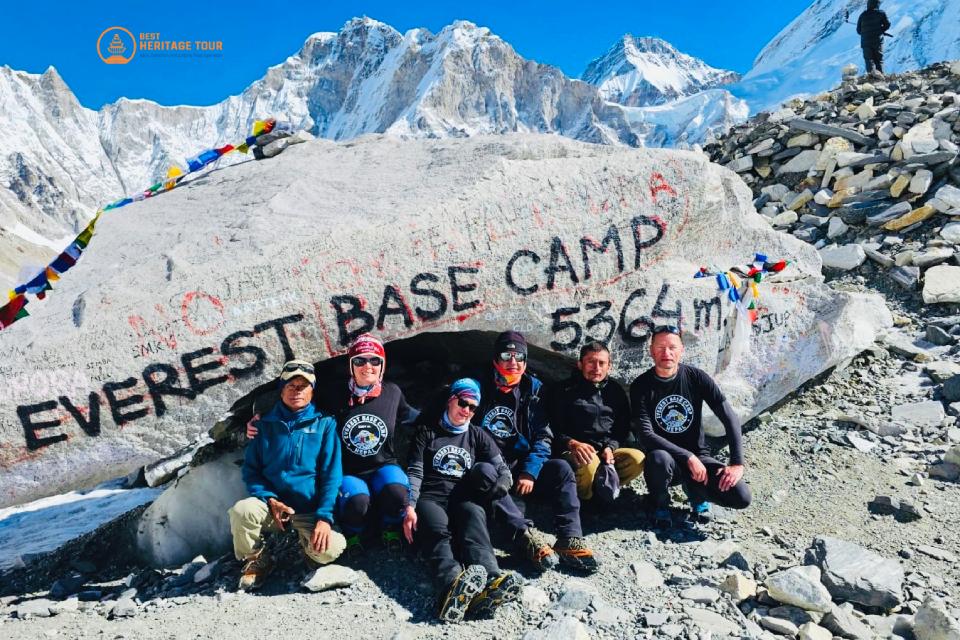
Trekking through the Khumbu region to an altitude of 5,364 meters is a monumental physical challenge. After trekking for six to eight hours a day over rugged terrain, dusty glacial moraines, and steep stone staircases, your body craves nothing more than a warm, rejuvenating rinse. However, the high-altitude wilderness does not operate like a city hotel. In the mountains, hot water is a scarce, resource-heavy luxury.
We have created this comprehensive guide to break down everything you need to know about showering on the way to the world's highest base camp. From village-by-village pricing models to the engineering behind high-altitude plumbing, this resource will ensure you are financially, logistically, and physically prepared for the realities of the trail.
Can I Take a Hot Shower Bath During EBC Trek?
The short answer is yes, you absolutely can take a hot shower during your Everest Base Camp trek, but with several major conditions regarding altitude, infrastructure, and weather.
Nearly all modern teahouses and standard lodges along the classic route from Lukla to Gorak Shep provide some form of hot water bathing facility. However, these facilities evolve dramatically as you climb. While a lower-elevation stop like Namche Bazaar boasts modern, indoor, tiled shower cubicles with high-pressure gas heating, a high-altitude settlement like Lobuche or Gorak Shep may only be able to provide a simple plastic bucket of heated water in a cold, unheated outdoor shed.
Furthermore, the availability of a hot shower is never guaranteed. It relies entirely on a delicate combination of resource supply lines and ambient weather conditions. If a mountain water pipe freezes solid overnight, or if heavy cloud cover paralyzes solar heating grids for three consecutive days, hot showers disappear across entire villages, leaving wet wipes as a trekker's best friend.
Why Hot Water Costs Money in the Everest Base Camp Trek?
To understand what is the cost of Hot Shower during Everest Base Camp Trek, it is vital to understand the extreme geographical and logistical constraints faced by the local Sherpa communities.
Kathmandu / Supply Hubs → Flights/Cargo → Lukla Airport → Mules/Porters/Yaks → High Altitude Teahouses
There are no roads, electricity grids, or municipal gas pipelines winding through the Sagarmatha National Park. Because every liter of hot water represents real physical labor, transport costs, and fuel consumption, teahouses must charge a standalone fee for showers to keep their businesses viable.
Village-by-Village Breakdown: What is the Cost of Hot Shower during Everest Base Camp Trek?
The most critical rule of Himalayan trekking economics is simple: costs scale with altitude. The higher you climb, the more expensive every single commodity becomes, including food, Wi-Fi, battery charging, and hot water.
Below is an updated, boots-on-the-ground cost overview tracking standard teahouse shower fees across the primary overnight stops of the classic EBC itinerary.
1. Lower Altitude Zones: Lukla to Namche Bazaar (2,860m - 3,440m)
-
Estimated Cost: NPR 300 to NPR 600 (Approx. USD $2.50 to USD $4.50) per shower.
-
System Type: Primarily continuous gas-heated showers or reliable solar systems.
-
What to Expect: In places like Lukla, Phakding, and the bustling trading hub of Namche Bazaar, infrastructure is highly developed. Showers here are typically located inside the main lodge buildings or attached directly to private ensuite rooms. The water pressure is reasonable, and the cabins are relatively well-insulated from the outside cold.
2. Mid-Altitude Transition: Tengboche to Dingboche (3,860m - 4,410m)
-
Estimated Cost: NPR 500 to NPR 800 (Approx. USD $4.00 to USD $6.00) per shower.
-
System Type: Hybrid Solar-Thermal and Gas systems.
-
What to Expect: As you cross the 4,000-meter threshold into Dingboche and Pheriche, temperatures drop sharply, and the cost of transport surges. Shower rooms are frequently shifted out of the main, insulated dining buildings into colder, separate outhouses. The water temperature shifts from steaming hot to lukewarm, and you must coordinate with lodge staff in advance so they can prime the gas systems or check solar reserves.
3. The Extreme High-Altitude Zone: Lobuche to Gorak Shep (4,940m - 5,164m)
-
Estimated Cost: NPR 800 to NPR 1,200 (Approx. USD $6.00 to USD $9.00) per shower - when available.
-
System Type: Manual bucket showers.
-
What to Expect: At Lobuche and Gorak Shep (the final settlement before Base Camp), running water systems routinely freeze solid. Conventional shower plumbing is rare here. If you request a hot bath, you will likely be handed a single bucket of hot water heated over a communal yak-dung stove, along with a small plastic mug to pour the water over yourself inside a basic, unheated wooden or concrete stall. Because of the extreme cold and risk of hypothermia, most trekkers choose to skip showering entirely in this zone.
The Three Styles of Himalayan Showers Explained
When budgeting for the cost of Hot shower during EBC Trek, your physical experience will depend entirely on which heating system the teahouse utilizes. Our guiding teams categorize them into three distinct types:
Solar-Heated Showers
Commonly found in mid-altitude villages on bright, cloudless days. Heavy solar collectors on the roof absorb the intense high-altitude radiation to heat a central reservoir.
-
Pros: Safe, environmentally clean, with no risk of gas fumes or electrical issues.
-
Cons: Entirely weather-dependent. If you arrive at a lodge late in the afternoon after a cloudy trek, the hot water supply will likely have been entirely depleted by earlier hikers.
Gas-Heated Showers
The backbone of modern Khumbu trekking infrastructure. These standalone units use an outdoor LPG cylinder and a wall-mounted burner that ignites automatically when water flows through the system.
-
Pros: Provides a continuous flow of hot water on demand, independent of cloud cover or sunshine.
-
Cons: The water temperature can fluctuate wildly if the water pressure drops. Furthermore, because the systems operate on imported gas, they carry the highest baseline premium fees on the trail.
The Classic Bucket Shower
The absolute fallback of the high Himalayas. Water is heated in large pots over the central dining room stove (which burns dried yak dung or wood pellets) and transferred manually into a plastic bucket.
-
Pros: Extremely reliable; it functions even when pipes are frozen solid and solar grids are completely down.
-
Cons: The water cools down rapidly in the freezing mountain air. It requires careful, efficient rationing of every mugful to ensure you finish cleaning before your water turns ice cold.
Master Budgeting: Planning Your Incidental Trekking Expenses
When calculating your overall financial blueprint for the journey, it is vital to remember that the cost of Hot shower during EBC Trek is just one component of a broader category of "teahouse incidentals." Unless you have booked an all-inclusive luxury package, these small services are billed daily as cash extras.
To help you map out your daily cash requirements, look at how hot shower fees fit into the standard landscape of high-altitude teahouse extras:
|
Incidental Item |
Lower Elevation (Lukla-Namche) |
High Elevation (Dingboche-Gorak Shep) |
Recommended Budgeting Strategy |
|---|---|---|---|
|
Hot Shower |
NPR 300 - 600 |
NPR 800 - 1,200 |
Take 2-3 showers on the way up; use wet wipes above 4,000m. |
|
Device Charging |
NPR 200 - 400 / hour |
NPR 600 - 1,000 / hour (or flat fee) |
Carry a high-capacity 20,000mAh power bank to avoid hourly fees. |
|
Wi-Fi (Everest Link) |
NPR 500 - 700 / day |
NPR 1,000 - 1,500 / day |
Purchase a prepaid multi-GB Everest Link card in Namche Bazaar. |
|
Boiled Drinking Water |
NPR 100 - 250 / liter |
NPR 350 - 500 / liter |
Bring water purification tablets and a reusable metal bottle. |
Choosing the Right Trekking Style: Standard vs. Luxury Lodges
Your experience with hot water availability ultimately comes down to the style of tour package you select. At Best Heritage Tour, we design itineraries across multiple comfort tiers to cater to different travel mentalities:
The Standard Teahouse Experience
On a standard trek, you sleep in traditional, locally run mountain lodges. Rooms are basic twin-sharing spaces without heating or private plumbing. Showers are communal facilities down the hall, and you will pay the standard out-of-pocket fees outlined in this guide (NPR 300 to NPR 1,200 per use) directly to the lodge owner. This option provides an authentic, rustic, and highly social immersion into the local mountain lifestyle.
The Luxury Lodge Experience
For travelers who prefer premium comfort, we curate specialized luxury itineraries utilizing high-end lodge networks. These luxury accommodations feature fully insulated buildings, heated rooms, electric blankets, and private attached bathrooms with consistent, high-pressure, hot running water powered by robust generator and solar infrastructure. In these packages, the cost of hot showers is completely covered and built directly into your upfront tour itinerary.
Conclusion
An expedition to Everest Base Camp is an transformative journey that requires embracing a certain level of simplicity, grit, and distance from daily urban comforts. Understanding the cost of Hot shower during Everest Base Camp Trek helps manage expectations and highlights the incredible effort local communities make to support global travelers. Treat every warm rinse on the trail not as a basic right, but as a hard-won luxury - a true gift from the mountains.
Planning your journey with a trusted, registered local operator ensures that your logistics, safety protocols, teahouse reservations, and cash management strategies are handled flawlessly by professionals who live and breathe these trails.
Plan Your Himalayan Adventure with Best Heritage Tour
Phone / WhatsApp / Viber: +977-9851149197 / +977-9810043046
Email: info@bestheritagetour.com / bestheritagetour@gmail.com
Website: www.bestheritagetour.com
Office: Thamel Marg, Kathmandu, Nepal
Author: Best Heritage Tour
Date: 5th June, 2026