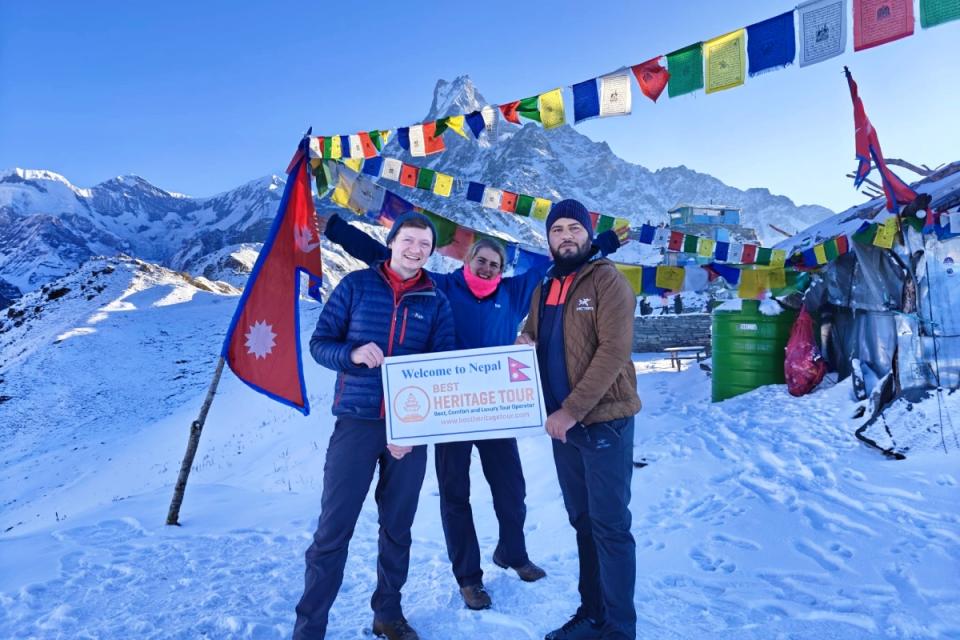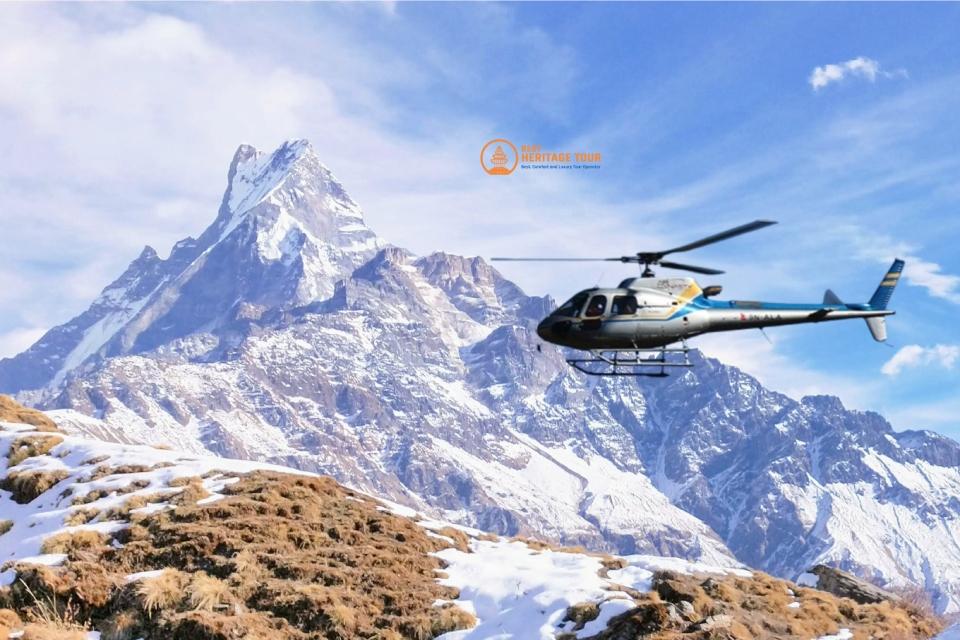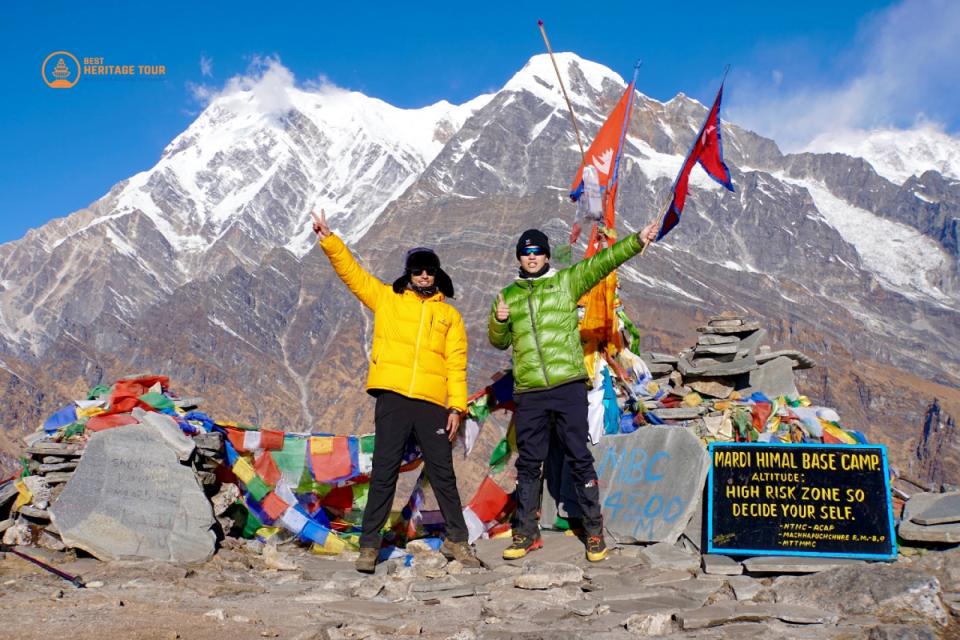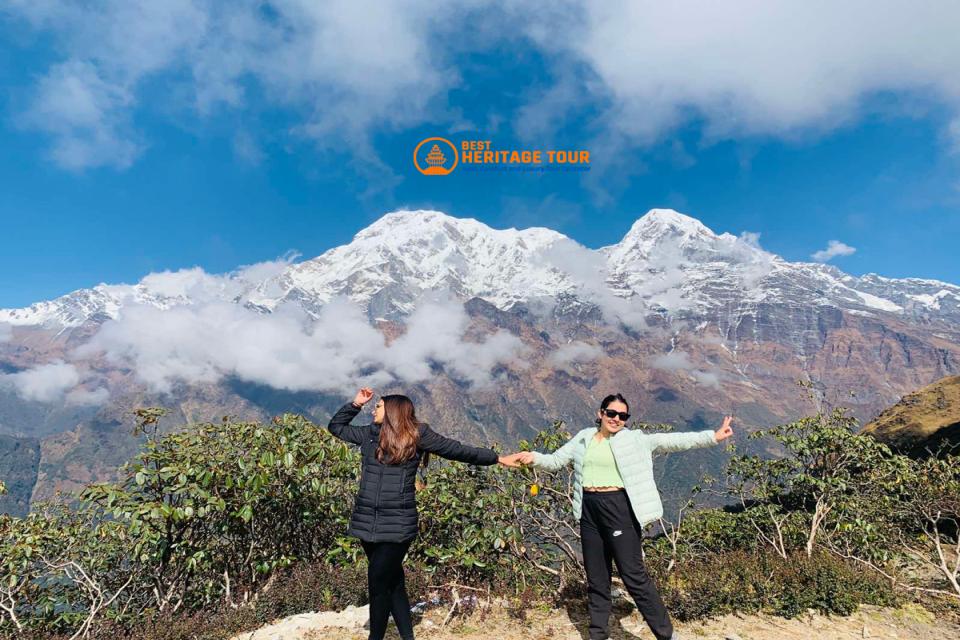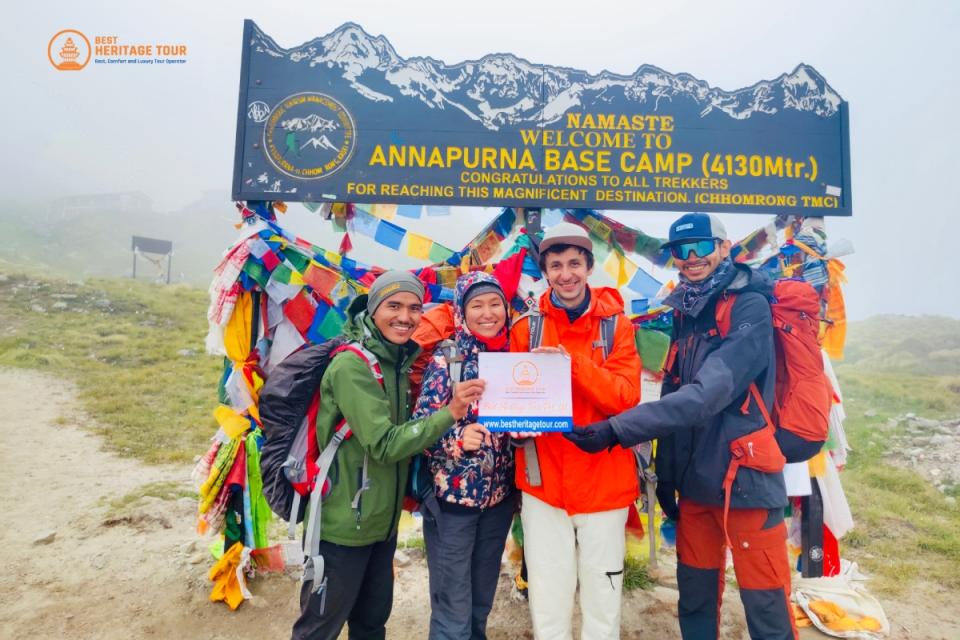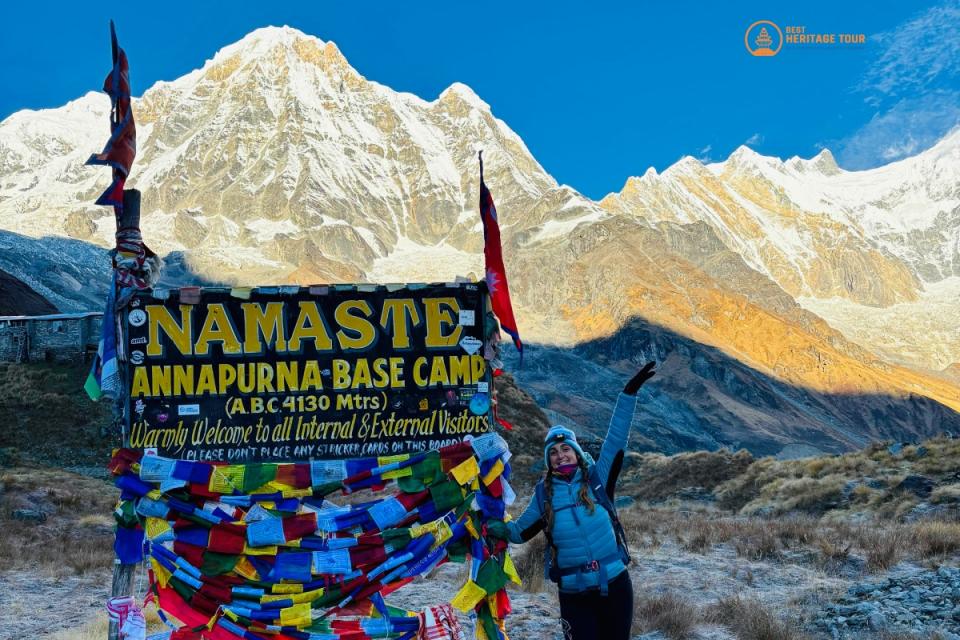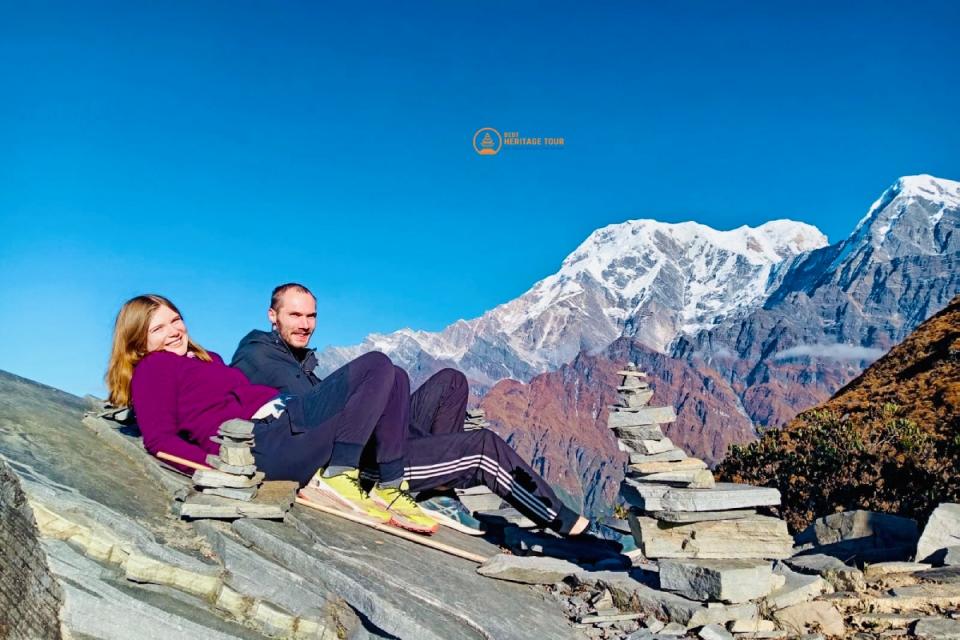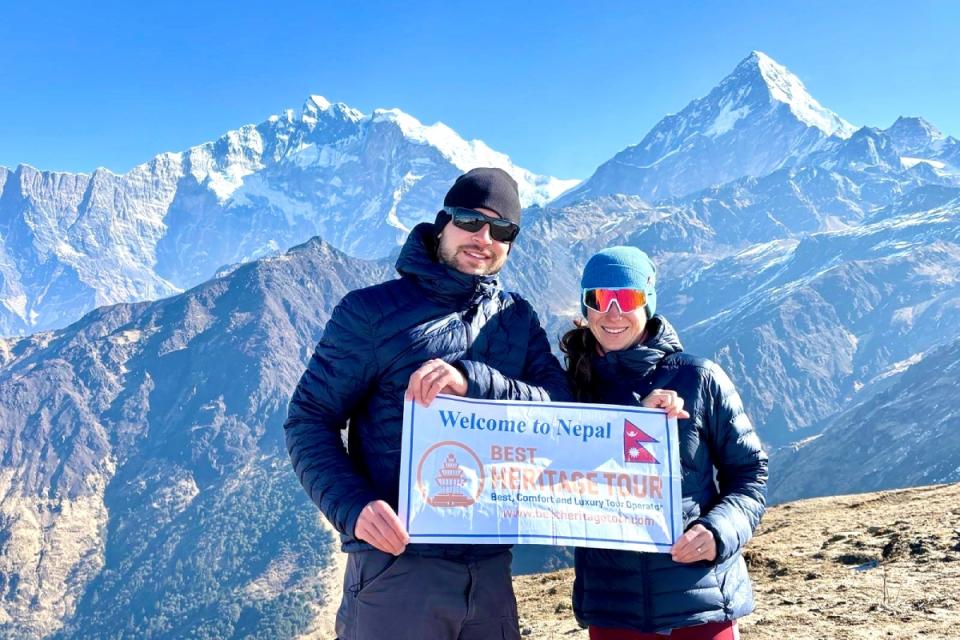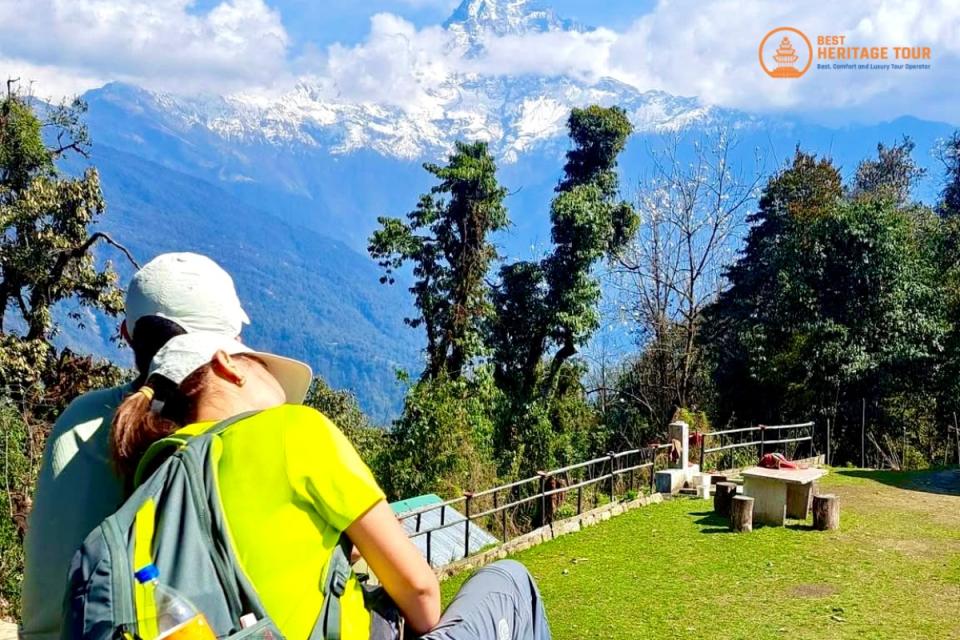
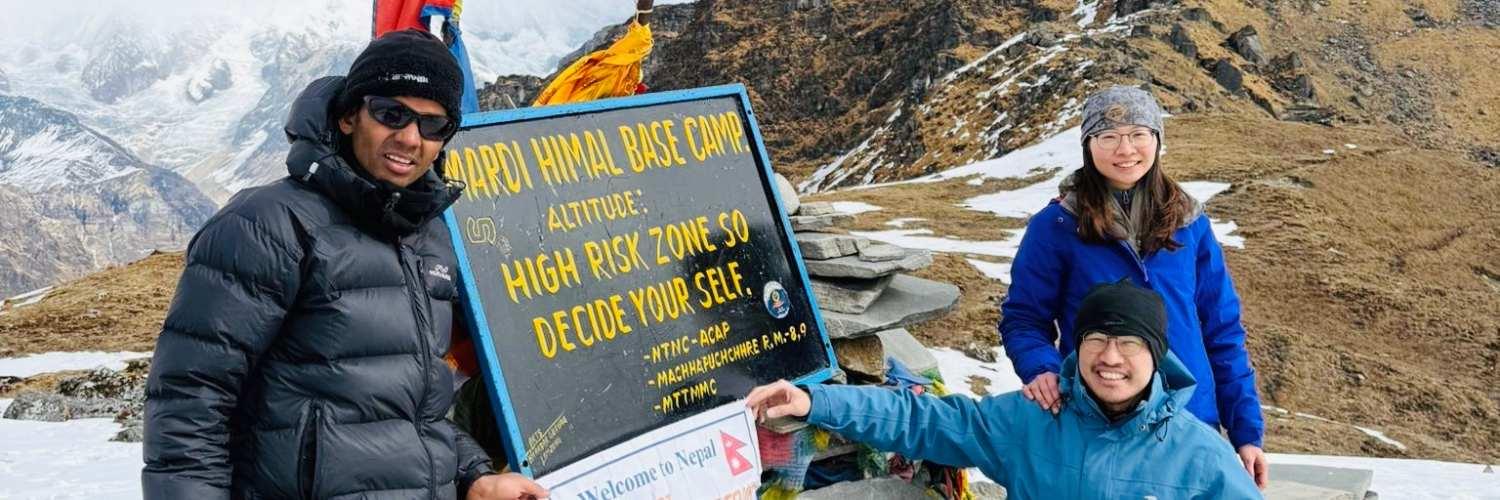
The Mardi Himal Trek has rapidly evolved into one of the most popular short trekking routes in Nepal, celebrated for its dramatic, close-up views of Mount Machhapuchhre (Fishtail) and the sweeping Annapurna range. However, as any seasoned trekker will tell you, a successful journey depends heavily on how well you fuel your body and how accurately you budget for your daily expenses.
When planning your mountain budget, questions naturally arise: What is the actual cost of food in Mardi Himal Trek? How much does the Dal Bhat cost in Mardi Himal Trek? What to eat in Mardi Himal Trek to maintain peak physical stamina?
At Best Heritage Tour, we believe that an informed traveler is a safe and happy traveler. We have compiled this definitive, comprehensive guide based on first-hand data from our veteran city guides and mountain leaders. Here is everything you need to know about navigating the teahouse menus, understanding the economics of high-altitude supply chains, and budgeting for your meals on the spectacular Mardi Himal trail.
The Economics of Himalayan Treks: Why Food Costs Vary
Before diving into the exact numbers, it is crucial to understand the logistical reality of the Nepalese Himalayas. As you ascend from the trailhead at Kande or Phedi toward High Camp (3,600 m) and the Mardi Himal Base Camp (4,500 m), you will notice a gradual increase in the price of food, drinks, and snacks.
This price adjustment is not arbitrary. The Mardi Himal trail does not have motorable roads beyond the very lowest villages. Every single bag of rice, block of cheese, carton of eggs, and bottle of gas must be transported up the steep, rocky ridges. This is done through a combination of:
-
Local porters carrying heavy loads on their backs
-
Mule trains navigating narrow forest paths
-
Four-wheel-drive jeeps driving to limited lower drops like Siding or Badal Danda
Consequently, a plate of food at Forest Camp (2,500 m) requires significantly less labor to transport than the exact same plate of food at High Camp. At Best Heritage Tour, we encourage our clients to view these food prices not just as a commercial transaction, but as a direct contribution to the hard-working local communities and porters who make Himalayan trekking possible.
What to Eat in Mardi Himal Trek: Navigating the Teahouse Menu
The culinary landscape of the Mardi Himal trail is a delightful mix of traditional Nepalese mountain staples, Tibetan-influenced dishes, and adapted Western comfort foods. Despite the remote terrain, the local teahouse kitchens are remarkably adept at preparing satisfying, hot meals.
Here is a detailed breakdown of the primary options available on the trail, helping you decide what to eat in Mardi Himal Trek for optimal health and stamina.
1. The Mighty Dal Bhat (The Ultimate Trekker's Fuel)
There is a famous saying in Nepal: "Dal Bhat Power 24 Hour, No Toilet No Shower!" This is not just a catchy slogan; it is a fundamental truth of Himalayan trekking.
Dal Bhat is a traditional platter consisting of:
-
Bhat: Steamed, carbohydrate-rich white rice.
-
Dal: A nutrient-dense, protein-packed lentil soup.
-
Tarkari: Seasoned seasonal vegetable curry (often cauliflower, potatoes, or mustard greens).
-
Achar: A spicy, tangy local pickle that stimulates digestion.
-
Saag / Papad: Strips of wild greens or crisp crackers (depending on the teahouse).
The Best Part about Dal Bhat: When you order a plate of vegetarian Dal Bhat, you are entitled to unlimited free refills of rice, lentil soup, and vegetable curry. The only thing not refilled is meat (if you order the chicken version). If you have a massive appetite after walking up steep switchbacks, Dal Bhat is hands-down the most cost-effective and nutritionally complete option on the mountain.
2. Breakfast Staples
Starting your day with a warm, slow-digesting meal is vital for the cold morning ascents. Teahouse menus across the Mardi Himal route feature:
-
Porridge and Oatmeal: Prepared plain, with milk, or topped with sliced apples, bananas, and local wild honey. Perfect for a sensitive stomach at altitude.
-
Eggs Cooked to Order: Boiled, scrambled, poached, or fried. Vegetable and cheese omelets are excellent sources of complete proteins to aid muscle recovery.
-
Traditional Breads: Tibetan Bread (a deep-fried, puffy flatbread that pairs wonderfully with honey or jam) and Chapati (a lighter, unfermented flatbread preferred by those avoiding excess oil).
-
Pancakes: Plain, lemon-sugar, chocolate, or apple pancakes provide immediate, fast-releasing carbohydrates for intense morning climbs.
3. Noodles, Pasta, and Dumplings (Momos)
For lunch or a mid-afternoon energy boost, the menus offer several comforting, familiar choices:
-
Chow Mein & Fried Rice: Stir-fried noodles or rice packed with cabbage, carrots, eggs, or chicken.
-
Thukpa & Sherpa Stew (Shyakpa): Hearty, warming noodle soups cooked with local mountain herbs, garlic, and vegetables. These are exceptional for rehydration and fighting off the high-altitude chill.
-
Momos: The quintessential Nepalese dumpling, filled with seasoned vegetables, potatoes, or minced meat, served steamed or fried.
-
Spaghetti and Macaroni: Usually tossed with a simple tomato-garlic paste or topped with processed yak cheese.
The Complete Cost of Food in Mardi Himal Trek (Price Breakdown)
To help you map out your financial plan, we have structured the average costs of meals, hot beverages, and snacks across different altitudes.
Note: All prices are listed in Nepalese Rupees (NPR). Exchange rates fluctuate, but as a benchmark, 1 USD is roughly equivalent to 150-155 NPR.
1. How Much Does the Dal Bhat Cost in Mardi Himal Trek?
Because Dal Bhat is the benchmark of trekker pricing, tracking its cost gives you an excellent indication of the overall inflation relative to altitude.
|
Trekking |
Elevation (Meters) |
Average Cost of Veg Dal Bhat (NPR) |
Average Cost of Chicken Dal Bhat (NPR) |
|---|---|---|---|
|
Pothana / Deurali |
2,100 m |
NPR 450 - 550 |
NPR 600 - 700 |
|
Forest Camp |
2,500 m |
NPR 550 - 650 |
NPR 700 - 800 |
|
Low Camp |
2,970 m |
NPR 650 - 750 |
NPR 800 - 900 |
|
Badal Danda |
3,250 m |
NPR 700 - 800 |
NPR 850 - 950 |
|
High Camp |
3,600 m |
NPR 800 - 950 |
NPR 1,000 - 1,150 |
As shown in the table, while a hearty plate of Dal Bhat at the lower trailheads costs around NPR 450, it can reach up to NPR 950 at High Camp due to the pure human effort required to transport materials to the high-altitude ridge.
2. Average Costs of Other Popular Menu Items
If you choose to vary your diet with Western or Tibetan dishes, here is what you can expect to pay on average between the lower camps and High Camp:
-
Standard Breakfast (Eggs + Toast/Chapati + Tea): NPR 450 - NPR 750
-
Oatmeal / Porridge: NPR 350 - NPR 550
-
Pancakes (Plain / Fruit / Chocolate): NPR 400 - NPR 650
-
Vegetable Chow Mein / Fried Rice: NPR 450 - NPR 650
-
Spring Rolls or Veg Pasties: NPR 500 - NPR 700
-
Plate of Veg Momos (Steamed or Fried): NPR 500 - NPR 750
-
Macaroni / Spaghetti with Cheese: NPR 550 - NPR 800
-
Garlic Soup (Highly recommended for altitude acclimatization): NPR 300 - NPR 450
Hydration Costs: Water and Hot Drinks
Staying thoroughly hydrated is one of the single most effective ways to prevent Acute Mountain Sickness (AMS). Our guides at Best Heritage Tour recommend drinking between 3 to 4 liters of fluids every single day while on the trail.
Commercial Bottled Water vs. Filtered/Boiled Water
Plastics are a massive environmental hazard in the pristine ecosystem of the Annapurna Conservation Area. To curb pollution and save money, we strongly advise against buying disposable plastic water bottles. Instead, carry an insulated, reusable stainless steel or Nalgene water bottle.
-
Bottled Mineral Water: Costs NPR 100 at lower altitudes, rising to NPR 300-400 per bottle at High Camp.
-
Boiled/Filtered Water Refills: Teahouses charge a small fee to fill your reusable bottle with safe, boiled water. This ranges from NPR 50 to NPR 150 per liter depending on the altitude.
-
Water Purification Tablets: Alternatively, you can fill your bottle from free, local clean-water taps available at villages and use water purification tablets or a lifestyle filtration pump (like a Lifestraw or Sawyer filter). This reduces your hydration cost to practically zero while protecting the mountains.
The Cost of Hot Beverages
Nothing feels more rewarding than wrapping your cold hands around a hot mug after a long day of hiking through rhododendron forests.
-
Black Tea / Lemon Tea: NPR 150 - NPR 250 (Cup) | NPR 500 - NPR 800 (Small Pot)
-
Milk Tea / Masala Chai: NPR 200 - NPR 350 (Cup) | NPR 600 - NPR 1,000 (Small Pot)
-
Ginger Hot Lemon with Honey: NPR 250 - NPR 400 (Cup) - Excellent for soothing a cold mountain throat.
-
Instant Coffee: NPR 200 - NPR 350 (Cup)
-
Hot Chocolate / Milk: NPR 250 - NPR 450 (Cup)
Estimating Your Total Daily Food Budget
To ensure you are not caught short of local currency, it helps to look at your food expenses as a collective daily total.
Daily Estimated Food Budgets
-
Budget Trekker (Independent, sticking to Veg Dal Bhat): NPR 2,500 - NPR 3,500 per day
-
Standard Trekker (Mix of Western food, snacks, hot pots): NPR 3,500 - NPR 5,000 per day
-
Comfort Trekker (Meat dishes, soda/beer, specialty items): NPR 5,000 - NPR 7,000 per day
Crucial Travel Tip: There are no reliable ATMs along the Mardi Himal trekking trail. All teahouses operate strictly on a cash-only basis in Nepalese Rupees (NPR). We highly recommend withdrawing ample cash in Kathmandu or Pokhara Lakeside before setting off for the trailhead. Always carry an extra cushion of NPR 5,000-10,000 above your calculated budget for emergencies or unexpected treats.
Conclusion
Planning and budgeting for the cost of food in Mardi Himal Trek doesn't have to be daunting. By understanding that prices naturally scale with elevation and recognizing that staples like Dal Bhat offer unmatched value, you can confidently map out your financial needs. Treat the culinary aspect of your journey as a core part of the adventure - savoring the organic flavors of the hills, staying properly hydrated, and using your purchasing power to support the resilient mountain communities of Nepal.
Are you ready to experience the mesmerizing beauty of the Mardi Himal ridge without any logistical stress? At Best Heritage Tour, we curate fully customized, all-inclusive trekking packages that handle your professional licensed guides, experienced porters, conservation permits, private transport, and premium teahouse accommodations - including your daily meals. Let us take care of the logistics while you focus entirely on the breathtaking views of the Himalayas.
Plan Your Dream Nepal Trek with Best Heritage Tour
Phone / WhatsApp / Viber: +977-9851149197 / +977-9810043046
Email: info@bestheritagetour.com / bestheritagetour@gmail.com
Website: www.bestheritagetour.com
Office: Thamel Marg, Kathmandu, Nepal
Author: Best Heritage Tour
Date: 24th May, 2026