For mountaineers, trekkers, and lovers of the high Himalaya, certain peaks command immediate awe. While Mount Everest dominates global headlines, seasoned adventurers looking toward the Everest region are often transfixed by a sharper, far more intimidating silhouette cutting into the skyline. That peak is Cholatse Mountain.
Rising to an impressive 6,440 meters (21,129 feet), Cholatse is widely considered one of the most aesthetically striking and technically challenging peaks in the Khumbu region. Situated on the knife-edge ridge that separates the roaring Khumbu Valley from the pristine Gokyo Valley, it stands as a sentinel of pure rock and vertical ice.
Whether you are an ambitious trekker planning to cross the formidable Cho La Pass or an experienced climber looking for your next alpine expedition, this guide provides a deep dive into all about the Cholatse Mountain. From its fascinating climbing history to the logistical blueprints on how to reach Cholatse Mountain Base Camp, we share the essential insights gathered from years of leading elite expeditions across the rooftop of the world.
Where is Cholatse Mountain?
To pinpoint exactly where is Cholatse Mountain, one must look to the heart of Nepal’s Sagarmatha National Park. The peak is uniquely positioned at coordinates 27°55′12″N 86°45′58″E, serving as a geographical barrier between two of the most famous trekking routes in the world: the bustling Everest Base Camp highway and the quieter, sapphire-hued Gokyo Lakes circuit.
The name "Cholatse" itself tells the story of its geography. In the local Tibetan and Sherpa languages:
-
"Cho" translates to Lake
-
"La" translates to Pass
-
"Tse" translates to Peak
Literally meaning "Lake Pass Peak," Cholatse sits directly north of its sister peak, Taboche (6,501m), connected by a massive, undulating ridge. The iconic Cho La Glacier cascades directly off its eastern face, and the turquoise waters of the Gokyo Lakes sit just over its western shoulders. Trekkers walking the classic EBC trail will get their most dramatic views of Cholatse's near-vertical North and East faces from the tiny settlement of Dughla (Thukla).
The Epic Climbing History of Cholatse Mountain
Unlike many other "Trekking Peaks" classified under Group "A" by the Nepal Mountaineering Association (NMA), Cholatse behaves like a true expedition mountain. It features steep vertical ice headwalls, massive exposure, and unpredictable alpine ridges.
The climbing history of Cholatse Mountain is legendary within the mountaineering community:
The 1982 First Ascent
For decades throughout the mid-20th-century golden age of Himalayan exploration, Cholatse remained completely closed to climbers. While Everest, Lhotse, and Ama Dablam were summited one by one, the Nepalese government withheld permits for Cholatse. It held the title of the last named, yet unclimbed peak in the Khumbu.
That changed in 1982 when Al Read secured the very first climbing permit. On April 22, 1982, an elite American-British team consisting of Vern Clevenger, Galen Rowell, John Roskelley, and Bill O’Connor successfully reached the summit via the Southwest Ridge.
The historic climb was an extreme test of endurance. The team faced brutal gear failures - Roskelley's ice axe broke at the adze, and Clevenger's crampon sheared a vital screw. In his memoirs, Galen Rowell famously admitted, "We were unanimous in our underestimation of the mountain," highlighting the twenty pitches of high-grade ice climbing required to conquer the peak.
Modern Milestones and Technical Legends
Following the initial ascent, Cholatse became a canvas for cutting-edge alpine style climbing:
-
1984: The terrifyingly steep North Face was climbed for the first time.
-
2005 (Winter): A South Korean duo completed the first grueling winter ascent of the North Face under extreme sub-zero conditions.
-
2005 (Alpine Solo): The legendary Swiss machine, Ueli Steck, shocked the mountaineering world by completing the first solo ascent of the North Face in a single, hyper-fast push.
Today, Cholatse stands as an elite objective. It is rarely crowded, offering pure alpine solitude to those who possess the advanced cramponing, front-pointing, and rope-management skills required to step onto its flanks.
How to Reach Cholatse Mountain Base Camp?
Getting to the foot of this Himalayan giant requires a beautiful, multi-day high-altitude trek through the heart of Sherpa country. The primary Base Camp for Cholatse is situated near the valley of Dzongla (4,620m), right before the trail ascends to the Cho La Pass.
Here is the tactical blueprint detailing how to reach Cholatse Mountain Base Camp safely, utilizing standard acclimatization protocols:
1. The Mountain Flight to Lukla
The journey begins with an iconic, 35-minute STOL flight from Kathmandu to Tenzing-Hillary Airport in Lukla. Upon landing, hit the trail for a gentle 3-to-4 hour trek along the Dudh Koshi River to Phakding or Monjo.
2. Ascent to Namche Bazaar
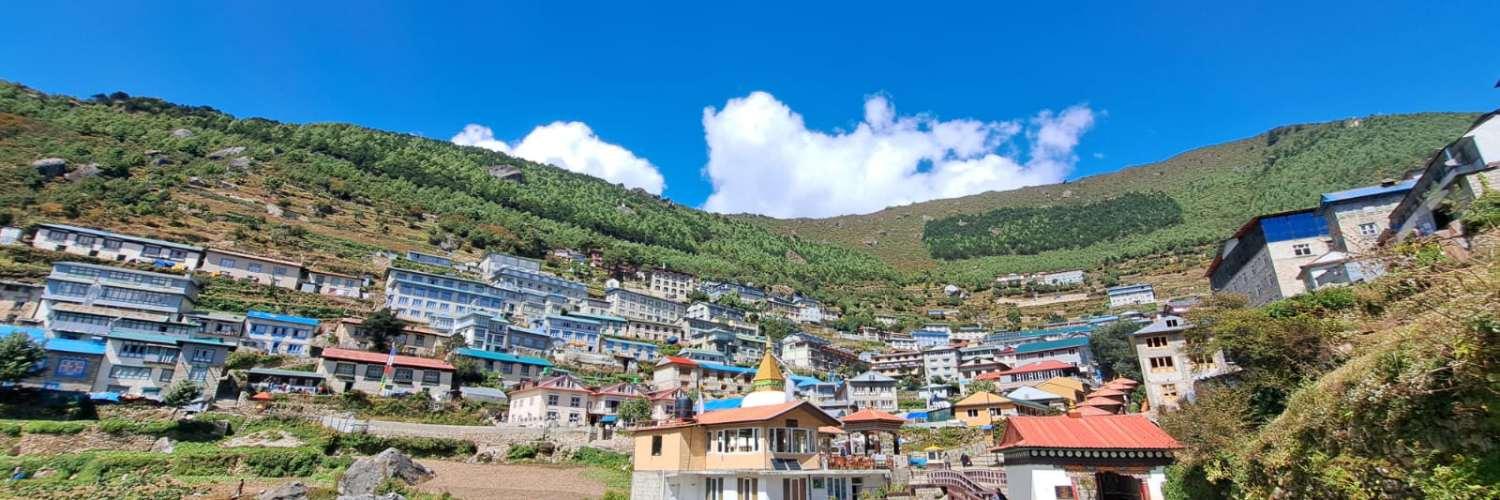
Trek through pine forests, cross high suspension bridges, and climb the steep hill into Namche Bazaar, the commercial heartbeat of the Khumbu. Spend a full mandatory acclimatization day here, hiking up to the Everest View Hotel (3,880m) to prime your lungs.
3. Journey to the Spiritual Hub
Trek along the sweeping panoramic trails facing Ama Dablam and Everest before dropping into the valley and climbing up to Tengboche. Here, we visit the famous Tengboche Monastery to receive traditional blessings for our mountain journey.
4. Deep into Alpine Territory
Move further past the tree line into Dingboche. This is another critical station for altitude adaptation. Spend a day hiking the ridges of Nangkartshang Peak or exploring toward Island Peak to build red blood cells.
5. The Final Push to Cholatse Base Camp
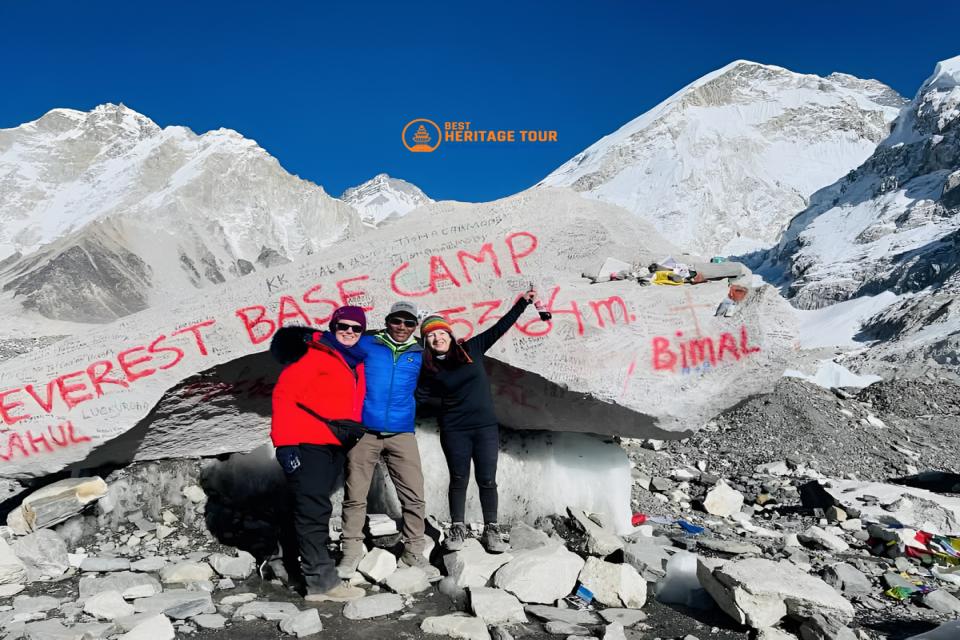
Trek past the emotional climbers' memorials at Thukla Pass, then veer off the main Everest highway toward the west. Skirt the base of the massive Cholatse walls to arrive at the high pasturelands of Dzongla or the dedicated Cholatse Base Camp, perfectly positioned beneath the technical Southwest Ridge.
Trekking vs. Climbing: Finding Your Adventure
Because Cholatse sits at the intersection of various routes, you can experience the mountain based on your skill level:
The Trekker's View (The Cho La Pass Circuit)
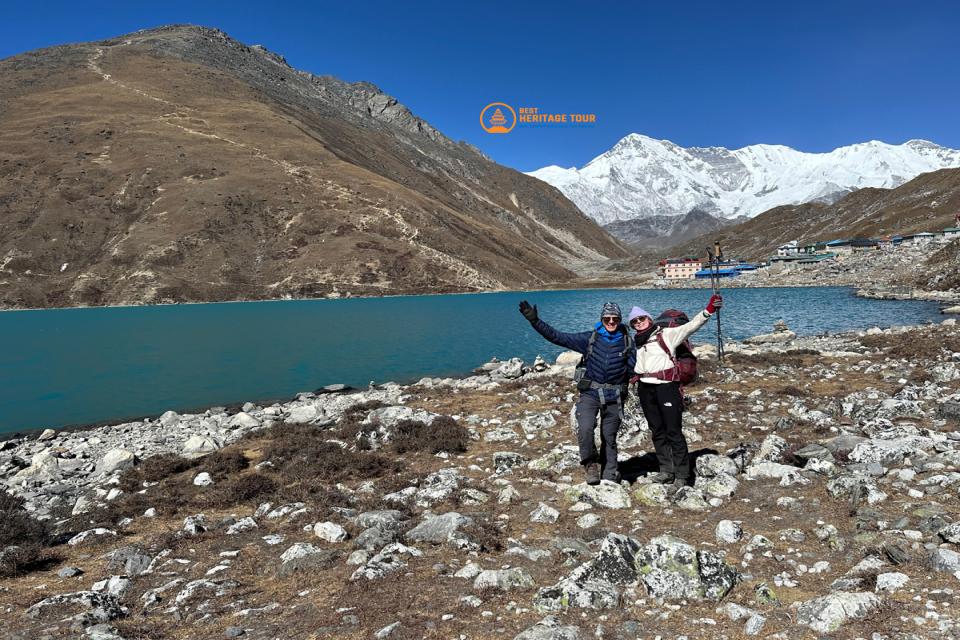
You do not need an ice axe or ropes to witness the magic of Cholatse. Active travelers can take the Gokyo Lakes & Cho La Pass Trek. As you hike from Dzongla up over the pass, the Cholatse glacier is close enough to touch, and the giant rock walls surround you completely.
The Climber's Peak (The Southwest Ridge Route)
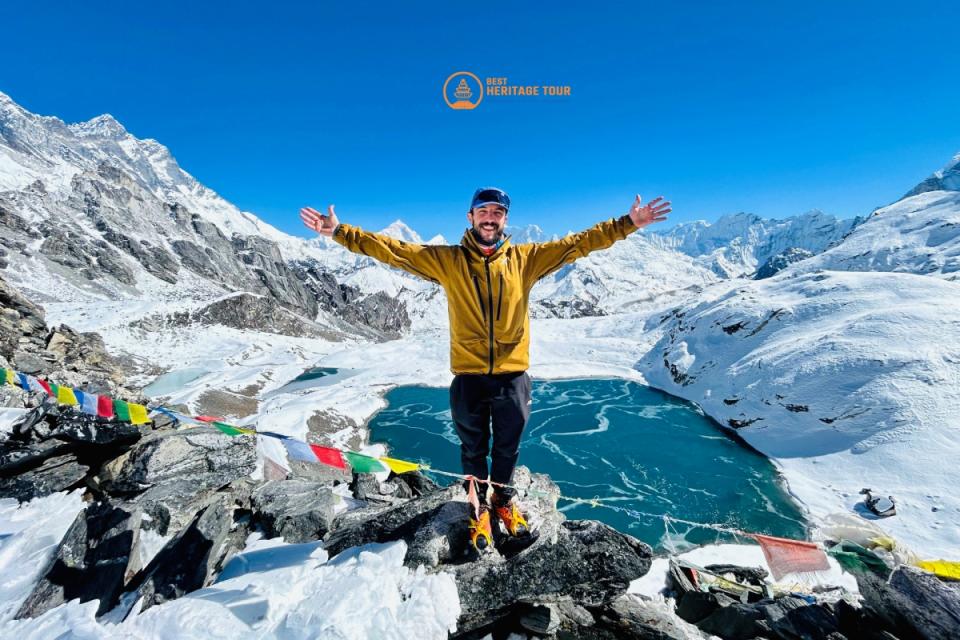
For mountaineers, the Southwest Ridge provides a challenging objective. It involves setting up a base camp, an advanced high camp on the col, and negotiating sustained snow slopes ranging between 45° to 65°, alongside narrow, exposed ridge lines that lead to the summit plateau.
|
Detail |
Expedition Metric |
|---|---|
|
Total Expedition Duration |
25 to 30 Days (Kathmandu to Kathmandu) |
|
Technical Difficulty |
Advanced Alpine / NMA Class "A" |
|
Best Climbing Windows |
Pre-Monsoon (Spring: April-May) & Post-Monsoon (Autumn: Oct-Nov) |
|
Required Gear |
Double mountaineering boots, technical ice axes, crampons, harness, and ascenders |
Conclusion
Cholatse Mountain remains one of the ultimate tests of spirit and skill in the entire Sagarmatha National Park. It refuses to be overshadowed by its taller neighbors, offering instead a pure, raw encounter with the wild alpine architecture of Nepal. Whether your goal is to stand on its exposed summit ridge or look up at its massive vertical walls while traversing the challenging Cho La Pass, Cholatse leaves a lasting impression on everyone who enters its shadow.
Planning a trip into this high-altitude landscape requires expert logistics, precise acclimatization planning, and seasoned local knowledge. By tracking weather windows, organizing reliable portage, and managing remote medical support, we make sure your journey through the Khumbu is safe, seamless, and deeply rewarding.
Start Planning Your Expedition with Best Heritage Tour:
Phone / WhatsApp / Viber: +977-9851149197 / +977-9810043046
Email: info@bestheritagetour.com / bestheritagetour@gmail.com
Website: www.bestheritagetour.com
Office: Thamel Marg, Kathmandu, Nepal
Frequently Asked Questions About Cholatse
How difficult is it to climb Cholatse compared to Island Peak or Lobuche?
Cholatse is significantly more technical than Island Peak or Lobuche East. While those peaks are largely non-technical snow scrambles with brief steep sections, Cholatse demands sustained ice climbing, comfort with massive exposure, and independent rope competency.
Do I need a special permit for the Cholatse Mountain area?
Yes. If you are trekking through the area, you will need the Sagarmatha National Park Entry Permit and the Khumbu Pasang Lhamu Rural Municipality Permit. If you intend to climb above the base camp, you must secure a formal Group "A" peak climbing permit issued via a licensed Nepalese agency through the NMA.
When is the best time of year to visit Cholatse Base Camp?
The ideal windows are the peak Himalayan trekking seasons: Spring (March to May) and Autumn (September to November). During these months, skies are generally clear, providing clear views of the faces, and trail conditions over the Cho La Pass are at their safest.
Author: Best Heritage Tour
Date: 17th July, 2026