At Best Heritage Tour, we often tell our guests that Nepal doesn’t just have seasons; it has "transformations." While the golden hues of autumn are legendary for mountain clarity, there is a secret window of time - between late March and May - when the rugged foothills of the Himalayas undergo a breathtaking makeover.
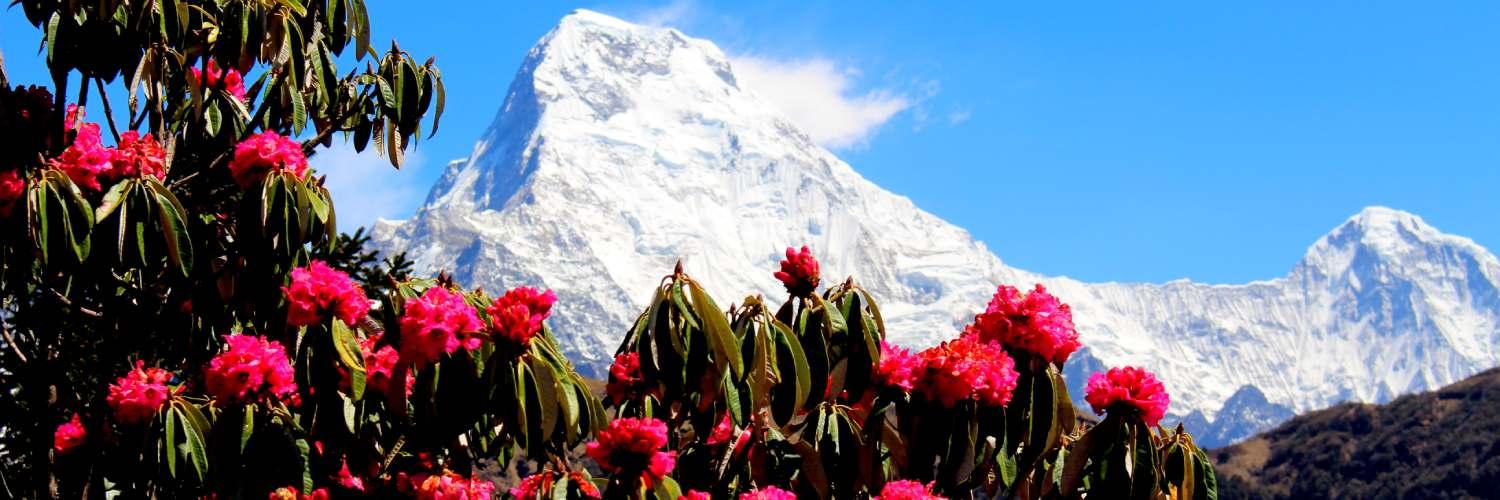
This is the season of the Lali Gurans (the Red Rhododendron), Nepal’s national flower. Imagine walking through a "Cathedral of Crimson," where giant rhododendron trees - some reaching 50 feet in height - form a blooming canopy over your head, with the white, serrated peaks of the Annapurna or Langtang ranges peeking through the blossoms.
For families, photographers, and nature enthusiasts, a rhododendron trek is the ultimate way to experience the gentler, more vibrant side of the Himalayas. In this guide, we’ll walk you through the top trails to see these blossoms, why spring is the perfect time for a family adventure, and how to plan your journey with us.
Why Spring (March-May) is the Magic Window
Spring in Nepal is a symphony of color. As the winter snow melts, the landscape doesn't just wake up; it explodes.
-
The Vertical Bloom: Rhododendrons in Nepal bloom according to altitude. In late March, the lower hills (1,500m - 2,500m) turn a deep, crimson red. By mid-April, the "mid-hills" (2,500m - 3,500m) are awash in shades of pink and white. By May, the high-altitude shrubs take over.
-
Mild Temperatures: For families trekking with children, the weather is incredibly kind. Expect daytime temperatures between 15°C and 22°C - perfect for hiking without the biting cold of winter or the humidity of summer.
-
Festive Energy: Spring coincides with Holi (the festival of colors) and the Nepali New Year, adding a layer of rich cultural heritage to your natural exploration.
1. Ghorepani Poon Hill: The World’s Largest Rhododendron Forest
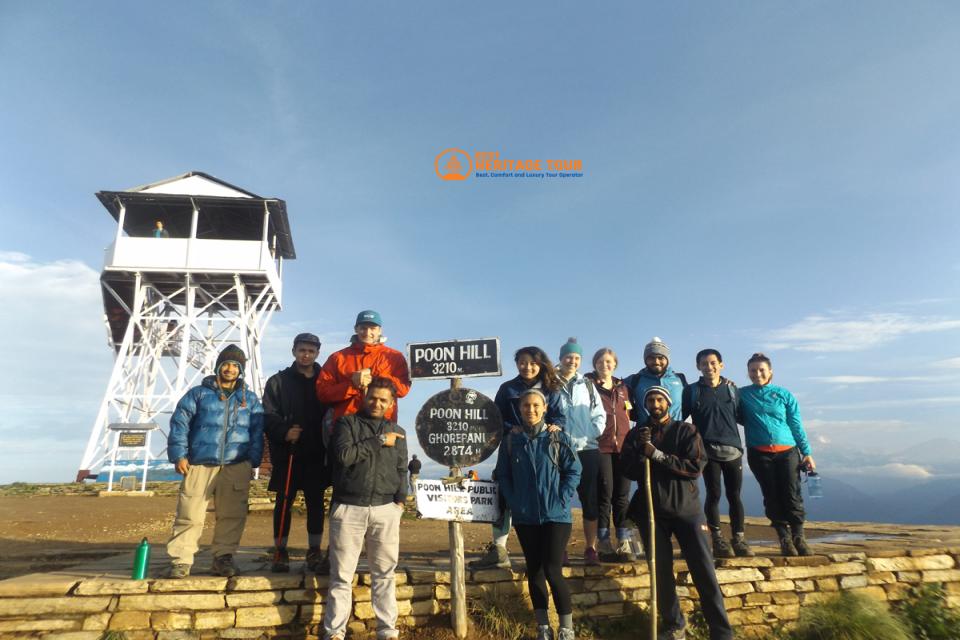
If your primary goal is to see the most concentrated "sea of red," the Ghorepani Poon Hill Trek is unrivaled. It is often cited as home to the largest rhododendron forest on earth.
Why Families Love It
This is arguably the most family-friendly trek in Nepal. The trails are well-maintained stone stairs, the elevations are manageable (peaking at 3,210m), and the teahouses are cozy and frequent.
The Rhododendron Highlight
Between the villages of Ulleri, Ghorepani, and Tadapani, you aren't just looking at flowers; you are walking inside them. The forest here is dense and ancient. When the morning sun hits the red blossoms against the backdrop of Mount Dhaulagiri and Annapurna South, it creates a contrast so vivid it looks like a painting.
-
Duration: 4-5 Days
-
Difficulty: Easy to Moderate
-
Best for: Families with children (ages 6+), senior travelers, and photographers.
2. Langtang Valley: The Valley of Glaciers and Flowers
Located just a day’s drive from Kathmandu, the Langtang Valley Trek offers a dramatic shift from subtropical forests to alpine meadows.
A Cultural and Natural Blend
Known as the "Valley of Glaciers," Langtang was heavily affected by the 2015 earthquake but has since rebuilt with incredible resilience. Trekking here with Best Heritage Tour means you are directly supporting these local communities.
The Rhododendron Experience
As you hike from Syabrubesi toward Lama Hotel and Mundu, the trail follows the Langtang River. You’ll pass through diverse forests of oak and maple, interspersed with vibrant rhododendron groves. The higher you go, the more the colors shift from scarlet to pale cream and white, eventually giving way to the soaring 7,000-meter peaks of Langtang Lirung.
-
Duration: 7-8 Days
-
Difficulty: Moderate
-
Best for: Travelers seeking a mix of high-mountain scenery and deep cultural immersion.
3. Mardi Himal: The Ridge Walk Through the Pink Clouds
For those who want to escape the crowds of the more popular Poon Hill route, the Mardi Himal Trek is our top "hidden gem" recommendation.
The "Off-the-Beaten-Path" Vibe
Mardi Himal is a ridge trek, meaning you spend much of your time walking along the spine of the hill rather than in deep valleys. This provides constant, 360-degree views of the Machhapuchhre (Fishtail) mountain.
The Forest of Enchantment
The section between Forest Camp and Low Camp is perhaps the most magical rhododendron walk in Nepal. Because the trail is narrower and less commercialized, the moss-covered trees and hanging blossoms feel like a scene from a fantasy novel. It is quiet, serene, and incredibly photogenic.
-
Duration: 5-6 Days
-
Difficulty: Moderate
-
Best for: Young couples, solo travelers, and families with teenagers.
4. Tinjure-Milke-Jaljale: The Rhododendron Capital
If you are a true botany enthusiast, we invite you to the far east of Nepal. The Tinjure-Milke-Jaljale (TMJ) trail is officially recognized as the "Rhododendron Capital of Nepal."
A Botanical Wonderland
While the Annapurna region has a few dominant species, the TMJ region boasts over 28 different species of rhododendrons. From the famous Rhododendron arboreum to rare alpine varieties, the diversity here is staggering.
Why it’s Unique
This is a true heritage experience. The tourism infrastructure is less developed here, offering a glimpse into the authentic, untouched lifestyle of Eastern Nepal. You’ll have views of Mount Makalu and Mount Kanchenjunga - the third-highest peak in the world - framing the floral landscape.
-
Duration: 8-10 Days
-
Difficulty: Moderate (Remote)
-
Best for: Trekkers who have "seen it all" and want something truly unique.
Expert Tips for Your Family Spring Trek
Trekking with children or for the first time requires a bit of "insider" planning. Here is how we ensure your journey is seamless:
-
Pace is Everything: We design our family itineraries with shorter walking days. We believe the goal isn't just to reach the camp; it's to have time to skip stones in a stream or take photos of a rare butterfly.
-
Hydration & Nutrition: Even in the mild spring sun, the altitude can be dehydrating. We provide purified water and ensure our partner teahouses serve fresh, locally sourced organic meals.
-
The "Porter-Guide" Advantage: For families, we often recommend an extra porter. Not just for bags, but to occasionally carry a tired child or to share local myths and legends that keep the little ones engaged on the trail.
-
Gear Up: Even in spring, it can rain. Pack lightweight waterproof jackets and "layers." A morning might start at 10°C and hit 22°C by noon.
Sustainable Travel: Protecting the Bloom
At Best Heritage Tour, we are committed to the "Leave No Trace" philosophy. The rhododendron is more than just a flower; it is a vital part of the Himalayan ecosystem and a symbol of our national pride.
-
Look, Don’t Pick: We encourage all our guests to admire the flowers in their natural habitat.
-
Support Local: We stay in locally owned teahouses, ensuring that your visit directly benefits the families who protect these forests.
-
Tree Planting: As part of our commitment to the environment, we plant a tree for every traveler who treks with us, helping to ensure that future generations can also witness the "Pink Bloom."
Conclusion
There is a specific kind of silence you find in a Nepali rhododendron forest - a quiet broken only by the song of a Himalayan Monal or the distant sound of a yak bell. It is a place where time slows down, and the grandeur of nature feels approachable.
Whether you are watching the sunrise over Poon Hill with your children or exploring the resilient villages of Langtang, the rhododendron season offers a perspective of Nepal that most travelers never get to see.
Are you ready to walk through the colors of the Himalayas?
At Best Heritage Tour, we specialize in turning "trips" into "legacies." From custom family itineraries to expert-led photography tours, we handle every detail - permits, transport, and safety - so you can focus on the view.
Contact Best Heritage Tour to start planning your personalized Rhododendron Trek. Let us show you the Nepal we know and love.
Phone / WhatsApp / Viber: +977-9851149197 / +977-9810043046
Email: [email protected] / [email protected]
Website: www.bestheritagetour.com
Office: Thamel Marg, Kathmandu, Nepal
Author: Best Heritage Tour
Date: 12th January, 2026