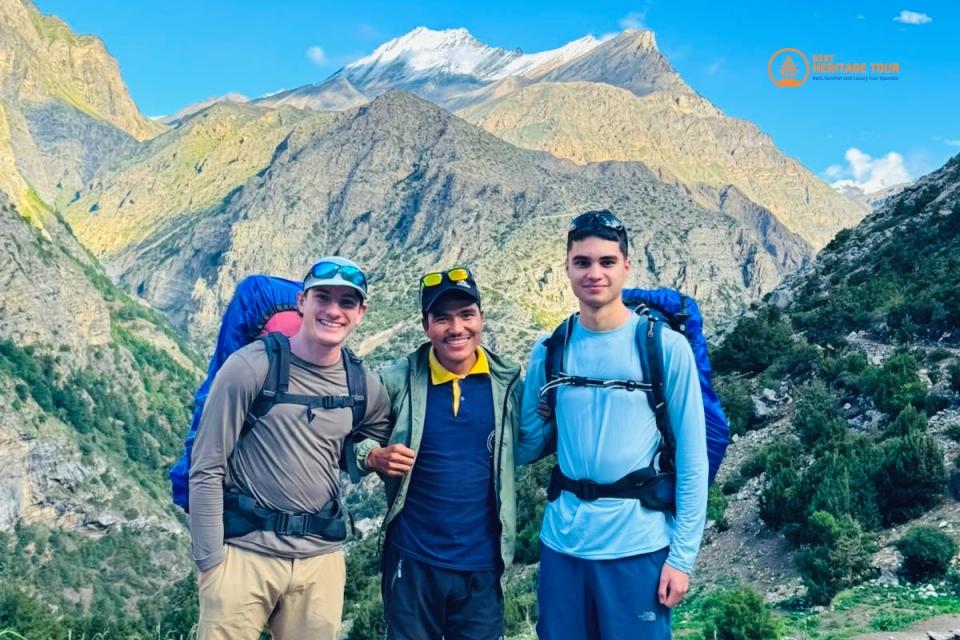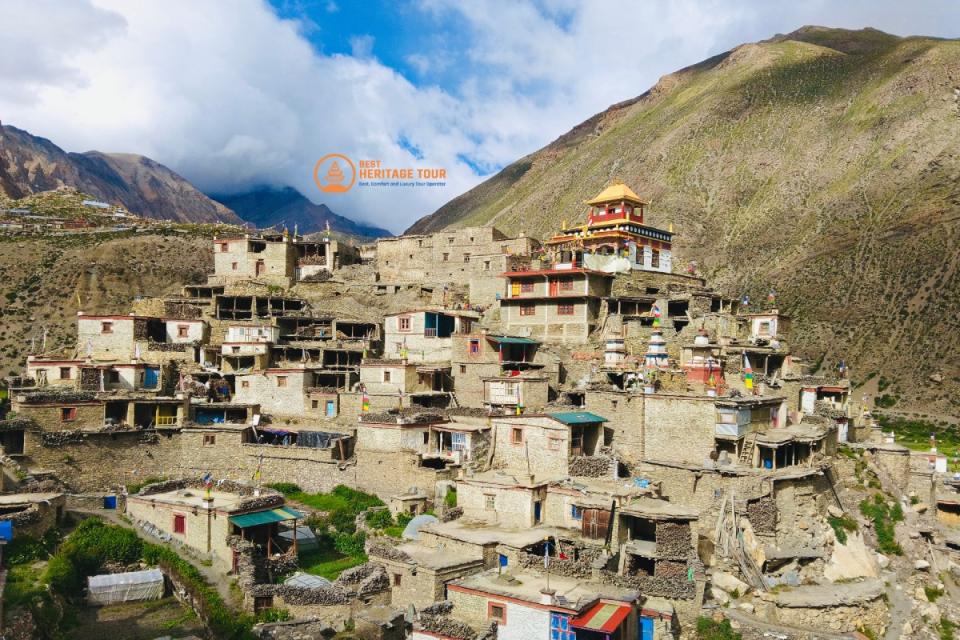
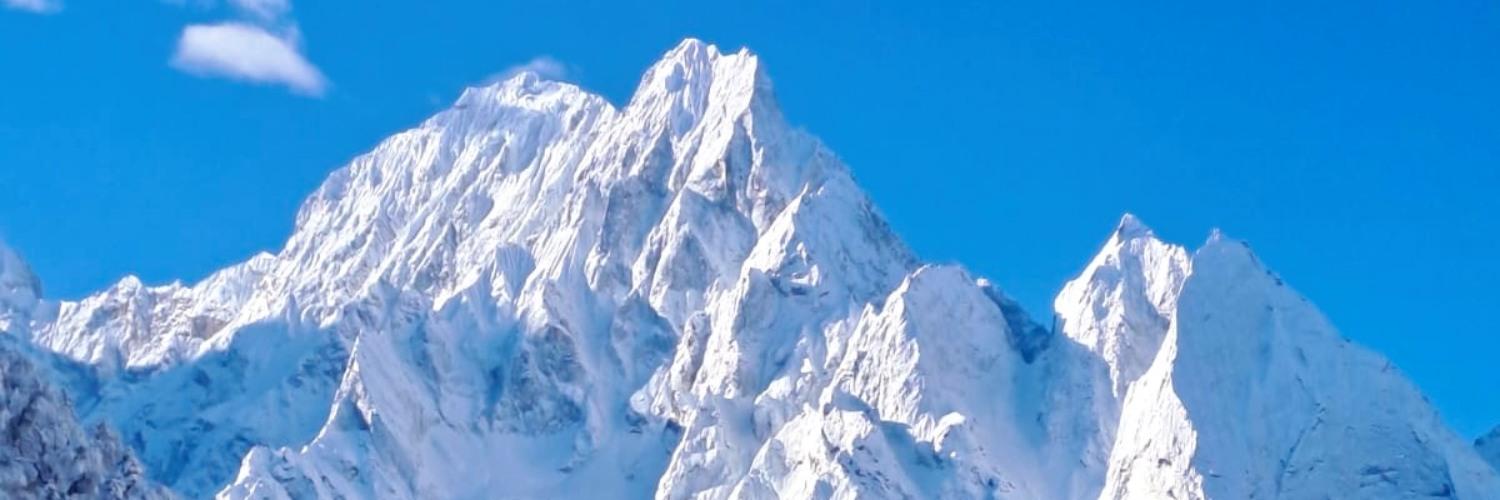
Deep within the trans-Himalayan rain shadow of the Annapurna range lies a rugged, lost world of ancient Tibetan culture, deep canyons, and raw glacial landscapes. The Nar Phu Valley, hidden behind towering massifs, was entirely closed to outsiders until 2003. Even today, it remains an exclusive, restricted trekking territory requiring special permits and mandatory local guides. Because this trek spans extreme altitudes - climbing from the sub-tropical entry point of Koto (2,600m) to the stark, windswept crest of the Kang La Pass (5,320m) - timing your journey is everything.
When planning your high-altitude adventure, choosing the Best Time for Nar Phu Valley Trek is the single most critical factor determining your safety, comfort, and view quality. Whether you are an avid peak-bagger looking to cross the formidable Kang La Pass under perfectly crisp autumn skies, or an off-season traveler intrigued by the prospect of a Monsoon Trek in Nepal, this comprehensive, month-by-month guide breaks down exactly what to expect on the trail.
The Seasonal Framework of Nar Phu: At a Glance
Before examining individual months, it helps to understand how the trans-Himalayan climate patterns behave. Nar Phu’s geographical position creates a unique weather anomaly. While standard routes like Annapurna Base Camp receive torrential downpours during the summer, the Nar Phu Valley rests partly inside a rain shadow zone. This geographical barrier significantly blocks heavy monsoon clouds, altering traditional trekking wisdom.
|
Season |
Months |
Daytime Temp |
Nighttime Temp |
Visibility & Trail Safety |
|---|---|---|---|---|
|
Spring |
March - May |
8℃ to 15℃ |
-5℃ to 5℃ |
High clarity; blooming valleys; clearing snow on high passes. |
|
Summer / Monsoon |
June - August |
12℃to 18℃ |
5℃to 10℃ |
Intermittent cloud cover; rain-shadow protection inside the valley; landslide risks on lower access roads. |
|
Autumn |
September - November |
10℃to 16℃ |
-10℃to 0℃ |
Razor-sharp visibility; most stable weather; peak safety across the Kang La Pass. |
|
Winter |
December - February |
0℃ to 8℃ |
-20℃ to -10℃ |
Bright morning skies; heavy snow; Kang La Pass and local teahouses frequently close. |
Spring (March to May): The Season of Rebirth and High Passes
Spring is universally recognized as one of the premier windows to experience the Nar Phu Valley. As winter releases its icy grip, the valley transitions from a frozen, silent wilderness into an active alpine sanctuary.
March
March is the transition month. The early weeks still carry the biting cold of winter, and the higher passes like Kang La may hold deep, lingering snowpacks that require microspikes or crampons. However, by late March, daytime temperatures warm up comfortably, and local teahouses - many of which shut down completely during the winter - begin opening their doors. The atmosphere is crisp, and the trails remain exceptionally quiet.
April
If you are searching for the absolute sweet spot of spring, April is arguably the best month to trek. The weather patterns solidify, bringing long, sun-drenched days and excellent morning visibility. Crucially, the snow on the Kang La Pass typically melts back enough to create a safe, reliable path for trekkers. Below the tree line, forests of rhododendron and magnolia burst into vivid blooms, contrasting sharply against the icy walls of Lamjung Himal and Annapurna II.
May
May brings warmer temperatures to both the canyons and the high plateaus. While lower sections of the trail can feel quite warm and humid during midday climbs, the high-altitude villages of Nar (4,110 m) and Phu (4,080 m) enjoy beautiful, shirt-sleeve hiking weather. Toward late May, pre-monsoon clouds begin to build in the afternoons, bringing occasional light showers, but the mornings remain clear and stunning.
Summer / Monsoon (June to August): The Rain-Shadow Alternative
The question we hear most frequently from off-season adventurers is: Is Monsoon season the best Time for Nar Phu Valley Trek?
To answer accurately, we have to look closely at the region's geography. The short answer is yes & no - monsoon is not the ideal or most comfortable season due to transit challenges. However, for a specific type of traveler, it stands out as an incredibly viable, rewarding alternative. Because Nar Phu sits behind the massive Annapurna barrier, it experiences a classic trans-Himalayan microclimate, receiving far less rainfall than the southern slopes of Nepal.
June
The monsoon officially arrives in Nepal by mid-June. As you begin the trek along the classic Annapurna Circuit access road from Besisahar to Koto, you will experience heavy rain, humid conditions, and muddy trails. However, once you pass the checkpoint at Koto and turn north into the narrow, steep-sided gorges leading toward Nar and Phu, the rainfall drops drastically. The valley transforms into a hidden, emerald refuge.
July
July is the peak of the summer monsoon. While classic routes like Everest Base Camp or the southern Annapurna foothills are plagued by thick clouds and daily downpours, the interior of the Nar Phu Valley remains surprisingly dry and highly walkable. The unique advantage of a Monsoon Trek in Nepal here is the vibrant revival of local life. This is the primary agricultural and herding season. You will see vast pastures carpeted in alpine wildflowers, active yak caravans, and local communities farming barley and potatoes.
Important Safety Note on Lower Sections: While the upper valley is protected from the rain, the main highway and lower access trails leading to the start of the trek are highly susceptible to landslides and mudslides. Traveling during July requires built-in itinerary flexibility, extra buffer days, and a highly experienced local guiding team to safely navigate changing road conditions.
August
August mirrors July with warm temperatures and lush, green landscapes at high altitudes. The air is remarkably clean and dust-free. Photographers who brave the season are rewarded with dramatic atmospheric compositions: swirling mist, deep green canyons, and sudden, breathtaking reveals of snow-capped peaks against a stormy sky. By late August, the monsoon winds begin to subside, paving the way for the autumn shift.
Autumn (September to November): Pinnacle Visibility and Peak Safety
When it comes to pure trekking perfection, autumn is the undisputed gold standard for the Nar Phu region. If your primary goal is safe pass crossings and crisp, postcard-perfect Himalayan vistas, this is your window.
September
September marks the end of the monsoon. Early in the month, some residual clouds and occasional light showers can linger, but by the third week, a dramatic shift occurs. The atmosphere clears completely, scrubbed clean by months of rain. The landscapes are still rich with summer greenery, but the weather patterns stabilize into predictable, dry, and sunny days.
October
October is the quintessential peak month for the Nar Phu Valley Trek. The sky displays a deep, flawless blue, providing completely unobstructed, panoramic views of the Himlung Himal, Gangapurna, and the Annapurna range. Because the weather is at its most stable, trail safety peaks, making it the ideal time to tackle the steep, scree-filled ascent and descent of the Kang La Pass.
While the neighboring Annapurna Circuit sees high tourist traffic in October, the restricted nature of Nar Phu keeps these hidden valleys pleasantly uncrowded, preserving an authentic sense of isolation.
November
November brings cool, crisp days and rapidly dropping night temperatures. The air is exceptionally dry, offering some of the sharpest, most transparent mountain views of the entire year. As long as you pack high-quality cold-weather gear and a heavy-duty sleeping bag, November offers an incredible experience with completely dry trails and quiet, peaceful teahouses.
Winter (December to February): The Frozen Wilderness
Trekking through Nar Phu during the deep winter is a hardcore, high-consequence undertaking that is generally not recommended for standard travelers.
December
Early December can feature clear, beautiful mornings, but temperatures drop well below freezing (often reaching -15℃ to -20℃ overnight in the upper villages). By mid-December, winter storms begin to deposit heavy snow across the high alpine areas, making the steep ascent over the Kang La Pass treacherous or entirely impassable.
January
January is the coldest and most severe month in the valley. The trails are deeply buried in snow, water pipes freeze solid, and the remote villages are almost entirely deserted as locals migrate to lower elevations. The risk of frostbite and altitude complications increases dramatically due to the extreme ambient cold.
February
While February marks the technical end of winter, the high passes accumulate snow throughout the season, meaning the avalanche risk on steep slopes can peak during this time. The cold begins to ease slightly by late February, but the route remains highly restricted by snow and ice until the spring thaw in March.
Conclusion
Choosing the right season for your Nar Phu Valley Trek completely transforms your experience from a grueling battle against the elements into a magical, deeply moving Himalayan journey. Whether you choose the flawless skies of autumn, the vibrant blossoms of spring, or the serene, crowd-free green valleys of a summer rain-shadow trek, proper local preparation is the key to a flawless expedition.
At Best Heritage Tour, we specialize in managing the complex logistics of restricted area permits, arranging private, rugged 4x4 transport through challenging monsoon access roads, and providing veteran, English-speaking local guides who grew up navigating these exact trans-Himalayan passes.
Ready to step off the beaten path and explore the forgotten valleys of Nar and Phu?
Phone / WhatsApp / Viber: +977-9851149197 / +977-9810043046
Email: info@bestheritagetour.com / bestheritagetour@gmail.com
Website: www.bestheritagetour.com
Office: Thamel Marg, Kathmandu, Nepal
Frequently Asked Questions (FAQ)
What is the absolute best month to trek the Nar Phu Valley?
The absolute best months are October (for perfect weather, crystal-clear skies, and maximum safety over the Kang La Pass) and April (for beautiful spring blooms, comfortable daytime temperatures, and excellent visibility).
Is the Monsoon season the best time for Nar Phu Valley Trek?
No, monsoon is not the absolute best time, but it is the premier off-season alternative. Because the valley lies in a trans-Himalayan rain shadow, the interior remains relatively dry and highly walk-able in July and August, offering lush green pastures and rich cultural encounters with local herders. However, travelers must prepare for muddy roads and potential landslide delays in the lower access regions outside the valley.
How difficult is the Kang La Pass, and how does the weather affect it?
The Kang La Pass stands at 5,320 m (17,454 feet). It is a demanding, steep climb on loose scree and rocky trails. In the peak months of October and April, the pass is generally dry or has a well-defined trail, making it safe for fit trekkers. In winter (December-February) and early spring (March), heavy snow routinely closes the pass entirely.
What special permits are required for the Nar Phu Valley trek?
Because Nar Phu is a protected border region near Tibet, independent trekking is strictly forbidden. You must trek with licensed guide from an authorized Nepali trekking agency. Your company will secure the Nar Phu Restricted Area Permit (RAP) alongside the Annapurna Conservation Area Project (ACAP) permit.
Author: Best Heritage Tour
Date: 5th July, 2026