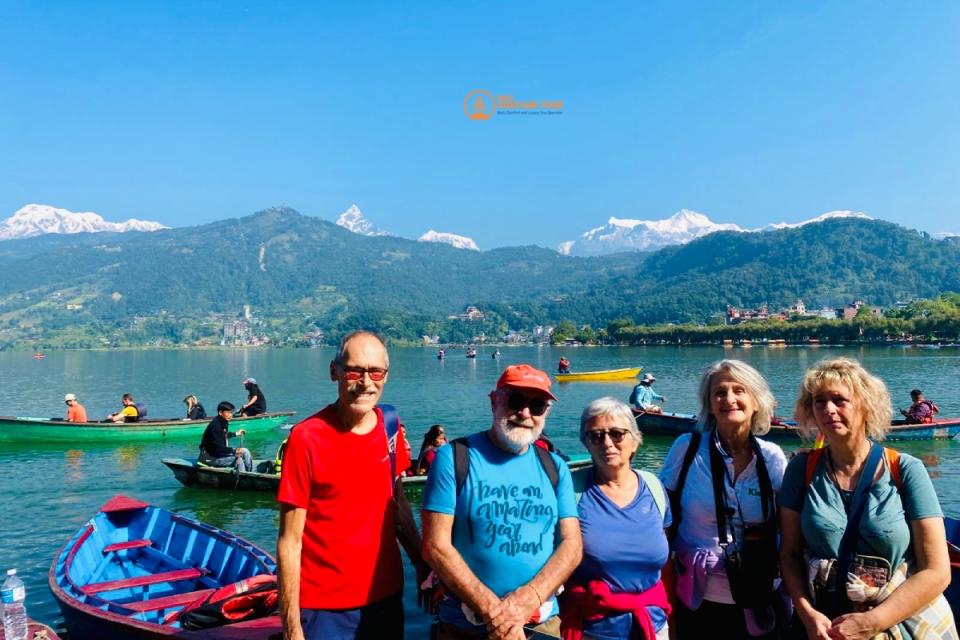
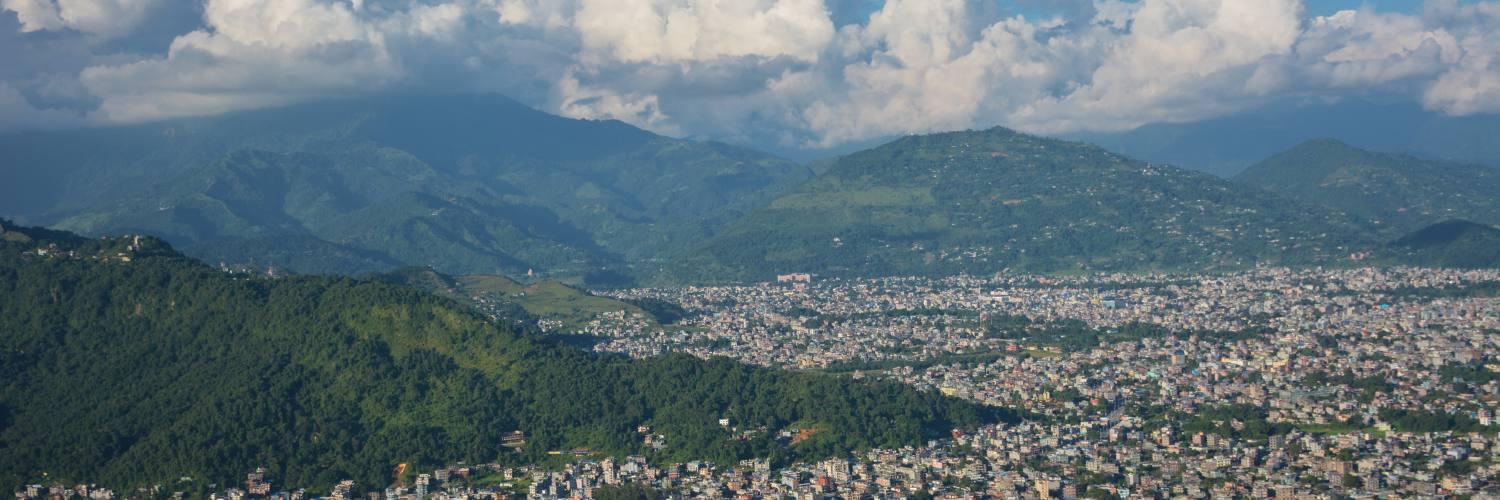
Waking up to the rhythmic drumming of monsoon rain on your hotel window in Lakeside can feel like a setback, especially if your calendar was packed with paragliding, boating, or catching a clear sunrise over the Annapurna range. However, as local travel experts who navigate Nepal’s changing seasons year-round, we look at gray skies a little differently. In the tourism capital of Nepal, a wet day is not a lost day. It is an open invitation to slow down, pivot indoors, and discover a deeper, more intimate side of the region that sunshine-chasing tourists completely bypass.
Whether you are a seasoned trekker resting your knees after completing the Annapurna Circuit, a family looking for cultural entertainment, or a first-time international traveler seeking shelter from a sudden cloudburst, the city adapts beautifully.
Descend Into the Earth: Pokhara’s Subterranean Sanctuaries
When the sky opens up, heading underground is one of the most adventurous things to do on a rainy day in Pokhara. The region's unique limestone geology has created a fascinating network of caverns right below the surface.
Gupteshwor Mahadev Cave
Located directly across from Devi’s Falls, Gupteshwor Mahadev is far more than a simple geological formation; it is a sacred Hindu pilgrimage site dating back centuries. As you step down the sweeping concrete staircase, the air turns cool and humid. Inside the first chamber lies a massive stalagmite revered as a natural Shiva Lingam.
If it is raining hard, continuing to the second chamber reveals something spectacular: a damp, rocky viewing platform where you can look up into a dark chasm and witness the roaring waters of Devi’s Falls plunging directly into the cave from the surface world above. The sound is absolute thunder, and the mist is completely refreshing.
Mahendra Cave and Bat Cave (Chameri Gufa)
Situated on the northern edge of the city, these two caves offer a more rugged, natural cave experience. Mahendra Cave is illuminated and features distinct stalactite and stalagmite formations.
A short walk away lies the Bat Cave, which is exactly what it sounds like. Armed with a flashlight, you can peer up into the dark ceiling to see thousands of horseshoe bats clinging to the rock.
Seek Sanctuary in Culture: High-Authority Museums
If you are wondering what to do in Pokhara on a rainy day to stimulate your mind, the city’s specialized museums offer hours of dry, fascinating exploration.
International Mountain Museum (IMM)
The IMM is an architectural marvel and a must-visit sanctuary for anyone fascinated by high-altitude exploration. You can easily spend three to four hours wandering through its massive exhibition halls.
The museum documents the history of mountaineering, the geology of the Himalaya, and the indigenous cultures of Nepal's mountain communities. For trekkers, the Hall of Fame - which features original gear, journals, and photographs from historic ascents of the world’s 14 highest peaks - is deeply inspiring.
|
INTERNATIONAL MOUNTAIN MUSEUM |
|
|
Mountain Culture Hall |
Traditional costumes, tools, and homes of Sherpa, Gurung, and Thakali peoples. |
|
Hall of Great Himalayas |
Geological evolutions, flora fauna, and climate data. |
|
Mountaineering History |
Artifacts from early Everest and Annapurna runs. |
The Gurkha Museum
Located near the K.I. Singh Bridge, this beautifully curated three-story museum honors the legendary bravery and history of the Nepalese Gurkha soldiers. Through historic uniforms, medals, rare photographs, and soundscapes, the exhibits trace their service from the 19th century through to modern global peacekeeping missions. It is a sobering, profoundly moving tribute to the "Bravest of the Brave."
Master the Flavor: Traditional Nepali Cooking Classes
One of the absolute best ways to spend a rainy afternoon is to transform local ingredients into a warm culinary experience. Instead of just ordering another plate of momos at a cafe, you can learn the exact geometry behind them.
Several family-run kitchens and community spaces across Lakeside host hands-on culinary workshops that are perfect for a wet day.
-
The Momo Mastery: You will learn how to spice minced buffalo, chicken, or local vegetables with fresh ginger, garlic, and wild coriander. The real challenge, however, is mastering the fold - the delicate art of crimping the dough wrapper into perfect half-moons or round pouches.
-
The Dal Bhat Blueprint: Learn the art of balancing spices in a proper tarkari (vegetable curry), achieving the perfect smoky temper (jhanne) on your lentils, and making a spicy roasted tomato achar (pickle) using a traditional stone mortar and pestle.
The best part of a cooking class? Once the work is done, you get to sit down with a hot cup of spiced Himalayan tea and enjoy the feast you just created while listening to the rain beat against the roof.
Find Inner Peace: Yoga, Sound Healing, and Wellness
A rainy day provides the perfect excuse for a "body service day," especially if you have recently returned from weeks of demanding trekking in the mountains. Pokhara is a major global hub for holistic wellness, offering plenty of ways to restore tired muscles and calm an overstimulated mind.
Tibetan Singing Bowl Therapy
Sound healing sessions are an exceptional indoor activity. As you lie down in a quiet, candle-lit room, a practitioner places handmade bronze singing bowls on and around your body's energy centers. When struck, the deep, resonant vibrations and harmonic overtones work wonders to soothe sore knees, release lower back tension, and melt away travel stress. The acoustic backdrop of falling rain only enhances the meditative quality of the experience.
Ayurvedic Abhyanga Massage
Step into a local spa for a traditional Ayurvedic oil massage. Using warm, herbal-infused oils selected for your specific body constitution (dosha), therapists use long, synchronized strokes to flush lactic acid from your legs and rehydrate skin worn down by high-altitude winds.
Drop-in Yoga Classes
From Hatha to Restorative Yin, the indoor shalas along Lakeside offer multiple drop-in sessions daily. Spending ninety minutes stretching your hamstrings while looking out over a misty, rain-kissed Phewa Lake is incredibly grounding.
Experience Tibetan Culture and Spiritual Rituals
When exploring what are the things to do on a rainy day in Pokhara, missing out on the spiritual depth of the local Tibetan communities would be a mistake. Pokhara is home to several long-standing Tibetan settlements established in the early 1960s.
Tashi Palkhel Settlement and Jangchub Choeling Monastery
Located in Hemja, this community offers a brilliant, respectful window into Tibetan heritage. The main monastery features an expansive, beautifully painted assembly hall decorated with intricate thangka scrolls and a large, gilded Buddha statue.
If you plan your visit for the late afternoon, you can sit quietly at the back of the hall and witness the monks' daily prayer chants. The deep drone of the dungchen (long horns), the steady rhythm of the drums, and the synchronized chanting of dozens of monks create an unforgettable, atmospheric experience that feels particularly magical on a somber, rainy day.
Savor the Slow Vibe: Lakeside’s Cafe and Cinema Culture
When the cloud cover hangs low over the water, Pokhara’s Lakeside transforms into a cozy sanctuary for writers, readers, and food lovers. The lakeside strip is lined with exceptionally designed cafes and restaurants featuring deep-set sofas, wood-fired heaters, and wide windows.
The Cafe Crawl
Spend your morning hopping between artisanal coffee houses. Order a French press of organic, single-origin organic Nepali coffee grown in the nearby foothills, and pair it with a fresh slice of Himalayan apple pie. It is the perfect environment to catch up on your travel journal, edit your trekking photos, or chat with fellow travelers sharing stories of their alpine adventures.
Indoor Movie Lounges
While Pokhara is famous for its outdoor "Movie Garden," rainy nights call for cozy indoor alternatives. Several local bars and boutique cafes host indoor movie screenings in private, covered spaces. They screen everything from classic mountaineering documentaries like Sherpa and Meru to Hollywood releases, complete with cushions, blankets, and hot wood-fired pizzas delivered straight to your seat.
A Local Guide's Perspective: Understanding Pokhara's Weather
To make the most of your trip, it helps to understand why and when it rains here. Pokhara experiences a unique microclimate due to its immediate proximity to the towering Annapurna massif. The mountains act as a giant wall, forcing moisture-laden air from the south to rise rapidly, cool, and condense into rain.
-
The Monsoon Season (June to September): The rain during these months can be heavy and persistent. However, it rarely pours continuously all day long. You will typically see dry, overcast mornings, heavy downpours in the afternoon, and clear, cool intervals in the evenings.
-
The Trekking Seasons (October-November & March-May): While these months are generally dry and clear, occasional pre-monsoon showers or passing mountain fronts can bring unexpected, brief rainy days.
Conclusion
A rainy day in Pokhara is not a compromise - it is an adventure of a different sort. It forces us to step away from the classic viewpoints, encouraging us to step inside the warm kitchens, ancient caves, and quiet monasteries that form the spiritual and cultural backbone of this beautiful valley. When you stop fighting the weather and learn to embrace its slow, rhythmic pace, you will find that Pokhara under a blanket of rain clouds is incredibly beautiful, peaceful, and unforgettable.
At Best Heritage Tour, we specialize in designing custom, seamless travel experiences across Nepal that transcend the weather. Whether you need a private, air-conditioned vehicle to tour the city's best museums, an exclusive booking at a traditional cooking workshop, or a guided cultural tour of our nearby Tibetan settlements, our expert local guides ensure your vacation remains inspiring and hassle-free, rain or shine.
Ready to explore the hidden side of Pokhara with local experts?
Phone / WhatsApp / Viber: +977-9851149197 / +977-9810043046
Email: info@bestheritagetour.com / bestheritagetour@gmail.com
Website: www.bestheritagetour.com
Office: Thamel Marg, Kathmandu, Nepal
Frequently Asked Questions (FAQ)
Is paragliding completely canceled if it rains in Pokhara?
Yes. For safety reasons, paragliding, ultra-light flights, and zip-lining are instantly suspended during rain, low visibility, or strong winds. If your flight is canceled, operators will typically reschedule you for the next clear morning or offer a full refund.
Are the caves in Pokhara safe to visit during a heavy downpour?
Yes, but with caution. The main pathways of Gupteshwor and Mahendra caves are structurally sound and safe. However, during periods of prolonged, torrential rain, water levels inside Gupteshwor Cave can rise rapidly, and certain deep chambers may be temporarily closed off to visitors by management. Always check with the ticket counter before heading inside.
Can I still go boating on Phewa Lake on a rainy day?
If the rain is a soft, gentle drizzle and the water is calm, boatmen at the Barahi Ghat still operate the colorful Dungas (wooden boats). However, if the rain is accompanied by strong winds, lightning, or heavy downpours, all boating activities are stopped for safety.
What should I pack or wear for a wet day out in the Pokhara city?
We highly recommend wearing sturdy, water-resistant sandals or light trail shoes with good grip, as Pokhara's sidewalks and cave steps can become very slippery. Carry a high-quality umbrella (which is often more comfortable than a sticky rain jacket in the humid valley heat) and a waterproof dry bag to safeguard your camera and phone.
Author: Best Heritage Tour
Date: 9th July, 2026