Best Combined Treks in Nepal
In 2026, the world of trekking has shifted. Travelers are no longer just looking for a "quick look" at Everest or Annapurna. They are seeking immersion. They want to connect the dots between the famous landmarks and the hidden, mystical valleys that many overlook. This is where Combined Treks come into play. By merging classic routes with off-the-beaten-path trails, you get twice the scenery and triple the cultural depth in a single journey.
In this comprehensive guide, we are unveiling the 5 Best Combined Treks in Nepal that we believe every serious adventurer should experience at least once. Whether you're a first-timer or a seasoned mountain goat, these itineraries are the gold standard for Himalayan exploration in 2026. At Best Heritage Tour, we’ve perfected these "Lego-style" itineraries - snapping together different regions to create a seamless, epic adventure.
Top 5 Combined Treks You Should Not Miss
1. The Ultimate Annapurna Fusion: ABC Trek with Mardi Himal & Poon Hill
If there were a "Greatest Hits" album for Nepal trekking, this would be it. Traditionally, trekkers chose between the cultural charm of Poon Hill or the glacial amphitheater of Annapurna Base Camp (ABC). In 2026, we’ve integrated the Mardi Himal Ridge into this circuit to create the ultimate Annapurna experience.
Why Combine These Three?
-
Poon Hill: Offers the most famous sunrise in Nepal, where Dhaulagiri and Annapurna turn molten gold.
-
ABC (4,130m): Puts you at the foot of 8,000m giants.
-
Mardi Himal: A "ridge trek" that offers a perspective of Machhapuchhre (Fishtail) so close you feel you could touch it.
The Experience:
You start with the rhododendron forests of Ghorepani. After the sunrise at Poon Hill, instead of heading back to Pokhara, we traverse toward the Annapurna Sanctuary. After reaching the base camp, the "combined" magic happens: we veer onto the Mardi Himal trail. This section is quieter, more pristine, and offers a sharp contrast to the busy ABC route.
Pro Tip for 2026: The new eco-lodges on the Mardi Himal section are now fully operational, offering surprisingly comfortable stays and even Wi-Fi at 3,500m!
2. The Forbidden Kingdom & The Hidden Valley: Manaslu Tsum Valley with Upper Mustang
For those who crave "The Real Nepal," this is our masterpiece. This trek combines the restricted, spiritually rich Tsum Valley with the raw, desert-like landscapes of Upper Mustang.
The Cultural Deep Dive
-
Manaslu & Tsum Valley: Known as the "Hidden Valley of Happiness," Tsum is a sanctuary where no animals are slaughtered. It is a living museum of Tibetan Buddhism.
-
Upper Mustang: Often called "Little Tibet," this is a rain-shadow desert filled with ancient "sky caves" and the walled city of Lo Manthali.
Logistics & Permits:
Both regions require Restricted Area Permits (RAP). In 2026, the permit for Upper Mustang remains at $50 per day, while Manaslu is $100 per week during the peak autumn season. By combining these, you save on the logistical nightmare of flying back to Kathmandu; we arrange a seamless cross-regional traverse that few agencies can pull off.
3. The High-Pass Challenge: EBC Trek with Three Passes
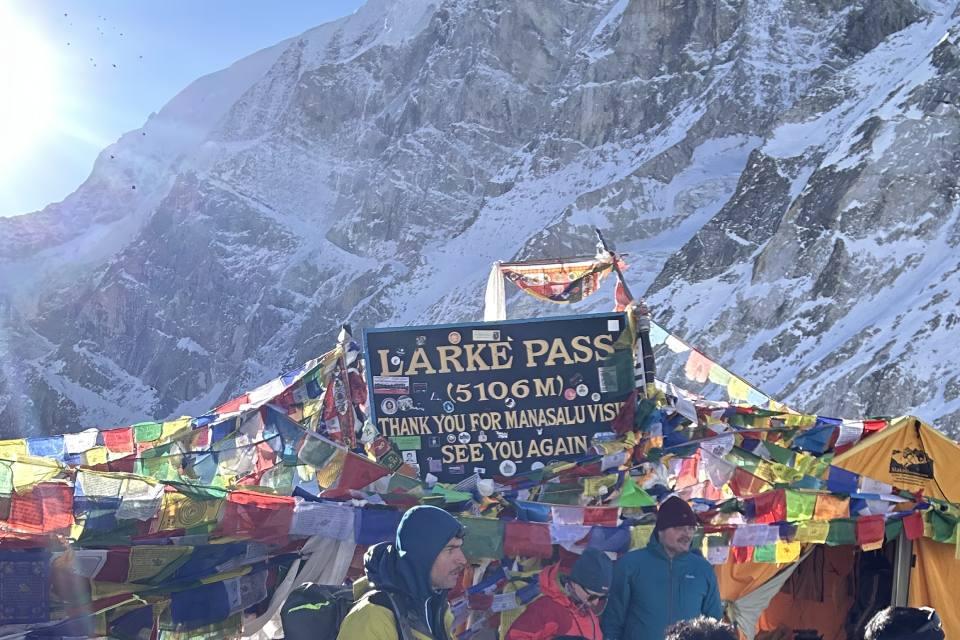
Everest Base Camp (EBC) is on everyone’s bucket list, but the "standard" route can feel like a highway. To truly see the Khumbu, you must go over the top. The Three Passes Trek (Kongma La, Cho La, and Renjo La) is the definitive way to experience the Everest region.
Why It’s the King of Combined Treks:
-
Kongma La (5,535m): The highest and most rugged pass with views of Makalu.
-
Cho La (5,420m): Connects the Everest trail to the turquoise Gokyo Lakes.
-
Renjo La (5,360m): Offers what many guides (including myself) consider the best view of Everest in the entire world.
2026 Update: Due to air traffic at Kathmandu’s airport, most flights to Lukla now depart from Manthali (Ramechhap) during peak seasons (March-May and Oct-Nov). We handle the 4-hour night drive from Kathmandu to ensure you catch the first flight out.
4. The Sacred Lakes & The Tamang Heritage: Langtang Valley with Gosainkunda
Langtang was the region hardest hit by the 2015 earthquake, but its comeback is nothing short of miraculous. In 2026, the teahouses here are some of the newest and best-designed in Nepal.
The Itinerary:
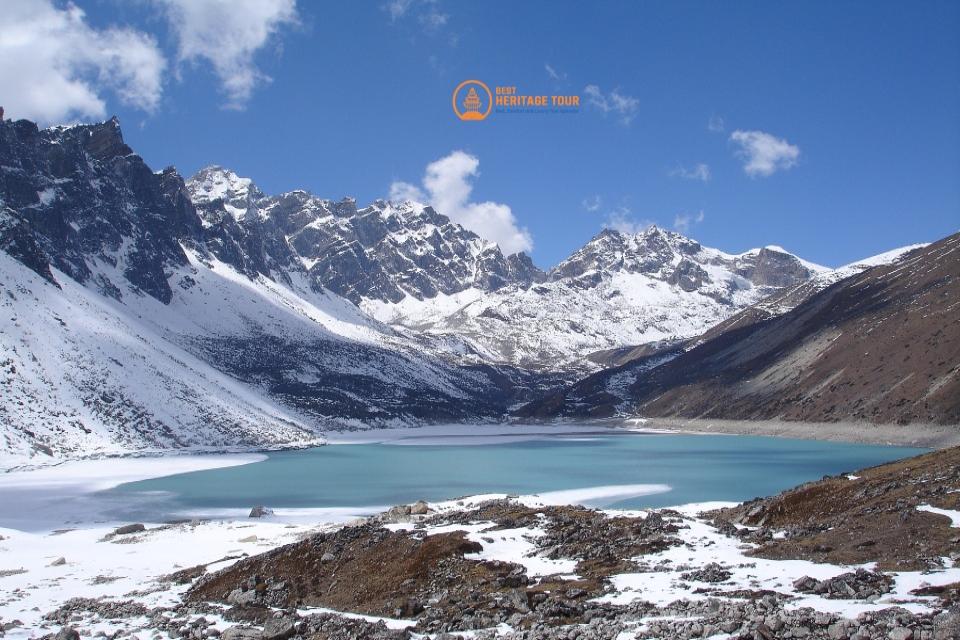
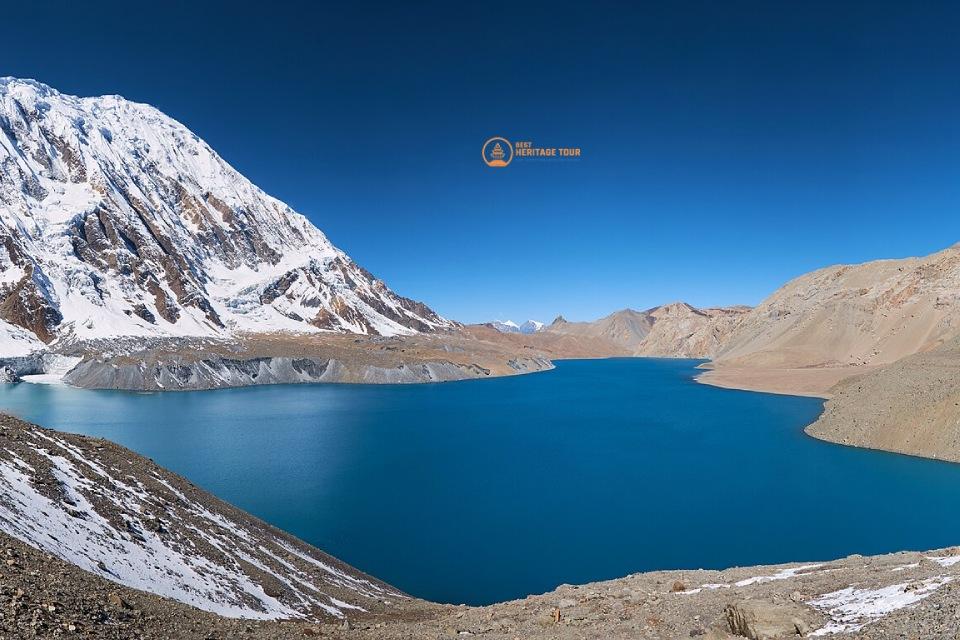
We start in the Langtang Valley, walking through lush forests to the glacier-carved Kyanjin Gompa. From here, instead of retracing our steps, we climb toward the Sacred Gosainkunda Lakes (4,380m). These 108 alpine lakes are a major pilgrimage site for both Hindus and Buddhists.
Why we love it:
It is the closest trekking region to Kathmandu. You can go from the city's chaos to the silence of the glaciers in just a few days. It is the perfect blend of "Alpine Scenery" and "Spiritual Heritage."
5. The Off-Beaten Ridge: Mardi Himal with Khopra Danda (Khayer Lake)
If you want to avoid the crowds entirely, this is your trek. While Mardi Himal has gained popularity, Khopra Danda remains one of Nepal's best-kept secrets.
The Highlight: Khayer Lake
At 4,660m, Khayer Lake is a high-altitude sanctuary at the foot of Annapurna South. The trek along the Khopra Ridge offers a face-to-face view of Dhaulagiri (the 7th highest mountain in the world).
By combining these, you stay on high ridges for days, looking down at the clouds and the distant valleys. It’s an ethereal experience that feels like walking on the sky.
Bonus: The Grand Finale - The Great Himalayan Trail (GHT)
For those who have months, not weeks, there is the Great Himalayan Trail. This is not just a trek; it’s a life-changing expedition that spans the entire length of Nepal - from Kanchenjunga in the East to Humla in the West.
While the full traverse takes 120+ days, at Best Heritage Tour, we offer "Section Treks." You can choose to do the Everest section, the Dolpo section, or the remote Far-West. The GHT is the ultimate "Combined Trek" because it links every major mountain range in the country.
Preparing for Your 2026 Adventure: Essential Tips
As your guides, we don't just point at mountains; we ensure you get home safely. Here is what you need to know for 2026:
-
Acclimatization is Non-Negotiable: These combined treks often involve multiple high passes. Our itineraries include "buffer days" and slow ascent rates to prevent AMS (Acute Mountain Sickness).
-
Gear Up: 2026 has seen a shift toward more sustainable gear. We recommend high-quality, eco-friendly layers. A sleeping bag rated for -15℃ is essential for the Three Passes and Manaslu.
-
The "Manthali Factor": Be prepared for the Ramechhap flight diversion if you are headed to Everest. It's a bit of extra travel, but it significantly reduces flight cancellations.
-
Local Expertise: With the new 2026 trekking regulations, having a licensed guide from a reputable agency like Best Heritage Tour is more than just a safety measure - it’s a government requirement in many restricted regions.
Conclusion
Nepal is a land that demands to be explored slowly and deeply. These five combined treks represent the pinnacle of Himalayan adventure in 2026, offering a balance of challenge, beauty, and soul-stirring culture. Whether you want the icy heights of the Three Passes or the spiritual silence of Tsum Valley, the mountains are calling.
Are you ready to write your own Himalayan story?
Phone / WhatsApp / Viber: +977-9851149197 / +977-9810043046
Email: [email protected] / [email protected]
Website: www.bestheritagetour.com
Office: Thamel Marg, Kathmandu, Nepal