Hidden deep within the rugged embrace of Far-Western Nepal lies a landscape so surreal it feels plucked from a high-fantasy novel. While the Everest and Annapurna regions draw the world’s crowds, the Badimalika Trek remains a whispered secret among elite adventurers and devout pilgrims.
At Best Heritage Tour, we had guided many travelers these trails when the mist clings to the grass and the only sound is the distant chime of a pilgrim’s bell. If you are looking for a journey that transcends mere trekking - a journey that is equal parts spiritual odyssey and raw wilderness exploration - Badimalika is your calling.
In this definitive guide, we will explore everything you need to plan your 2026 expedition to this "Crown Jewel of Bajura."
What is Badimalika? The Spiritual and Natural Apex
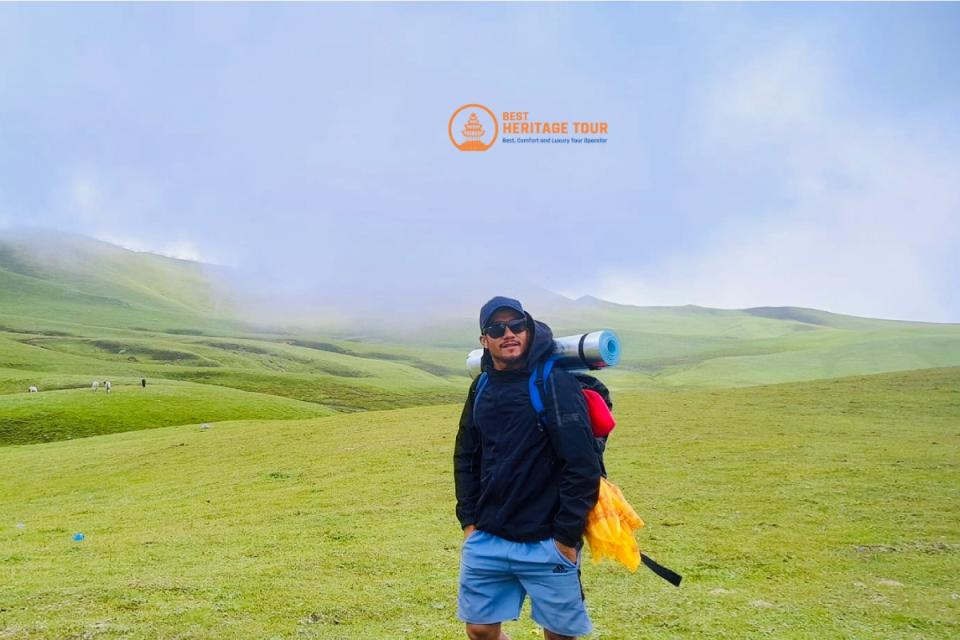
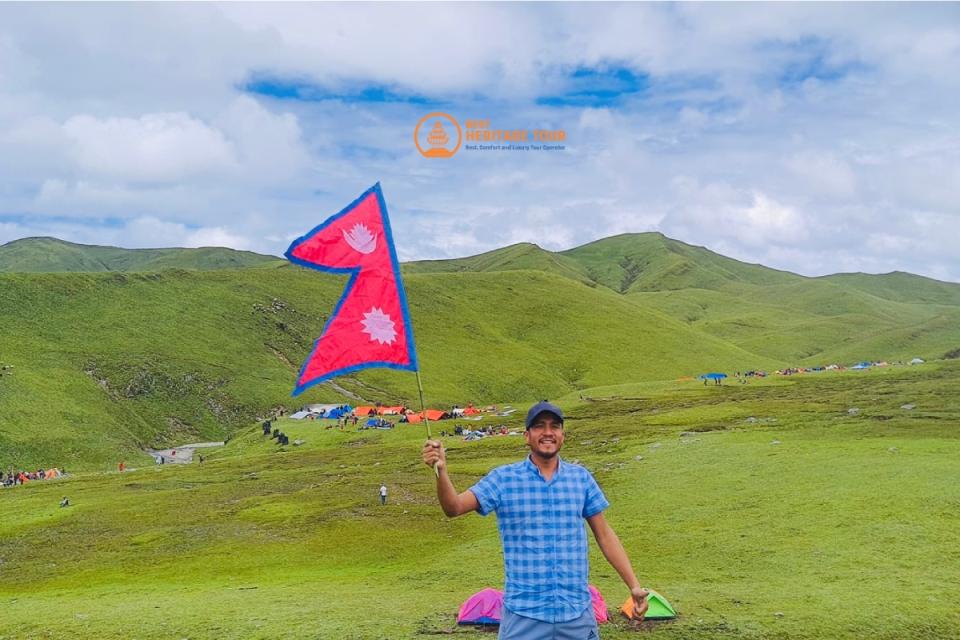
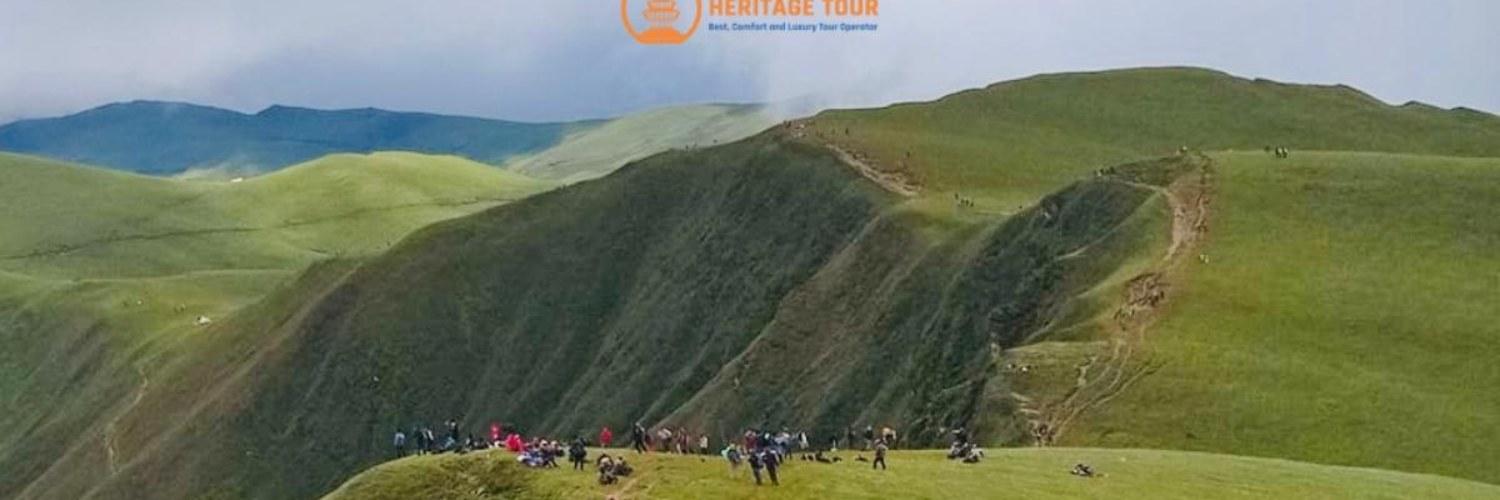
Badimalika is not just a destination; it is a Shakti Peeth, one of the most sacred temples in Hinduism dedicated to Goddess Bhagwati. Perched at an altitude of 4,219 meters (13,842 ft), the temple sits atop a natural tower of rock, surrounded by 22 vast, rolling alpine meadows known locally as Patan.
For travelers in 2026, Badimalika represents the "Last Frontier" of Nepalese trekking. It offers:
-
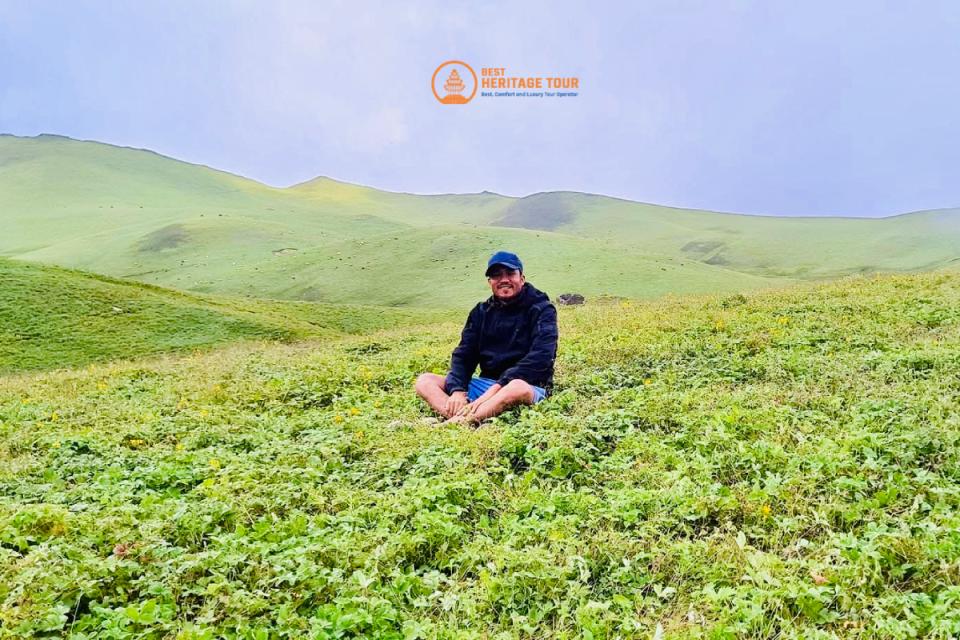
The 22 Patans: Immense green grasslands that look like a manicured golf course designed by the gods.
-
Panoramic Vistas: Unrivaled views of Mt. Api and Mt. Saipal, the giants of the West.
-
Cultural Immersion: A glimpse into the Khas culture and the traditional lifestyle of the Bajura and Doti districts.
The Best Time to Visit Badimalika in 2026
Timing is everything for this remote trek. Unlike the popular central circuits, Badimalika has a very specific window of accessibility.
1. Spring (April - June): The Floral Awakening
This is arguably the best time for photographers and nature lovers. The rhododendrons are in full crimson bloom, and the 22 Patans turn a vivid, electric green. The weather is stable, providing crisp morning views of the Himalayan range.
2. Monsoon (August): The Pilgrimage Peak
While most of Nepal is avoided during the monsoon, August is the most vibrant time for Badimalika. During the Janai Purnima festival (occurring in mid-August 2026), thousands of pilgrims trek barefoot to the temple. The atmosphere is electric with chanting, traditional dances, and ancient rituals.
Note: Be prepared for rain and leeches if you choose this window.
3. Autumn (September - November): The Crystal Clear Window
After the rains wash the atmosphere, the visibility is at its peak. This is the prime season for those who want to see the snow-capped peaks of Api and Saipal in their full glory without the summer clouds.
Trek Facts & Difficulty Level
Before you lace up your boots, let’s look at the "hard truths" of the trail.
|
Feature |
Details |
|---|---|
|
Max Altitude |
4,219 meters (Badimalika Temple) |
|
Trek Duration |
10 to 14 Days (depending on the route) |
|
Difficulty |
Moderate to Strenuous |
|
Accommodation |
Primarily Camping (Very limited teahouses) |
|
Starting Point |
Martadi (Bajura) or Dhangadhi |
|
Required Permits |
E-TIMS & Local Conservation Permits |
Why is it considered "Strenuous"?
It’s not just the altitude; it’s the isolation. In 2026, while infrastructure in Nepal is improving, the Far-West remains wild. You will often be walking 6-8 hours a day on steep ridges. There are no luxury lodges here; this is a camping trek where self-sufficiency and a professional crew are mandatory.
The 2026 "Ultimate Badimalika" Itinerary
At Best Heritage Tour, we’ve refined this route to ensure proper acclimatization and the best scenic payoffs.
Phase 1: The Approach to the Wild West
-
Day 1: Arrival in Kathmandu. Meet your guide and prep gear.
-
Day 2: Flight to Dhangadhi. From the capital, we fly to the subtropical plains of the Terai.
-
Day 3: Drive to Martadi (Bajura). A long but scenic 10-hour jeep drive through the winding hills of the Karnali region.
Phase 2: Into the High Meadows
-
Day 4: Martadi to Budha Krodh (2,700m). We leave civilization behind. The trail winds through dense oak and pine forests, crossing the Bauli Gad river.
-
Day 5: Budha Krodh to Triveni (3,870m). This is a challenging day of ascent. We emerge from the tree line into the high-altitude grasslands. Triveni is a sacred confluence of three rivers where pilgrims take a holy dip.
Phase 3: The Sacred Summit
-
Day 6: Triveni to Badimalika Temple (4,219m). A steep climb leads to the temple. Standing here feels like standing on the roof of the world. After paying respects at the shrine, we camp nearby to witness a sunset that will change your life.
-
Day 7: Exploration of the 22 Patans. We spend a day wandering the rolling meadows, spotting Himalayan Monals and perhaps even the elusive Red Panda in the lower forests.
Phase 4: The Descent
-
Day 8-10: Descent via Dhawalpur Lake to Silgadhi. We take a different route back, passing through the serene Dhawalpur Lake and the Natyashwori Temple.
-
Day 11-12: Drive to Dhangadhi and Fly to Kathmandu. A return to the comforts of the city.
Essential Gear and Preparation
You cannot "wing it" on the Badimalika trail. Your preparation should start at least 3 months in advance.
Physical Conditioning
Focus on cardiovascular endurance and leg strength. Since you'll be descending steep ridges, your knees need to be ready. I recommend stair-climbing with a weighted pack and long-distance weekend hikes.
Packing List for 2026:
-
Footwear: Broken-in, waterproof trekking boots are non-negotiable.
-
Sleep System: A 4-season sleeping bag (rated to -15°C) is essential, as temperatures at Triveni drop sharply even in spring.
-
Tech: Portable solar chargers. Power outlets are non-existent once you leave Martadi.
-
Clothing: The "Layering Rule" applies. Moisture-wicking base layers, a heavy down jacket, and a reliable rain shell.
New 2026 Trekking Regulations in Nepal
As of early 2026, the Nepal Tourism Board has tightened safety protocols for remote regions:
-
Mandatory Guide Rule: You can no longer trek Badimalika solo. You must be accompanied by a licensed guide from a registered agency. This is for your safety in a region with no cell service and complex weather patterns.
-
Digital E-TIMS: The old paper TIMS cards are gone. Your agency (like us at Best Heritage Tour) will handle your digital registration via the new E-TIMS portal.
-
Insurance: Ensure your travel insurance covers emergency helicopter evacuation up to 5,000 meters.
Conclusion
The Badimalika Trek isn't just about reaching a temple or checking a box on a map. It’s about the silence of the high meadows, the hospitality of a Bajura shepherd offering you fresh curd, and the realization of how small we are in the face of the Great Himalayas.
In 2026, as the world becomes more connected and crowded, Badimalika remains a sanctuary of solitude. It is a place where you can truly disconnect from the digital noise and reconnect with the earth.
Ready to Step into the Wild?
Don't settle for the ordinary. Let the experts at Best Heritage Tour craft a seamless, safe, and soul-stirring adventure to the Far-West.
Contact Best Heritage Tour Today:
Phone / WhatsApp / Viber: +977-9851149197 / +977-9810043046
Email: info@bestheritagetour.com / bestheritagetour@gmail.com
Website: www.bestheritagetour.com
Office: Thamel Marg, Kathmandu, Nepal
Author: Best Heritage Tour
Date: 1st April, 2026