
If you have ever dreamt of standing in a natural amphitheater made of 8,000-meter peaks, there is no better time to turn that dream into reality than March 2026. At Best Heritage Tour, we’ve spent years navigating the high passes and hidden valleys of Nepal, and we can confidently say that March is the "Golden Hour" of Himalayan trekking.
As winter’s icy grip loosens and the hillsides begin to blush with the pink of blooming rhododendrons, the trail to Annapurna Base Camp (ABC) transforms. It is a season of rebirth, where the crisp morning air meets the warmth of the spring sun.
Whether you are a seasoned trekker or a first-time adventurer looking to cross a major item off your bucket list, this guide will walk you through everything you need to know about trekking to ABC in March 2026.
Why March 2026 is the "Sweet Spot" for ABC Trek?
While October and November are the traditional "peak" months, March offers a unique charm that the autumn season simply cannot match. Here is why we recommend our clients target this specific window:
1. The Rhododendron Revolution
March marks the beginning of spring in Nepal. As you trek through the lower elevations of Tadapani and Ghorepani, you aren't just walking through a forest; you’re walking through a vibrant painting. The Lali Gurans (Nepal’s national flower) burst into bloom, covering the hills in shades of crimson, pink, and white.
2. Crystal Clear Mornings
In March, the winter dust has settled, and the pre-monsoon haze hasn't yet arrived. This means the visibility for peaks like Machhapuchhre (Fishtail) and Annapurna South is at its absolute best. You can expect deep blue skies that provide a stark, beautiful contrast against the snow-capped giants.
3. Fewer Crowds, More Connection
By choosing March - especially the first half of the month - you beat the massive wave of trekkers that arrive in April. This allows for a more intimate experience at the teahouses and a quieter trail where the only sounds are your footsteps and the distant roar of the Modi Khola river.
Weather and Temperatures: What to Actually Expect
One of the most common questions we get at Best Heritage Tour is: "Will I be too cold?"
The truth is, March is a month of transitions. In the lower regions like Pokhara or Nayapul, you’ll be trekking in a T-shirt and shorts, enjoying temperatures around 20°C (68°F). However, as you climb higher toward the "Sanctuary," things change.
|
Location |
Elevation |
Avg. Daytime Temp |
Avg. Nighttime Temp |
|---|---|---|---|
|
Pokhara |
822m |
22°C |
7°C |
|
Ghorepani |
2,860m |
12°C |
-2°C |
|
Annapurna Base Camp |
4,130m |
4°C |
-10°C to -15°C |
Pro Tip: While the days are pleasant, the nights at 4,000 meters are still serious business. We always ensure our trekkers are equipped with high-quality, four-season sleeping bags to stay cozy when the sun goes down.
The Journey: A 10-Day Blueprint for Success
At Best Heritage Tour, we believe in acclimatization over speed. Here is how we typically structure the ABC experience to ensure you stay healthy and enjoy every moment.
The Warm-Up: Kathmandu to Pokhara
Your journey begins in the historic streets of Kathmandu before a scenic drive (or a 25-minute flight) to Pokhara. Known as the gateway to the Annapurnas, Pokhara’s Lakeside is the perfect place to do a final gear check and enjoy a quiet evening by the water.
The Ascent: Into the Sanctuary
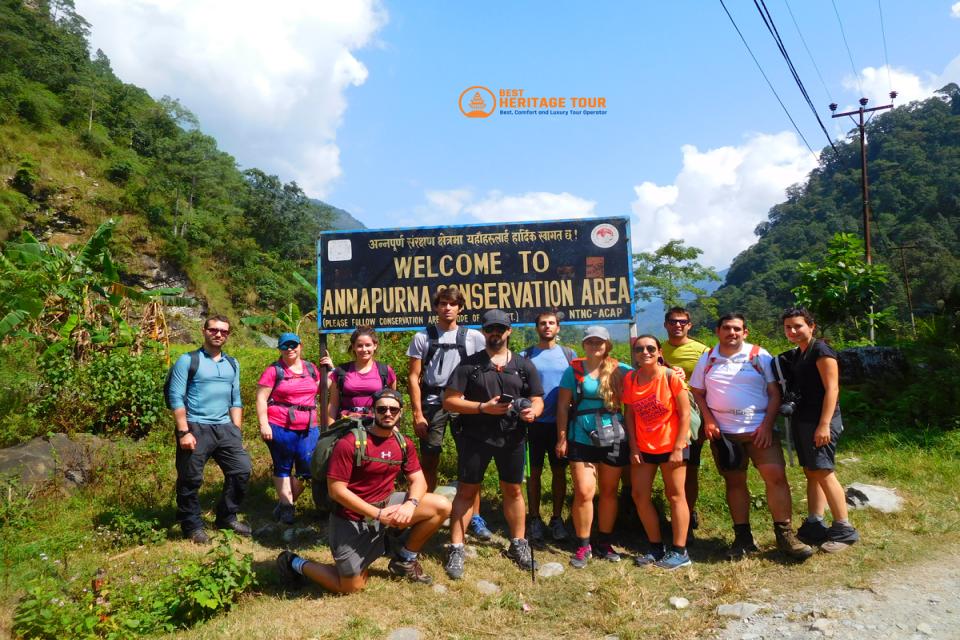
We usually start the trek from Nayapul or Hile. The first few days are about finding your rhythm. You’ll climb the famous 3,300 stone steps to Ulleri - a legendary challenge that rewards you with your first glimpses of the high peaks.
The Highlight: Poon Hill Sunrise
Before heading straight for the base camp, we take a detour to Poon Hill (3,210m). Watching the sun hit the Dhaulagiri and Annapurna ranges from here is a spiritual experience. In March, the snow on the peaks is still thick, making the "Alpenglow" effect even more dramatic.
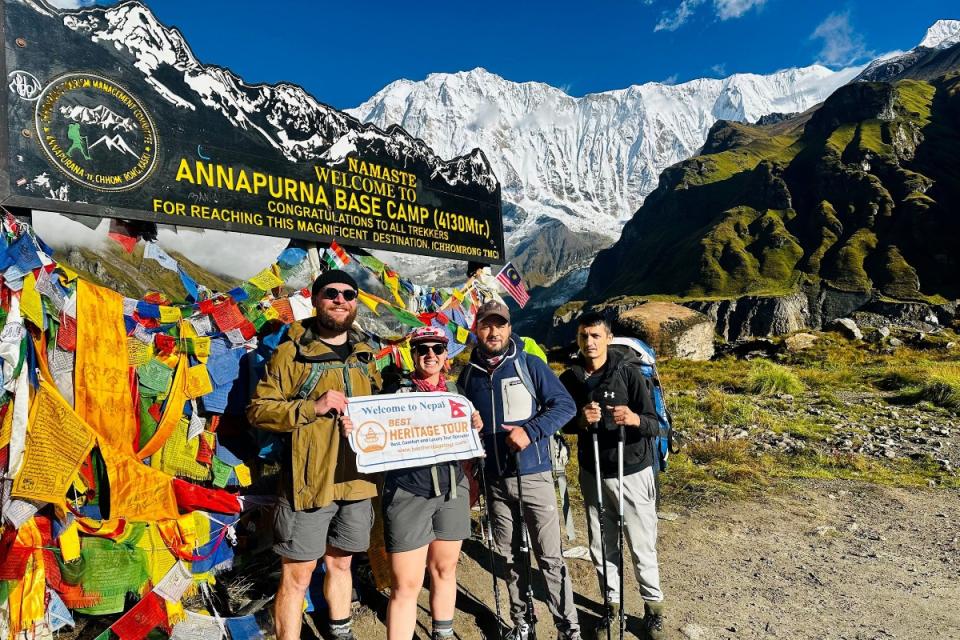
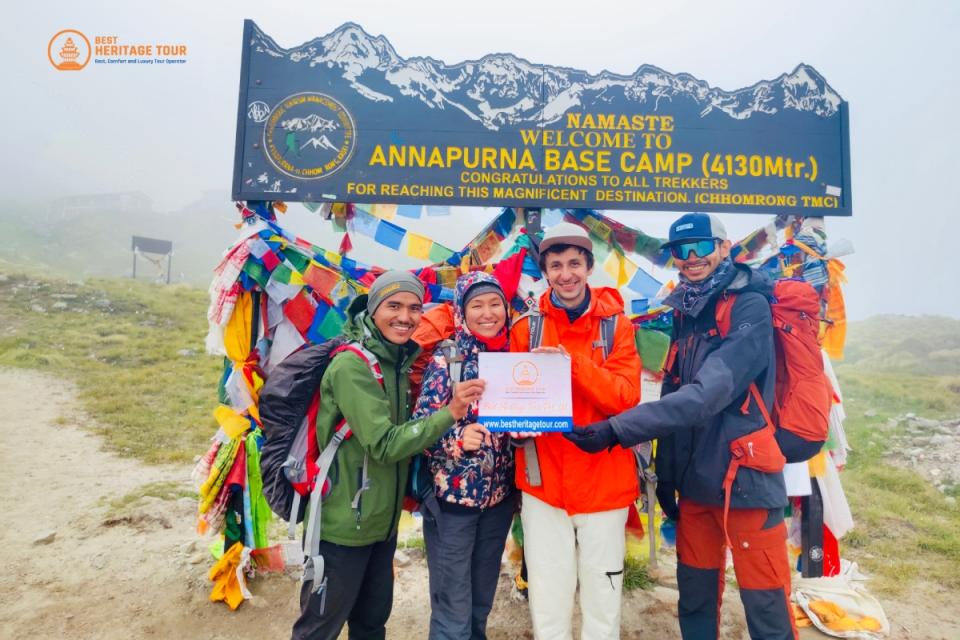
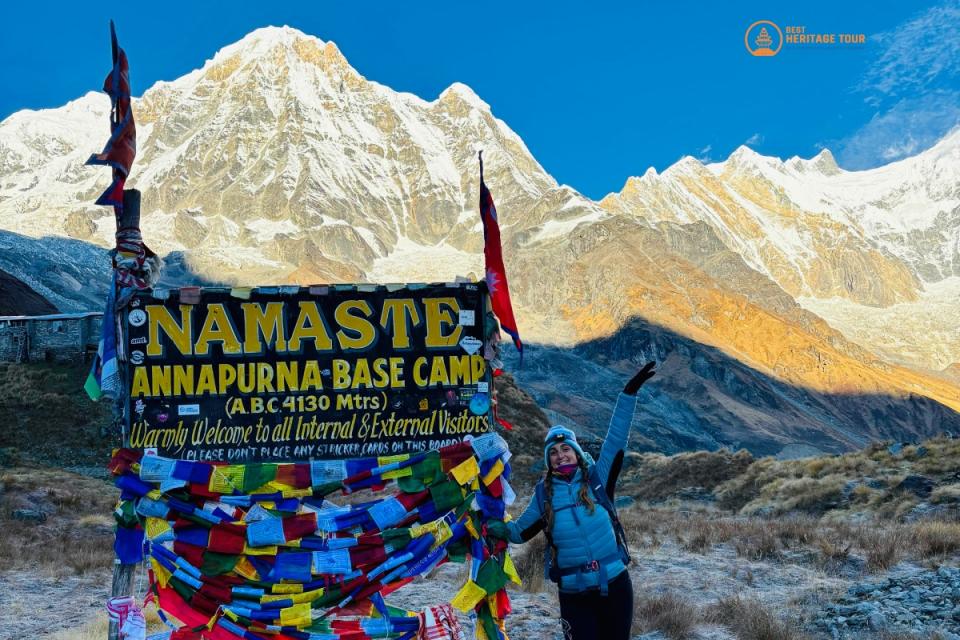
The Finale: Standing at 4,130m
The trail narrows as you enter the Modi Khola gorge, passing through Bamboo and Deurali. Finally, you emerge into the Annapurna Sanctuary. Walking into the base camp, surrounded 360 degrees by mountains like Annapurna I (the 10th highest in the world), is a moment that stays with you forever.
Packing Essentials for March 2026
Packing for a spring trek requires a "layering" mindset. You will experience three seasons in a single day!
-
The Base Layer: Moisture-wicking T-shirts (avoid cotton at all costs).
-
The Mid Layer: A high-quality fleece or down vest for trekking in the shade.
-
The Outer Shell: A windproof and waterproof jacket. Even though March is relatively dry, mountain weather is famously unpredictable.
-
Feet First: Broken-in trekking boots and wool-blend socks. Blisters are the number one reason trekkers fail to reach the top.
-
Sun Protection: The sun at 4,000m is incredibly strong. Bring SPF 50+ sunscreen and polarized sunglasses to prevent snow blindness.
Staying Healthy and Safe
At Best Heritage Tour, your safety is our "North Star." Trekking to 4,130 meters is a significant physical feat.
Altitude Awareness
Acute Mountain Sickness (AMS) can affect anyone, regardless of fitness level. We train our guides to monitor your oxygen levels and heart rate daily. The key is to hydrate (3-4 liters of water a day) and walk at a "talkable" pace. If you're too breathless to hold a conversation, you're going too fast!
Sustainable Trekking
As a company deeply rooted in Nepal’s heritage, we ask our guests to follow "Leave No Trace" principles. March 2026 is expected to see a rise in eco-conscious travel, and we lead the way by using filtered water instead of plastic bottles and supporting local, family-run teahouses.
Frequently Asked Questions (FAQs)
1. Do I need a guide for the ABC trek in 2026?
As of recent regulations by the Nepal Tourism Board, trekking with a licensed guide is mandatory in most regions, including the Annapurna Conservation Area. This is for your safety and to support the local economy. At Best Heritage Tour, our guides are more than just navigators - they are storytellers and cultural ambassadors.
2. How fit do I need to be?
You don't need to be a marathon runner, but you should be comfortable walking 5–7 hours a day on uneven terrain. We recommend starting a cardio routine (hiking, stairs, or swimming) at least two months before your trip.
3. What is the food like at the teahouses?
You’ll be surprised! While Dal Bhat (lentils and rice) is the fuel of the Himalayas, you can also find pasta, pancakes, and even apple pie. In March, the vegetables are fresh as the lower farms begin their spring harvests.
Conclusion
The Annapurna Base Camp Trek is more than just a hike; it’s a pilgrimage into the heart of the world’s most spectacular mountains. March 2026 offers the perfect harmony of weather, scenery, and culture.
At Best Heritage Tour, we don't just sell packages; we curate life-changing experiences. From the moment you land in Kathmandu to the final celebratory dinner in Pokhara, we handle the logistics so you can focus on the mountains.
Are you ready to witness the rhododendrons bloom under the shadow of the giants?
Phone / WhatsApp / Viber: +977-9851149197 / +977-9810043046
Email: [email protected] / [email protected]
Website: www.bestheritagetour.com
Office: Thamel Marg, Kathmandu, Nepal
Author: Best Heritage Tour
Date: 12th January, 2026