Langtang Valley to Kyanjin Gompa Trek - 8 Days
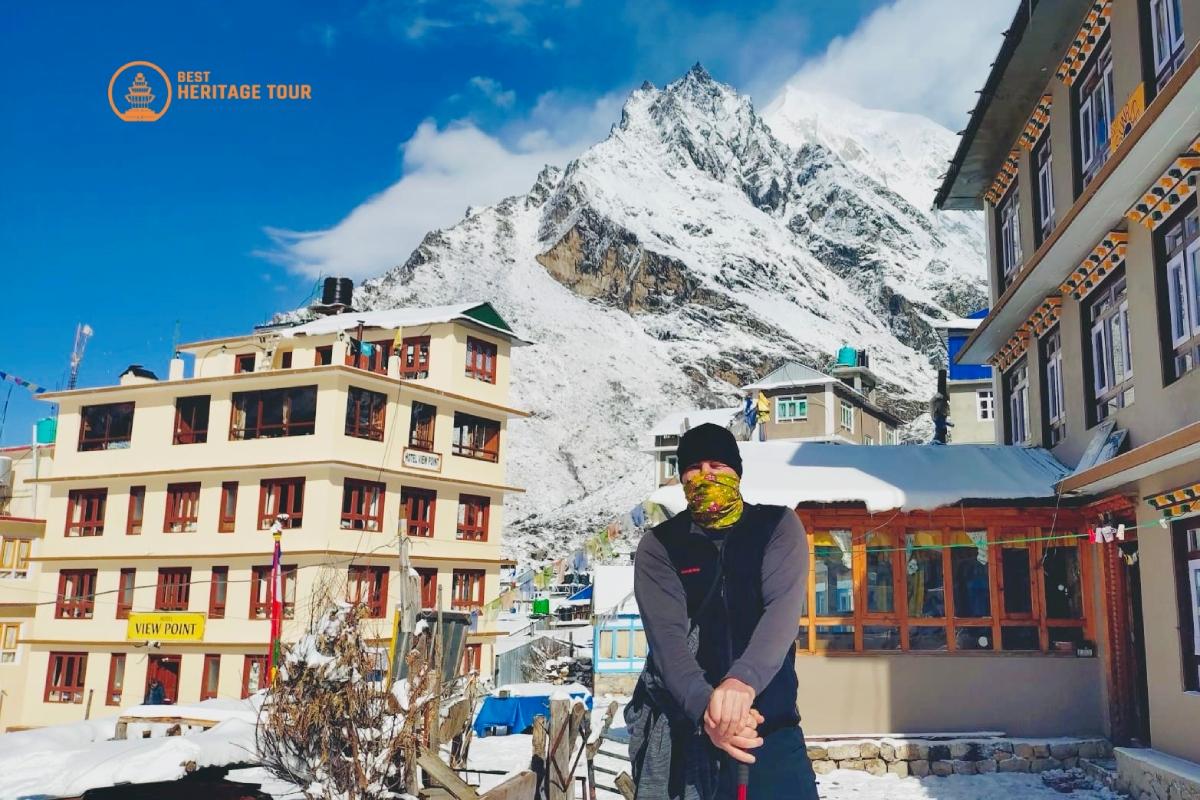
Insight on the Langtang Valley Trek
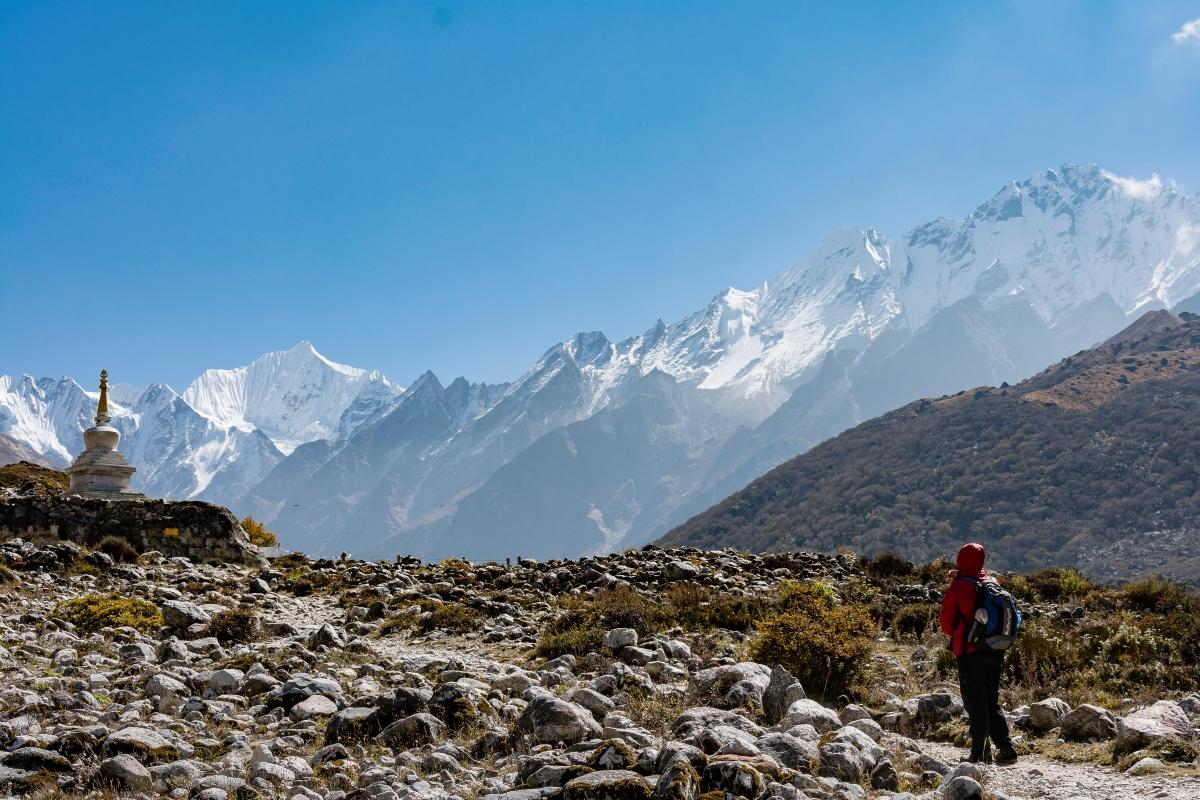
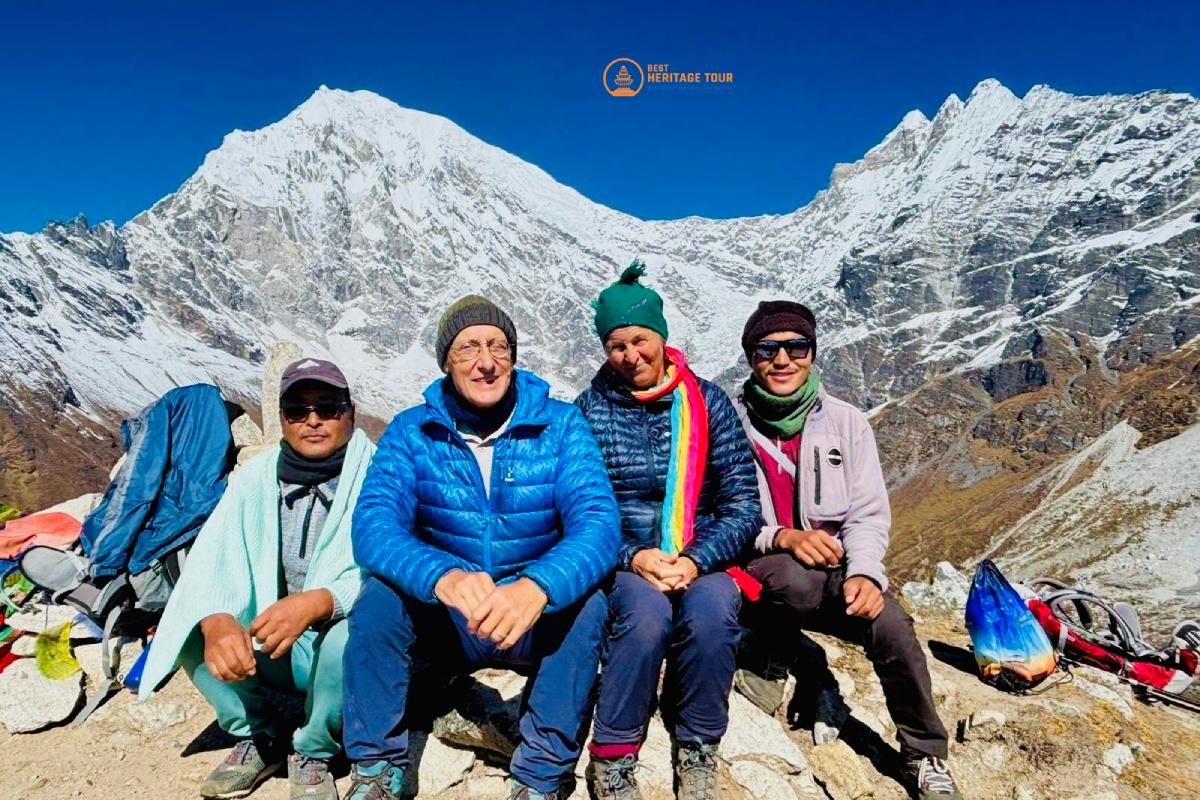
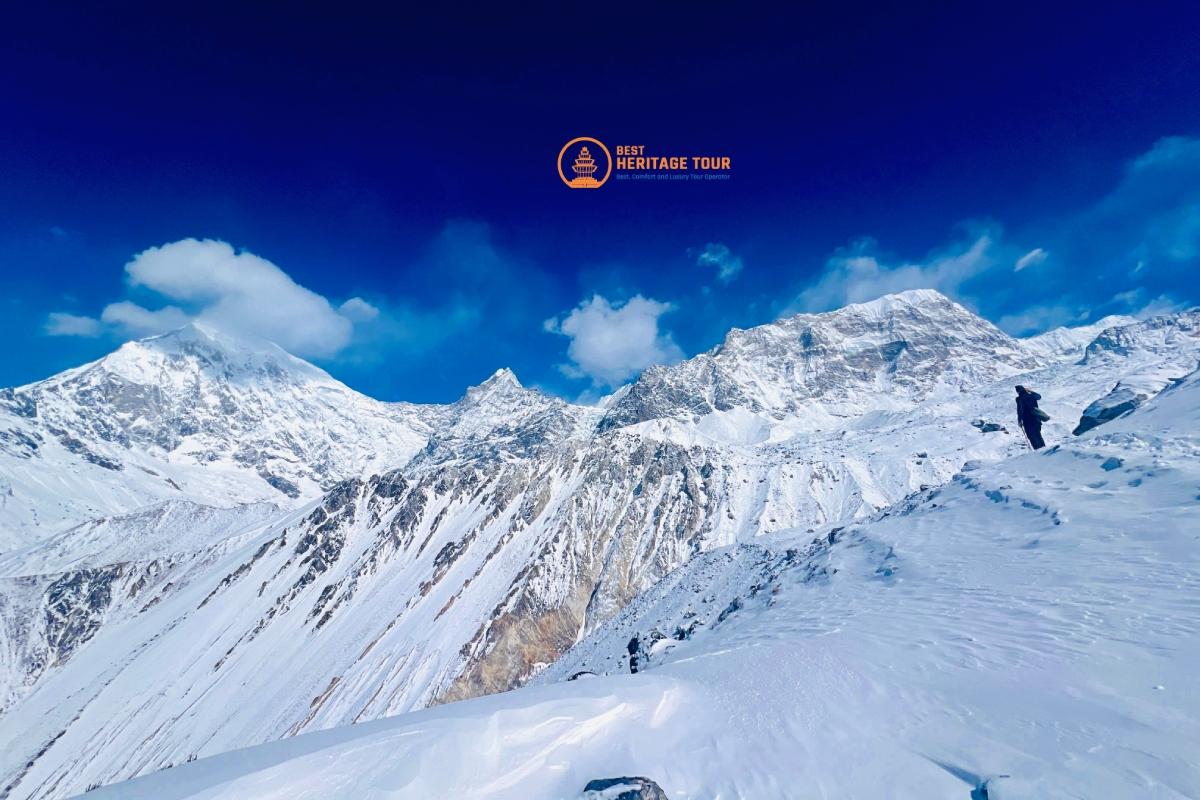
The Langtang Valley Trek is a beautiful journey into one of Nepal’s most accessible yet breathtaking trekking regions. Just a short drive from Kathmandu, this trek offers a perfect mix of Himalayan scenery, cultural encounters, and natural beauty. You’ll pass through dense forests, traditional Tamang villages, and alpine meadows, all framed by stunning views of Langtang Lirung and surrounding peaks. The highlight is Kyanjin Gompa, a serene mountain village where you can explore monasteries, glaciers, and viewpoints. Ideal for trekkers seeking a shorter adventure, the Langtang Valley Trek combines cultural richness with high-altitude landscapes in less than two weeks.
Trip at a Glance
-

Country: Nepal
-

Trip grade: Medium
-

Destination: Langtang Valley
-

Activities: Trekking
-

Accommodation: Hotel/Lodge/Teahouse
-

Meals: Breakfast, Lunch & Dinner
-
.png)
Transportation: Public Transportation
-

Maximum altitude: 4,773 m (Kyanjinri )
-

Group size: 2-29 pax
-
Trip Start / End: Kathmandu - Kathmandu
-
.png)
Best Season: Feb-Jun & Sep-Dec
Key Highlights of the Langtang Valley Trek
- Scenic drive from Kathmandu to Syabrubesi, the gateway to the Langtang region.
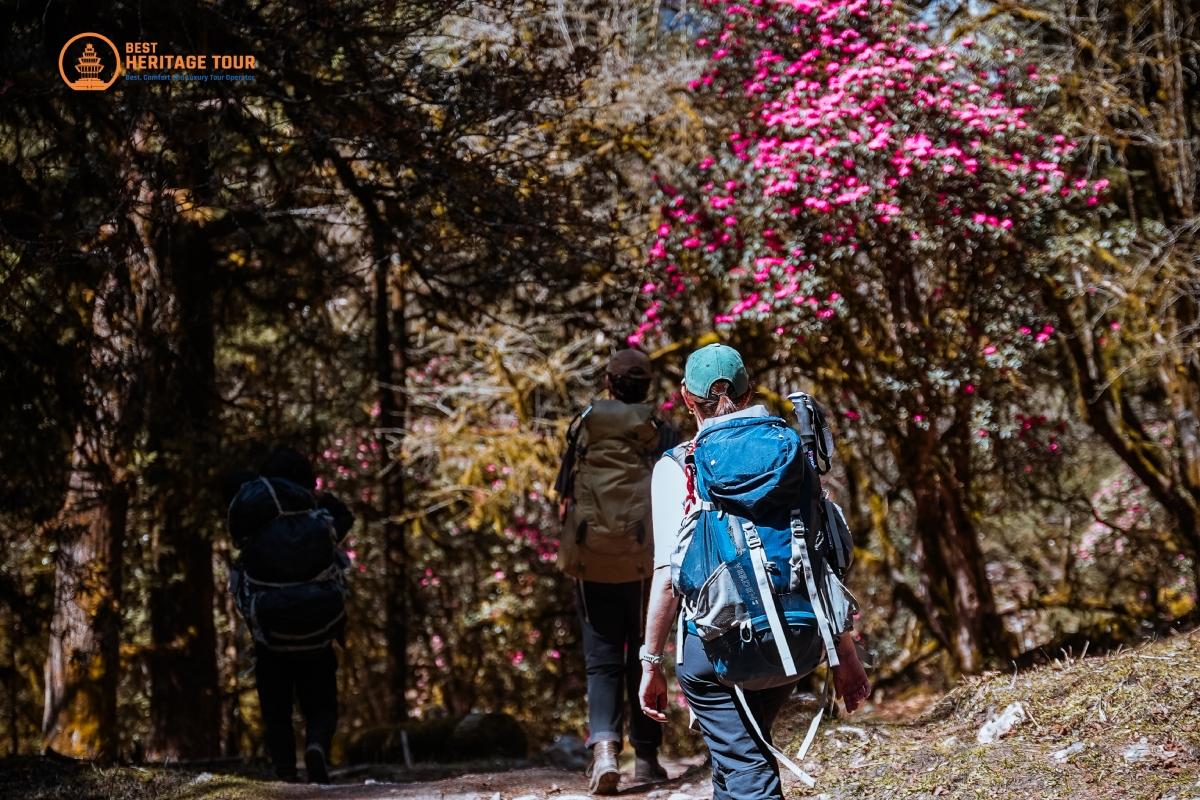
- Trek through lush forests of rhododendron, oak, and bamboo with chances to spot wildlife like red pandas and langur monkeys.
- Explore traditional Tamang villages and experience their Tibetan-influenced culture and warm hospitality.
- Stunning views of Langtang Lirung, Dorje Lakpa, and other majestic Himalayan peaks throughout the trek.
- Visit Kyanjin Gompa, a beautiful mountain village surrounded by dramatic landscapes.
- Optional hikes to Kyanjin Ri or Tserko Ri for panoramic high-altitude viewpoints.
- Opportunity to visit a local cheese factory in Kyanjin for a unique cultural experience.
- A short yet rewarding trek that combines natural beauty, culture, and adventure in just over a week.
Why Choose Best Heritage Tour for Your Langtang Trek?
- Free airport pick-up and drop-off service
- Online pre-trip briefing and booking confirmation for better preparation
- Multiple communication channels (Phone, Email, WhatsApp, Viber) for easy support
- 24/7 customer support available at +977-9851149197 / +977-9810043046
- Simple and secure payment options including Cash, Card & Bank Transfer
- Provide essential medical kit and oximeter to monitor oxygen levels at high altitude
- Complimentary duffle bag and sleeping bag (used one & to be returned after the trek)
- Free luggage storage facility at Best Heritage Tour store during the trek
- We plant a tree in the name of travelers (upon request), as a part of our commitment to sustainable tourism
Langtang Valley Trek Route Overview
This trekking area in Nepal is highly sought after by many adventurers. Langtang National Park is home to beautiful landscapes, meadows and ancient monasteries.
On this hike, you will be pleasantly surprised as you pass through forests and enjoy breathtaking views of mountains, valleys and glaciers. Chortens, mani walls and monasteries reflect the Buddhist influence in this peaceful region. There are also options for side trips, such as hiking to Tserkoli and Kyanjin villages.
The trek starts with a drive along the Trishuli River north of Kathmandu, passing through Trishuli Bazar and Dhunche to the Sherpa village of Shabul Bensi. This route is an ancient trade route between Nepal and Tibet. While hiking through numerous forests, you can spot native wildlife such as musk deer, Himalayan geese, thales, wild dogs, seraws and even snow leopards.
It takes 2 days to reach Langtang. On the first day of the route, you will hike from Syabrubesi to Lama Hotel. The next day, you will reach Langtang village from Lama Hotel where you will be warmly welcomed by the local Tamang people.
The next day, you will hike to Kyanjin Gompa where you will spend another day acclimatizing. While acclimatizing, we explore the local monastery, visit a cheese factory and hike up to Tserkoli viewpoint (5,450m). From this viewpoint, we have a magnificent view of glaciers and high peaks such as Langtang Lirung (7,227m), Langtang II (6,586m), Yala Peak (5,520m) and Naya Kang (5,844m).
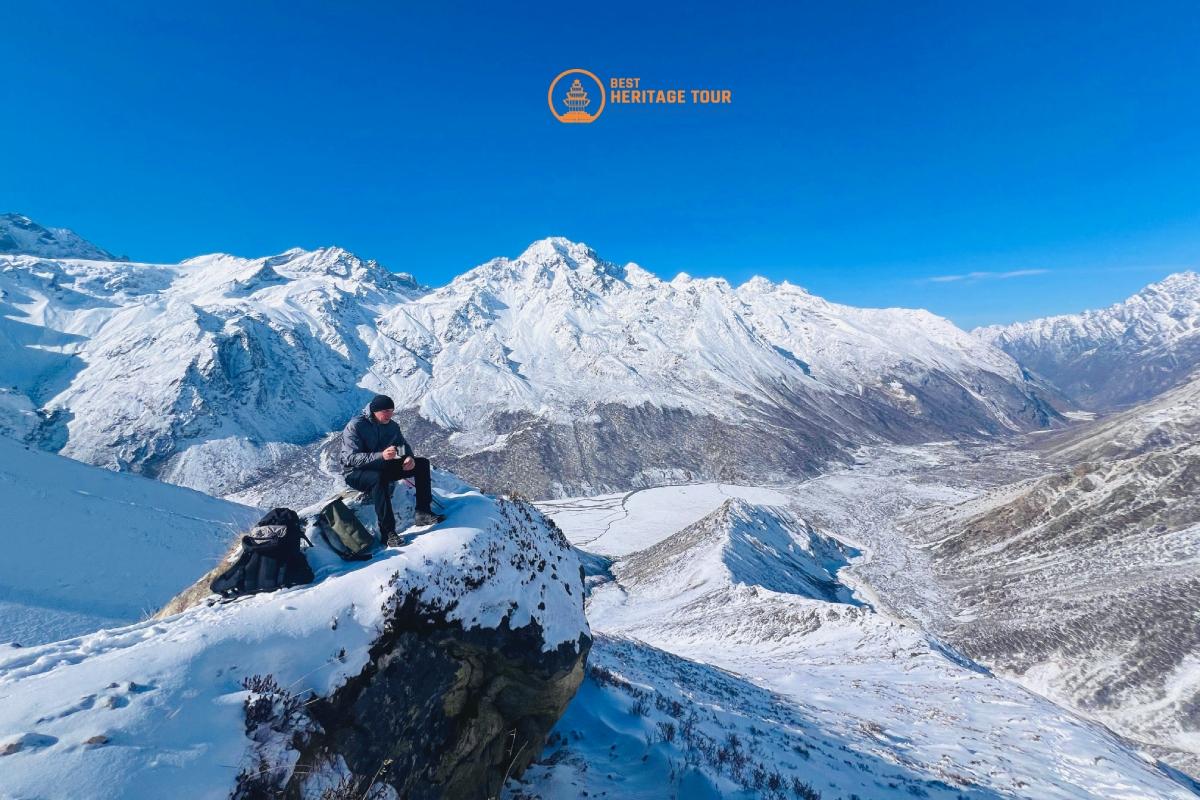
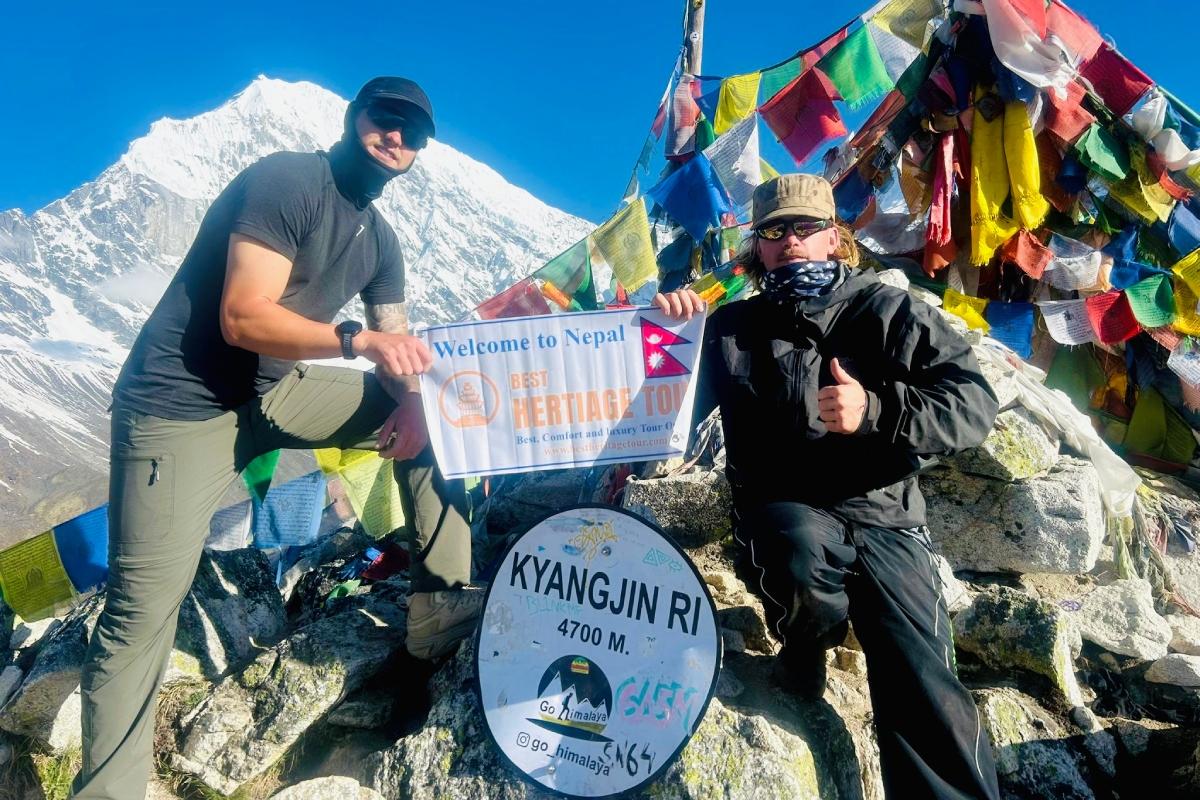
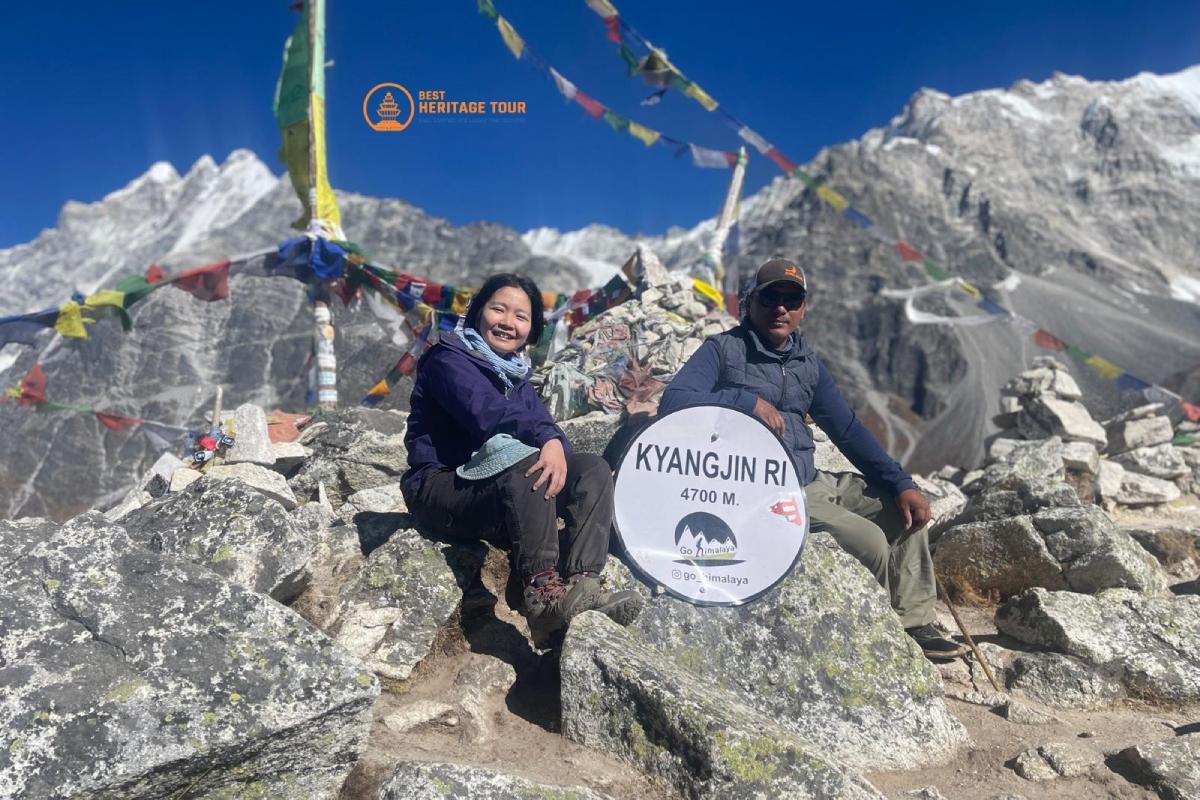
Another important viewpoint is Kyanjin Ri at 4,773m above sea level, which offers a magnificent view of the entire Langtang Lirung mountainside and the Langtang Lirung glacier below the summit.
For many, the trekking experience will be a once in a lifetime experience. Return from Kyanjin Gompa to Lama Hotel and hike south back to Syabrubesi. The next day, you will return to Kathmandu by bus. The journey takes approximately 7-9 hours. You will be returned to your respective Kathmandu hotel for a short and comfortable trekking experience.
A fun hike that is a bucket list item. This hike offers you the opportunity to explore the Langtang region, visit famous scenic spots, and experience the local lifestyle.
What You Can Expect During the Langtang Valley Trek?
1. Dramatic Himalayan Scenery
Throughout the trek, you’ll be surrounded by towering snow-capped peaks. Langtang Lirung, Dorje Lakpa, and countless other Himalayan giants create a breathtaking backdrop. From the alpine meadows to the rugged ridgelines, every step reveals a new perspective of the mountains. The optional hikes to Kyanjin Ri or Tserko Ri add even more unforgettable panoramic views.
2. Rich Cultural Encounters
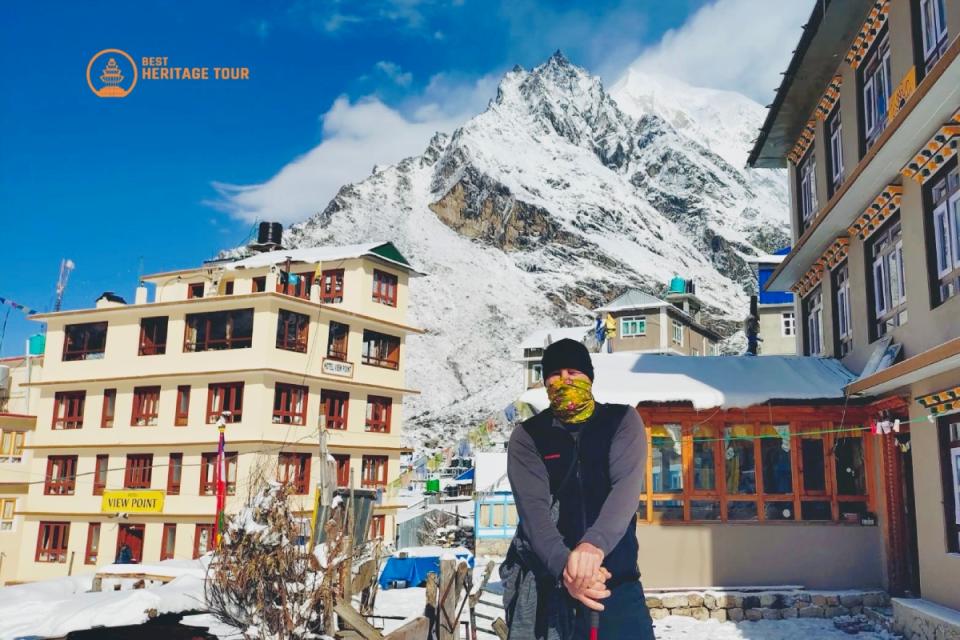
The Langtang Valley is home to the Tamang people, whose culture and traditions are deeply influenced by Tibetan heritage. Walking through traditional villages, you’ll notice their unique architecture, colorful prayer flags, and Buddhist monasteries. Friendly locals often share stories, making this trek as much about culture as it is about nature.
3. Diverse Landscapes and Wildlife
The trail takes you from lush rhododendron and bamboo forests to high-altitude yak pastures and glacial valleys. Along the way, you may encounter wildlife such as Himalayan black bears, red pandas, or different species of birds. This variety makes the trek both scenic and adventurous.
4. Exploration at Kyanjin Gompa
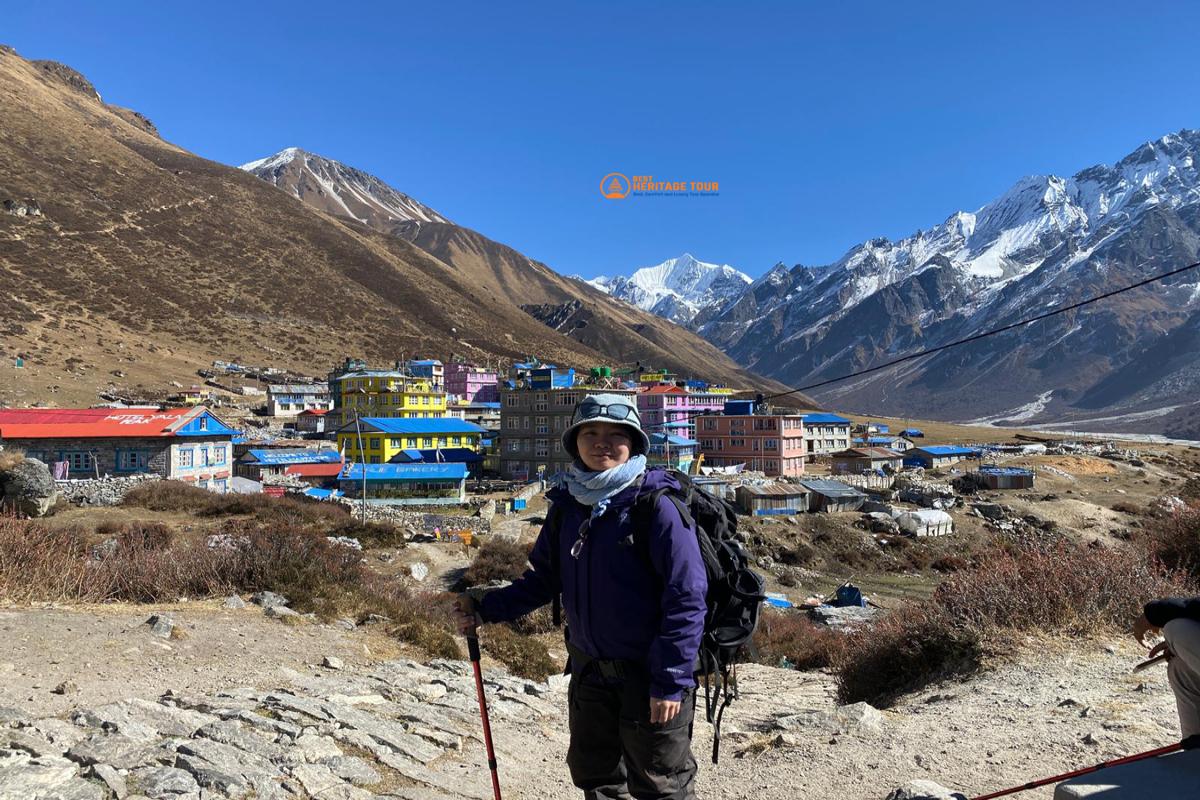
Kyanjin Gompa is the highlight of the trek, a peaceful mountain village surrounded by dramatic peaks. Here, you can visit centuries-old monasteries, taste local yak cheese at the famous cheese factory, or hike to nearby viewpoints. It’s the perfect place to rest, acclimatize, and absorb the beauty of the Langtang Valley.
5. A Short but Rewarding Trek
Unlike longer treks in Nepal, the Langtang Valley Trek can be completed in just over a week without compromising on Himalayan experiences. It’s suitable for trekkers who want to explore high-altitude landscapes, enjoy cultural immersion, and still have time for other adventures in Nepal.
Are You Ready for the Langtang Valley Trek?
The Langtang Valley Trek is considered moderate in difficulty, making it accessible to many adventure enthusiasts. You don’t need to be extremely fit or experienced, but good health and a basic level of stamina will make the journey more enjoyable. Each day involves 5-7 hours of walking on varied terrain, including forests, stone steps, and gradual ascents. With steady pacing, proper acclimatization, and short breaks, most trekkers find the route manageable and rewarding.
This trek is perfect for those looking to experience the beauty of the Himalayas without committing to a long itinerary. If you are comfortable with multi-day hikes, love being surrounded by nature, and are excited to immerse yourself in local culture, you are ready for the Langtang Valley Trek. Preparation with the right gear, a positive mindset, and a willingness to embrace adventure will ensure an unforgettable journey.
Itinerary
After an early morning breakfast, your journey to Syabrubesi begins. You will leave Kathmandu and head north. On your journey, you will enjoy the magnificent views of rivers, terraced fields, small villages and snow-capped mountains.
Following this road, you will reach the small town of Dhunche. The trail along the Trishuli River offers glimpses of Ganesh Himal (7,422 m). From Dhunche you continue on until you reach Syabrubesi. You can wander around the town for a while, but don't forget to experience the riverside hot springs.
You start your trek from Syabrubesi, following the Bhote Koshi and Langtang Rivers, passing through fertile jungles, terraced fields, rural settlements rich in bamboo and birch groves. From the boardwalk you can observe rare wildlife, including red pandas. After a while, you will climb gently up to Limche (2,400 m) through dense bamboo forests along the banks of the Langtang River Continue the route until you reach Lama Hotel, your destination for the day.
You start the day with an early breakfast and hike along the river through lush landscapes and up through dense forests. On the way, if the weather is good, you will see snow-capped mountains right in front of you. Finally, at Goda Tabera (3,030 m), the narrow river valley widens. In the past, there was a Tibetan resettlement project here, but now there is a military checkpoint at Goda Tabera, where they register their documents. Besides the military checkpoint, there are several accommodation options here.
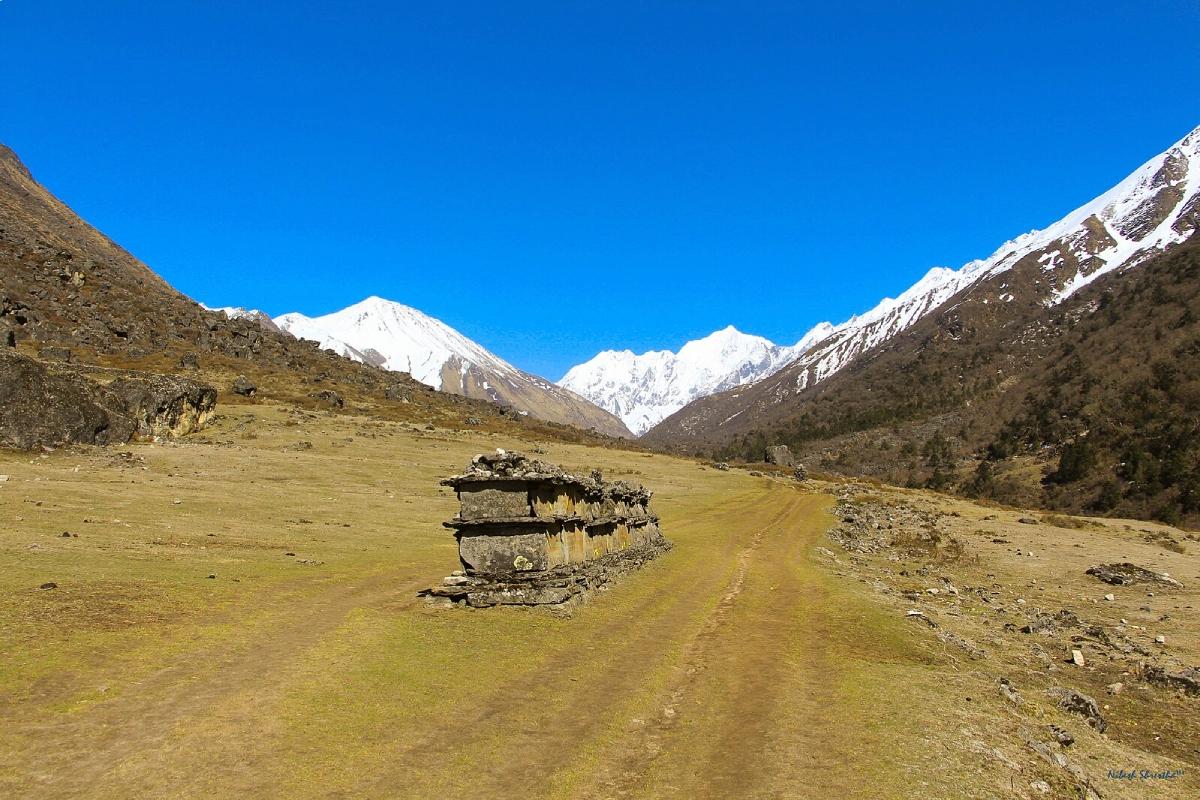
Continuing our hike, you reach the small settlement of Chamki village (3,230 m), passing chortens, waterwheels, mani walls and prayer wheels that indicate you are approaching Langtang village. You pass prayer wheels powered by running water and prayer flags, and head towards picturesque Langtang, a large settlement inhabited mainly by the Tamang people.
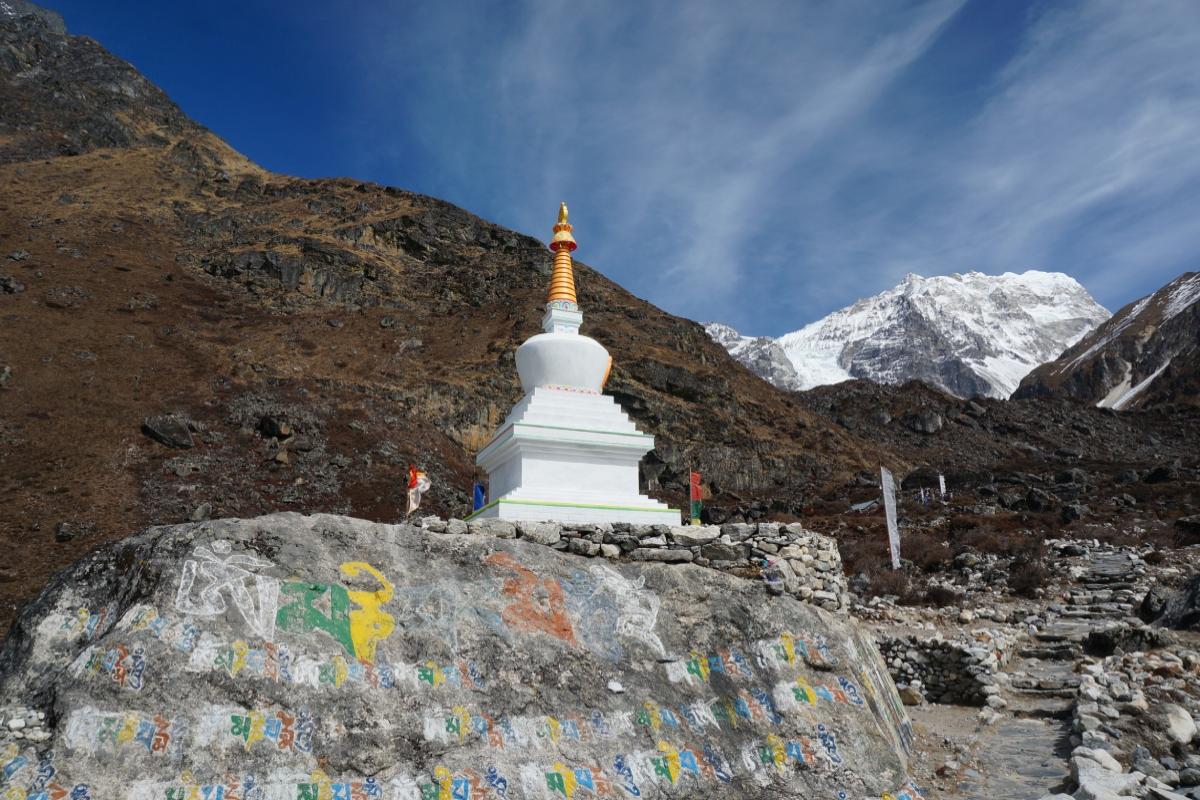
Pass through many small plateaus, large Mani forts, yak pastures, small villages and pastures. Walk slowly to allow your body to acclimatize as you gain altitude. After a while, you will see a waterwheel, a prayer wheel and a sacred rock cairn with inscriptions. This indicates that you have reached the ancient monastery Kyanjin Gompa (3,830m). Kyanjin Gompa is surrounded by the Himalayan ranges and from here you can enjoy amazing views of several snow-capped mountains.
Today is a rest day to acclimatize and explore this beautiful Langtang region. The Langtang Valley has a lot to offer hikers. The elevated terrains offer breathtaking views of the Himalayan peaks and ice formations.Visit Kyanjin Gompa and watch the monks pray. Another interesting spot is the cheese factory. You can also trek to the highest point of this trek, Langsisa Halka and Tserkoli lookout point (5,450m). Tserkoli is the best place to view peaks such as Langtang Lirung (7,227m) and Langtang II (6,586m). Another viewpoint, Kyanjin Ri (4,773m), offers magnificent views of the Langtang mountain range. As the sun sets, return to Kyanjin Gompa for the evening.
You leave Kyanjin Gompa behind and take your last views of the beautiful mountains that stand tall with pride and glory. But it is time to retrace your previous route to Langtang village and stop at Goda Tavera for lunch. You also register your departure at the military checkpoint at Goda Tabela.
After a leisurely lunch, you continue your journey through the elevated terrains offer breathtaking views of the Himalayan peaks and ice formations.
Today is the last day of hiking, so drive to Syabrubesi and return to Kathmandu. You hike along the Langtang River and descend into the beautiful river valley. You strategically navigate through picturesque landscapes as you make your way down through bamboo and birch forests, successfully crossing the Langtang and Bhote Kosi rivers to reach Syabrubesi. This concludes our trekking expedition. The following day, you return to Kathmandu by road.
The drive from Syabrubensi to Kathmandu takes approximately 7-9 hours. This trip starts early in the morning. On this drive you will enjoy beautiful views of the Trishuli River valley as you head south from the hills. Along the way you will see terraced fields, pastures and hopefully a final glimpse of snow-capped mountains. Upon arrival in Kathmandu, you will be accompanied to your accommodation.
What is included?
- PRIVATE AIRPORT PICK-UP & DROP : Airport - Hotel transfer - Airport (Pick Up and Drop).
- MEMBER TRANSPORTATION : Transportation in standard tourist bus from Kathmandu to Syabrubesi and while returning from Syabrubesi to Kathmandu.
- LODGING : Best available accommodation in mountain lodges and tea houses during the trek.
- FOOD : 3 meals a day (breakfast, lunch, and dinner; including tea/coffee) during the trek, with Ef-Chlor purification tablets provided for safe drinking water.
- GUIDE : One experienced government licensed trekking guide (English speaking) during the trek.
- STAFF SALARY AND ALLOWANCE : All trekking staff wages, salary, equipment, food & clothing.
- PERMITS : All necessary paper works : Langtang National Park permit, TIMS Card & other entry fee.
- STAFF INSURANCE : Insurance for all involved trekking staff during the trek.
- GEAR (IF NEEDED) : Sleeping bag, down jacket, and duffle bag (to be returned after the trek).
- MEDICAL KIT : A well equipped first aid kit, including an oximeter and emergency oxygen, carried by the guide for your safety.
- IN CASE OF EMERGENCY : Assistance in rescue operations in case of emergency covered by travel insurance.
- SOUVENIR : Best Heritage Tour’s Appreciation Certificate after the successful trek & Purse, an authentic Nepali product made from hemp.
- FAREWELL DINNER : A farewell dinner with an authentic cultural program after completion of the trek.
What is not included?
- INTERNATIONAL AIRFARE : International flight airfare (from and to Kathmandu).
- NEPAL VISA FEES : You may issue the visa upon your arrival at Tribhuvan International Airport - Kathmandu or apply manually in your home country.
- TRASNPORTATION IN PRIVATE JEEP : Private Jeep transportation will be arranged on request from Kathmandu to Syabrubesi (trek starting point) and for the return journey from Syabrubesi to Kathmandu.
- ACCOMMODATION & MEALS : Accommodation and meals in Kathmandu before and after the trek.
- INSURANCE POLICY : Travel insurance covering medical expenses and high-altitude evacuation is mandatory. If you do not have suitable coverage, we can also assist in arranging travel insurance for you upon your arrival in Nepal. Check Over Here
- PERSONAL EXPENSES : Clothing & gears, telephone, internet, toiletries, hot shower, laundry, soft drinks and any Alcoholic beverages.
- OPTIONAL PORTER SERVICE : USD 22 per day, including all taxes (each porter can carry up to 25 kg of luggage).
- TIPS : Tips for guide and porters.
- EXTRA : Any additional costs due to factors beyond our control, or for services not specifically mentioned in the Itinerary & Included section.
- TAXES & SERVICE CHARGE : All government taxes (13%) and service charge (10%).
Route Map
Equipment
Clothing |
Trekking Gear |
Personal Items |
|
|
|
Footwear |
Extra Items |
|
|
|
|
Trip Info
Useful Information About Langtang Valley Trek
Before starting the trek to the Langtang Valley, it is important for trekkers to understand key practical details such as permits, altitude challenges, accommodation, weather conditions, transportation options, and daily trekking logistics. Having the right information in advance helps ensure a safer, smoother, and more enjoyable trekking experience in the Langtang region.
Airport Pick-up and Trip Briefing for Langtang Valley Trek
Upon your arrival at Tribhuvan International Airport in Kathmandu, a friendly representative from Best Heritage Tour will be there to warmly welcome you. Our team will receive you at the airport and transfer you comfortably in a private car or suitable vehicle depending on your group size.
After pick-up, you will be dropped off at your preferred hotel in Kathmandu. If you have not booked accommodation in advance, Best Heritage Tour will gladly assist you in arranging a comfortable stay.
Trip Briefing Session in Thamel
After check-in and some rest, we will organize a detailed trip briefing session at our office in Thamel. This important meeting helps you prepare confidently for the Langtang Valley Trek.
During the briefing, Bimal (Managing Director of Best Heritage Tour) will personally:
-
Explain the full trek itinerary in detail
-
Provide essential information about the route and trekking conditions
-
Guide you on required trekking gear and equipment
-
Introduce you to your experienced trekking guide and porter (if applicable)
-
Answer any last-minute questions or concerns you may have
This session ensures you are fully prepared, well-informed, and mentally ready for the journey into the beautiful Langtang region.
What type of Transportation is Used for Langtang Valley Trek?
For the Langtang Valley Trek, all standard transportation is carefully arranged by us to ensure a safe, comfortable, and well-organized travel experience. We provide a standard tourist bus or local bus for a drive from Kathmandu to Syabrubesi and returning back.
The drive lasts approximately 7-8 hours depending on road and weather conditions and generally we departure from Kathmandu at around 7:00 AM
For trekkers seeking more comfort and flexibility, we also offer a private jeep service available at an additional cost of USD 150.
What is the Highest Point Reached During the Langtang Valley Trek?
The maximum altitude reached during the Langtang Valley Trek is Tserko Ri (also spelled Tsergo Ri), standing at an altitude of approximately 4,984 meters (16,352 ft).
Tserko Ri is an optional yet highly recommended side hike from Kyanjin Gompa. It offers one of the most breathtaking panoramic views in the entire Langtang region. From the summit, trekkers can witness a stunning 360-degree Himalayan vista, including snow-covered peaks such as Langtang Lirung, Dorje Lakpa, Yala Peak, and surrounding glaciers. Trekkers usually start early in the morning from Kyanjin Gompa and return the same day after spending time at the summit.
Langtang Valley Trek (8 Days) Altitude Chart
Langtang Valley Trek takes you through a gradual ascent from the lower foothills of Syabrubesi up to high Himalayan viewpoints. Below is a detailed altitude chart of all major stops along the trekking route, including the highest points of Kyanjin Ri and Tserko Ri.
|
Place |
Altitude (Meters) |
Altitude (Feet) |
|---|---|---|
|
Kathmandu |
1,400 m |
4,593 ft |
|
Syabrubesi |
1,503 m |
4,655 ft |
|
Lama Hotel |
2,470 m |
8,103 ft |
|
Langtang Village |
3,430 m |
11,253 ft |
|
Kyanjin Gompa |
3,865 m |
12,675 ft |
|
Kyanjin Ri |
4,773 m |
15,659 ft |
|
Tserko Ri (Highest Point) |
4,984 m |
16,352 ft |
What is the Distance Covered on Each Day during Langtang Valley Trek?
The Langtang Valley Trek covers a mix of scenic driving and daily trekking through beautiful Himalayan landscapes, with gradual altitude gain and well-paced walking distances. Below is a detailed breakdown of the approximate daily distance covered in Lantang Valley Trek.
|
Day |
Route |
Distance (Approx.) |
Duration (Approx.) |
|---|---|---|---|
|
Day 1 |
Drive: Kathmandu to Syabrubesi |
122 km (76 miles) |
7-8 hours |
|
Day 2 |
Syabrubesi to Lama Hotel |
11-12 km (7-7.5 miles) |
6-7 hours |
|
Day 3 |
Lama Hotel to Langtang Village |
14-15 km (8.7-9.3 miles) |
6-7 hours |
|
Day 4 |
Langtang Village to Kyanjin Gompa |
6-7 km (3.7-4.3 miles) |
3-4 hours |
|
Day 5 |
Kyanjin Gompa Exploration Day |
7-15 km (4.3-9.3 miles) (optional hikes to Kyanjin Ri / Tserko Ri) |
4-8 hours (optional) |
|
Day 6 |
Kyanjin Gompa to Lama Hotel |
20-22 km (12.4-13.7 miles) |
6-8 hours |
|
Day 7 |
Lama Hotel to Syabrubesi |
11-12 km (7-7.5 miles) |
5-6 hours |
|
Day 8 |
Drive: Syabrubesi to Kathmandu |
122 km (76 miles) |
7-8 hours |
What type of Accommodation is provided during Langtang Valley Trek?
Accommodation on the Langtang Valley Trek is a blend of comfortable hotel &teahouse. Best Heritage Tour carefully selects reliable and clean lodges to ensure trekkers enjoy both comfort and local hospitality throughout the journey.
Kathmandu Accommodation (Before & After the Langtang Valley Trek)
Please note that our standard trekking package does not include hotel accommodation in Kathmandu. Trekkers are required to arrive in Kathmandu at least 1 day before the trek and they have to arrange their hotel stay for 2 nights (before and after the trek).
However, if needed, we can assist you in booking a comfortable 3-star hotel, based on your preference and budget. We recommend choosing hotel in Thamel area for easy access to gears shops, best restaurant and easy transportation.
Accommodation During the Langtang Valley Trek
This package includes comfortable stays in local hotels and teahouses along the route:
-
2 Nights in Syabrubesi - Private room with attached bathroom in Tourist-standard hotel/lodge
-
2 Nights in Lama Hotel - 2 person sharing room in a Basic teahouse accommodation
-
2 Nights in Kyanjin Gompa - Private room with attached bathroom in Tourist-standard hotel/lodge
-
1 Night in Langtang Village - Private room with attached bathroom in Tourist-standard hotel/lodge
Facilities and Services in Trekking Lodges
1. Toilet Facilities
-
In Syabrubesi, Langtang Village, and Kyanjin Gompa: rooms usually come with attached bathrooms featuring Western-style toilets or squat toilet.
-
In Lama Hotel: shared bathroom facilities with squat toilets are commonly used.
2. Hot Shower Availability
Hot showers are available at all stops including Syabrubesi, Langtang Village, Kyanjin Gompa, and Lama Hotel. However, they come with an additional cost of around Rs. 500 (approx. USD 4) per shower. This is because water is often heated using gas when solar heating is not available
3. Electricity and Device Charging
-
In Syabrubesi, Langtang Village, and Kyanjin Gompa: charging is generally free of cost but may charger around Rs. 200-300 (USD 1.50-2.50) per device per hour depending on the hotel.
-
In Lama Hotel: charging is available at an additional cost of around Rs. 200-300 (USD 1.50-2.50) per device per hour.
4. WiFi and Internet Access
WiFi is available generally at most stops but is chargeable which cost ranges between Rs. 250-400 (USD 2-3.50) depending on location.
In Lama Hotel, trekkers may need to purchase an Everest WiFi card and recharge it for access.
5. Mobile Network Coverage
Mobile network coverage is generally strong throughout the Langtang Valley Trek. Nepal Telecom (NTC) works best and offers stable 4G data in most areas
The only weak or no coverage zone is around the Lama Hotel area, where signal may be limited or unavailable.
Food and Drinks on the Langtang Valley Trek
Our Langtang Valley Trek package includes a complete meal plan covering breakfast, lunch, and dinner, along with 2-3 drinks per day, which typically include tea or coffee. The food along the trail is simple, fresh, and freshly prepared by local teahouses, offering both Nepalese flavors and basic international options.
Meal Arrangement During the Langtang Valley Trek
-
Breakfast: Served at the hotel or teahouse where you stay overnight
-
Lunch: Taken on the trail at local teahouses or stopover points during the trek
-
Dinner: Served at the lodge where you spend the night
This structured meal system helps maintain a balanced trekking routine while supporting local mountain communities.
Trekkers can choose one main item per meal from the available menu.
-
One selected item per meal is included in the package
-
Additional food items must be paid directly by the trekker
Food Options Available on Langtang Valley Trek
The menu in teahouses typically includes a mix of local and international dishes such as:
|
Meal |
Food Options |
|---|---|
|
Breakfast |
Oats, porridge, Tibetan bread, toast, pancakes, eggs (boiled/fried/omelette), cornflakes, muesli, chapati/roti |
|
Lunch |
Dal Bhat, fried rice, fried noodles (chowmein), pasta, potato dishes, soup, momos, thukpa |
|
Dinner |
Dal Bhat, vegetable curry with rice, noodles, pasta, soup, potatoes, fried rice, chapati |
Highly Recommended: Dal Bhat Power
We strongly recommend having Dal Bhat at least once a day, preferably during lunch. It is the most popular and energy-rich meal in Nepal, specially designed for trekkers.
-
Provides high energy for long trekking hours
-
Freshly cooked and hygienic
-
Comes with free refills of rice, lentils, and vegetables
-
Perfect balance of carbohydrates, protein, and nutrients
Drinks and Hydration available in Langtang Valley
Along the trail, trekkers can enjoy a variety of drinks such as:
-
Black tea, milk tea, and ginger tea
-
Coffee (instant or local style)
-
Hot lemon with honey (great for altitude)
-
Bottled water or boiled water (available for purchase)
We strongly advise drinking plenty of fluids daily to stay hydrated and help prevent altitude sickness.
Can You find Vegetarian and Vegan Food during the Langtang Valley Trek?
Yes, vegetarian and vegan food options are widely available during the Langtang Valley Trek, making it a suitable trekking route for travelers with specific dietary preferences.
At Best Heritage Tour, we always do our best to accommodate any kind of special dietary requirements. Trekkers are kindly requested to inform us in advance about any food restrictions, allergies, or preferences before the trek begins so that we can make proper arrangements with the teahouses along the route.
Generally, most of the mountain meals in the Langtang region are naturally vegetarian, as they are based on locally available ingredients such as rice, lentils, vegetables, potatoes, and seasonal produce. This makes it easier for both vegetarian and vegan trekkers to enjoy safe and suitable meals throughout the journey.
How is the Drinking Water Facilities on the Langtang Valley Trek
Drinking water is easily available throughout the Langtang Valley Trek, but it is important for trekkers to understand the system and stay properly hydrated during the journey.
Along the trekking route, drinking water can be found in almost every village and teahouse, including Syabrubesi, Lama Hotel, Langtang Village, and Kyanjin Gompa. Trekkers can either purchase bottled water or refill boiled/filtered water at lodges.
What is the cost of boiled drinking water during Langtang Valley Trek?
Generally the cost of boiled water ranges from USD 2 to USD 5 per liter depending on the location and altitude. As you ascend higher, the cost of drinking water gradually increases due to transportation challenges. For this reason, we strongly recommend:
-
Using a reusable water bottle
-
Refilling with boiled or filtered water which cost around USD 2 to 5 instead of buying plastic bottles
-
Carrying water purification tablets or filters for extra safety
You may also find natural spring water along the trail, but it is not recommended to drink untreated water directly due to health risks. Always purify before drinking.
When is the Best Time for the Langtang Valley Trek?
The Langtang Valley Trek is best undertaken during spring (March to May) and autumn (September to November), when weather conditions are stable, skies are clear, and mountain views are at their most spectacular.
Spring (March to May):
Spring is one of the most popular seasons for trekking in Langtang Valley. During these months, the valleys and forests come alive with vibrant rhododendron blooms, lush greenery, and flowing rivers, creating a picturesque trekking environment. The weather is generally mild, with warmer days and cool nights, making it comfortable for walking. Clear skies allow breathtaking views of Langtang Lirung, Dorje Lakpa, and surrounding peaks, while moderate trail conditions ensure safer trekking at high altitudes.
Autumn (September to November):
Autumn is considered the best season for high-altitude trekking in Nepal. After the monsoon, the air is crisp and clear, offering spectacular panoramic mountain views and excellent photography opportunities. Temperatures are comfortable for trekking, with cool nights and pleasant daytime conditions. The trails are drier and less slippery compared to the rainy season, making high passes like Ganja La safer and easier to cross. Autumn is also ideal for experiencing local festivals and vibrant village life along the route.
Other Seasons:
While summer (June to August) falls within the monsoon season, heavy rainfall can make trails slippery, increase the risk of landslides, and obscure mountain views. Winter (December to February) is cold with potential snow at high altitudes, which may make the trek technically challenging but offers quiet trails and pristine snow-covered landscapes for experienced trekkers.
Documents Required for the Langtang Valley Trek
To ensure a smooth and hassle-free trekking experience in the Langtang region, trekkers must carry a few essential travel documents. These documents are mandatory for entry, safety, and permit regulations in Nepal’s protected trekking areas.
Nepal Visa for Langtang Valley Trek
All international travelers (except Indian) need a tourist visa to visit Nepal, which can be obtained on arrival at Kathmandu airport or online.
Key Details:
-
Duration: 15, 30, or 90 days (15 days recommended for this trek)
-
Fees: 15 days - USD 30 | 30 days - USD 50 | 90 days - USD 125
-
Requirements: Valid passport (6+ months), visa form, passport photo, and payment in cash (USD/EUR/GBP/NPR)
Citizens of certain countries do not get Nepal Visa on arrival. They must have to apply for the Nepal Visa on advance through the Nepalese Embassy.
For the further details check: Nepal Immigration
Travel Insurance for Langtang Valley Trek
Travel insurance is highly recommended and often mandatory for trekking in Nepal, especially for high-altitude regions like Langtang Valley.
Your insurance policy should cover:
-
High-altitude trekking (up to at least 4,800m+)
-
Emergency helicopter evacuation
-
Medical treatment and hospitalization
-
Trip cancellation or interruption (recommended)
Proper insurance ensures your safety and peace of mind throughout the journey.
What are the permits required for the Langtang Valley Trek?
To enter and trek in the Langtang region, two official permits are required:
1. Langtang National Park Entry Permit
This permit is required to enter the Langtang National Park, a protected area known for its rich biodiversity, Himalayan wildlife, and scenic landscapes.
-
Mandatory for all trekkers
-
Checked at various entry points along the route
2. TIMS Card (Trekkers’ Information Management System)
The TIMS Card is used for trekker registration and safety tracking in Nepal.
-
Helps authorities monitor trekking routes and ensure safety
-
Required for all trekkers in the Langtang region
-
Issued through registered trekking agencies like Best Heritage Tour
A valid visa and travel insurance is mandatory to obtain the permits for Langtang Valley Trek. One does not need to worry about the permits arrangement as we will do all the arrangements on behalf of our valued guest.
How Difficult is the Langtang Valley Trek?
The Langtang Valley Trek is generally considered a moderate-level trek, making it one of the best Himalayan trekking options for beginners as well as experienced trekkers. It does not require technical climbing skills, but it does involve continuous walking in mountainous terrain with gradual altitude gain.
Trekking Difficulty Level
The trail consists of daily walking of around 5-7 hours on average, passing through forests, suspension bridges, river valleys, and alpine landscapes. While the route is well-established, some sections include steep ascents and descents, especially between Syabrubesi, Lama Hotel, and Langtang Village.
Key Factors That Affect Difficulty
-
Altitude Gain: The trek reaches up to Tserko Ri (4,984m), which can cause mild altitude-related challenges if not properly acclimatized
-
Daily Walking Hours: Moderate trekking hours, but consistent walking for 6-7 days
-
Terrain: Mix of rocky trails, forest paths, stone steps, and gradual uphill climbs
-
Weather Conditions: Cold temperatures and changing weather at higher elevations can add to difficulty
Is Langtang Valley Trek Suitable for Beginners?
Yes, the Langtang Valley Trek is highly suitable for beginners with basic fitness levels. You do not need prior trekking experience, but a reasonable level of physical preparation such as walking, hiking, or cardio training is recommended.
What Makes the Langtang Valley Trek a Beginner-Friendly Trekking Route?
The trail is well-established and clearly marked, passing through traditional villages, forests, riversides, and alpine landscapes. Although there are some uphill sections, the trek does not involve any technical climbing or mountaineering skills, making it accessible for first-time trekkers.
Why Langtang Valley Trek is Good for Beginners?
-
Moderate difficulty level with manageable daily walking hours
-
Well-paced itinerary allowing proper acclimatization
-
No technical climbing required
-
Teahouse accommodation available throughout the route
-
Shorter duration (around 8 days) compared to other high-altitude treks in Nepal
-
Close proximity to Kathmandu, making evacuation or return easier if needed
What are the Essential Gears to Pack for the Langtang Valley Trek?
Packing the right gear is important for a comfortable and successful Langtang Valley Trek. Since the trek takes you from lower river valleys to high-altitude viewpoints such as Kyanjin Ri and Tserko Ri, weather conditions can vary significantly throughout the journey.
Some of the most important items include comfortable trekking boots, warm layered clothing, a down jacket, rain gear, a daypack, a reusable water bottle, sunglasses, sunscreen, and personal medications. Proper trekking equipment not only improves comfort but also helps you stay safe in changing mountain conditions.
For a complete and season-specific packing guide, please refer to our Detailed Langtang Valley Trek Equipment List, which includes all recommended clothing, gear, accessories, and personal items for the trek.
Physical Fitness Required for Langtang Valley Trek
The Langtang Valley Trek does not require any technical climbing skills, but a moderate level of physical fitness is important to complete the journey comfortably and enjoyably. Since the trek involves walking in mountainous terrain for several days, being physically prepared will greatly enhance your overall experience.
Fitness Level Needed for Langtang Valley Trek
Trekkers should be able to walk for 5-7 hours per day on uneven trails that include uphill climbs, downhill sections, and stone steps. A basic level of stamina and endurance is enough for most healthy individuals.
Recommended Pre-Trek Preparation for Langtang Valley Trek
To prepare for the Langtang Valley Trek, we recommend:
-
Regular walking or hiking practice (2-3 hours per session)
-
Light jogging or running to improve stamina
-
Stair climbing exercises to build leg strength
-
Cardiovascular workouts such as cycling or swimming
-
Carrying a light backpack during practice hikes to simulate trekking conditions
Starting fitness preparation at least 3-4 weeks before the trek can significantly improve your comfort level on the trail.
Who Can Easily Complete Langtang Valley Trek?
The Langtang Valley Trek is suitable for:
-
Absolute Beginners with basic fitness
-
Regular hikers and outdoor enthusiasts
-
Travelers with no prior trekking experience but good stamina
Health & Safety on Langtang Valley Trek
The Langtang Valley Trek is generally considered a safe trekking route in Nepal when proper precautions are followed. At Best Heritage Tour, we prioritize the health, safety, and well-being of every trekker by providing experienced guidance, proper acclimatization planning, and emergency preparedness throughout the journey.
Our trekking guides are well-trained, licensed, and highly experienced in Himalayan trekking conditions. They are capable of identifying early symptoms of altitude-related issues and ensuring timely action if needed. Each guide also carries a basic first aid kit and is trained in essential mountain safety procedures to handle minor injuries and health concerns on the trail.
How Safe is the Langtang Valley Trek?
The Langtang Valley Trek is considered safe for both beginners and experienced trekkers. The route is well-established, frequently used, and supported by local teahouses along the way.
Key safety factors include:
-
Well-marked and popular trekking trail
-
Availability of local villages and lodges along the route
-
Regular communication access in most areas
-
Emergency support and evacuation options if required
However, like any Himalayan trek, safety also depends on proper preparation, responsible trekking, and following guide instructions carefully.
How to Prevent Altitude Sickness on Langtang Valley Trek?
Altitude Sickness (AMS) can occur when ascending to higher elevations too quickly. The Langtang Valley Trek reaches above 4,000 meters, so proper acclimatization is very important.
To reduce the risk of altitude sickness, we recommend:
-
Ascending slowly and following the itinerary properly
-
Staying well hydrated by drinking plenty of water daily
-
Avoiding alcohol and smoking during the trek
-
Eating balanced meals to maintain energy levels
-
Taking rest when needed and not overexerting yourself
-
Informing your guide immediately if you feel symptoms like headache, dizziness, nausea, or fatigue
Our guides are trained to recognize early symptoms of Acute Mountain Sickness (AMS) and will take necessary action, including rest, descent, or medical assistance if required.
Porter and Luggage Management on the Langtang Valley Trek
Managing your luggage efficiently is an important part of ensuring a comfortable and enjoyable trekking experience in the Himalayas. At Best Heritage Tour, we provide flexible porter services and secure luggage storage options to suit different trekking needs.
Porter Service (Optional Add-On) for Langtang Valley Trek
Our standard Langtang Valley Trek package does not include porter service by default. However, trekkers can easily add a porter for extra convenience.
-
Porter service available at USD 22 per day
-
Each porter can carry up to 25 kg maximum
-
A porter can be hired for one trekker or shared between two trekkers
-
Duffle bag will be provided by us to safely pack and carry your trekking gear.
Luggage Storage in Kathmandu
For your extra luggage or items not needed during the trek, Best Heritage Tour offers free luggage storage at our office/store. Also many hotel in Kathmandu offers a free luggage storage service so, make sure to check with your hotel also.
Langtang Valley Trek Cost for 2026 & 2027
The Langtang Valley Trek cost for 2026 and 2027 varies depending on the level of service, group size, and inclusions offered by different trekking companies. At Best Heritage Tour, we focus on providing a safe, well-managed, and value-for-money trekking experience in the Himalayas.
Our standard Langtang Valley Trek package starts from USD 550 per person, making it one of the most affordable and rewarding trekking adventures in Nepal.
We also offer flexible pricing based on group size, meaning the larger your group, the more cost-effective the trek becomes per person.
Group Size-Based Price - Langtang Valley Trek (2026 & 2027)
|
Group Size |
Price Per Person (USD) |
|---|---|
|
1 Pax (Solo Trekker) |
$550 |
|
2-4 Pax |
$460 |
|
5-6 Pax |
$430 |
|
7-10 Pax |
$410 |
|
11-16 Pax |
$390 |
|
17-29 Pax |
$370 |
Important Notes
-
Extra 13% Government Tax and 10% Service Charge are not included in the above prices
-
Porter cost is not included in the package price
-
Prices may vary slightly depending on season, route conditions, and service upgrades
If you want, we can provide you a detailed cost breakdown for better understanding.
How Much Money to Carry for Extra & Personal Expenses on the Langtang Valley Trek?
For the Langtang Valley Trek, most major services such as accommodation, meals, transport, and permits are already included in your package. However, trekkers should carry additional cash for personal expenses during the journey.
We strongly recommend carrying around USD 300-400 in Nepali Rupees (NPR) for the entire trek. Since many hotels and teahouses in the mountains may not accept foreign currency or card payments, it is always safer and more convenient to use local Nepali Rupees.
Common Personal Expenses During the Trek
-
Hot Shower: Usually costs around USD 3-5 (NPR 400-700) per shower depending on altitude and availability
-
WiFi / Internet: Costs approximately USD 2-4 (NPR 250-500) depending on the village and network quality
-
Phone & Gadget Charging: Generally costs around USD 1-3 (NPR 150-400) per device. Prices increase at higher elevations where solar power is commonly used
-
Hot Drinking Water: Boiled water refills usually cost USD 2-5 (NPR 150-300) per liter depending on altitude
-
Snacks & Drinks: Chocolates, soft drinks, tea, coffee, and energy bars may cost USD 2-6 (NPR 250-800) per item in remote areas
-
Toiletries & Essentials: Items like toilet paper, soap, wet wipes, and batteries may cost USD 2-10+ (NPR 250-1,300+) in mountain shops
-
Gifts & Souvenirs: Prayer flags, handmade crafts, and local souvenirs may range from USD 5-50+ (NPR 650-6,500+) depending on quality and bargaining
-
Tips for Guides & Porters: Tipping is optional but highly appreciated and usually depends on service quality and trek duration
These personal expenses on the Trek may vary depending on trekking season, altitude, and individual spending habits. Carrying sufficient cash in Nepali Rupees is strongly recommended, as ATMs and digital payment services are unavailable in most parts of the trail.
How Much Should You Tip Guide & Porter During the Langtang Valley Trek?
Tipping is a long-standing tradition in Nepal's trekking industry and is a meaningful way to show appreciation for the hard work, dedication, and support provided by your trekking crew. While tipping is not mandatory, it is highly appreciated by guides and porters who work tirelessly to make your Langtang Valley Trek safe, comfortable, and enjoyable.
The general practice of tipping guide and porter is around 10-15% of the total trek cost.
How much to tip Guide in Langtang Valley Trek?
For the Langtang Valley Trek, trekkers typically tip their guide based on the quality of service and the length of the trek.
Suggested guide tip:
-
USD 10-15 per day from the group
-
For an 8-day trek, many trekkers contribute around USD 80-100 or more depending on their satisfaction and group size
How much to tip Porter in Langtang Valley Trek?
Porters play a crucial role by carrying trekking gear through the mountain trails, allowing trekkers to enjoy the journey with lighter backpacks.
Suggested porter tip:
-
USD 5-10 per day from the group
-
For an 8-day trek, a typical tip ranges from USD 50-80 or more depending on service and workload
Group Tipping Practice
If you are trekking in a group, it is common for all members to contribute toward a collective tip, which is then presented to the guide and porter at the end of the trek.
Money Exchange, ATMs & Card Payment
Proper money management is very important before starting the Langtang Valley Trek, as banking facilities are very limited once you leave Kathmandu. Planning ahead ensures a smooth and stress-free trekking experience.
Money Exchange in Kathmandu
We strongly recommend exchanging your foreign currency in Kathmandu before the trek. Banks and authorized money exchange counters in the city generally offer better and more reliable exchange rates.
You can also check daily exchange rates to understand the current exchange value before making any transactions. This helps you get a fair and transparent rate during exchange.
ATM Availability
-
ATMs are widely available in Kathmandu only
-
After reaching Syabrubesi and beyond, ATMs are not available
-
Even in Syabrubesi, ATM services are not reliable and may often be non-functional
Therefore, it is highly recommended to withdraw all required cash in Kathmandu before starting the trek.
ATM Withdrawal Limits & Charges (Kathmandu)
-
Most ATMs allow withdrawals of up to 3 transactions per day
-
Maximum withdrawal is around NPR 35,000 per transaction
-
Each withdrawal may incur a bank charge of approximately NPR 600-800
-
Despite fees, ATM withdrawal is usually more convenient and cost-effective for small amounts compared to bank transfers
Card Payment & Bank Transfer Availability
Bank Transfer & Card payments (credit/debit cards) are not accepted in most trekking areas along the Langtang Valley route. Only a few hotels or shops in Kathmandu may accept card payments, but this is not guaranteed. And the Card Payment & Bank Transfer Cost an extra 4% per transaction of the total transaction amount.
For a smooth trekking experience, we strongly advise carrying sufficient Nepali cash from Kathmandu and not to rely on ATMs or card payments during the trek.
Booking & Payment for Langtang Valley Trek
If you are wondering on, How to Book the Langtang Valley Trek? Booking your Langtang Valley Trek with Best Heritage Tour is simple and secure. To confirm your trip, a 20% deposit of the total trip cost is required at the time of booking, while the remaining balance must be cleared at least one day before departure. Payments can be made via cash, bank transfer, or card; bank transfer and card fees are the responsibility of the trekker, and incur a 4% transaction fee. All booking and cancellation terms are clearly explained by Best Heritage Tour staff during the booking process and can also be reviewed on our website.
Bank transfer:
-
Account Name: Best Heritage Tour And Treks Pvt. Ltd.
-
Account Number: 13201040254106
-
Bank Name: Nepal Investment Mega Bank Ltd.
-
Address: Thamel, Kathmandu, Nepal
-
SWIFT Code: NIBLNPKT
-
Bank Transfer Link: www.bestheritagetour.com/payment
Once we receive the deposit, we will issue the official invoice and booking conformation right away. If you need any clarification, we are happy to answer your questions or provide additional details you may require.
Last-Minute Booking for Langtang Valley Trek
For travelers planning on short notice, Best Heritage Tour accepts last-minute bookings up to 24 hours before departure. In such cases, full payment (100% of the trip cost) is required at the time of booking. Trekkers should be aware that accommodation, logistics, and services may be limited, and the company cannot be held responsible for any compromises arising from late arrangements.
Flexible Trip Extension for Langtang Valley Trek
If you wish to extend your adventure beyond the Langtang Valley Trek, Best Heritage Tour offers several exciting trip extension options. You can explore nearby trekking routes, such as the Gosaikunda Lake, Ganja La Pass Trek, or the Annapurna Circuit, for a broader Himalayan experience. Cultural tours around Kathmandu Valley, visits to Lumbini, or relaxing stays at scenic towns like Pokhara can also be arranged.
Our team will help customize your itinerary to match your interests, schedule, and fitness level, ensuring a seamless and memorable extension to your journey.
Trekking Packages Available in the Langtang Region
If you have extra time or are looking for a more diverse Himalayan experience, there are several excellent alternatives and extensions to the classic Langtang Valley Trek. These routes offer a unique combination of mountain scenery, cultural encounters, high-altitude lakes, and adventurous mountain passes.
Tamang Heritage Trail with Langtang Valley Trek
This extended itinerary combines the beautiful Langtang Valley with the culturally rich Tamang Heritage Trail. Trekkers can experience traditional Tamang villages, local customs, ancient monasteries, and authentic mountain lifestyles while enjoying the spectacular landscapes of the Langtang region.
Langtang Valley Trek with Gosaikunda Lake
One of the most popular extended trekking routes in the region, this journey combines the stunning Langtang Valley with the sacred alpine waters of Gosaikunda Lake. The trek offers breathtaking mountain views, diverse landscapes, and a unique blend of natural beauty and religious significance.
Ganja La Pass Trek
For experienced trekkers seeking a greater challenge, the Ganja La Pass Trek is an adventurous route that crosses the spectacular Ganja La Pass (5,122m). This trek combines the beauty of Langtang Valley with remote mountain wilderness, dramatic Himalayan scenery, and a rewarding high-altitude crossing.
These trekking packages can be customized according to your time, fitness level, and travel preferences. Feel free to contact Best Heritage Tour for detailed itineraries and personalized trekking recommendations in the Langtang region.
Cultural Heritage of the Langtang Valley Trek
The Langtang Valley Trek is not only known for its breathtaking Himalayan landscapes but also for its rich cultural heritage. Home to the indigenous Tamang people, the region offers a fascinating blend of traditional mountain lifestyles, Tibetan Buddhist influences, ancient monasteries, and centuries-old Himalayan traditions.
Historic Villages Along the Langtang Valley Trek
The trek passes through several culturally significant villages, including Mundu, Sindum, Sherpa Gaon, Rimche, Langtang Village and Kyanjin Gompa. Along the route, trekkers can observe traditional stone-built houses, Buddhist monasteries, prayer wheels, chortens, and intricately carved mani walls that reflect the region's deep spiritual and cultural roots. These settlements provide a glimpse into the everyday life and traditions of the Himalayan communities that have inhabited the Langtang Valley for generations.
Culture and Festivals in Langtang Valley Trek
The culture of the Langtang region is deeply influenced by Tibetan Buddhism and the traditions of the Tamang community. Throughout the trek, visitors will encounter monasteries, sacred monuments, colorful prayer flags, and religious sites that play an important role in local life. Trekkers visiting during major festivals such as Lhosar (Tamang and Tibetan New Year) may have the opportunity to witness traditional dances, cultural performances, community celebrations, and religious ceremonies.
Natural Wonders & Sacred Landscapes of Langtang Valley
As you journey through the valley, you'll experience some of Nepal's most beautiful mountain landscapes while discovering the spiritual and ecological significance of the Langtang region.
Wildlife and Biodiversity of Langtang Valley Trek
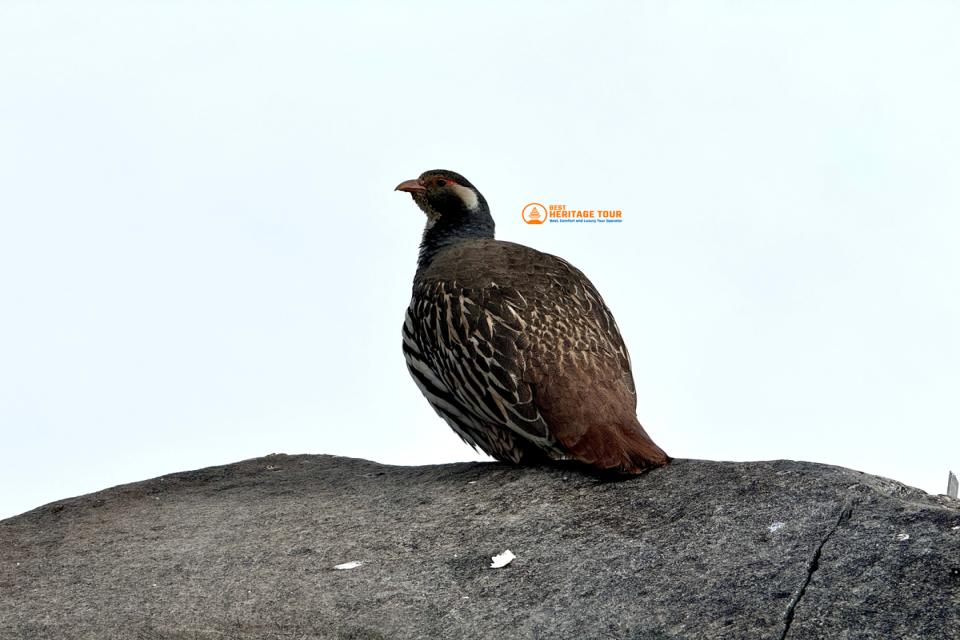
The Langtang Valley Trek passes through the protected landscapes of Langtang National Park, offering trekkers the opportunity to experience Nepal's rich Himalayan biodiversity. Some of the notable wildlife and natural attractions found in the region include:
-
Red Panda & Musk Deer
-
Himalayan Tahr & Langur Monkeys
-
Himalayan Monal (Danphe)
-
Rhododendron Forests, Pine, Bamboo, and Oak Forests, Alpine Meadows and Glacial Landscapes
The combination of wildlife, forests, glaciers, and alpine ecosystems makes the Langtang Valley Trek one of the most rewarding nature experiences in Nepal.
Sacred Lakes and Monasteries of the Langtang Valley Trek
The Langtang region is deeply connected to Tibetan Buddhism and is home to several important spiritual landmarks. Throughout the trek, visitors will encounter ancient monasteries, sacred sites, prayer flags, and religious monuments that reflect the region's rich cultural and spiritual heritage.
-
Kyanjin Gompa & Langtang Monastery
-
Mani Walls & Chortens (Stupas)
-
Prayer Wheels & Colorful Prayer Flags
-
Sacred Gosaikunda Lake (for trekkers extending their journey)
These sacred landmarks add a unique spiritual dimension to the Langtang Valley Trek, allowing trekkers to experience not only the natural beauty of the Himalayas but also the deep-rooted religious traditions of the region.
History and Recovery of Langtang Valley After the 2015 Earthquake
The Langtang Valley has a rich history as one of Nepal's oldest Himalayan trading routes, with strong cultural and economic ties to Tibet. For generations, the valley has been home to the Tamang people, whose unique traditions and Buddhist heritage continue to shape the region today.
In April 2015, the devastating Nepal earthquake triggered a massive avalanche that struck Langtang Village, causing significant loss of life and widespread destruction. Despite this tragedy, the local community demonstrated remarkable resilience and determination. Villages, trails, lodges, and infrastructure were gradually rebuilt, and the region has since recovered to welcome trekkers once again.
Today, the Langtang Valley Trek stands as a symbol of strength, hope, and community spirit. By visiting the region, trekkers not only experience its stunning natural beauty but also support the livelihoods of the local people who have worked tirelessly to rebuild their homeland.
Sustainable and Responsible Tourism in Langtang Valley
The Langtang Valley Trek is a beautiful Himalayan journey where responsible travel plays an important role in protecting nature and supporting local communities. Trekkers are encouraged to minimize plastic waste, use reusable water bottles, respect local customs and religious sites, stay on designated trails, and support locally owned teahouses and businesses whenever possible.
As part of Best Heritage Tour’s commitment to eco-friendly and responsible tourism, we strictly follow the “Leave No Trace” policy throughout all our treks. As part of our sustainability initiative, we plant a tree in the name of traveler (on request) who chooses to travel with us. This simple yet meaningful effort helps offset carbon emissions, restore natural ecosystems, and contribute positively to environmental conservation in Nepal.
Review
R
Wonderful time in Himalayas with Friends
We decided to do trekking in Nepal’s Himalayas and went for Langtang Region Trek with Best Heritage Tour and it was an amazing trek of our life. We were the group of 5...
View DetailO
Great Trekking experience with tasty meal
I just went for the Langtang Kyanjin Gompa Trek with Best heritage tour and it was an unforgettable journey. The trek took me through stunning landscapes, from dense forest and...
View DetailP
Amazing trekking
The Langtang Valley Trek was an amazing trekking experience for me from the start to end. The trek helped me to explore Nepal rich culture and amazing mountains. I got to explore...
View DetailP
Wonderful views and great service
Completing this Langtang Kyanjin Gompa trek with Best heritage tour was a big achievement for me. With no previous trekking experience, I thought I would be impossible for me. But...
View DetailT
A perfect trek for nature lovers
The Langtang Valley Trek was a dream trek for someone who enjoy in nature’s untouched beauty. From the first day, I was surrounded by a lush forest, small streams and...
View DetailT
Incredible Experience in Langtang Valley
I recently completed the Langtang valley trek with best heritage tour and it passed all my expections. The trek offers me the views of stunning of snow covered mountains and...
View Detail
Best trek arranger company
I had a wonderful time exploring Langtang Valley with Best Heritage Tour. The company is truly reliable and offers authentic service with excellent arrangements. Everything was...
View DetailR
May March on Kyanjin Ri
After 6 years, I returned to Nepal. This time we passed the Langtang track in early May. The plan was 8 days/7 nights, but we cut the program by a day. The pleasant experience of...
View DetailJ
Terkking Nepal Langtang valley and paragliding in Pokhara
Nepal is an amazing place full of contrasts. With amazing Mountain View’s Bimal Dhamala of Best Heritage Tours was very helpful and accommodating of our plans for trekking...
View DetailW
Beautiful Rhododendron Forest
What an amazing trek. Must say March is the best time for Langtang Valley Trek. I love the mountains views and the rhododendron blooming path. My guide Mr Milan from Best Heritage...
View DetailG
Top notch experience in Langtang!
Best Heritage Tour for setting everything up. The booking was super easy and stress-free. I can tell Bimal really cares about his guests because the teahouses he picked for me was...
View DetailM
Wonderful Trek
Just finished the Langtang trek and it was honestly such an incredible experience. The views are absolutely breathtaking, but what really made the trip special was our guide, Pema....
View DetailT
Very Good Trek
Honestly can’t get over how good Langtang was. Huge shoutout to Mr. Anil for getting us sorted. He is a legend and made the whole booking thing super easy. Our guide Madhav...
View DetailC
Incredible trip to Langtang!
Just got back from the Langtang Valley trek and it was an amazing experience. I’m so glad I chose Best Heritage Tour to organize it. Bimal was great to work with from day...
View DetailG
Five stars for Bimal and the team!
Me and my husband just got home from the Langtang Valley Trek and I’m so happy. Bimal, is a great guy. He’s super organized and made sure everything from my pickup to...
View DetailFAQ's
Langtang Valley Trekking is a popular trekking route in the Langtang region of Nepal. It offers stunning views of the Himalayan ranges, lush forests and traditional Tibetan villages. The trek usually takes 7-10 days and is known for its beautiful scenery and cultural experiences.
The Langtang Valley trek is classified as moderately challenging, suitable for those with some trekking experience. It involves some steep ascents and descents, but is usually manageable for those with a reasonable level of fitness. The highest point of the trek is Kyanjin Ri, at about 4,773 meters (15,653 feet) above sea level, so altitude sickness is a concern.
The best time to hike in Langtang Valley is during the pre-monsoon season (spring) from late March to early June and the post-monsoon season (autumn) from late September to early November. These periods offer the best weather conditions and clearest visibility.
The hike starts at about 1,500 meters (4,900 feet) above sea level and climbs to Kyanjinri at 4,773 meters (15,653 feet) above sea level. Base camp is about 3,870 meters (12,696 feet).
Please ensure you have obtained both the Langtang National Park Entry Permit and a TIMS (Trekker Information Management System) card before embarking on the journey. These are available in Kathmandu or through registered trekking agencies.
While it is possible to hike on your own, we strongly recommend hiring a guide or porter. They can provide valuable local knowledge, help with navigation, and carry your luggage, making the hike more enjoyable and less taxing.
Accommodation along the Langtang Valley trek mainly consists of tea houses or lodges. These are equipped with basic amenities such as a bed, food and sometimes hot showers. The standard of accommodation varies, with some lodges being more comfortable than others.
The Teahouse serves a variety of food, focusing on traditional Nepalese dishes such as dal bhat (rice and lentils) and momos (dumplings), but also offering Western cuisine. However, the options may be limited as you move further out.
- Hiking shoes
- Warm clothing (layered)
- Sleeping bag (suitable for cold weather)
- Waterproof jacket and pants
- Hat, gloves, sunglasses
- Hiking poles
- First aid kit
- Sunscreen with SPF and lip balm
- Personal toiletries and hygiene products
Weather in Langtang Valley varies depending on the altitude and season. At lower altitudes, temperatures are mild, but at higher altitudes, it can get very cold, especially at night. Be prepared for possible snow and rain, especially during the monsoon season.
As you ascend to higher altitudes, be mindful of the potential risks of altitude sickness. Symptoms include headaches, nausea, and dizziness. To minimize risk, ascend slowly, drink plenty of fluids, and take a few days to acclimatize. Travel insurance that covers emergency evacuation is also recommended.
Trekking usually begins from Syabrubesi, which is accessible by land from Kathmandu. The journey takes approximately 7-9 hours by bus or jeep. The hike starts from Syabrubesi and heads along the Langtang River into the valley.
We recommend that you visit a travel health clinic before your hike. Common vaccinations for travellers to Nepal include Hepatitis A, Hepatitis B, typhoid and tetanus. Also, make sure you have enough personal medicines.
SIM cards are available in Kathmandu and can be used in most areas of the Langtang Valley. Some tea shops offer Wi-Fi, but it may be slow or intermittent. We strongly advise consulting your insurance provider to confirm coverage for any unforeseen circumstances.
Trekking in the Langtang Valley is generally safe, but as with any trek in remote areas, there are inherent risks involved. Follow safety guidelines, listen to your guides and porters, and be prepared for changing conditions.