Why Choose Ganja La Pass Trek?
For the modern adventurer, the "classic" routes of Nepal often feel a bit too predictable. While the Everest Base Camp and Annapurna circuits are undeniably iconic, they have evolved into bustling "teahouse highways." If you find yourself yearning for the raw, unscripted version of the Himalayas - where the sound of your own boots on frozen scree is the only soundtrack - then the Ganja La Pass Trek in the Langtang region is calling your name.
At Best Heritage Tour, we have guided hundreds of explorers through Nepal’s varied terrain, and we consistently rank Ganja La as one of the most rewarding, technically engaging, and culturally profound journeys in our portfolio.
In this comprehensive guide, we explore why this high-altitude traverse is the gold standard for off-the-beaten-path trekking in 2026.
1. The Thrill of a "True" Himalayan Pass
Most treks in Nepal are valley walks. The Ganja La Pass (5,122m / 16,803ft) is an entirely different beast. It is a bridge between two worlds: the Tibetan-influenced Langtang Valley and the emerald ridges of Helambu.
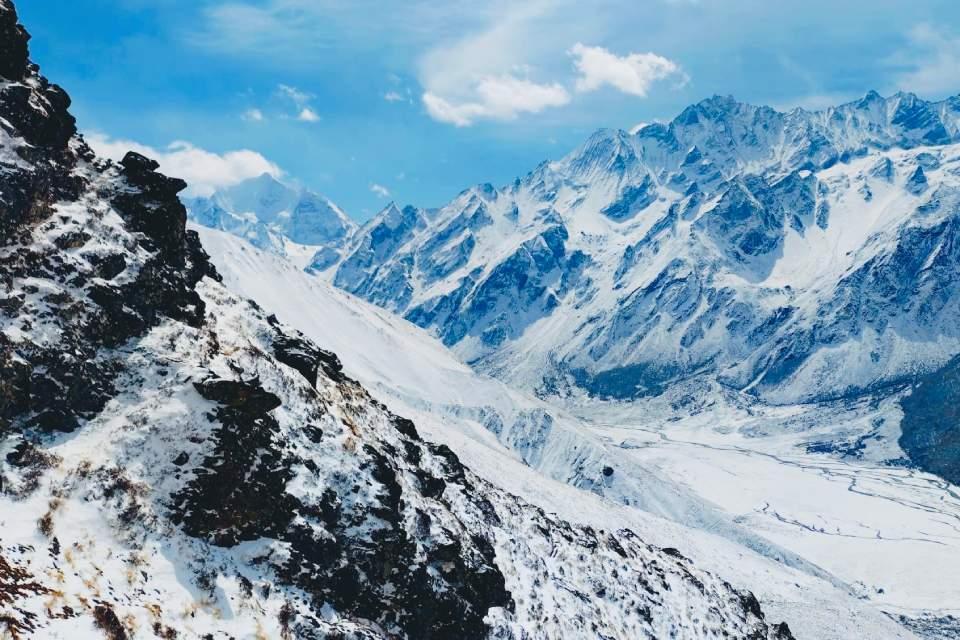
Crossing the Ganja La is not merely a hike; it is a tactical mountain crossing. Depending on the season, the final 200 meters to the pass often require fixed ropes and the use of crampons. It demands a level of focus and grit that standard treks simply don’t ask for. Standing at the top of the pass, flanked by the ice-fluted peaks of Ganchenpo and Naya Kanga, you aren't just a tourist - you are a mountaineer.
Technical Profile:
-
Maximum Altitude: 5,122 Meters.
-
Terrain: Glacial moraines, steep snow slopes, and rocky ridges.
-
Difficulty: Strenuous/Technical (Grade 4).
2. A Masterclass in Himalayan Geography
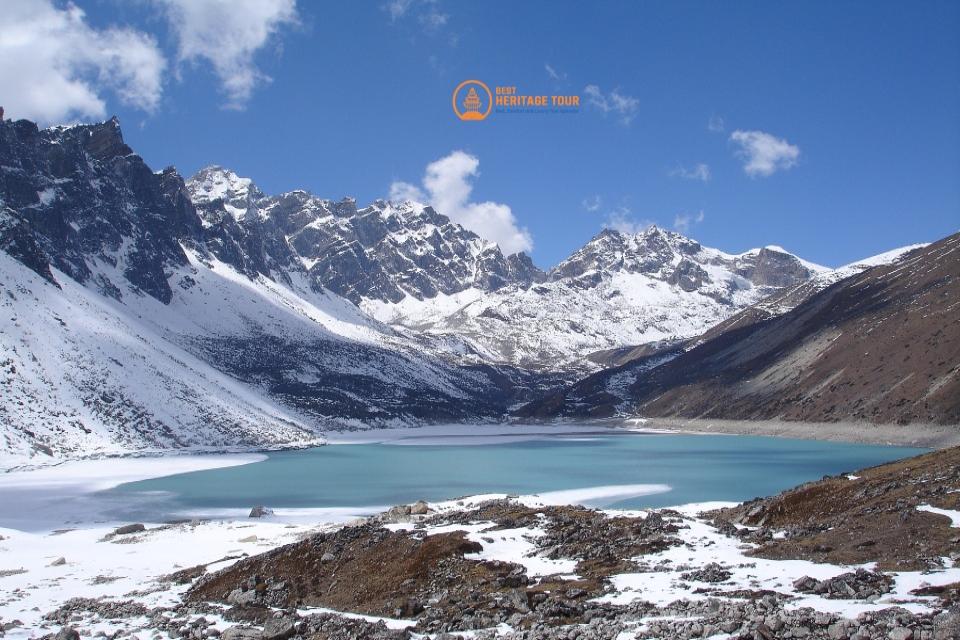
The Langtang region is often called the "Valley of Glaciers," and for good reason. The Ganja La route offers a visual progression that feels like walking through a geography textbook.
Starting at Syabrubesi (1,460m), you begin in lush subtropical forests where the Langtang Khola roars below. As you ascend, the canopy thins into rhododendron and oak forests - home to the elusive Red Panda and Himalayan Black Bear. By the time you reach Kyanjin Gompa (3,870m), the greenery is replaced by a stark, lunar beauty: massive icefalls, hanging glaciers, and 7,000-meter giants like Langtang Lirung towering directly overhead.
The transition from the high-alpine desert of the north to the terraced hillsides of the south (Helambu) is one of the most dramatic ecological shifts you can experience in a single trek.
3. The Cultural Heart of the Tamang People
At Best Heritage Tour, we believe that a trek is only as good as the stories told along the way. The Langtang Valley is the ancestral home of the Tamang people, whose culture is a beautiful blend of ancient shamanistic traditions and Tibetan Buddhism.
Unlike the more commercialized regions, the hospitality here remains deeply authentic. You will walk past ancient Mani walls (stone-carved prayers) and visit Kyanjin Gompa, a monastery that has stood as a beacon of spirituality for centuries.
Pro Tip: Don’t forget to try the local Yak cheese in Kyanjin. It’s made using traditional Swiss methods introduced in the 1950s and provides the perfect high-calorie fuel for the pass crossing ahead.
4. The "Off-the-Beaten-Path" Advantage
If your goal is to escape the crowds, this is your trek. While the Langtang Valley itself sees its fair share of visitors, 90% of them turn back after Kyanjin Gompa.
Once you cross the Langtang Khola and head toward Ngegang (the high camp), the crowds vanish. For the next three days of camping, you are in a true wilderness. There are no teahouses, no Wi-Fi, and no distractions. This segment requires a fully supported expedition - complete with tents, kitchen crews, and experienced porters - which is exactly where our expertise at Best Heritage Tour comes in.
5. Optimal Acclimatization Strategy
One of the biggest risks in high-altitude trekking is "the wall" - that point where altitude sickness forces a retreat. The Ganja La route has a built-in safety mechanism: the Tserko Ri (4,984m) or Kyanjin Ri (4,773m) acclimatization hikes.
Before attempting the pass, we spend two to three days in Kyanjin Gompa. These "rest" days aren't for sitting around; we use them for active acclimatization climbs. This prepares your lungs and blood chemistry for the 5,000-meter threshold, significantly increasing your success rate for a safe crossing.
6. The 2026 Trekking Outlook: What’s New?
The Langtang region has shown incredible resilience following the 2015 earthquake. By 2026, the infrastructure has been fully rebuilt with a focus on Sustainable Tourism.
-
Improved Safety: Local authorities and trekking agencies now coordinate more closely on weather monitoring for the Ganja La Pass.
-
Eco-Friendly Initiatives: There is a renewed push for "Leave No Trace" camping, ensuring that the pristine environment of the Ganja La Phedi remains untouched for future generations.
-
Permit Streamlining: The integration of the TIMS (Trekkers' Information Management Systems) and National Park permits is now more digital-friendly, though having a registered agency like ours handle the logistics remains mandatory for this specific restricted route.
Essential Gear List for Ganja La Pass
Crossing a 5,100m pass requires more than just a pair of sturdy boots. Here is what we recommend our clients pack:
|
Category |
Item |
Why it’s Essential |
|---|---|---|
|
Footwear |
B3 Rated Boots |
Needed for crampon compatibility if the pass is icy. |
|
Apparel |
Down Jacket (-20°C rated) |
Temperatures at the high camp drop significantly at night. |
|
Hardware |
Lightweight Crampons |
Essential for the steep descent on the Helambu side. |
|
Navigation |
GPS & Physical Map |
The trail above Kyanjin is often obscured by fresh snow. |
|
Health |
Diamox & Hydration Salts |
For managing the physiological strain of 5,000m+. |
Why Trek with Best Heritage Tour?
The Ganja La Pass is not a trek you want to "wing it" on. It requires precise logistics, a deep understanding of mountain weather, and a team that prioritizes your safety above all else.
-
Experienced Sherpa Guides: Our guides are licensed professionals who have crossed Ganja La dozens of times in various weather conditions.
-
Premium Camping Equipment: We provide high-altitude North Face (or equivalent) tents and sub-zero sleeping bags.
-
Safety First: We carry satellite communication and pulse oximeters to monitor your health daily.
-
Heritage Focus: We don't just walk; we educate. We provide deep insights into the history and heritage of the villages we pass through.
Conclusion
The Ganja La Pass Trek is more than just a notch on your trekking pole; it is a transformative experience that tests your limits and rewards you with some of the most spectacular vistas on the planet. If you are an experienced trekker looking for the "Next Level" in Nepal, this is it.
Don't settle for the crowded trails. Choose the wilderness. Choose the heritage. Choose the challenge.
Plan Your Adventure Today
Ready to stand atop the Ganja La? Best Heritage Tour is here to make your Himalayan dreams a reality with expert planning and local heart.
Phone / WhatsApp / Viber: +977-9851149197 / +977-9810043046
Email: [email protected] / [email protected]
Website: www.bestheritagetour.com
Office: Thamel Marg, Kathmandu, Nepal