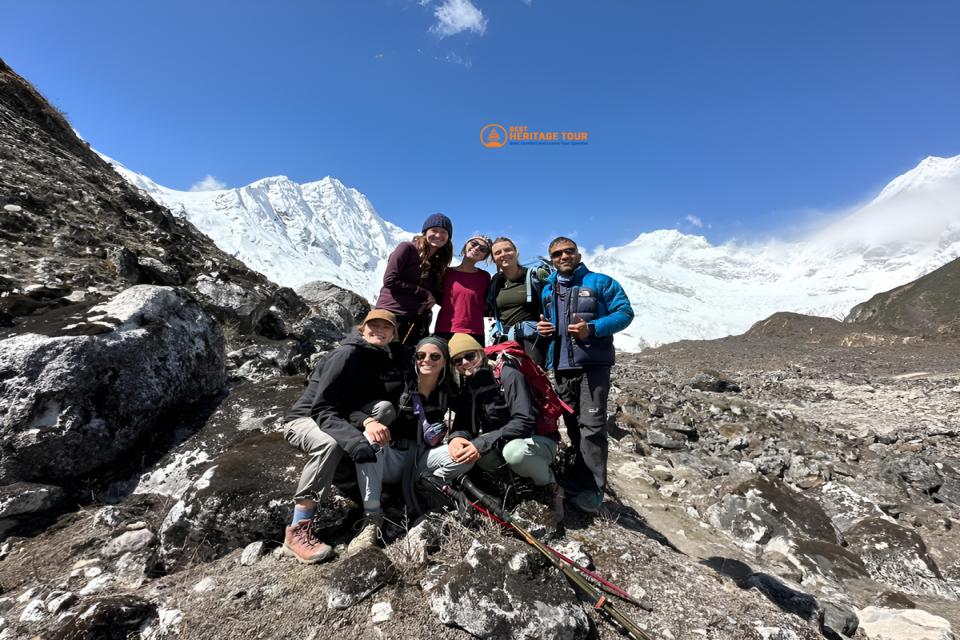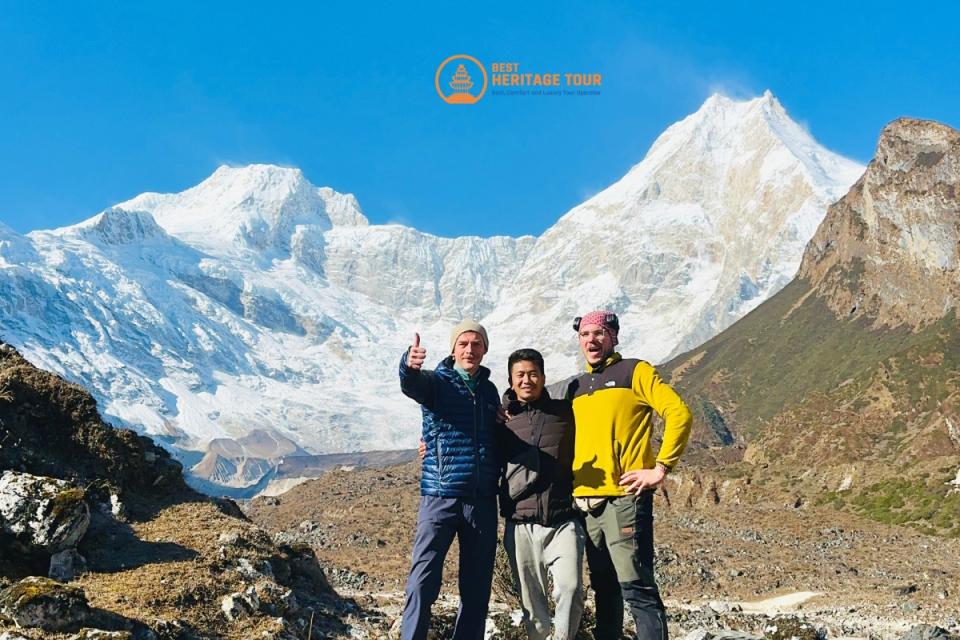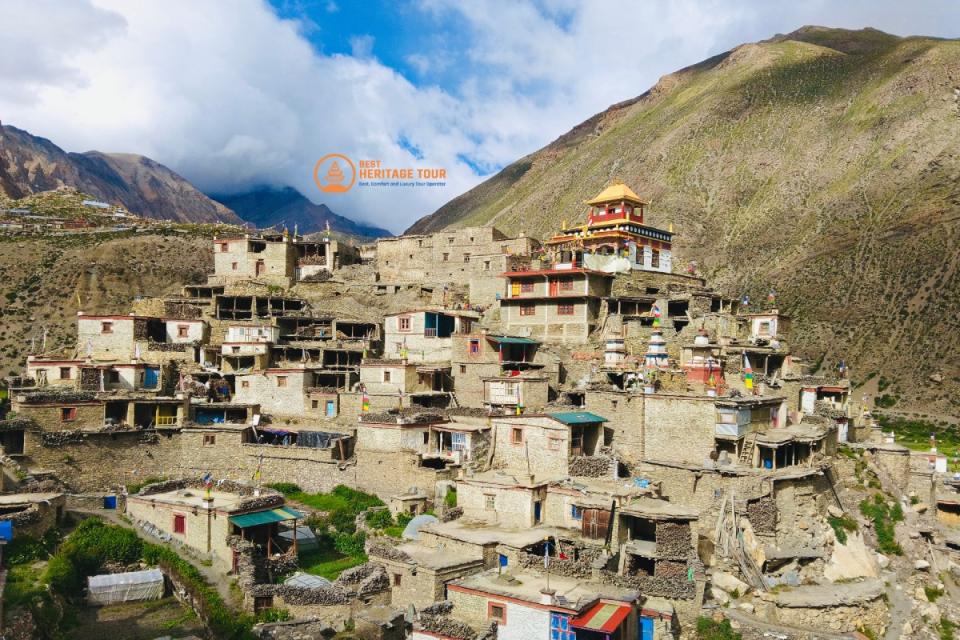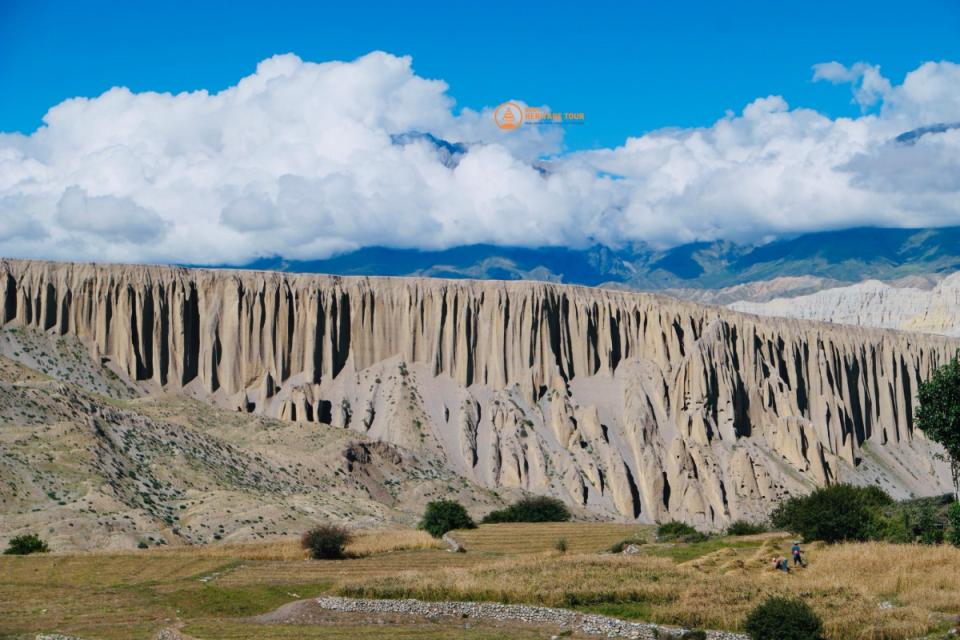
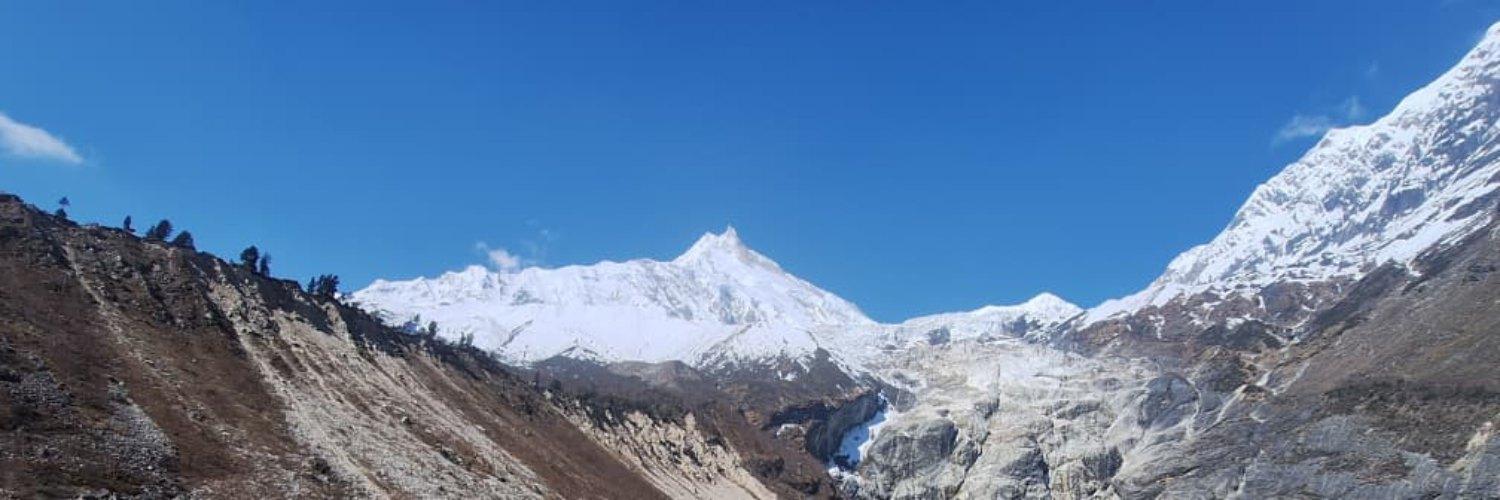
For true mountain lovers, the definition of an ideal Himalayan adventure has shifted. Trekkers are increasingly moving away from the highly commercialized paths of Everest and Annapurna in search of something raw, quiet, and profoundly authentic. If you are searching for a journey that balances pristine wilderness with untouched cultural heritage, the Manaslu Circuit Trek stands as the ultimate Himalayan odyssey.
Skirting the world’s eighth-highest mountain, Mount Manaslu (8,163 m), this restricted-region trek takes you from subtropical lowlands through sheer river gorges, eventually spilling into high-altitude Tibetan plateaus and conquering a formidable mountain pass.
At Best Heritage Tour, we have guided hundreds of adventurers through these sacred valleys. We know that this trek isn’t just about putting one foot in front of the other - it’s about experiencing a living museum of Tibetan-Buddhist culture and standing face-to-face with the giants of the earth.
To help you plan your next great expedition, we have compiled the definitive list of the Top 10 things to do in Manaslu Circuit Trek. If you are wondering, "What are the Things I can not miss during Manaslu Circuit trek?", this comprehensive guide will unpack the absolute highlights, hidden detours, and cultural secrets of this legendary route.
Top 10 Things That One Cannot Miss During Manaslu Circuit Trek
1. Conquer the Mighty Larkya La Pass (5,160 m)
Undoubtedly the crowning achievement and the ultimate physical challenge of the entire journey, crossing the Larkya La Pass is something you simply cannot miss. Sitting at an breathtaking elevation of 5,160 m (16,929 ft), Larkya La is one of the longest and most exhilarating high-altitude mountain passes in Nepal.
The day begins in the pitch black of the pre-dawn hours, usually around 3:30 AM, departing from the freezing high-camp of Dharamshala (4,460 m). Walking over lateral moraines, frozen glacial lakes, and crunching snowfields, the ascent tests your stamina and mental grit. But as the first rays of the sun hit the surrounding peaks, turning the stark white landscape into an ocean of gold, all your fatigue evaporates.
When you reach the summit - marked by thousands of colorful Buddhist prayer flags dancing madly in the high-altitude wind - you are rewarded with a mind-blowing 360° panorama. To the north and east, Himlung Himal (7,126 m), Cheo Himal, and Kang Guru tower over the horizon. As you begin the steep descent toward the west, the massive wall of Annapurna II (7,937 m) reveals itself in all its jaw-dropping glory.
2. Walk the Dramatic Gorges of the Budhi Gandaki River
Long before you reach the snowfields, the early stages of the Manaslu route offer some of the most dramatic canyon trekking on the planet. For the first five days, the trail relentlessly hugs the wild, white-water torrents of the Budhi Gandaki River.
This section of the trail is a masterpiece of mountain engineering. You will walk along narrow paths blasted directly into vertical cliff faces, look down into deep, bottomless river chasms, and pass underneath thunderous waterfalls that spray directly onto the trail.
The Bridge Experience: If you love a bit of adrenaline, crossing the suspension bridges of the Manaslu Circuit is an unforgettable highlight. These long, steel structures span hundreds of feet across the gorge, swinging gently as you walk high above the roaring river.
3. Explore Samagaun: The Cultural Heart of Nubri Valley
As you ascend past 3,500 m, the landscape widens into the high alpine zone, and the cultural fabric shifts completely. You enter the Nubri Valley, inhabited by descendants of Tibetan immigrants who settled here centuries ago. The cultural capital of this region is Samagaun (3,520 m), a magnificent village of stone houses, dry-stone walls, and extensive fields of barley and potatoes.
Spending an acclimatization day in Samagaun is mandatory for your safety, but it is also one of the most culturally immersive experiences of the trek. Here, the local women still wear traditional woolen Chubas and striped aprons, and the rhythm of daily life revolves around herding yaks and spinning prayer wheels. Walking through the narrow alleyways of Samagaun feels like stepping directly into a historical time capsule.
4. Stand on the Shores of Birendra Tal Glacial Lake
Located just a short, scenic hike from Samagaun, Birendra Tal (3,650 m) is a mesmerizing, emerald-green lake formed by the meltwater of the Manaslu Glacier. Tucked right at the foot of the mountain, the lake acts as a perfect mirror reflecting the icy ridges of Mount Manaslu’s massive northern face.
|
Feature |
Birendra Tal Details |
|---|---|
|
Altitude |
3,650 m (11,975 ft) |
|
Difficulty |
Easy 1.5 to 2-hour day hike from Samagaun |
|
Best Time |
Morning, when the water is perfectly still for reflections |
|
Visual Highlight |
Bright turquoise water contrasting with gray glacial moraine |
For trekkers seeking an active acclimatization day, a walk to Birendra Tal is an absolute must-do. You can sit along its rocky shores, listen to the distant, deep rumble of avalanches cracking high up on the glacier, and collect stones carved with the sacred mantra "Om Mani Padme Hum."
5. Take the Spiritual Detour to Ancient Pungyen Gompa
If you are looking for hidden gems that the average trekker misses, the side-trip to Pungyen Gompa is arguably the most spiritually and visually rewarding detour on the entire circuit. Perched on a high, grassy plateau at 4,050 m, this ancient Buddhist monastery sits directly beneath the catastrophic south face of Mount Manaslu.
The monastery is nearly 400 years old. In the 1950s, it was tragically destroyed by an avalanche, an event the locals blamed on the early Japanese mountaineering expeditions attempting to scale the sacred mountain. It has since been rebuilt and remains a living sanctuary where a handful of monks spend months in solitary meditation.
The hike to Pungyen Gompa leads through alpine meadows where Himalayan blue sheep (bharal) and yaks graze. Once you reach the plateau, the absolute proximity to Manaslu’s sheer ice walls is nothing short of humbling.
6. Acclimatize in the Border Village of Samdo
The final permanent settlement before you make the push over the high pass is Samdo (3,875 m). This tiny village is located just a day's walk from the Tibetan border. It was established in the 1950s by Tibetan refugees fleeing the Chinese occupation, and the community maintains deep, historic ties to their ancestral homeland.
Samdo is a rugged, windswept outpost where the houses are built flat-roofed to withstand the brutal Himalayan winter winds. While staying here, you can undertake an acclimatization hike up Samdo Ri (5,177 m) or trek toward the Rui La Pass (4,998 m), an ancient trading route leading directly into Tibet. Looking north from Samdo, the vast, arid plateaus of Tibet stretch out across the horizon, providing a profound sense of standing at the very edge of the map.
7. Witness the Iconic Architecture of Ribung Gompa in Lho
As you trek from Namrung to Samagaun, you will pass through the spectacular village of Lho (3,180 m). Long before you step foot in the village, its defining feature will catch your eye: the majestic Ribung Gompa, perched proudly on a hilltop overlooking the valley.
Lho offers one of the absolute best viewpoints of Mount Manaslu. From the courtyard of Ribung Gompa, the mountain looks like a massive twin-peaked spear piercing the blue sky. The monastery itself houses a vibrant community of young monk students. Visiting during their afternoon prayers, when the deep vibrations of Tibetan longhorns (dungchen) echo off the monastery walls against the backdrop of the world's eighth-highest mountain, is a sensory experience that will stay with you forever.
8. Soak in the Natural Hot Springs of Tatopani
Trekking in the Himalayas is undeniably taxing on the muscles. Luckily, the Manaslu Circuit features its very own natural recovery station. On Day 3 of the trek, as you make your way from Machha Khola to Jagat, you will pass through the small settlement of Tatopani (which literally translates to "Hot Water" in Nepali).
Here, natural, mineral-rich hot water sprouts from stone spigots built into the hillside. While it isn’t a massive resort pool, taking a 20-minute break to wash your hands, face, and soak your tired feet in the steaming, therapeutic water is an incredible morale boost. It is the perfect natural remedy to soothe your muscles before entering the restricted alpine zones further up the valley.
9. Drop into the Ethereal Bimthang Valley
What goes up must come down, and after the grueling, oxygen-deprived climb over Larkya La, dropping into the paradise of Bimthang Valley (3,720 m) feels like entering the Promised Land.
Bimthang is a wide, sweeping alpine meadow ringed by towering ice walls. The descent from the pass drops you through dramatic glacial moraines into lush pine and ancient rhododendron forests. Arriving in Bimthang in the afternoon, pulling off your trekking boots, and looking back up at the massive white ridge of the pass you just conquered while sipping hot ginger tea is a moment of pure, unadulterated triumph. The views of the backside of Manaslu, Phungi Himal, and Himlung Himal from Bimthang are arguably some of the most beautiful on earth.
10. Add the Sacred Tsum Valley Extension (The Ultimate Add-on)
If you have an extra 5 to 7 days to spare, the single best thing you can do on the Manaslu Circuit is to add the extension to the mystical Tsum Valley. Branching off from the main trail past Philim, the Tsum Valley is known as a Beyul - a sacred, hidden valley blessed by the Buddhist saint Guru Rinpoche as a refuge for spiritual seekers.
Opened to tourism only in 2008, Tsum Valley has preserved its ancient traditions completely untouched by modernity. A strict code of non-violence (Shagya) is practiced here; no animals are allowed to be slaughtered or hunted within the valley.
Why the Tsum Valley Extension is Unique:
-
Mu Gompa (3,700 m): The highest and most isolated monastery in the valley, home to ancient religious texts and stunning views of the Ganesh Himal range.
-
Rachen Gompa: A historic nunnery filled with intricate, centuries-old Buddhist frescoes.
-
Milarepa’s Cave: The sacred cavern where the legendary 11th-century Tibetan yogi and poet Milarepa spent years meditating.
Manaslu Circuit Trek: Practical Planning Metrics
To make sure your expedition goes off without a hitch, here is a breakdown of the key logistics, updated for the current 2026 trekking season.
Essential Trekking Data
-
Total Distance: Approximately 177 km (110 miles) for the standard circuit loop.
-
Trek Duration: 14 to 16 days for the standard circuit; 19 to 22 days if you add the Tsum Valley extension.
-
Accommodation Style: Traditional tea houses and mountain lodges.
-
Difficulty Rating: Strenuous/Challenging. Requires a high level of physical fitness and prior trekking experience at altitude.
Conclusion
The Manaslu Circuit Trek is far more than just a challenging hiking route; it is a profound journey through time, culture, and some of the most untamed landscapes on planet earth. From the roaring gorges of the lowlands to the fluttering prayer flags atop the frozen crest of Larkya La Pass, every single day on this trail serves up unforgettable milestones. If your goal is to experience the raw majesty of the Himalayas exactly as they were decades ago, this is the trek that will fulfill your wildest dreams.
At Best Heritage Tour, we handle all the tedious logistics - from securing your restricted area permits to arranging seamless private transport from Kathmandu, and placing you in the hands of our highly experienced, wilderness-first-aid-certified local mountain guides.
Plan Your Manaslu Expedition with Best Heritage Tour
Phone / WhatsApp / Viber: +977-9851149197 / +977-9810043046
Email: info@bestheritagetour.com / bestheritagetour@gmail.com
Website: www.bestheritagetour.com
Office: Thamel Marg, Kathmandu, Nepal
Author: Best Heritage Tour
Date: 22nd May, 2026