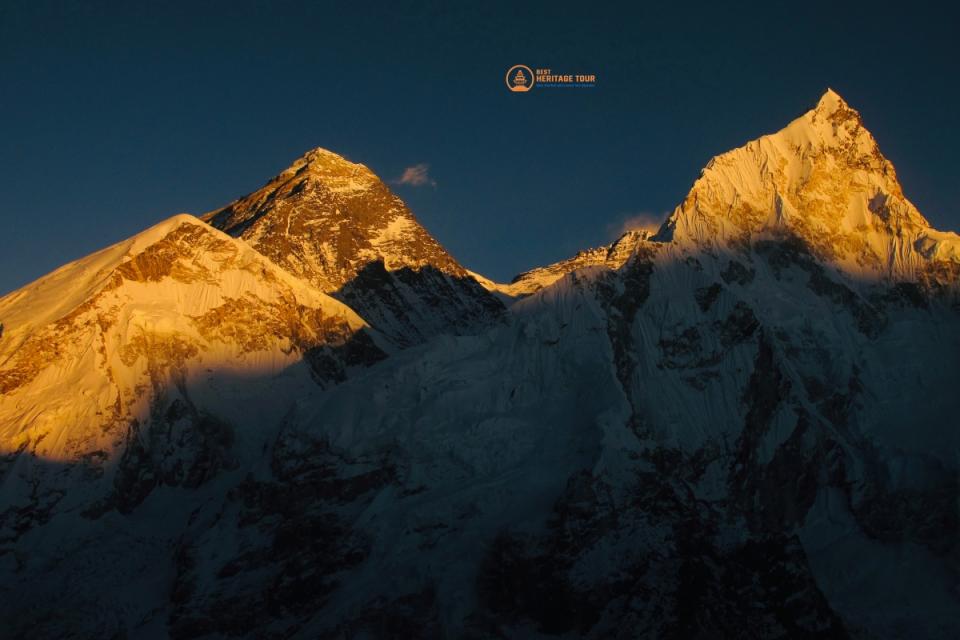

For many travelers, the dream of standing at the foot of Mount Everest is often clouded by a single, nerve-wracking obstacle: the flight to Lukla. Known as one of the most adventurous airstrips in the world, Tenzing-Hillary Airport is famous for its short, uphill runway and its total dependence on the whims of Himalayan weather.
At Best Heritage Tour, we hear the question almost daily: "Is it possible to skip the Lukla flight and still do the EBC trek?"
The answer is a resounding yes. Not only is it possible, but in 2026, the overland route to Everest is becoming a preferred choice for seasoned trekkers and those looking for a more stable, culturally rich, and physically rewarding journey.
In this comprehensive guide, we will break down everything you need to know about the EBC trek by road, from the logistics of the new road extensions to the benefits of a "no-flight" itinerary.
Why Skip the Lukla Flight? Understanding the "Lukla Anxiety"
Before we dive into the "how," let’s talk about the "why." While the 35-minute flight from Kathmandu to Lukla is iconic, it comes with three major challenges:
-
Weather Dependency: Lukla is notorious for sudden fog and high winds. It is not uncommon for flights to be delayed for days - sometimes a full week - leaving trekkers stranded in Kathmandu or Lukla and ruining tightly packed itineraries.
-
Rapid Altitude Gain: When you fly to Lukla, you land at 2,860 meters (9,383 ft). For many, this sudden jump from Kathmandu’s 1,400 meters can trigger early symptoms of altitude sickness.
-
The "Scare" Factor: Let’s be honest - landing on a 527-meter runway perched on a cliffside isn't for everyone. If you have a fear of flying, starting your bucket-list adventure with high-intensity stress isn't ideal.
By choosing to skip the Lukla flight for the EBC trek, you trade a 35-minute flight for a multi-day adventure through the heart of the lower Solukhumbu, gaining a deeper perspective of Nepal along the way.
The Logistics: How to Get to Everest Base Camp by Road
As of 2026, the road infrastructure in the Everest region has seen significant improvements. While you still cannot drive all the way to Base Camp (the terrain simply won't allow it), you can now drive much closer than in previous decades.
1. The Route: Kathmandu to Phaplu and Beyond
The journey starts with a drive from Kathmandu. We typically use private 4WD Jeeps for our guests at Best Heritage Tour to ensure comfort over the 9-11 hour journey. You will travel along the BP Highway, crossing the Sunkoshi River and climbing through the mid-hills of Nepal.
2. The Current "Road-Head": Thamdanda and Surke
Only a few years ago, the road ended at Salleri or Phaplu. Today, the track has been extended significantly. You can now drive past Salleri to Thamdanda. From Thamdanda, it is only a few hours of trekking to reach Surke (which sits just below Lukla) or Paiya.
By reaching Surke by road, you effectively "join" the classic Everest trail without ever having to step foot in a small twin-otter plane.
The "EBC by Road" Itinerary: What to Expect
When you choose the overland route, your itinerary changes. You aren't just "skipping a flight"; you are adding a beautiful, lower-altitude trekking chapter to your story.
Phase 1: The Drive (Days 1-2)
-
Day 1: Arrival in Kathmandu: Final gear check and briefing at our Thamel office.
-
Day 2: Kathmandu to Salleri/Phaplu (2,360m): A long but scenic drive through terraced hills and local markets.
Phase 2: The Lower Khumbu (Days 3-4)
-
Day 3: Drive to Thamdanda and Trek to Paiya (2,730m): After a short morning drive, you begin your walk. You'll pass through lush forests and small settlements that 95% of trekkers miss because they flew over them.
-
Day 4: Trek to Phakding (2,610m): This is the "magic moment" where you join the main trail coming down from Lukla. From here on, the route to Namche Bazaar is the same as the standard trek.
Phase 3: The Classic Ascent (Days 5-12)
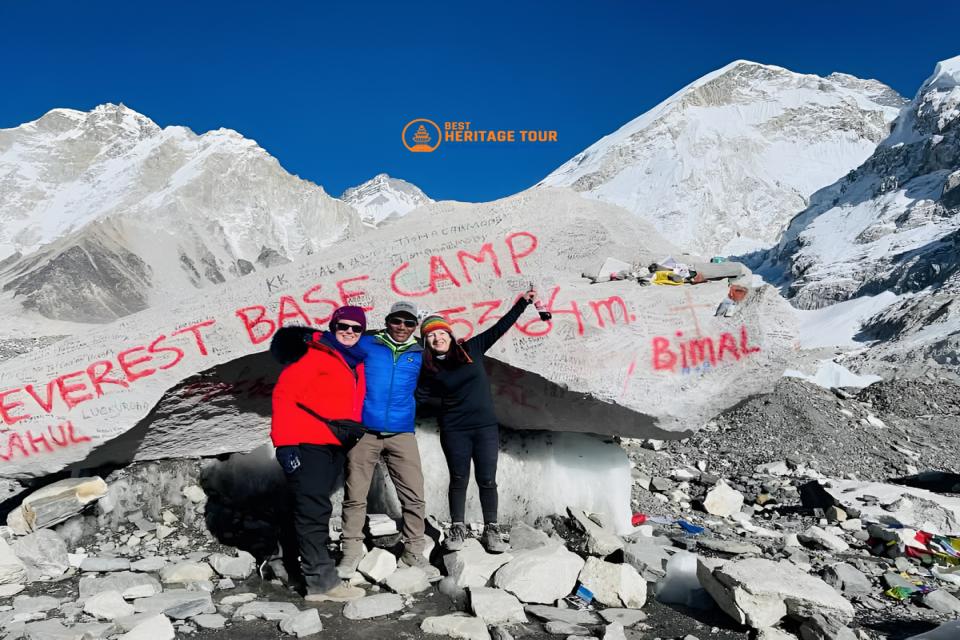
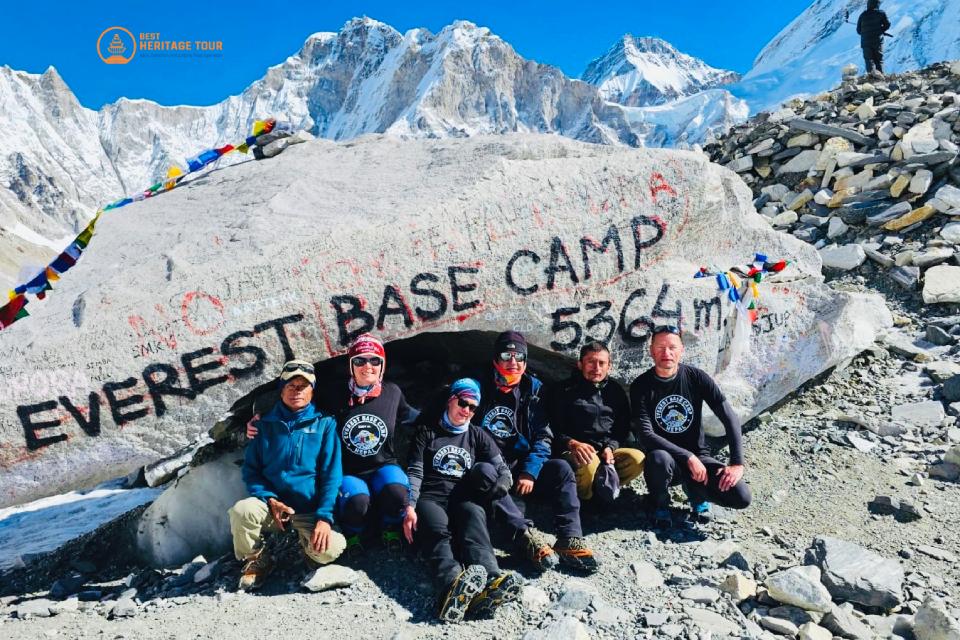
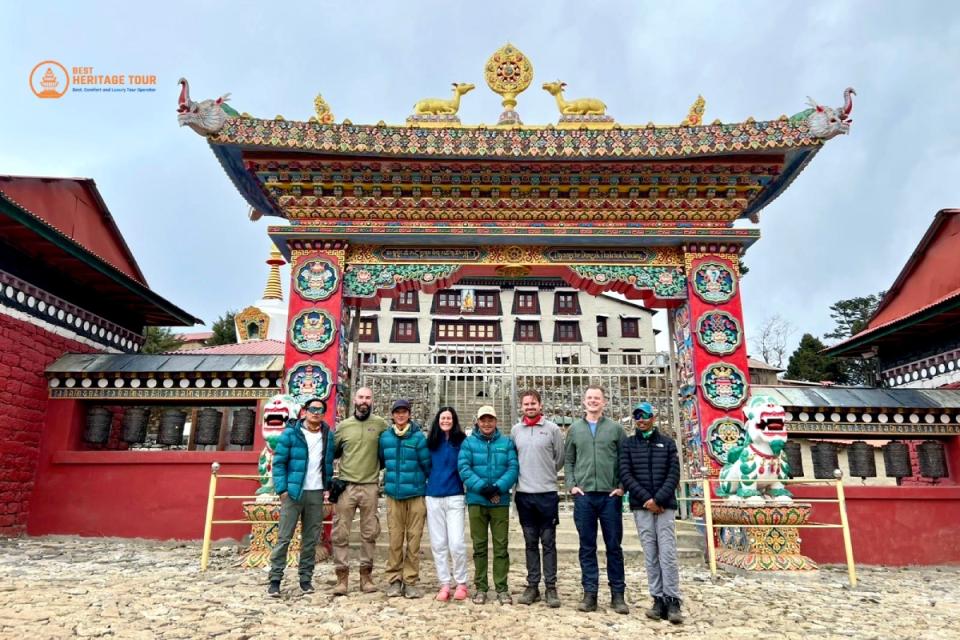
You will follow the traditional path through Namche Bazaar, Tengboche, Dingboche, and Lobuche, finally reaching Everest Base Camp (5,364m) and the viewpoint of Kala Patthar (5,545m).
Comparing the Options: Road vs. Flight
|
Feature |
EBC Trek by Flight |
EBC Trek by Road |
|---|---|---|
|
Duration |
12-14 Days |
14-18 Days |
|
Cost |
Higher (Flight tickets ~$400-$500) |
Moderate (Jeep transport is cheaper) |
|
Reliability |
Low (Frequent weather delays) |
High (Roads are rarely closed) |
|
Acclimatization |
Aggressive |
Gradual & Safer |
|
Crowds |
Busy from Day 1 |
Quiet for the first 2-3 days |
The Secret Advantage: Superior Acclimatization
As professional guides, this is the point we emphasize most. Altitude Sickness (AMS) is the number one reason trekkers fail to reach Base Camp.
When you drive to Salleri and walk from Thamdanda, you spend several days moving between 2,300m and 2,800m. This "slow-burn" approach allows your body to produce more red blood cells gradually. By the time you reach Namche Bazaar (3,440m), your body is far better prepared than someone who just hopped off a plane from the sea-level-pressure of Kathmandu.
Local Pro Tip: Trekkers who take the road route have a statistically higher success rate of reaching Everest Base Camp without needing emergency descents or oxygen.
Is the Everest Base Camp by Road Route Difficult?
It is important to be realistic. The EBC trek by road is physically more demanding simply because it is longer. You are adding approximately 3 days of walking and a full day of bumpy Jeep travel to your trip.
The lower trails (Phaplu to Surke) involve several "Nepalese flats" - which, as we say in the mountains, means "a little bit up and a little bit down." You will cross ridges and descend into valleys, meaning you will do more total ascent than those who start in Lukla. However, the trails are greener, the air is thicker, and the villages are more authentic.
Essential Packing Tips for the Road Route
Because you are spending more time in the lower, warmer regions before hitting the glacier, your packing list needs to be versatile:
-
Dust Protection: The road to Thamdanda can be dusty. Bring a high-quality Buff or face mask for the Jeep portion.
-
Motion Sickness Medication: The winding roads of the BP Highway are beautiful, but they feature hundreds of hairpin turns.
-
Moisture-Wicking Layers: The lower Solukhumbu is much warmer than the high-altitude zone. You will sweat more on the first three days, so bring extra base layers.
-
Sturdy Trekking Poles: Essential for the descents and ascents in the lower valleys.
The "Jiri" Alternative: For the True Classicists
For those with 20+ days to spare, there is also the Jiri to EBC route. This is the "Classic Pioneer Route" taken by Tenzing Norgay and Sir Edmund Hillary in 1953. It involves a bus to Jiri and 5-7 days of trekking just to reach the Lukla area. While very long, it is the ultimate way to experience the transition from the lush lowlands to the high Himalayas.
Conclusion
So, is it possible to skip the Lukla flight? Absolutely.
The EBC trek by road is no longer just a "backup plan" for when the planes aren't flying. It is a legitimate, high-value alternative that offers better safety, richer culture, and the peace of mind that comes with knowing your trip won't be cancelled by a single cloud over Lukla.
Whether you are a trekker with a fear of flying or a traveler looking for the "road less traveled," the overland route to Everest is waiting for you.
Ready to Plan Your Everest Adventure?
Don't let the Lukla flight hold you back from the experience of a lifetime. Let the experts at Best Heritage Tour craft the perfect overland itinerary for you.
Phone / WhatsApp / Viber: +977-9851149197 / +977-9810043046
Email: info@bestheritagetour.com / bestheritagetour@gmail.com
Website: www.bestheritagetour.com
Office: Thamel Marg, Kathmandu, Nepal
Author: Best Heritage Tour
Date: 21st April, 2026