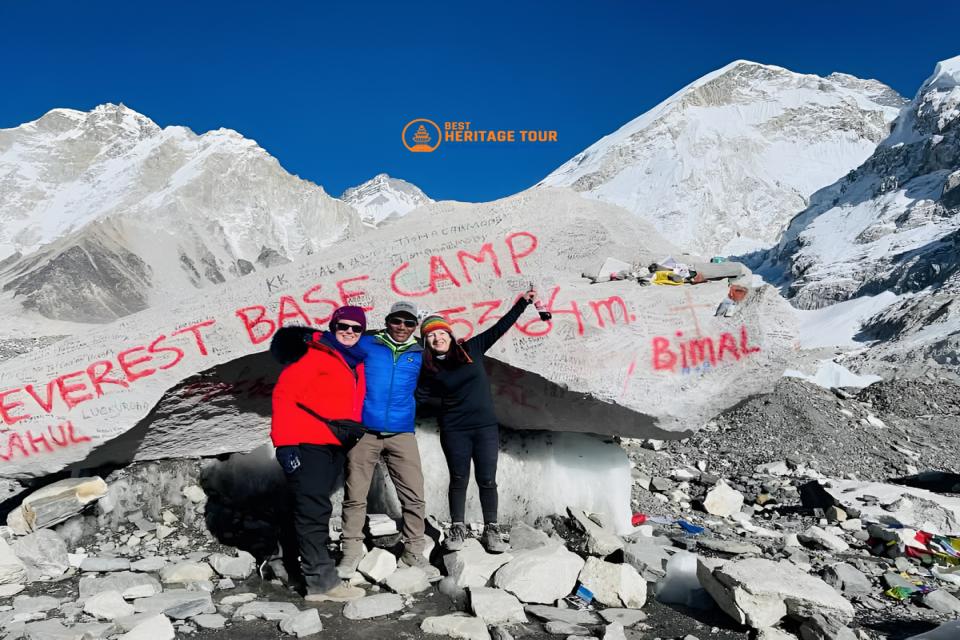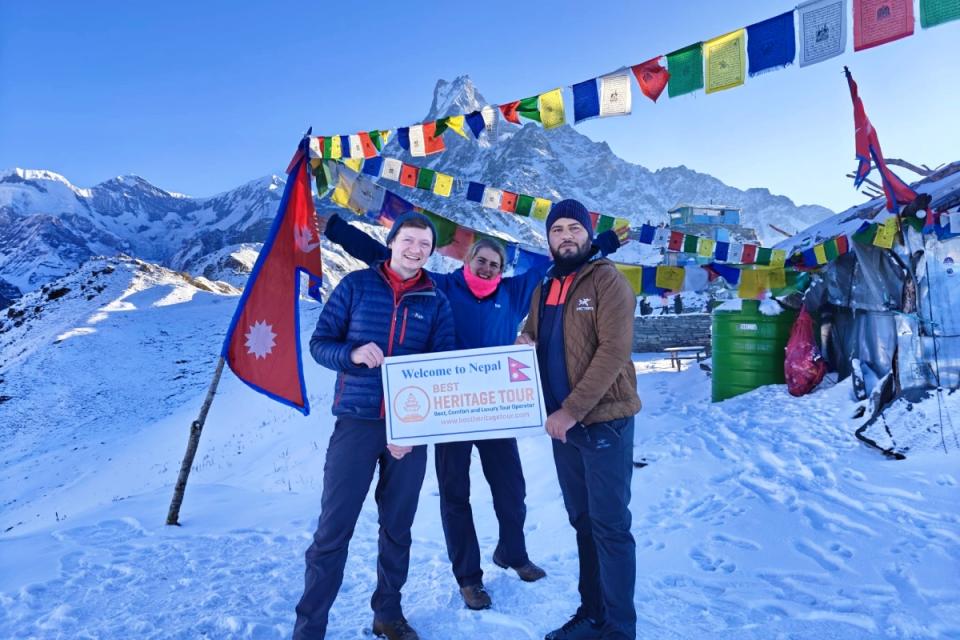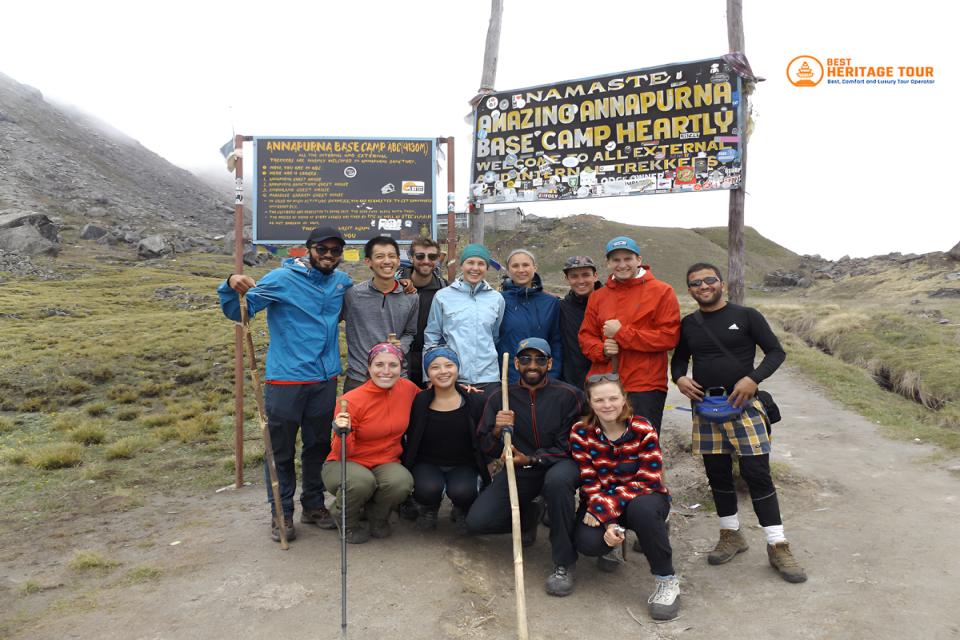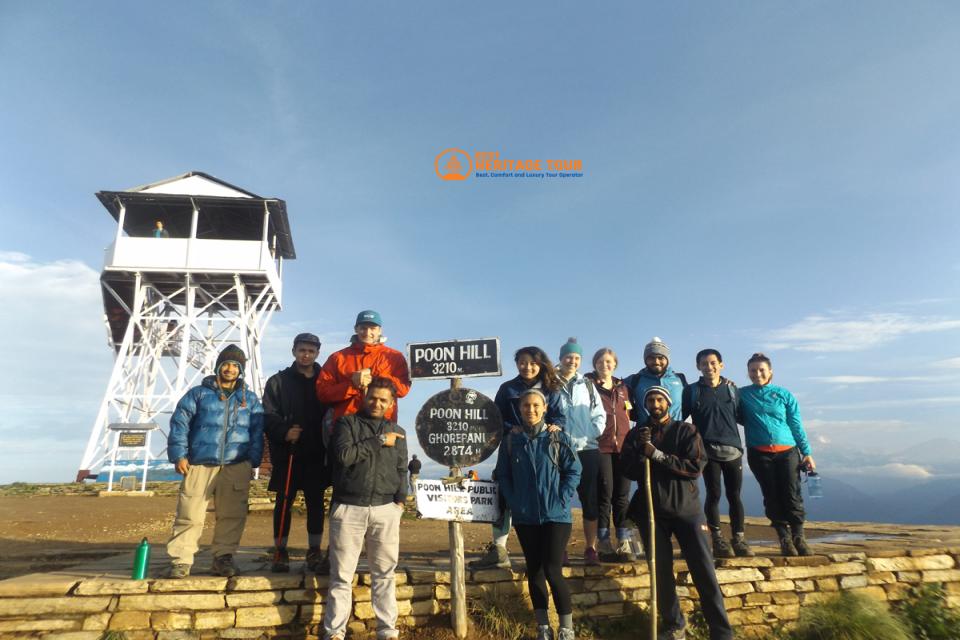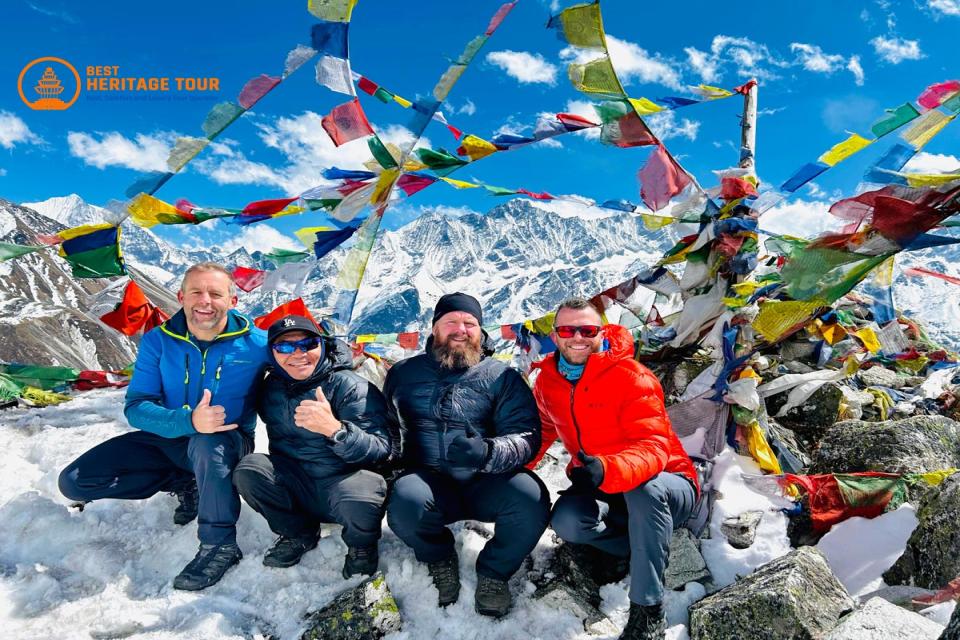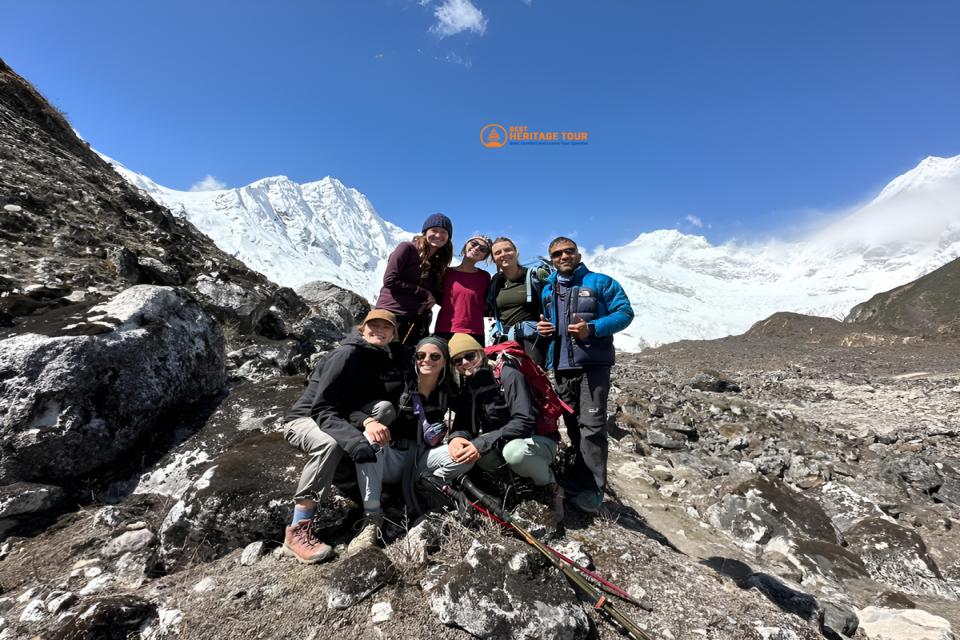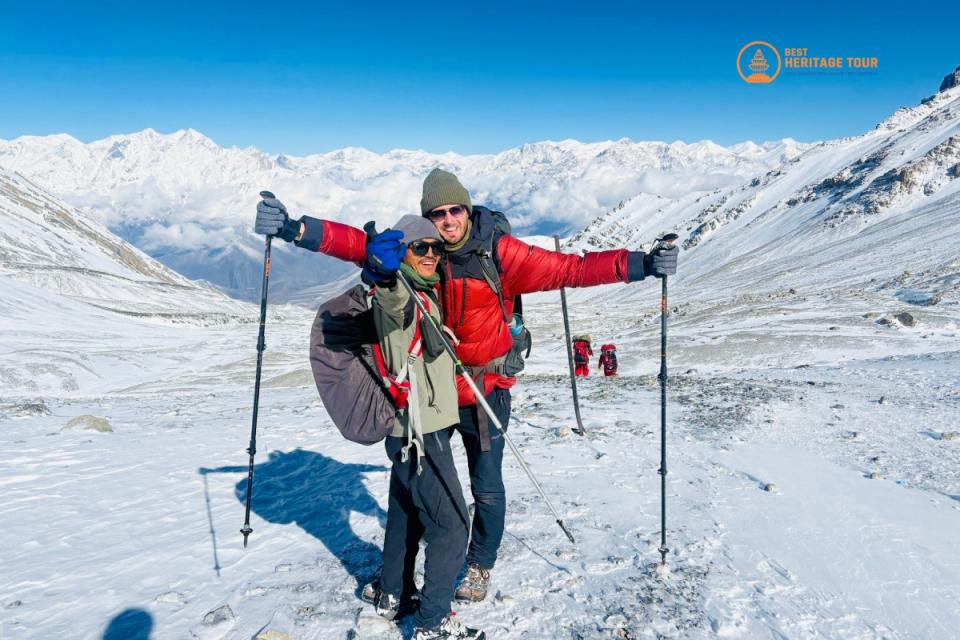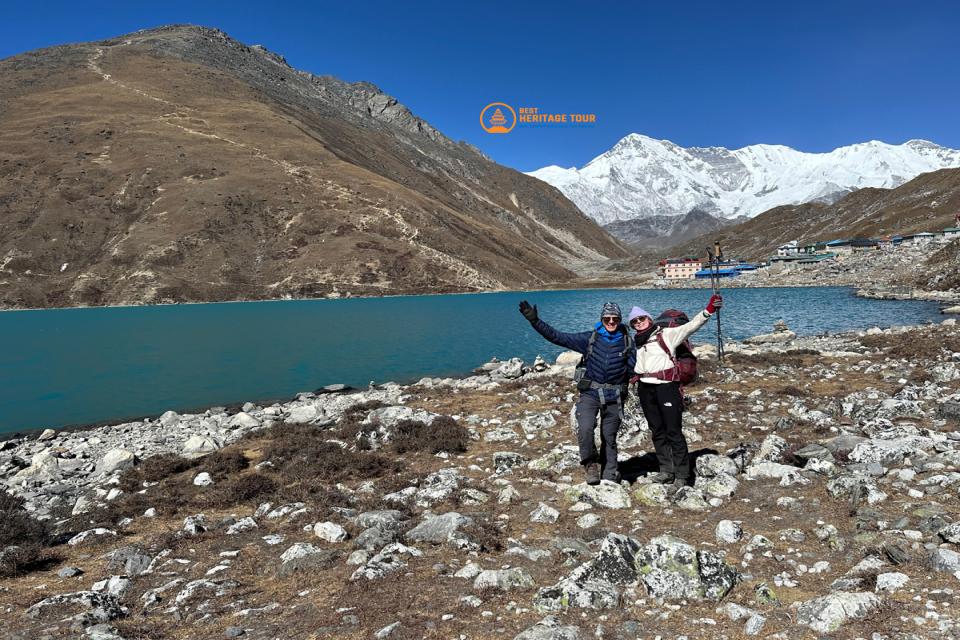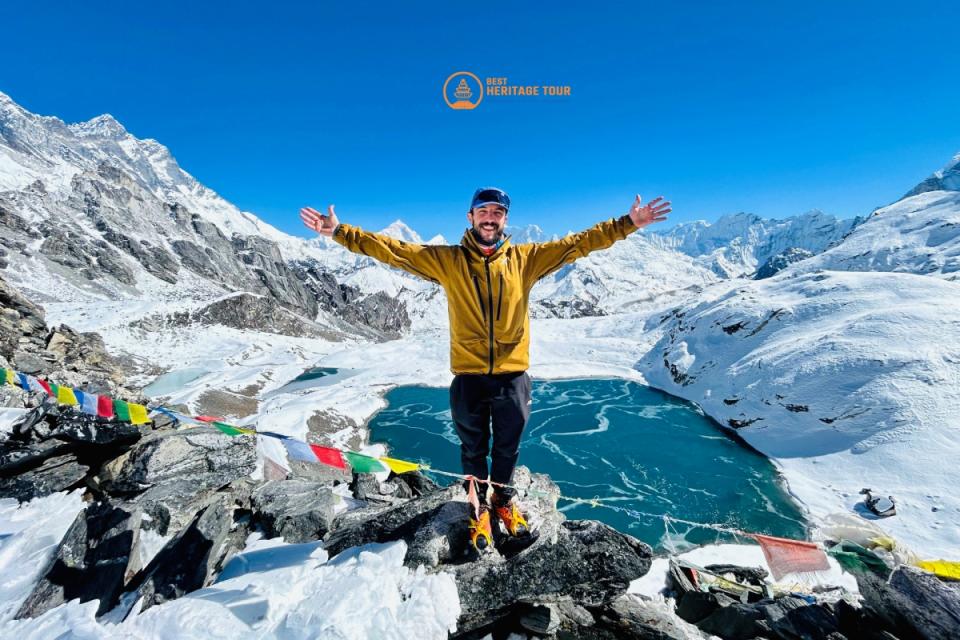
Namaste and welcome to the ultimate guide for your 2026 Himalayan adventure in Nepal! As a seasoned trekking company; Best Heritage Tour who had lead trekkers from the high passes of Thorong La to the swirling mists of Everest Base Camp, we’ve seen the trails change - not just the geography, but the rules too. If you are planning to visit Nepal in 2026, you aren’t just looking for a hike; you are seeking a soul-stirring heritage experience.
However, the days of solo wandering are shifting into a new era of regulated, safe, and sustainable tourism. To ensure your journey with Best Heritage Tour is seamless, we’ve detailed everything you need to know about the new trekking laws, permits, and cultural etiquette for 2026.
In 2026, the Government of Nepal and the Nepal Tourism Board (NTB) have doubled down on trekker safety and environmental preservation. Whether you’re eyeing the classic Annapurna Circuit or the forbidden kingdom of Upper Mustang, here is the roadmap to trekking legally and responsibly in Nepal this year.
The End of Solo Trekking: The Mandatory Guide Rule
The most significant change for 2026 is the full enforcement of the Mandatory Guide Policy. Gone are the days when a solo traveler could simply grab a backpack and head into the wilderness of a National Park alone.
Why was this rule implemented?
-
Safety First: Between 2015 and 2025, search and rescue operations for solo trekkers increased by nearly 40%. A licensed guide acts as a first responder for altitude sickness and navigation.
-
Economic Impact: Hiring a guide provides vital employment to local mountain communities, ensuring the "heritage" of these trails is preserved by the people who live there.
-
Environmental Accountability: Guides ensure "Leave No Trace" principles are followed, preventing trail erosion and littering.
Pro-Tip: Don't view a guide as a "restriction." View them as your cultural translator. They know which teahouse has the best Dal Bhat, the stories behind the ancient Chortens, and how to spot a Himalayan Monal hiding in the brush.
Navigating the 2026 Permit System
Permits in 2026 are more digital than ever. Most checkpoints now use QR code scanners to track trekker movements for safety. Here is the breakdown of what you’ll need:
A. The New TIMS Card (Trekkers’ Information Management System)
In 2026, the old "Green TIMS" for solo trekkers is officially retired. Only the Blue TIMS (Group/Guided) exists.
-
Cost: NPR 2,000 (approx. $15 USD) for foreigners; NPR 1,000 for SAARC nationals.
-
How to get it: It can only be issued through a registered trekking agency like Best Heritage Tour. You cannot apply for this individually.
B. Conservation Area & National Park Permits
Every major route falls within a protected zone.
-
Annapurna (ACAP): NPR 3,000
-
Everest (Sagarmatha National Park): NPR 3,000 + 13% VAT
-
Langtang National Park: NPR 3,000
Note: These are single-entry permits. If you leave the park and re-enter, you’ll need a new one.
C. The Restricted Area Permits (RAP)
If you want to step back in time, you’ll likely enter a "Restricted Area." These require a special permit, a minimum of two trekkers, and a government-licensed guide.
|
Region |
2026 Permit Fee (Approx.) |
|---|---|
|
Upper Mustang |
$50 per day |
|
Manaslu Circuit |
$100/week (Autumn); $75/week (Winter/Spring) |
|
Upper Dolpo |
$500 for first 10 days |
|
Kanchenjunga |
$20 per week |
High-Altitude Health & Insurance Requirements
In 2026, your insurance isn't just a recommendation - it’s a prerequisite for your permits.
-
Evacuation Coverage: Your policy must specifically cover "Emergency Helicopter Evacuation" up to 6,000 meters.
-
Digital Proof: Keep a digital copy of your insurance on your phone, as many agencies now require this to be linked to your e-TIMS profile.
-
The "Golden Rule" of Altitude: Never ascend more than 500m in a single day once you pass 3,000m. If you feel a persistent headache or nausea, tell your guide immediately. In the mountains, "toughing it out" can be fatal.
Cultural Etiquette: Respecting the "Heritage" in Heritage Tours
Nepal is not just a gym with a view; it is a sacred landscape. To trek with respect in 2026, follow these local "unwritten" rules:
-
Clockwise is the Only Wise: Always walk to the left of Mani walls (stone carvings), Stupas, and prayer wheels. This ensures you move in a clockwise direction, following Buddhist tradition.
-
Permission for Portraits: While Nepalese people are incredibly friendly, always ask "Photos?" before snapping a portrait.
-
The "Khata" Tradition: If you are offered a silk ceremonial scarf (Khata) at a monastery or by a host, accept it with both hands and wear it with pride - it’s a blessing for a safe journey.
-
Dress Modestly: Especially when passing through villages or entering monasteries. Shoulders and knees should generally be covered.
Environmental Rules: The Green Trekker’s Code
As of 2026, several regions (including the Everest and Annapurna zones) have strictly banned single-use plastic bottles.
-
Water Purification: Bring a reusable Nalgene bottle and use purification tablets or a UV filter (like a SteriPEN).
-
Waste Disposal: What you pack in, you must pack out. Many trails now have "Green Hubs" where you can deposit tin and glass, but plastics should ideally return to Kathmandu with you.
-
Stick to the Trail: Shortcutting switchbacks causes massive soil erosion. Stay on the designated path to preserve the mountain's structural integrity.
Logistics & Packing Essentials for 2026
Modern trekking in Nepal is a blend of ancient trails and modern tech.
Connectivity
In 2026, local 4G have reached many teahouses in the Everest and Annapurna regions. However, don't rely on it. Carry a local NTC or Ncell SIM card, but expect "Digital Detox" zones in deeper valleys like Gokyo or Upper Dolpo.
Currency
While some teahouses in Namche Bazaar accept cards, the vast majority of the Himalayas run on Cash (Nepali Rupees).
-
Budget: Aim for NPR 2,000-4,000 per day for personal expenses (extra snacks, hot showers, charging fees).
Conclusion
Trekking in Nepal in 2026 is safer, more organized, and more respectful to the local culture than ever before. While the rules have tightened, the reward remains the same: the sun rising over the Annapurna Massif, the sound of yak bells in the crisp morning air, and the warmth of a rhododendron forest in bloom.
By following these rules, you aren't just a tourist; you become a guardian of the Himalayas. You help preserve the very "heritage" that makes Nepal the most beautiful destination on Earth.
Ready to Plan Your 2026 Adventure?
Navigating the new permits and regulations can be complex, but you don't have to do it alone. Best Heritage Tour is here to turn your trekking dreams into a seamless reality. From permit processing to providing the most experienced local guides, we handle the details so you can focus on the mountains.
Contact Best Heritage Tour today to customize your 2026 itinerary:
Phone / WhatsApp / Viber: +977-9851149197 / +977-9810043046
Email: info@bestheritagetour.com / bestheritagetour@gmail.com
Website: www.bestheritagetour.com
Office: Thamel Marg, Kathmandu, Nepal
Join us, and let’s discover the heart of the Himalayas together!
Author: Best Heritage Tour
Date: 6th March, 2026