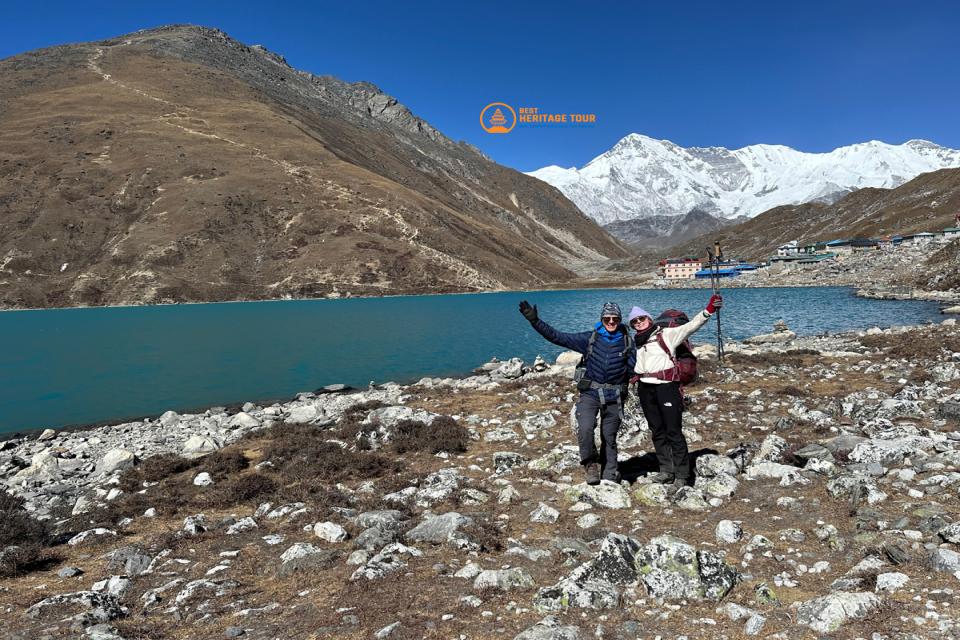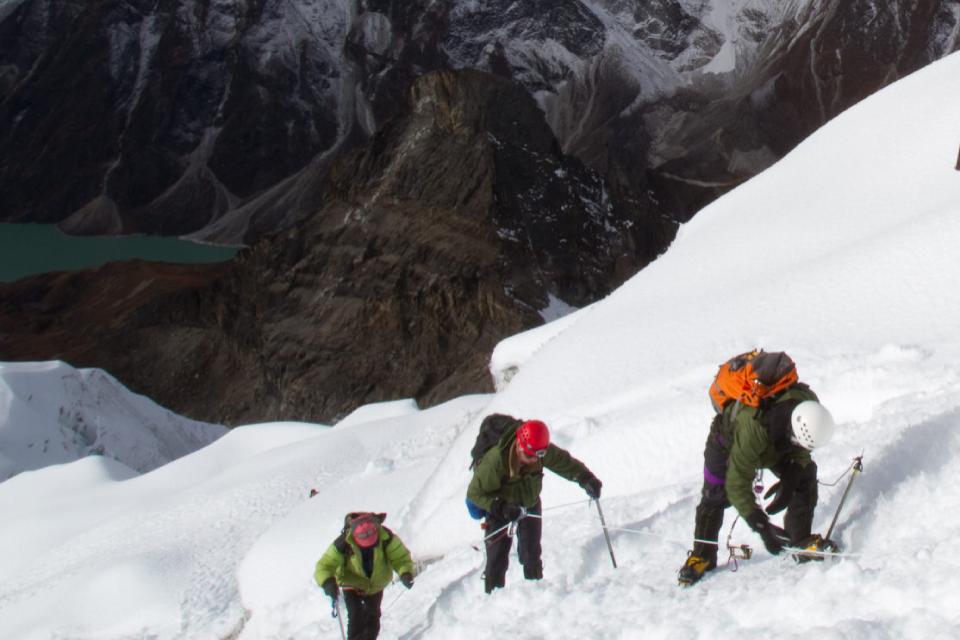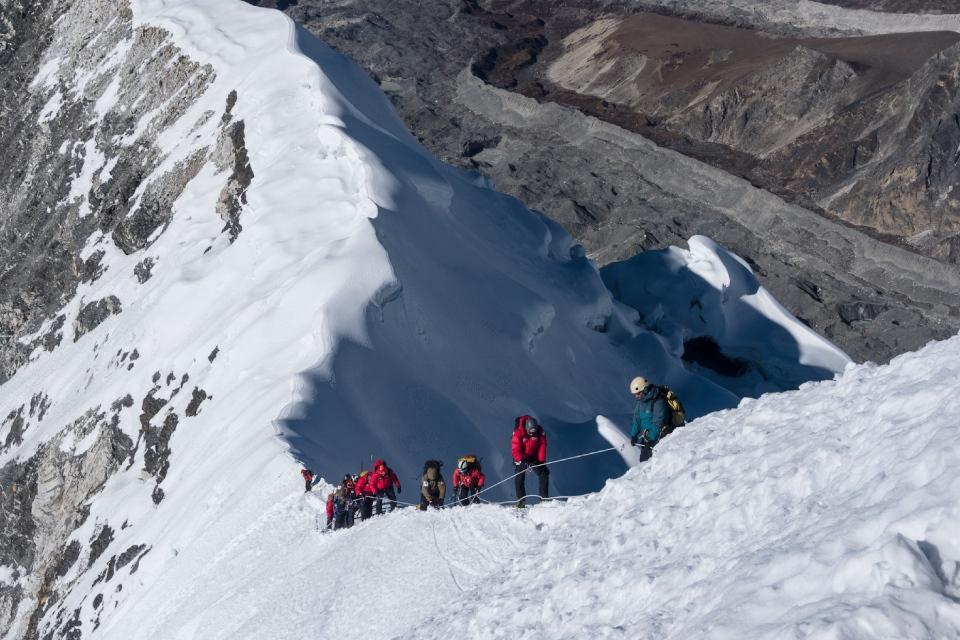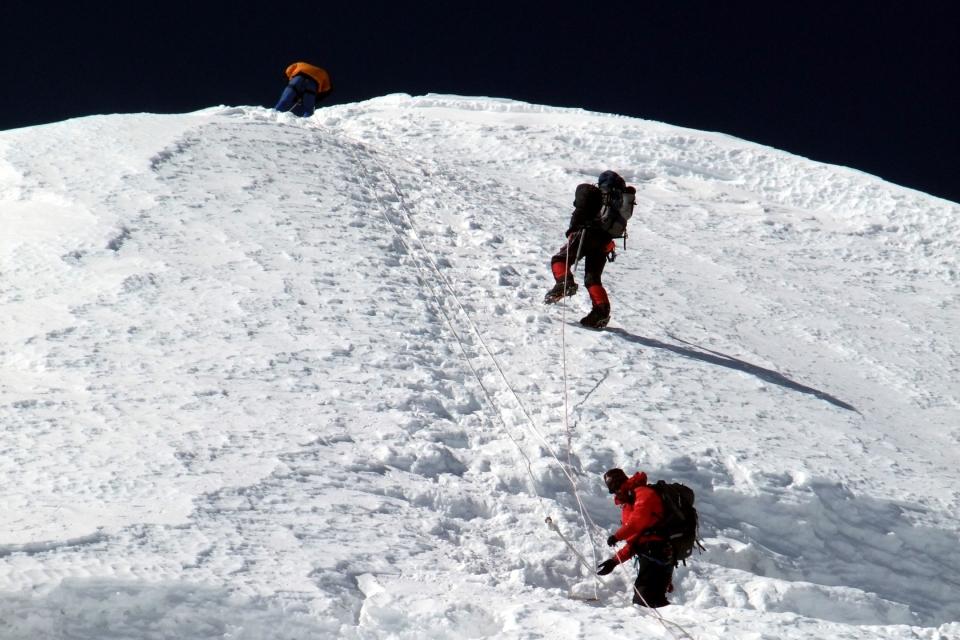
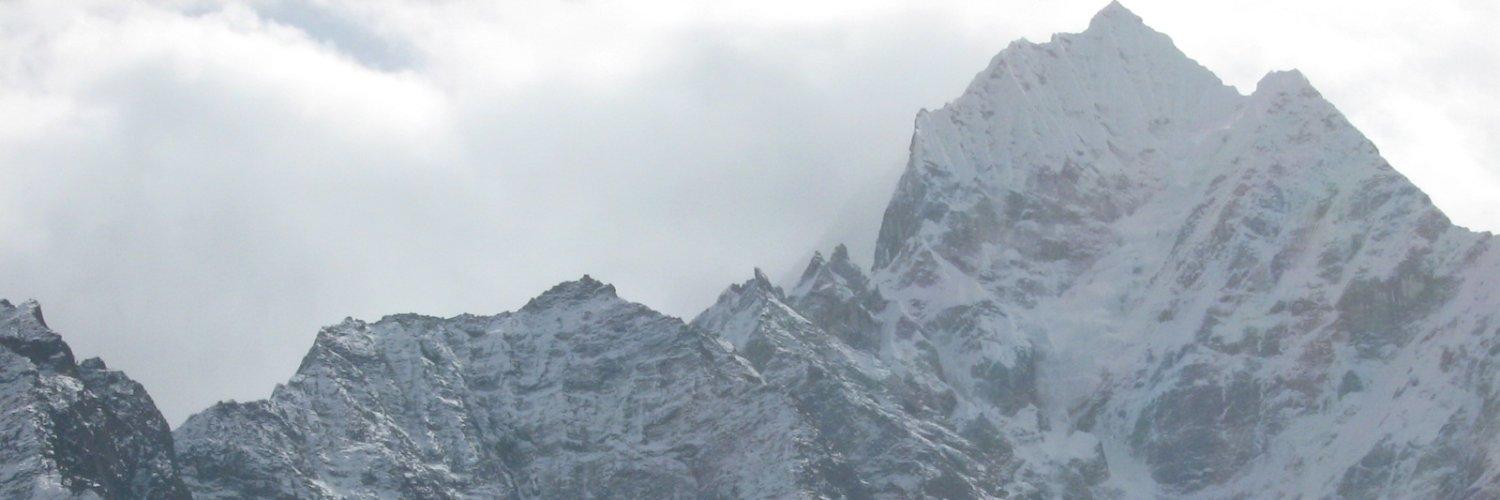
When you imagine climbing in Nepal, you probably picture snow-covered ridges, prayer flags fluttering in the wind, and vast Himalayan panoramas stretching beyond the horizon. But one piece of gear that often gets underestimated - and can make or break your experience - is your eyewear.
Choosing the right mountaineering sunglasses is not just about style or comfort. At high altitude, sunlight intensifies dramatically. Snow reflects ultraviolet radiation upward into your eyes. Dry winds, ice particles, and glare all combine to create serious risks if you’re not properly protected.
Whether you're trekking to Everest Base Camp, climbing Island Peak, or exploring high Himalayan passes, this detailed guide will help you choose the best mountain climbing sunglasses and understand why proper eye protection is essential in Nepal.
As a Nepal-based travel expert working closely with climbers and trekkers through Best Heritage Tour, I’ve seen firsthand how the right sunglasses improve safety, comfort, and overall mountain performance. Let’s dive deep.
Why Sunglasses Are Essential for Peak Climbing in Nepal
Many travelers assume sunscreen alone is enough protection from the sun in the mountains. In reality, your eyes are even more vulnerable than your skin at altitude.
1. UV Exposure Increases With Altitude
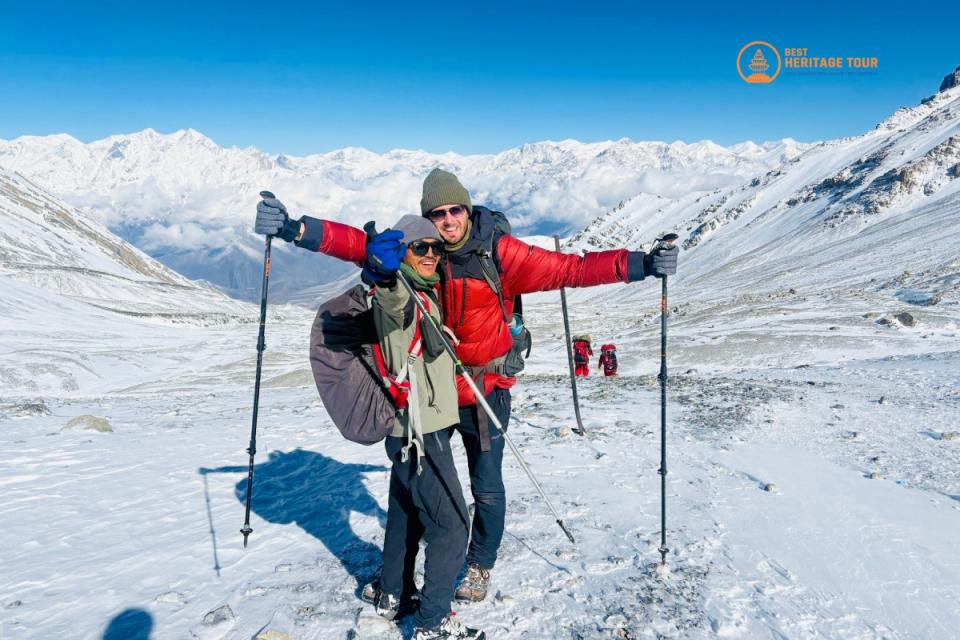
For every 1,000 meters you ascend, UV radiation increases by approximately 10-12%. This means that at Himalayan climbing altitudes, your eyes are exposed to extremely intense sunlight.
Snow reflects up to 80% of UV rays, meaning radiation hits your eyes from both above and below.
Without proper protection, you risk:
-
Snow blindness (photokeratitis)
-
Long-term vision damage
-
Eye inflammation and pain
-
Reduced visibility while climbing
2. Protection From Wind and Ice Particles
Nepal’s high mountains are windy environments. Fine snow crystals and dust can irritate your eyes, reduce visibility, and cause discomfort that affects concentration.
High-quality mountaineering sunglasses act as a protective barrier.
3. Improved Visibility on Snow and Rock
The right lenses reduce glare, improve contrast, and help you read terrain more clearly. This is critical when navigating glaciers, rocky ridges, and steep slopes.
What Makes True Mountaineering Sunglasses Different?
Not all sunglasses are built for extreme altitude. Standard travel eyewear or casual sports sunglasses simply don’t provide adequate protection in high Himalayan conditions.
Here are the essential features of professional mountain climbing sunglasses:
Category 4 UV Protection
This is the gold standard for high-altitude climbing.
-
Blocks 92-97% of visible light
-
Designed for glaciers and extreme brightness
-
Not suitable for driving (but perfect for mountaineering)
If you’re planning climbs like Island Peak, Mera Peak, or high passes in the Everest or Annapurna region, Category 4 lenses are strongly recommended.
Side Shields for Maximum Coverage
Glacier sunglasses feature removable or built-in side shields that block peripheral light. This prevents sunlight from entering from the sides - a common cause of snow blindness.
Polarized or High-Contrast Lenses
These reduce glare from snow and ice while improving terrain definition. Climbers can better identify crevasses, ridges, and footholds.
Wraparound Fit
A secure, close-fitting design prevents wind penetration and keeps sunglasses stable during movement.
Anti-Fog Ventilation
Temperature differences between your face and the environment can cause lens fogging. Mountaineering eyewear includes ventilation systems to maintain clear vision.
Lens Color Guide for Nepal Climbers
Lens color is not just aesthetic - it significantly affects visibility and comfort.
Brown / Amber Lenses
-
Enhance contrast in snowy terrain
-
Reduce glare effectively
-
Ideal for glacier travel
Gray Lenses
-
True color perception
-
Best for bright sunlight
-
Popular among high-altitude trekkers
Yellow / Rose Lenses
-
Better visibility in low light or cloudy conditions
-
Useful for early morning climbs
Many experienced guides recommend carrying one primary lens and one backup option depending on weather conditions.
Mountaineering Sunglasses vs Sunglasses for Mountain Biking
You might wonder if sunglasses for mountain biking can be used for Himalayan trekking. While there is some overlap, there are important differences.
Similarities
-
Impact-resistant lenses
-
Secure fit for movement
-
UV protection
-
Lightweight design
Key Differences
Mountaineering sunglasses provide:
-
Higher UV protection levels
-
Side shields for glacier environments
-
Better wind resistance
-
Superior glare reduction
If you’re searching for the best sunglasses for mountain biking, they can work for low-altitude trekking, but they are not recommended for snow-covered high passes or peak climbing in Nepal.
How to Choose the Best Sunglasses for Trekking in Nepal
Choosing the best sunglasses for trekking in Nepal depends on altitude, terrain, and activity type.
For Moderate Treks (Up to 4,000m)
Examples:
-
Annapurna Base Camp
-
Langtang Valley
-
Ghorepani Poon Hill
Recommended features:
-
Category 3 or 4 lenses
-
Polarized protection
-
Lightweight frame
-
Comfortable nose grip
For High Altitude Treks (4,000m+)
Examples:
-
Everest Base Camp
-
Gokyo Lakes
-
Manaslu Circuit
Recommended features:
-
Category 4 lenses
-
Wraparound design
-
Wind protection
-
Anti-fog technology
For Peak Climbing
Examples:
-
Island Peak
-
Mera Peak
-
Lobuche Peak
Essential features:
-
Glacier sunglasses with side shields
-
Maximum UV blocking
-
Helmet compatibility
-
Secure strap attachment
Common Eye Problems in the Himalayas (And How Sunglasses Prevent Them)
Understanding risks helps you appreciate why proper eyewear is non-negotiable.
Snow Blindness
This is essentially sunburn of the cornea. Symptoms include:
-
Intense pain
-
Temporary vision loss
-
Sensitivity to light
-
Tearing
Prevention: High-quality mountaineering sunglasses with full UV protection.
Dry Eye Syndrome
Cold winds and low humidity dry the eye surface. Sunglasses reduce exposure and maintain moisture.
Long-Term UV Damage
Repeated exposure increases risk of cataracts and vision degeneration. Proper sunglasses provide lifelong eye protection benefits.
Fit and Comfort: Often Overlooked but Crucial
Even the best mountain climbing sunglasses won’t help if they’re uncomfortable.
What to Check
-
Nose pads that don’t slip when sweating
-
Lightweight but durable frame
-
Compatibility with hats and helmets
-
No pressure points behind ears
-
Secure fit during movement
Always test sunglasses while looking up and down - essential for climbing environments.
Durability Matters in Himalayan Conditions
Nepal’s mountain environment is harsh. Equipment faces:
-
Extreme cold
-
Strong winds
-
Dust and debris
-
Frequent handling with gloves
Choose sunglasses with:
-
Scratch-resistant lenses
-
Flexible but strong frames
-
Replaceable parts
-
Protective storage case
Expert Tips From Nepal Mountain Guides
Based on years of guiding trekkers and climbers across the Himalayas, here are practical insights travelers rarely hear before arriving.
-
Carry a Backup Pair: Losing sunglasses on a glacier or ridge is more common than expected. Always carry a spare.
-
Use a Retainer Strap: A simple strap prevents loss in strong winds or technical terrain.
-
Don’t Remove Sunglasses on Snowfields: Even brief exposure can damage eyes at high altitude.
-
Combine With a Hat or Cap: This further reduces overhead glare and improves comfort.
Who Needs Professional Mountaineering Sunglasses?
If your travel plans include any of the following, professional eyewear is strongly recommended:
-
High-altitude trekking
-
Peak climbing
-
Glacier crossings
-
Snow-covered mountain routes
-
Winter trekking in Nepal
-
Long exposure above tree line
Even travelers visiting viewpoints like those facing Mount Everest benefit from proper eye protection due to intense reflection from snow and ice.
Conclusion
Selecting the right mountaineering sunglasses is a critical step in preparing for Nepal peak climbing and high-altitude trekking. From protecting your eyes against intense UV radiation to improving terrain visibility and comfort, quality eyewear is an investment in both safety and experience.
Whether you’re searching for mountain climbing sunglasses, comparing sunglasses for mountain biking, or choosing the best sunglasses for trekking in Nepal, prioritize protection, fit, and durability over style alone.
The Himalayas are breathtaking, but they demand respect and preparation. With proper gear and expert guidance, your journey becomes safer, more comfortable, and far more rewarding.
If you are planning a trekking or peak climbing adventure in Nepal, the experienced team at Best Heritage Tour is ready to assist you with professional guidance, customized itineraries, and full travel support.
Contact Best Heritage Tour today to start planning your Himalayan adventure.
Phone / WhatsApp / Viber: +977-9851149197 / +977-9810043046
Email: info@bestheritagetour.com / bestheritagetour@gmail.com
Website: www.bestheritagetour.com
Office: Thamel Marg, Kathmandu, Nepal
Author: Best Heritage Tour
Date: 6th March, 2026