When preparing for a trek - whether it’s a short hill hike or a multi-day Himalayan adventure - most travelers focus on boots, backpacks, and permits. Clothing often feels like a simple choice. After all, cotton is comfortable, breathable, and widely available. But experienced trekkers and mountain guides consistently warn against it.
So, is cotton clothes bad for trekking?
The short answer many hikers learn the hard way: yes - especially in mountain environments.
If you’re planning a trek in Nepal or anywhere with changing weather, understanding how fabrics behave can make a real difference in comfort, safety, and performance. This guide explains clearly and practically why cotton is discouraged for trekking and what you should wear instead.
Why Is Cotton Bad for Hiking?
Cotton is loved in daily life because it feels soft and natural. But in trekking conditions, its properties work against you. The main issue is moisture management - or rather, the lack of it.
1. Cotton Absorbs Moisture Like a Sponge
During trekking, your body constantly sweats - even in cold weather. Cotton fibers are highly absorbent and can hold up to 27 times their weight in water. That moisture may come from:
-
Sweat from physical exertion
-
Rain or snow
-
River crossings
-
Humid mountain air
Instead of moving moisture away from your skin, cotton traps it. This leads to prolonged dampness, which is uncomfortable and potentially dangerous in high-altitude environments.
2. Cotton Dries Extremely Slowly
One of the biggest problems with cotton clothes during trekking is drying time. Once wet, cotton remains wet for a long period - especially in cold mountain air where evaporation is slow.
Imagine finishing a long uphill climb, sweating heavily, then stopping for a rest. A cotton shirt soaked with sweat will quickly become cold against your skin. That chill can rapidly reduce body temperature.
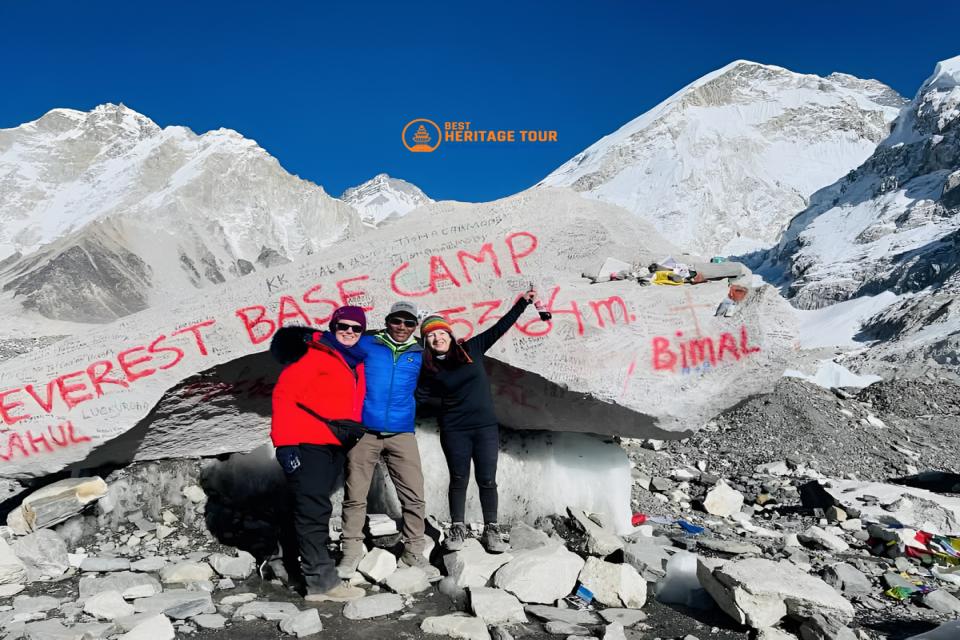
In high-altitude trekking routes like Everest Base Camp or Annapurna Circuit, temperatures drop quickly after sunset. Wearing damp cotton increases the risk of cold stress and hypothermia.
3. Cotton Causes Rapid Heat Loss
Wet cotton removes heat from your body much faster than dry fabric. This happens because water conducts heat away from your skin. When wind is added - common in mountain passes - heat loss accelerates dramatically.
This is why experienced hikers often say:
“Cotton kills” - not because cotton itself is dangerous, but because it contributes to conditions that can lead to hypothermia.
4. Cotton Becomes Heavy and Restrictive
When cotton absorbs moisture, it becomes heavier and loses its shape. A wet cotton T-shirt or pair of pants can feel uncomfortable, cling to your skin, and restrict movement. Over long trekking days, this reduces energy efficiency and overall comfort.
For trekkers carrying backpacks through rugged terrain in the Himalayas, even small discomforts accumulate into fatigue.
Cotton Clothes Effect During Trekking
Understanding the real-life impact of cotton clothing helps trekkers make smarter packing decisions. Here are the most common effects observed in the field.
Persistent Dampness and Chafing
Moist cotton rubbing against skin leads to:
-
Skin irritation
-
Blisters
-
Rashes
-
Chafing in high-friction areas
This is particularly problematic during multi-day treks where skin health directly affects mobility.
Increased Risk of Hypothermia
Hypothermia doesn’t only occur in freezing temperatures. It can happen in cool, wet, windy conditions - exactly the type of environment trekkers often encounter.
When cotton remains wet against the skin, body heat drops steadily. At high altitude, where oxygen levels are already lower, maintaining body warmth becomes even more important.
Reduced Comfort and Morale
Trekking is as much mental as physical. Feeling cold, damp, and uncomfortable drains motivation quickly. A trek that should be enjoyable can become exhausting simply due to poor clothing choices.
Why Do People Hate on Cotton?
Cotton itself isn’t a “bad” fabric. The criticism comes specifically from outdoor and mountaineering communities who prioritize performance and safety.
Here’s why experienced trekkers avoid cotton:
Performance Over Comfort
Cotton feels comfortable when dry - but trekking requires clothing that performs under stress. Technical fabrics are designed to:
-
Wick moisture away from skin
-
Dry quickly
-
Retain warmth when damp
-
Remain lightweight
Cotton does none of these well.
Lessons Learned from Experience
Many hikers start with cotton clothing because it’s familiar and affordable. After experiencing cold, wet discomfort during a trek, they quickly switch to performance fabrics. The negative reputation of cotton comes from real-world experience, not marketing.
Safety in Remote Environments
In urban settings, wearing wet cotton is inconvenient. In remote mountain regions, it can be risky. When medical assistance is hours or days away, prevention is essential.
What Should You Wear Instead of Cotton?
If cotton is not recommended, what should trekkers choose? The answer lies in moisture-wicking and insulating fabrics designed for outdoor conditions.
1. Synthetic Fabrics (Polyester, Nylon, Blends)
Synthetic materials are widely used in trekking clothing because they:
-
Wick sweat away from skin
-
Dry quickly
-
Remain lightweight when wet
-
Provide durability
They are ideal for base layers and active wear.
2. Merino Wool
Merino wool is considered one of the best fabrics for trekking. It offers:
-
Excellent temperature regulation
-
Natural odor resistance
-
Moisture management
-
Warmth even when damp
Despite being wool, it feels soft and comfortable on the skin.
3. Layering System Instead of Single Fabric
Professional trekking guides recommend a layering approach:
-
Base layer → moisture-wicking fabric
-
Mid layer → insulation (fleece or wool)
-
Outer layer → waterproof and windproof
This system allows trekkers to adapt to changing mountain weather efficiently.
Is Cotton Ever Okay for Trekking?
Cotton is not strictly forbidden. It can still be used in limited situations:
-
Casual wear in lodges
-
Warm, dry, low-altitude hikes
-
Sleeping clothes in dry conditions
However, for active trekking days - especially in unpredictable weather - cotton should be avoided.
Practical Example from Nepal’s Trekking Trails
Trekking in Nepal presents diverse environmental conditions within a single journey. A trek starting from Kathmandu may begin in warm weather, pass through humid forests, and reach freezing alpine zones within days.
A cotton shirt that feels comfortable in lower elevations can quickly become a liability at higher altitude. Guides and porters working with Best Heritage Tour regularly advise trekkers to choose moisture-wicking clothing for safety and comfort.
This advice is not about luxury gear - it’s about preparedness.
Quick Comparison: Cotton vs Trekking Fabrics
|
Feature |
Cotton |
Synthetic / Merino |
|---|---|---|
|
Moisture absorption |
High |
Low |
|
Drying time |
Slow |
Fast |
|
Warm when wet |
No |
Yes |
|
Weight when wet |
Heavy |
Light |
|
Best use |
Casual wear |
Active trekking |
Key Takeaways for Trekkers and Travelers
-
Cotton traps moisture and stays wet for long periods.
-
Wet cotton accelerates heat loss and increases cold risk.
-
Synthetic and merino fabrics improve comfort and safety.
-
Layering is more important than fabric thickness.
-
Smart clothing choices enhance trekking experience significantly.
Conclusion
Choosing the right clothing for trekking is not just about comfort - it is about safety, performance, and enjoyment. While cotton is a great fabric for everyday wear, it performs poorly in trekking conditions where moisture, temperature changes, and physical exertion are constant factors.
Understanding why cotton clothes are bad for trekking helps travelers prepare better and avoid preventable discomfort. Whether you are planning a beginner-friendly hike or a high-altitude Himalayan journey, investing in proper trekking clothing ensures you stay warm, dry, and energized throughout your adventure.
Plan Your Trek with Experts
If you are preparing for a trekking adventure and want professional guidance on packing, routes, and safety, connect with Best Heritage Tour.
They offer expert-led trekking experiences, personalized itineraries, and reliable support across Nepal’s most iconic trails.
Contact Best Heritage Tour
Phone / WhatsApp / Viber: +977-9851149197 / +977-9810043046
Email: info@bestheritagetour.com / bestheritagetour@gmail.com
Website: www.bestheritagetour.com
Office: Thamel Marg, Kathmandu, Nepal
Start your journey prepared, confident, and ready for the mountains.
Author: Best Heritage Tour
Date: 3rd March, 2026