For the modern traveler, Nepal is often synonymous with the towering giants of Everest or the sweeping circuits of Annapurna. But for those who seek more than just a summit - for those who seek soul, silence, and a connection to an ancient way of life - there is a secret tucked away just north of Kathmandu.
Welcome to the Hyolmo Valley, the ancestral home of the Hyolmo people and one of the most spiritually significant landscapes in the Buddhist world. Known locally as Yolmo, this valley is a treasure trove of high-altitude forests, emerald-green ridges, and monasteries that have stood as sentinels of faith for centuries.
In this guide, we at Best Heritage Tour will walk you through everything you need to know: from the valley’s precise location to its mystical history and the practicalities of trekking through its heart.
Where is Hyolmo Valley Located?
One of the greatest ironies of the Hyolmo Valley is its proximity to the bustling capital of Nepal. While it feels worlds away from the 21st century, it is geographically one of the closest trekking regions to Kathmandu.
Geographical Coordinates and Region
The Hyolmo Valley is situated in the Sindhupalchowk District of Nepal, within the Bagmati Province. It lies approximately 30 to 50 air kilometers north of the Kathmandu Valley. The region is bordered by:
-
North: The Langtang National Park and the rugged peaks of the Langtang Himal.
-
East: The Jugal Himal range and the massive Dorje Lakpa (6,966m).
-
South: The Shivapuri Nagarjun National Park.
-
West: The Tadi Khola and the ridges leading toward the Ganesh Himal.
Accessibility: The Gateway to the North
Unlike the Everest region, which requires a flight to the world’s most dangerous airport in Lukla, the Hyolmo Valley is accessible by road. Most journeys begin from Sundarijal (at the northern edge of Kathmandu) or via a scenic drive to Melamchi or Timbu. This makes it an ideal destination for travelers who want to avoid domestic flights while still experiencing the grandeur of the Himalayas.
The Sacred Concept of Beyul: The Hidden Valley
To understand the Hyolmo Valley, you must understand the concept of a Beyul. In Tibetan Buddhism, a Beyul is a "hidden land" or a sacred sanctuary.
According to ancient scriptures, Guru Rinpoche (Padmasambhava), the 8th-century master who brought Buddhism to Tibet, consecrated several valleys across the Himalayas as refuges. These spots were meant to be discovered by high-realization practitioners during times of war, famine, or religious persecution.
The Hyolmo Valley is famously known as Beyul Yolmo Gangra. It is said that the physical landscape itself is a manifestation of a mandala. The mountains are not just rocks; they are the abodes of protectors. The caves are not just holes in the earth; they are sites where masters attained enlightenment. When you trek here with us at Best Heritage Tour, you aren't just hiking; you are performing a pilgrimage.
The People: Who are the Hyolmo?
The inhabitants of this valley are the Hyolmo people (also spelled Yolmo). While often grouped under the "Sherpa" umbrella by casual observers, the Hyolmo are a distinct indigenous ethnic group with their own language, dress, and cultural nuances.
A Heritage of Faith
The Hyolmo culture is deeply intertwined with Nyingma Buddhism. Most villages, such as Tarkeghyang and Melamchi Gaon, are centered around a Ghyang (monastery). Historically, the Hyolmo were known as forest-dwellers and meditators, living in harmony with the high-altitude rhododendron and oak forests.
Traditional Architecture
As you walk through villages like Sermathang, you will notice the unique architecture. Traditional Hyolmo houses are built of stone with beautifully carved wooden windows and doors. The flat roofs are often used for drying agricultural products like barley, maize, and red chilies, creating a vibrant mosaic of colors against the mountain backdrop.
Why Trek to Hyolmo Valley? (The Highlights)
If you are wondering why you should choose the Hyolmo Valley over more famous routes, here are the "insider" reasons from our trekking guides:
1. The Proximity-to-Wilderness Ratio
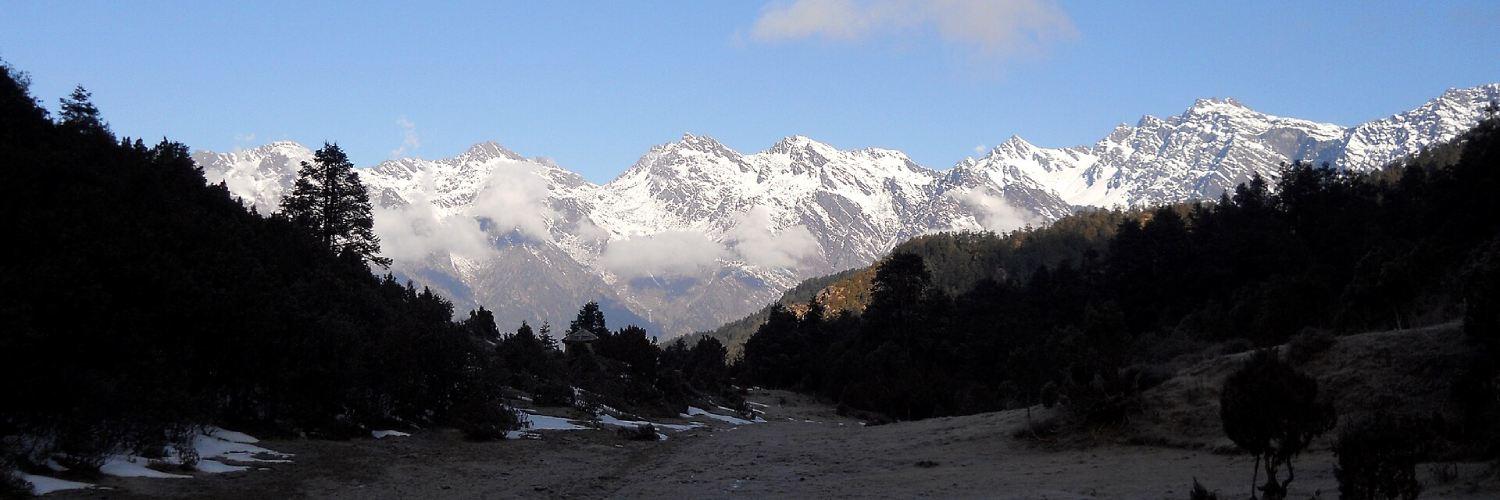
In just two days of walking from the edge of Kathmandu, you can find yourself in a pristine forest where the only sound is the whistling of the wind through the pines. It offers the fastest "immersion" into the Himalayan wilderness available in Nepal.
2. Aama Yangri: The Protector Goddess
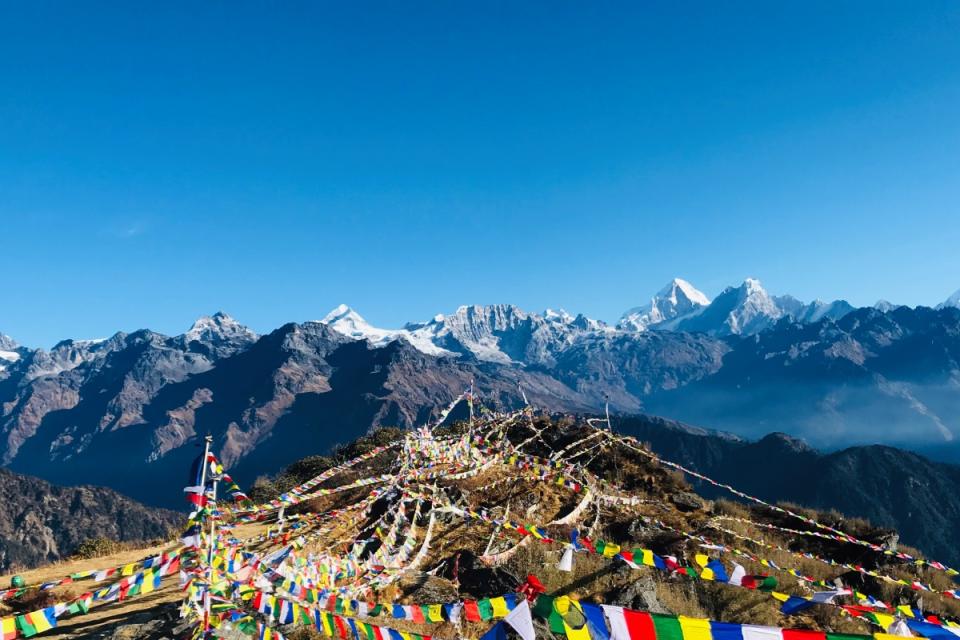
The spiritual heart of the valley is Aama Yangri, a peak standing at 3,771 meters. To the local people, this mountain is the residence of a female protector deity. The 360-degree view from the top is unparalleled, offering views of Mt. Everest, Lhotse, Langtang Lirung, and the Ganesh Himal.
3. The Meditation Caves of Guru Rinpoche
Hidden within the valley are several caves where Guru Rinpoche is said to have meditated. The most famous is located near Melamchi Gaon. Stepping into these caves, smelling the butter lamps, and hearing the distant chanting of monks is an experience that stays with you forever.
4. Rhododendron Forests
During the spring (March and April), the hillsides of the Hyolmo Valley turn into a literal painting. The national flower of Nepal, the Rhododendron, blooms in shades of crimson, pink, and white.
The Trekking Route: A Classic Itinerary
At Best Heritage Tour, we recommend a 7 to 9-day circuit to truly soak in the atmosphere. Below is a standard breakdown of how we explore the Hyolmo Valley.
Phase 1: The Ascent from Sundarijal
The trek begins at Sundarijal. You climb up through the Shivapuri National Park, passing through lush watersheds and waterfalls. The first night is usually spent in Chisapani, where, on a clear morning, the entire Himalayan range reveals itself in a golden sunrise.
Phase 2: The Ridge Walk to Kutumsang
From Chisapani, the trail follows a high ridge. You aren't stuck in a deep gorge; you are walking on the "spine" of the hills. This section provides constant views of the mountains to the north and the rolling hills of the south.
Phase 3: Entering the Sacred Zone (Tharepati to Melamchi Gaon)
Crossing the Tharepati Pass (3,650m) is the physical highlight of the trek. From here, the trail drops steeply into the "Sacred Valley" properly. You descend through ancient forests into Melamchi Gaon, a beautiful village that feels like it has been preserved in amber.
Phase 4: The Cultural Hub (Tarkeghyang and Sermathang)
Tarkeghyang is the largest and most famous village in the region. It is home to one of the oldest monasteries in the area. The trail then winds toward Sermathang, known for its apple orchards and its welcoming community.
Best Time to Visit Hyolmo Valley
Timing is everything in the Himalayas. Because the Hyolmo Valley is at a lower average altitude than the Everest region, it is more accessible year-round, but each season offers a different "flavor."
Spring (March - May): The Season of Life
-
Pros: Rhododendrons in full bloom, mild temperatures, clear mornings.
-
Cons: Can be a bit hazy in the afternoons.
-
Guide’s Tip: This is the best time for photography and bird watching.
Autumn (September - November): The Golden Window
-
Pros: Exceptional visibility, crisp air, and the most stable weather. Most of Nepal’s major festivals fall in this window.
-
Cons: The most popular time, so teahouses are busier.
-
Guide’s Tip: If you want that "perfect" shot of Aama Yangri with a deep blue sky, go in October.
Winter (December - February): The Quiet Solitude
-
Pros: No crowds, very clear skies, and a chance to see the valley under a blanket of snow.
-
Cons: Nights are freezing (dropping to -10°C or lower).
-
Guide’s Tip: Great for "introverted" trekkers. Just make sure you have a high-quality down sleeping bag!
Monsoon (June - August): The Greenery
-
Pros: The waterfalls are spectacular, and the valley is incredibly lush.
-
Cons: Leeches on the trail and clouds obscuring the mountain views.
-
Guide’s Tip: Not recommended for first-time trekkers, but great for botanists.
Essential Travel Tips for Hyolmo Valley
As a professional company, we want you to be prepared. Here are the "Ground Truth" tips for your journey:
-
Permits: You will need the Langtang National Park Entry Permit and the Shivapuri National Park Permit. We handle all of this for our guests at Best Heritage Tour.
-
Hydration: Even though it’s cooler, the dry mountain air dehydrates you quickly. Drink at least 3-4 liters of water a day.
-
Respect the Culture: When visiting monasteries, always walk clockwise around stupas and mani walls. Ask for permission before taking photos of people or the interiors of shrines.
-
Packing: Layers are key. You will be sweating during the day in the sun and shivering at night. A good windcheater and a fleece jacket are non-negotiable.
Conclusion
The Hyolmo Valley is more than a destination on a map; it is a testament to the resilience of Himalayan culture and the enduring power of sacred spaces. Whether you are standing on the windy summit of Aama Yangri or sharing a cup of salt-butter tea with a local family in Tarkeghyang, you will feel a sense of peace that is hard to find anywhere else on earth.
Don't just visit Nepal - experience its heart. Let the mists of the Yolmo hills rejuvenate your spirit and the ancient chants of the monasteries bring you clarity.
Ready to Explore the Hidden Valley?
At Best Heritage Tour, we don't just sell packages; we share our home. Our expert guides are ready to lead you through the "Beyul" with safety, expertise, and a deep respect for the heritage that makes this valley unique.
Phone / WhatsApp / Viber: +977-9851149197 / +977-9810043046
Email: info@bestheritagetour.com / bestheritagetour@gmail.com
Website: www.bestheritagetour.com
Office: Thamel Marg, Kathmandu, Nepal
Author: Best Heritage Tour
Date: 17th April, 2026