The Himalayas are changing. While the legendary trails of Everest and Annapurna now boast heated lodges and espresso machines, the true spirit of Himalayan exploration - the raw, unscripted, and silent beauty of the mountains - has moved further into the wild.
At Best Heritage Tour, we’ve spent decades navigating the rugged ridges and hidden valleys of Nepal. We’ve watched the world fall in love with our classic routes, but we’ve also seen the "adventure" in adventure travel begin to dilute. That is why we are seeing a massive resurgence in High Altitude Camping Treks in Nepal.
If you are a traveler who seeks the rustle of a tent fly in the wind rather than the creak of a lodge floorboard, and if "off the beaten trail" is your primary compass setting, this guide is for you. Below, we dive deep into the most prestigious, challenging, and rewarding camping expeditions remaining in the world.
Why Choose Camping Treks Over Teahouse Lodging?
Before we explore the list of High Altitude Camping Treks in Nepal, it’s important to understand the fundamental shift in experience.
1. True Solitude and "The Last Frontier"
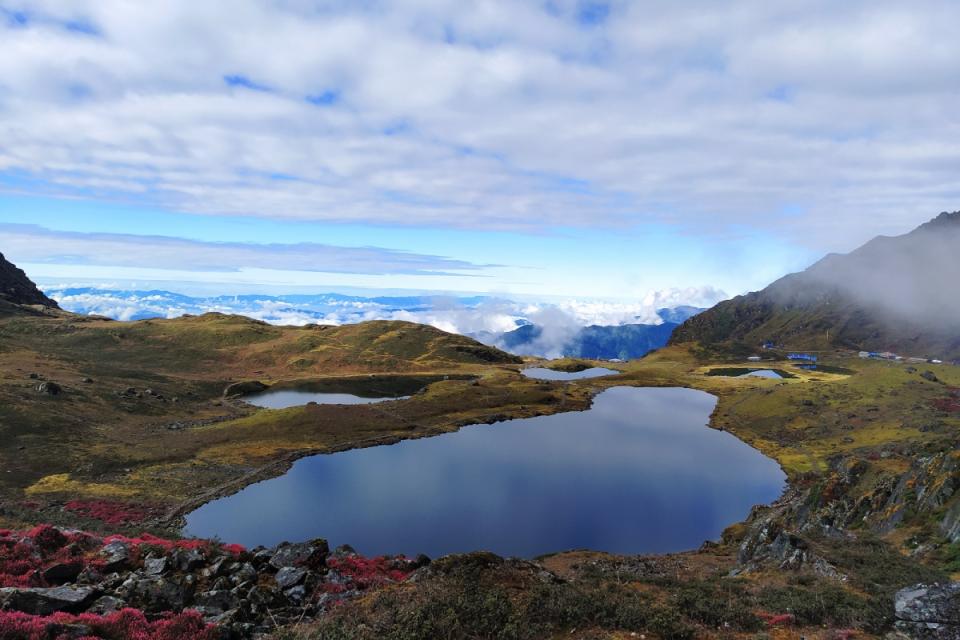
In regions like Upper Dolpo or the Dhaulagiri Circuit, there are no villages for days. Teahouses simply cannot exist where there is no permanent human settlement. A camping trek allows us to place you in the heart of the wild - sleeping on glaciers, beside turquoise alpine lakes, and under the shadow of 8,000-meter giants without another group in sight.
2. Gourmet Wilderness Dining
There is a common misconception that camping means "roughing it" with food. At Best Heritage Tour, our camping expeditions include a full kitchen crew. You’ll be surprised to find that a three-course meal, freshly baked bread, and organic Nepalese coffee are standard even at 5,000 meters.
3. Total Flexibility
Teahouse trekking dictates your itinerary based on where the next lodge is located. Camping trekking gives us the freedom to stop whenever the light is perfect for photography or whenever a hidden meadow calls for a rest day.
The Definitive List of High Altitude Camping Treks in Nepal
For the 2026-2027 season, these are the routes that define "Wild Nepal." These are not mere hikes; they are full-scale expeditions requiring logistics, grit, and a thirst for the unknown.
1. Upper Dolpo Circuit Trek: The Land of the Snow Leopard
The Upper Dolpo Circuit trek is often cited as the "Holy Grail" of Himalayan trekking. Located in the rain shadow of the Dhaulagiri range, this region feels like a time capsule. It is a high-altitude desert, culturally Tibetan, and geographically surreal.
-
Duration: 24-28 Days
-
Max Altitude: Kang La Pass (5,360m)
-
Highlight: Phoksundo Lake - the deepest and most vibrant blue lake in Nepal - and the ancient Shey Gompa (The Crystal Mountain).
Walking through Upper Dolpo is like stepping into Peter Matthiessen's The Snow Leopard. The trails are narrow, the passes are steep, and the villages like Saldang and Tinje are some of the highest inhabited places on Earth. Because the infrastructure is non-existent, a fully supported camping setup is the only way to experience this region safely.
2. Dhaulagiri Circuit Trek: Walking on Glaciers
For those who find the Annapurna Circuit too "busy," the Dhaulagiri Circuit trek is the answer. This is arguably the most demanding trek in Nepal that doesn't involve technical climbing.
-
Duration: 18-21 Days
-
Max Altitude: French Pass (5,360m) and Dhampus Pass (5,240m)
-
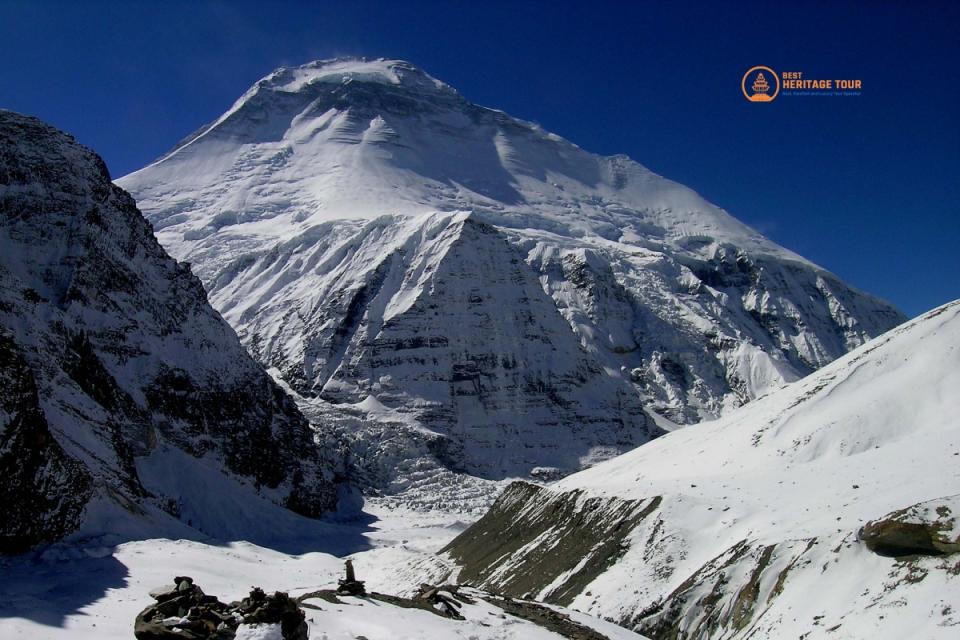
Highlight: Camping at the "Italian Base Camp" and the "Dhaulagiri Base Camp" on the glacier itself.
The Dhaulagiri Circuit is a massive horseshoe-shaped journey around the world’s seventh-highest mountain. You will spend several days walking and sleeping on ice. It requires peak physical fitness and a high tolerance for cold, but the reward is a 360-degree view of the Annapurna and Dhaulagiri massifs that few humans ever see.
3. Jugal Himal Base Camp Trek: The Hidden Gem Near Kathmandu
The Jugal Himal Base Camp trek is the newest "hotspot" for off-the-beaten-path lovers. Despite being relatively close to Kathmandu, it remained largely unexplored by commercial groups until recently.
-
Duration: 10-14 Days
-
Max Altitude: Jugal Base Camp (Approx. 4,700m)
-
Highlight: The Five Sacred Lakes (Panch Pokhari) and the untouched biodiversity of the Sindhupalchok region.
This trek is perfect for those who have limited time but still want a full camping experience. You’ll traverse through lush rhododendron forests, climb into alpine meadows, and eventually reach the glacial moraines of the Jugal range. It’s a raw, authentic glimpse into the "Mid-Hills" of Nepal that have yet to be commercialized.
Logistics and Preparation: What You Need to Know
Physical Training for High Altitude
A camping trek is more taxing than a teahouse trek. Why? Because you aren't just walking; you are living in the elements 24/7. We recommend a 12-week training program focusing on:
-
Cardiovascular Endurance: Long-distance hiking, running, or cycling.
-
Strength Training: Core and leg strength are vital for the steep descents.
-
Mental Resilience: High-altitude camping requires patience and a positive mindset when the temperature drops.
The Best Heritage Tour Difference: Safety First
In remote regions like Dolpo or Dhaulagiri, there is no "easy exit." At Best Heritage Tour, our safety protocols are industry-leading:
-
Oxygen & Medical Kits: Every camping group carries supplemental oxygen and a comprehensive medical kit (including PAC bags if necessary).
-
Satellite Communication: We stay in touch with our Kathmandu base via satellite phone, ensuring we can coordinate helicopter evacuations in hours, not days.
-
Expert Guides: Our guides aren't just navigators; they are wilderness first-responders with years of experience in high-altitude physiology.
Essential Gear for High Altitude Camping
While we provide the heavy gear (tents, kitchen equipment, mattresses), your personal gear is your lifeline.
-
Sleeping Bag: Rated to at least -20°C (-4°F).
-
Footwear: Broken-in, waterproof leather or synthetic trekking boots.
-
Layering: Merino wool base layers, a heavy down jacket, and a GORE-TEX outer shell.
-
Hydration: Water purification tablets or a high-quality filter (UV filters work well in the cold).
Choosing the Right Time to Go
The window for High Altitude Camping Treks in Nepal is narrower than for lower-altitude routes.
-
Spring (March to May): Best for blooming rhododendrons and seeing the mountains emerge from winter.
-
Autumn (Late September to November): The "Gold Standard." Crystal clear skies and stable weather, though nights are colder.
-
Monsoon/Winter: Generally not recommended for high-altitude camping due to avalanche risks and impassable passes.
Conclusion
The mountains are calling, but they require respect. A camping trek through the remote corners of Nepal is more than just a holiday - it is a life-altering experience that strips away the noise of the modern world and replaces it with the rhythmic crunch of boots on snow and the vastness of the Milky Way.
At Best Heritage Tour, we don't just lead the way; we share the journey. We invite you to step off the map and into the heart of the Himalayas.
Ready to Book Your Ultimate Adventure?
Whether you have your sights set on the rugged Dhaulagiri Circuit or the spiritual silence of Upper Dolpo, our team is ready to craft your custom itinerary.
Phone / WhatsApp / Viber: +977-9851149197 / +977-9810043046
Email: info@bestheritagetour.com / bestheritagetour@gmail.com
Website: www.bestheritagetour.com
Office: Thamel Marg, Kathmandu, Nepal
Author: Best Heritage Tour
Date: 15th April, 2026