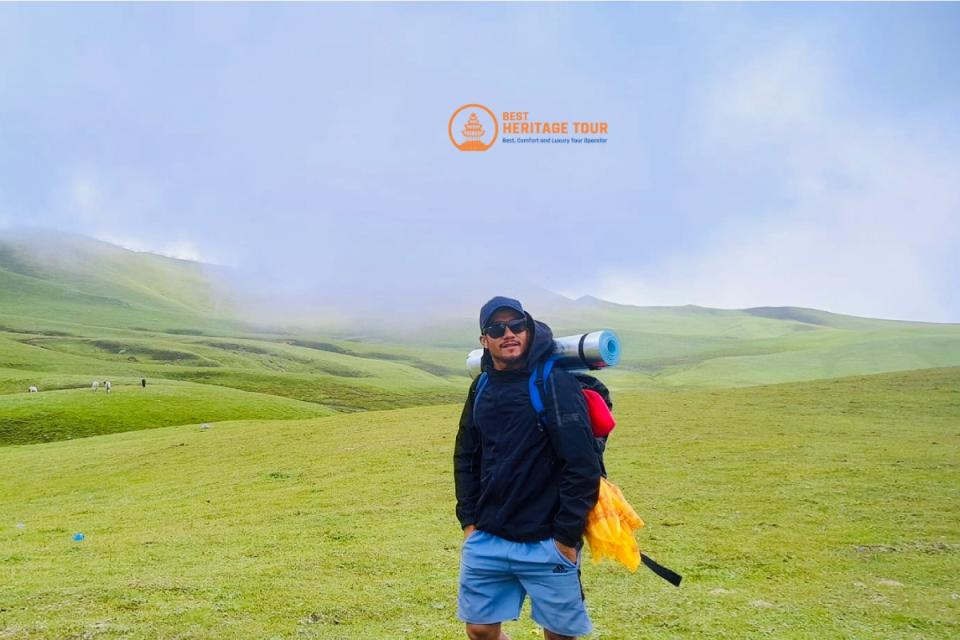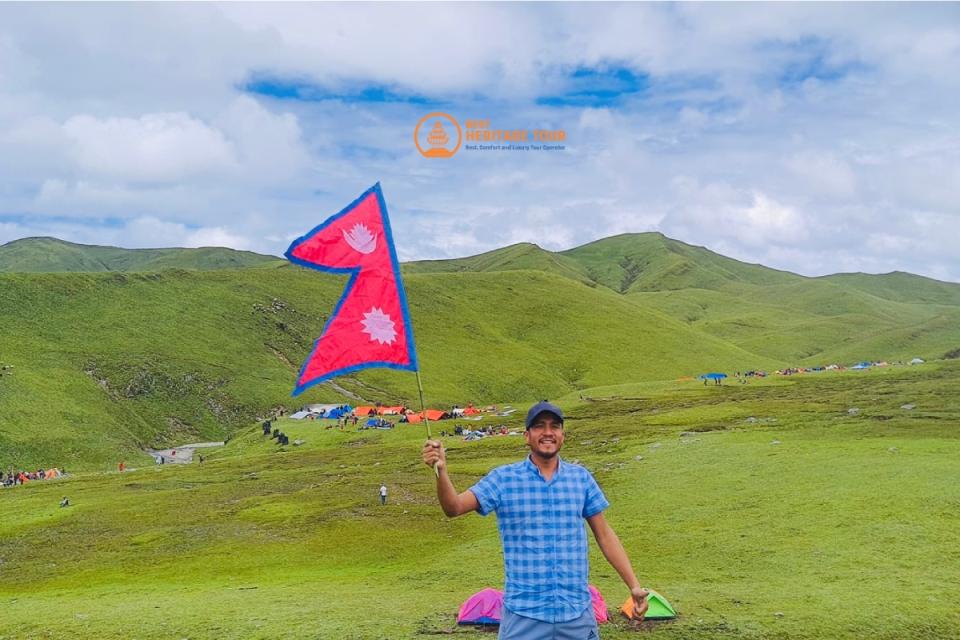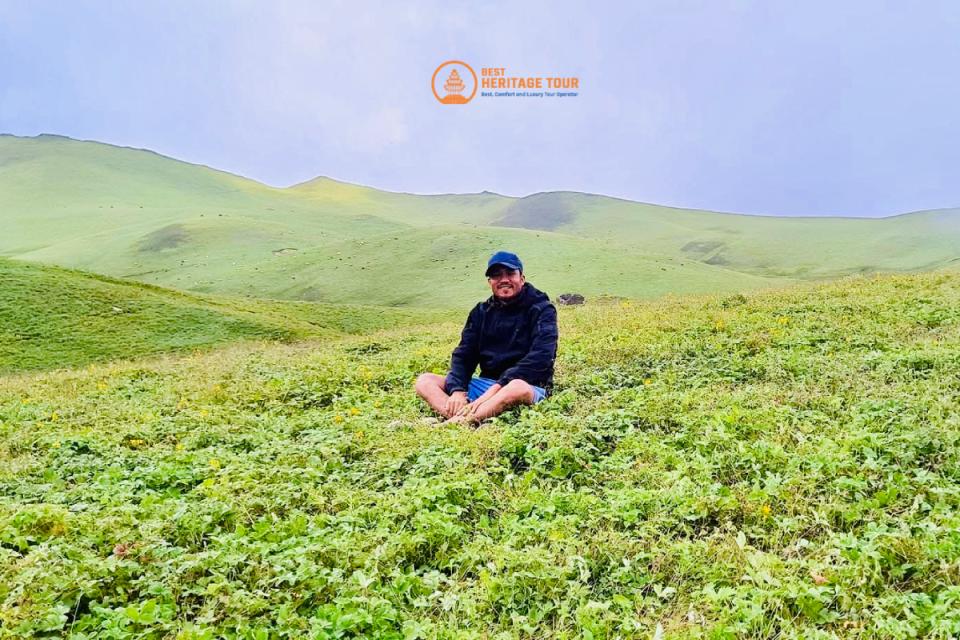
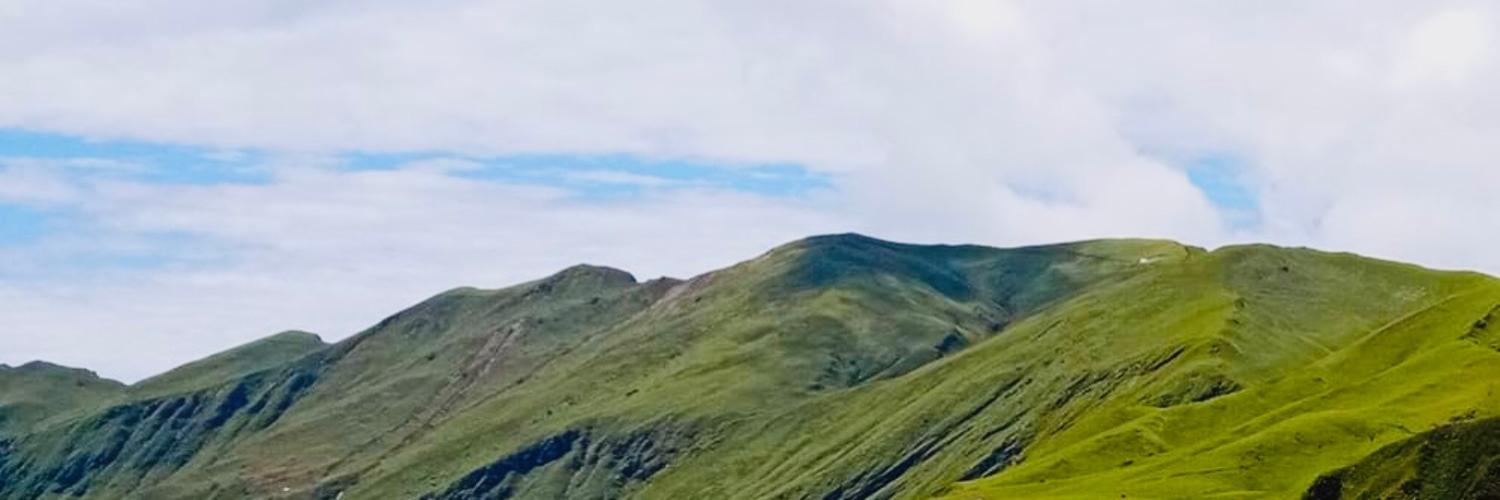
Deep within the rugged, untamed frontiers of Sudurpashchim Province lies one of Nepal’s best-kept secrets: the sacred alpine realm of Badimalika. Perched majestically at an altitude of 4,200 meters in the Bajura District, the Badimalika Temple is not merely a destination; it is an ethereal tapestry of boundless grasslands, mist-shrouded ridges, and profound spiritual energy. This off-the-beaten-path sanctuary offers a raw, authentic encounter with the natural and cultural soul of Wild West Nepal.
However, planning a journey to this remote sanctuary requires precision. Because the region remains largely undeveloped, lacking the luxurious tea houses of central Nepal, timing your expedition is the single most important factor determining your safety, comfort, and overall experience.
As a professional travel agency specializing in curating authentic Himalayan expeditions, Best Heritage Tour has mapped every ridge, pasture, and river crossing of this territory. In this comprehensive guide, we will break down exactly why the Best Time for Badimalika Trek falls during a very specific window, why a Badimalika Trek in Monsoon offers an unparalleled visual reward, and how you can immerse yourself in the mystical Janai Purnima Festival in Badimalika Temple.
The Verdict: When is the Absolute Best Time for Badimalika Trek?
While most traditional trekking routes in Nepal crown Autumn (September to November) and Spring (March to May) as the undisputed peak seasons, Badimalika rewrites the rules.
Our Expert Recommendation: For the ultimate, life-changing experience, the absolute Best Time for Badimalika Trek is during the late monsoon season, specifically in August.
While this might shock conventional trekkers who dread the Himalayan rainy season, Badimalika during this window undergoes a supernatural metamorphosis. The monsoon rains transform the sprawling highlands into a vibrant, neon-green paradise blanketed in millions of blooming alpine wildflowers. Simultaneously, this seasonal peak perfectly aligns with the grandest cultural event of the far-western region: the annual Janai Purnima Festival in badimalika Temple.
To help you decide which version of Badimalika fits your travel style, let us explore the seasons in deep detail.
1. Badimalika Trek in Monsoon (June to August): The Visual & Cultural Pinnacle
Choosing to embark on a Badimalika Trek in Monsoon requires grit, preparation, and an appetite for true adventure - but the rewards are entirely unmatched by any other season.
The Magic of the Triveni Patan and High Meadows
By July and August, the persistent rain has washed away every speck of dust, painting the entire landscape in shades of green so vivid they look surreal. The endless rolling hills of Triveni Patan stretch out like a colossal, velvet carpet under a shifting sky of dramatic monsoon clouds.
Thousands of unique medicinal herbs and vibrant alpine wildflowers bloom simultaneously, filling the crisp mountain air with a sweet, hypnotic fragrance. Local herders from Bajura, Achham, and Kalikot drive thousands of sheep, goats, and horses up to these high pastures, creating a pastoral scene that feels completely disconnected from the 21st century.
The Spiritual Epicenter: Janai Purnima Festival in Badimalika Temple
The ultimate crescendo of the monsoon season occurs during the full moon day of the Hindu month of Shrawan (which falls in August). During this time, the remote silence of Badimalika explodes into a vibrant, spiritual hub as thousands of devout pilgrims from all over Nepal and neighboring India make the grueling ascent.
-
The Ritual Baths at Triveni Dham: Before ascending to the main shrine, pilgrims gather at the confluence of Triveni Dham. In the freezing dawn light, devotees take a holy dip in the sacred waters to purify their souls, wash away lifetimes of sins, and pay homage to their ancestors through Shraddha rituals.
-
The Shamanistic Spectacle: One of the most mesmerizing sights during the festival is the gathering of hundreds of Dhami-Jhakris (traditional Himalayan Shamans). Clad in long white robes, heavy brass bells, and elaborate peacock-feather headgear, they perform rhythmic, trance-like dances to the beat of traditional drums under the glowing full moon.
-
The Sacred Thread Exchange: High-caste Hindu men (Brahmins and Chhetris) perform the sacred Yagyopavita ceremony, replacing their annual holy thread (Janai) with a new one, symbolizing a spiritual rebirth of mind, speech, and body. For non-pilgrims, local priests tie a colorful protective thread (Doro) around the wrist for good fortune.
-
Cultural Immersion: The temple courtyard transforms into a stage for ancient, living folklore. You will witness locals performing traditional far-western dances like Deuda, Hudkeuli, Bhuwo, and Thadi, singing poetic verses that echo across the mountain ridges.
The Challenges of a Monsoon Expedition
We practice radical transparency with our travelers: a monsoon trek here is not a walk in the park. The overland driving routes from Dhangadhi or Nepalgunj to Martadi can face delays due to mud and landslides. The trails can be slick and muddy, and leeches are a common companion in the lower forest zones. Because there are no commercial hotels on the upper trail, high-quality, waterproof camping gear is mandatory.
At Best Heritage Tour, we mitigate these risks by using heavy-duty, double-layered waterproof tents, seasoned local guides who know safe alternative paths, and private 4x4 jeeps to navigate the rugged roads of Sudurpashchim.
2. Autumn (September to November): The Peak of Clarity and Stability
If the raw intensity of a monsoon pilgrimage feels a bit too daunting, the post-monsoon autumn season stands as an exceptional alternative.
Why Autumn is Ideal for Photography and Panoramic Views
As September transitions into October, the monsoon rains recede, leaving behind an exceptionally clean, crisp atmosphere. This is the season of unparalleled structural clarity.
If you stand atop the Badimalika hill (4,200m) at sunrise during October, you will be treated to sweeping, unobstructed, 360-degree panoramas of the snow-capped Api and Saipal Himalayan ranges glittering like white gold in the morning sun. The weather remains highly stable, with warm, sun-drenched days and clear, starlit nights perfect for astrophotography over the dark silhouettes of the Patans.
The Shift in Landscape
While the grass slowly transitions from vibrant emerald green to a golden, rustic amber hue, the walking conditions become significantly easier. The trails dry up, mud disappears, and the risk of landslides drops to zero, making it a much more physically comfortable trek for standard backpackers. Furthermore, this period coincides with Nepal's grandest national festivals, Dashain and Tihar, giving you a chance to experience heartwarming festive hospitality in the lower villages like Jadanga and Budha Krodh.
3. Spring (March to May): The Rhododendron Revolution
Spring is the season of rebirth in the lower and middle elevations of the Badimalika trekking route.
A Symphony of Colors
During April and May, the sub-alpine forests of Bajura burst into a brilliant symphony of red, pink, and white as the native rhododendron trees (Lali Gurans) come into full bloom. The trekking temperatures are incredibly pleasant - not too cold at night, and beautifully mild during the day.
As you ascend past the forest line toward the high camps like Bhito and Triveni, you will see the lingering winter snow gradually melting away, giving way to fresh, bright green shoots of grass.
Wildlife Encounters
Spring is also the finest window for biodiversity enthusiasts. The region forms a vital ecological corridor adjacent to Khaptad National Park, home to rare fauna. Walking quietly through the spring forests, you stand an excellent chance of spotting Nepal's national bird, the multi-colored Danfe (Himalayan Monal), alongside Kalij pheasants, barking deer, Himalayan gorals, and if you are incredibly lucky, signs of the elusive red panda or musk deer.
4. Winter (December to February): The Frozen, Forbidden Wilderness
We explicitly advise against planning a standard trek to Badimalika during the deep winter months.
By mid-December, heavy snowfall completely blankets the upper ridges from Bhito up to the Badimalika Temple. Temperatures drop well below freezing, and the fierce, howling Himalayan winds make camping on the exposed grasslands incredibly hazardous. The local herders completely evacuate the mountains, meaning there is absolutely no local support system, and the trail markings are entirely buried under thick sheets of ice and snow.
This season is strictly reserved for extreme, elite winter mountaineers equipped with specialized alpine survival gear, ice axes, and crampons.
Comparative Overview of Seasons for Badimalika
|
Feature / Season |
Monsoon (June - August) |
Autumn (Sept - November) |
Spring (March - May) |
Winter (Dec - February) |
|---|---|---|---|---|
|
Scenery & Landscape |
Surreal neon-green meadows; millions of blooming wildflowers. |
Golden, rustic rolling hills; crystal clear blue skies. |
Lush valleys; exploding red & pink rhododendron forests. |
Frozen, snow-covered landscape; monochromatic white. |
|
Mountain Views |
Often hidden behind dramatic, mystical mist and clouds. |
Unobstructed, spectacular views of Api and Saipal ranges. |
Moderately clear mornings with afternoon haze. |
Sharp, clear mountain silhouettes but extreme cold. |
|
Cultural Value |
Maximum. Peak of Janai Purnima Festival & Shaman rituals. |
High. Local celebrations of Dashain and Tihar festivals. |
Moderate. Traditional local village life and seasonal herding. |
Minimal. High pastures are completely deserted. |
|
Trail Conditions |
Muddy, slippery, leeches present; requires caution. |
Dry, stable, firm ground; excellent for walking. |
Good trekking conditions; occasional lingering snow. |
Highly dangerous; deeply buried in snow and black ice. |
Conclusion
Whether you choose to trek during the magical monsoon to witness the raw spiritual energy of the Janai Purnima Festival in badimalika Temple amidst the vibrant green Triveni Patan, or prefer the crisp, sapphire skies and snowy mountain panoramas of autumn, Badimalika promises an unforgettable journey into the pristine heart of ancient Nepal. It is a place where nature plays hide-and-seek with the clouds, where every ridge holds a myth, and where the modern world completely fades away.
Do not try to navigate this complex, remote frontier alone. Let a trusted, locally rooted team handle the logistics, safety permits, transport, and backcountry camping setups so you can focus entirely on the spiritual and physical transformation of the trail.
Plan Your Bespoke Badimalika Expedition Today!
Phone / WhatsApp / Viber: +977-9851149197 / +977-9810043046
Email: info@bestheritagetour.com / bestheritagetour@gmail.com
Website: www.bestheritagetour.com
Office: Thamel Marg, Kathmandu, Nepal
Author: Best Heritage Tour
Date: 18th May, 2026