Nepal is often called the "Land of Festivals," and Janai Purnima stands as a testament to this title. Celebrated on the full moon day of the Hindu month of Shrawan, this festival is a beautiful tapestry of purification, protection, and brotherhood. For those visiting Nepal in late August, the atmosphere is electric with devotion, the aroma of traditional "Kwati" soup, and the sight of thousands of pilgrims embarking on legendary treks.
At Best Heritage Tour, we believe that traveling is not just about seeing new places; it is about feeling the pulse of a culture. Today, we are diving deep into the mystical traditions of Janai Purnima, the festival of the Sacred Thread. Whether you are a trekker planning a high-altitude pilgrimage or a traveler seeking to understand the soul of Nepal, this guide is your definitive companion.
When is the Exact Date for Janai Purnima in 2026?
If you are planning your journey to Nepal for the 2026 season, timing is everything.
Mark your calendars: Janai Purnima in 2026 falls on Friday, August 28.
The lunar festivities typically begin the evening before, on August 27, as the Purnima Tithi (full moon period) starts. For travelers, this is a prime time to be in the country, as it marks the transition from the peak monsoon into the early autumn trekking season.
What is Janai Purnima? Understanding the Sacred Thread
The name "Janai Purnima" is derived from two words: Janai (the sacred cotton thread) and Purnima (the full moon).
For the Brahmin and Chhetri men of Nepal, this day is centered around the Yagyopavita ceremony. After taking a ritual bath in a holy river or pond, they replace their old sacred thread with a new one. This thread, which consists of three cords representing body, speech, and mind, is a symbol of spiritual rebirth and a commitment to a life of truth and duty.
However, Janai Purnima is far more inclusive than just one ritual. It is also celebrated as:
-
Raksha Bandhan: Where sisters tie colorful threads (Rakhi) around their brothers' wrists, symbolizing a bond of protection.
-
Gunhi Punhi: The Newari celebration involving the consumption of Kwati and offering food to frogs (the heralds of rain).
-
Kwati Purnima: A culinary celebration of sprouted beans that provides much-needed nutrition during the rainy season.
Where to Celebrate Janai Purnima in Nepal: Top Destinations
While the entire country vibrates with energy, certain locations offer a truly "once-in-a-lifetime" experience for tourists and religious pilgrims alike.
1. The Holy Lake of Gosaikunda (A Trekker’s Dream)
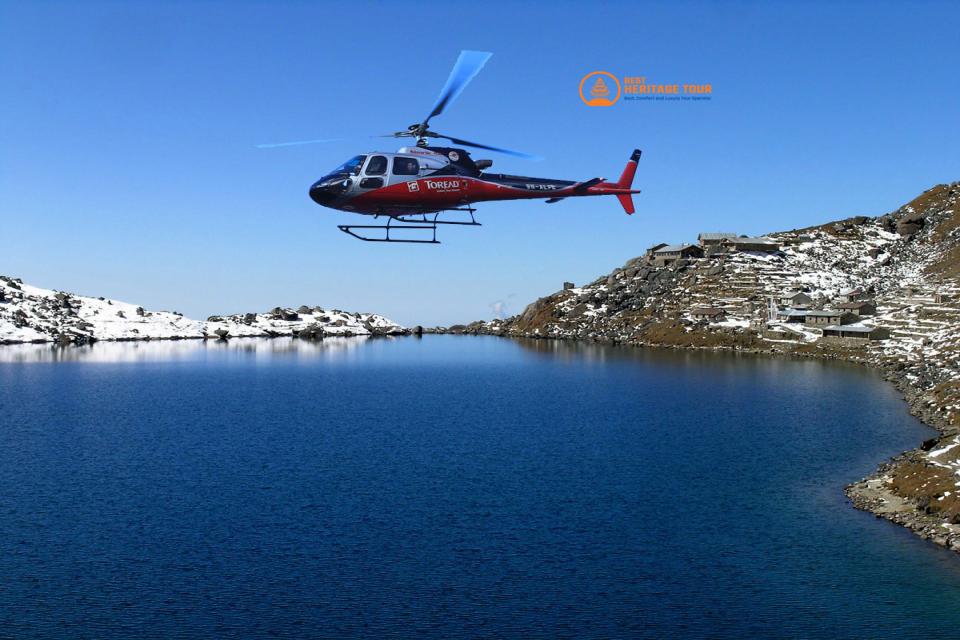
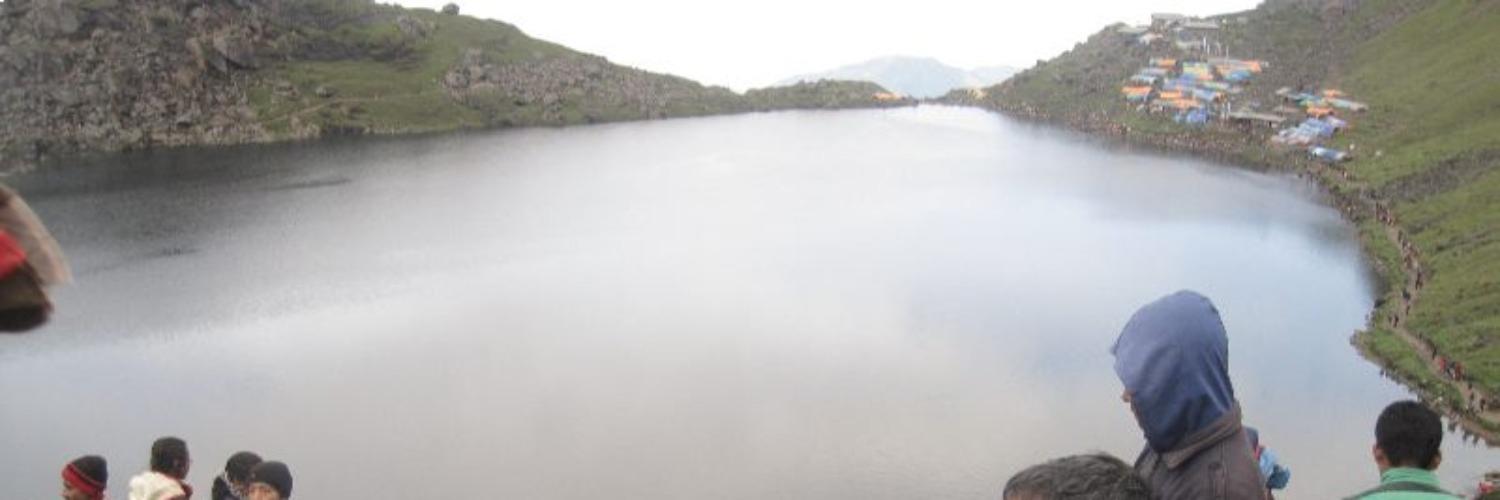
For trekkers, there is no place more iconic than Gosaikunda Lake (4,380m). Legend has it that Lord Shiva struck the mountain with his trident to create this lake to quench his thirst after swallowing poison to save the world.
-
The Experience: Thousands of pilgrims, including Shamans (Dhami/Jhakri) in traditional white robes and feathered headdresses, trek to the lake to take a holy dip in its icy waters.
-
Best Heritage Tour Tip: The trek to Gosaikunda during Janai Purnima is physically demanding due to the altitude and monsoon rain, but the sight of hundreds of Shamans drumming and chanting under the full moon is hauntingly beautiful.
2. Badimalika - The Spiritual Peak of the Far West
While the shrines of Kathmandu and the lakes of Gosaikunda are legendary, many seasoned travelers and devout pilgrims argue that Badimalika is the best place to celebrate Janai Purnima in Nepal.
Located in the Bajura district of Far-Western Nepal at an altitude of approximately 4,200 meters, Badimalika is not just a temple; it is a spiritual wilderness that offers the most authentic and raw celebration of this festival.
Why Badimalika is the Pinnacle of Janai Purnima Celebrations:
-
The Shamanistic Spectacle: During Janai Purnima, Badimalika becomes the stage for hundreds of Dhami-Jhakris (Shamans) from all over the Sudurpashchim and Karnali provinces. Clad in traditional white robes, bells, and elaborate headgear, their rhythmic drumming and trance-like dances under the full moon create an atmosphere that feels like stepping back in time.
-
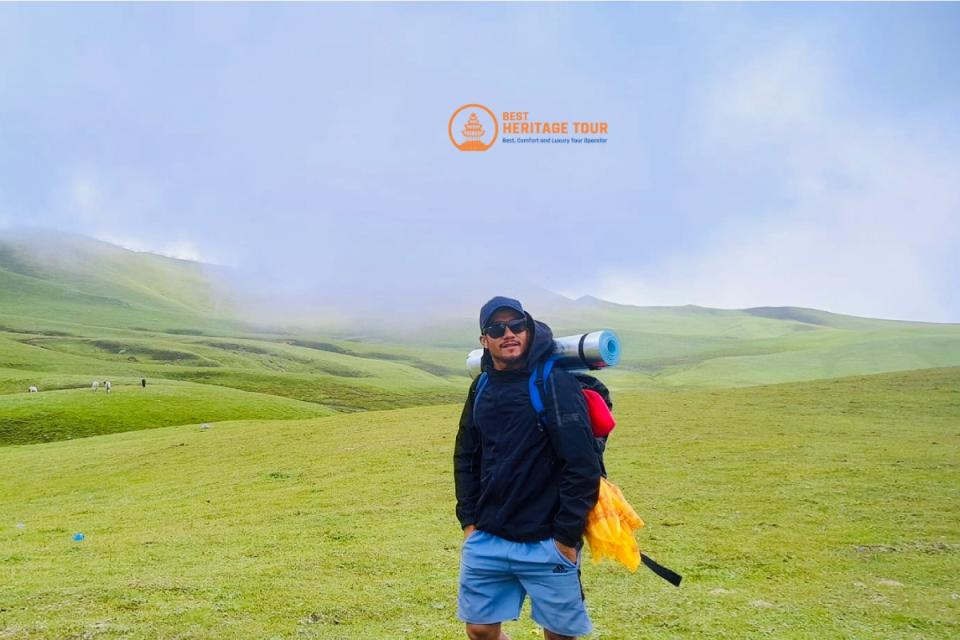
Unrivaled Natural Beauty: The "Trevini Patan" consists of vast, rolling green grasslands (alpine meadows) that seem to stretch infinitely. During Janai Purnima, these meadows are carpeted in wildflowers and shrouded in mystical monsoon mists, making it one of the most beautiful landscapes in the entire Himalayas.
-
The Ultimate Pilgrimage: Unlike the more accessible sites, reaching Badimalika requires a multi-day trek through remote wilderness. This journey is seen as a true test of devotion. Taking a holy dip in the local rivers followed by a visit to the Malika Devi temple during the full moon is believed to fulfill one's deepest wishes.
Best Heritage Tour Pro-Tip: Getting to Badimalika is an adventure. The journey involves flying to Dhangadhi or Nepalgunj and then trekking through rugged terrain. If you are looking for the most profound and visually stunning Janai Purnima experience in 2026, Badimalika is our top recommendation for the intrepid traveler.
3. Pashupatinath Temple, Kathmandu
If you prefer to stay within the valley, Pashupatinath is the epicenter of the festival. This UNESCO World Heritage site becomes a sea of devotees.
-
What to see: Hundreds of priests lining the banks of the Bagmati River, performing the Shrawani Snan (holy bath) and tying the sacred Doro (protection thread) on the wrists of visitors.
4. Kumbheshwar Temple, Patan
The Kumbheshwar Temple in Lalitpur is home to a natural spring believed to be connected to Gosaikunda Lake. For those who cannot make the arduous trek to the mountains, bathing in the pond here is considered equally meritorious.
5. Muktinath Temple, Mustang
In the high-altitude desert of Mustang, Muktinath sees a grand celebration where both Hindus and Buddhists gather. The Yartung Mela (horse racing festival) often coincides with this period, adding a thrilling cultural layer to your religious visit.
Where to Celebrate Janai Purnima in Kathmandu & Pokhara
For the casual traveler or tourist, the urban celebrations offer a mix of accessibility and profound culture.
In Kathmandu Valley:
-
Basantapur (Kathmandu Durbar Square): Witness the local Newar community celebrating Gunhi Punhi. You’ll see people offering food to frogs in the courtyards and enjoying bowls of Kwati.
-
Boudhanath Stupa: While primarily a Buddhist site, the syncretic nature of Nepali culture means you will see Hindu devotees paying respects here too, creating a beautiful atmosphere of religious harmony.
In Pokhara:
-
Bindhyabasini Temple: Perched on a hill with views of the Annapurna range, this temple is the most popular spot for locals in Pokhara to change their Janai and receive the Raksha Bandhan thread.
-
Kedareshwar Mahadev Temple: Located by the shores of Phewa Lake, this temple offers a serene environment to observe the rituals of the priests and devotees.
How to Celebrate Janai Purnima in Nepal as a Foreigner
Many of our guests ask, "Can I participate if I am not Hindu?" The answer is a resounding YES! Nepal’s festivals are inclusive and welcoming.
-
Get a "Doro" Tied: You don't need to wear the Janai thread across your chest. Instead, visit a temple like Pashupatinath, and a priest will tie a colorful yellow and red thread (Doro) around your wrist. It is believed to bring good luck and protection.
-
Eat Kwati: This is a must! Kwati is a nutritious soup made from nine types of sprouted beans (black gram, green gram, chickpeas, field peas, soybeans, field beans, garden peas, cowpeas, and rice beans). It’s delicious, healthy, and available in almost every traditional restaurant.
-
Respect the Rituals: If you are visiting a temple, remember to take off your shoes and ask for permission before taking photos of people performing their private prayers.
-
Join a Gosaikunda Trek: If you are physically fit, join a guided group to Gosaikunda. Being part of a pilgrimage "Jatra" (procession) is the most authentic way to experience the festival’s raw energy.
The Significance of the "Doro" and the Cow
One of the most charming beliefs associated with Janai Purnima involves the thread tied around your wrist. Tradition dictates that you should keep this thread on until the festival of Laxmi Puja (during Tihar/Deepawali) a few months later.
On that day, you untie the thread and tie it to the tail of a cow. The belief is that when you die, the cow will help you cross the mythical Baitarni River to reach heaven by letting you hold onto its tail. It is a beautiful metaphor for the interconnectedness of humans, animals, and the divine.
Conclusion
Janai Purnima is more than just a date on the calendar; it is a renewal of the spirit, a celebration of family bonds, and a deep dive into the ancient mythology of the Himalayas. Whether you are seeking the high-altitude thrill of the Gosaikunda Lake or the ancient stone courtyards of Patan, the festival of 2026 promises to be an unforgettable experience.
At Best Heritage Tour, we are ready to guide you through the sacred and the sublime. Let us handle the logistics while you soak in the spirituality of Nepal.
Ready to experience the magic of Janai Purnima?
Contact us today to book your 2026 Festival Tour or Gosaikunda Pilgrimage Trek!
Phone / WhatsApp / Viber: +977-9851149197 / +977-9810043046
Email: info@bestheritagetour.com / bestheritagetour@gmail.com
Website: www.bestheritagetour.com
Office: Thamel Marg, Kathmandu, Nepal
Author: Best Heritage Tour
Date: 8th May, 2026