When most travelers think of trekking in Nepal, their minds immediately drift to the bustling trails of October or the rhododendron blooms of April. But for the discerning adventurer, there is a third option - one that offers a raw, crystalline beauty that the peak seasons simply cannot match.
Winter trekking in Nepal (typically from December to February) is often misunderstood. Some see it as too cold, while others fear the logistics of snow-blocked passes. At Best Heritage Tour, we believe winter is actually Nepal’s best-kept secret. In this guide, we’ll explore the honest pros and cons of trekking during the Himalayan winter to help you decide if you're ready for the "Frozen Throne."
The "Pros" - Why Winter is the Gold Mine of Himalayan Travel
1. Unrivaled Visibility and the "Diamond Sky" Effect
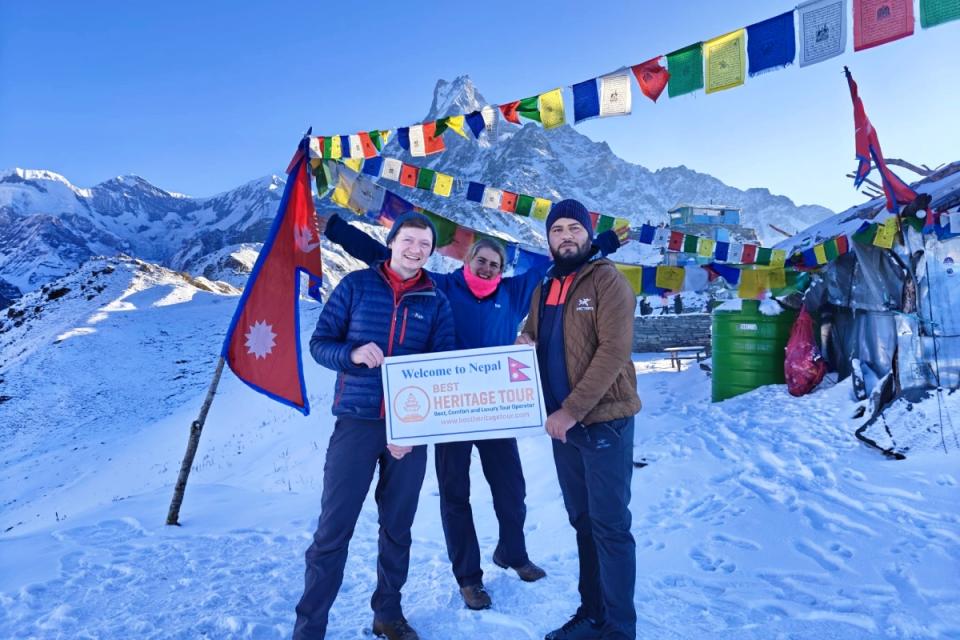
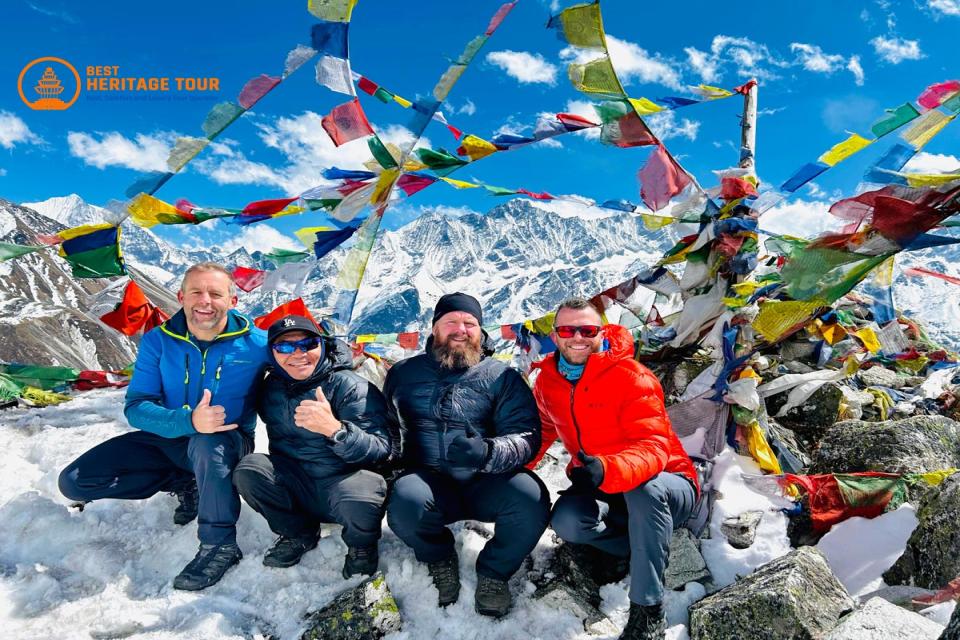
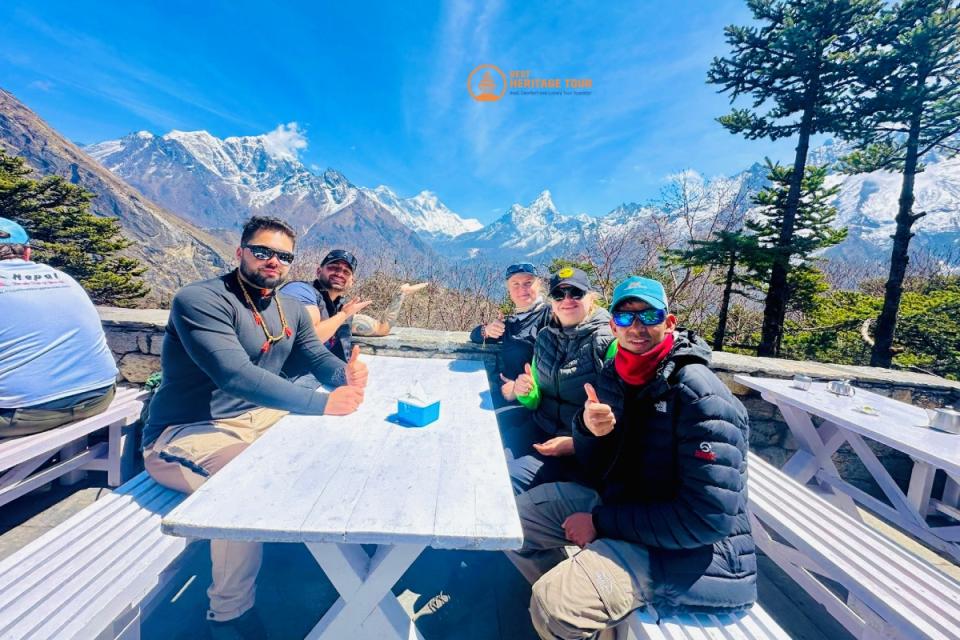
In the trekking world, "view is king." During the autumn and spring, humidity and afternoon haze can sometimes veil the giants. In winter, the air is at its driest. This lack of moisture creates a phenomenon we call the Diamond Sky. The atmosphere is so crisp and clear that the peaks of Mount Everest, Ama Dablam, and Annapurna appear high-definition, almost close enough to touch. If you are a photographer, winter is non-negotiable; the golden hour light hitting snow-covered ridges is spectacular.
2. The Luxury of Solitude
The Everest Base Camp (EBC) and Annapurna Circuit trails can feel like a busy city street in October. In January, they return to their natural state: peaceful, silent, and majestic.
-
No crowds: You won't be standing in line to cross suspension bridges.
-
Best Rooms: At Best Heritage Tour, we often find that the best "corner rooms" with the most windows (and sun exposure) are readily available.
-
Authentic Interaction: With fewer guests, teahouse owners have time to sit by the fire and share stories of Himalayan folklore, offering a deeper cultural immersion.
3. Cost-Effective Adventures and Availability
While the cost of permits remains the same, the "hidden costs" of trekking often drop.
-
Flights: Domestic flights to Lukla or Pokhara are easier to book and less prone to the chaotic overbooking seen in peak months.
-
Value: Many lodges offer better hospitality and more attention to detail because they aren't overwhelmed by 50 other trekkers.
4. Wildlife Encounters
As the snow line descends, many Himalayan animals move to lower elevations to find food. It is significantly more common to spot the Himalayan Tahr, Musk Deer, or even the elusive Red Panda near the Langtang or Everest regions during the quieter winter months when the noise of thousands of trekkers has faded.
The "Cons" - Facing the Reality of the Cold
1. The Mercury Drop
Let’s be honest: it is cold. While the daytime sun can make it feel like 15°C (59°F) while you are moving, the moment the sun dips behind a 7,000m peak, the temperature plummets.
-
High Altitude Nights: At places like Gorak Shep (5,164m), indoor temperatures in the bedroom can drop to -10°C, and outdoor temperatures can hit -25°C.
-
The Frozen Morning: Waking up at 4:00 AM for a sunrise hike requires a level of mental fortitude that isn't for everyone.
2. Frozen Logistics
Winter brings physical challenges beyond just the cold:
-
Frozen Water: In many higher-altitude lodges, the pipes freeze. This means "bucket showers" only, or using wet wipes.
-
Battery Drain: Lithium batteries hate the cold. You will need to sleep with your camera batteries and phone inside your sleeping bag to keep them from dying.
3. Trail Closures (High Passes)
Safety is our number one priority at Best Heritage Tour. During heavy snow years, high-altitude passes like Thorong La (5,416m) or the Cho La Pass can become impassable without specialized mountaineering gear. This may require last-minute itinerary adjustments, which is why having an experienced guide is vital.
Top Recommended Winter Treks for 2026
If you are planning a winter trip, you need to choose your route strategically. Here are our top picks:
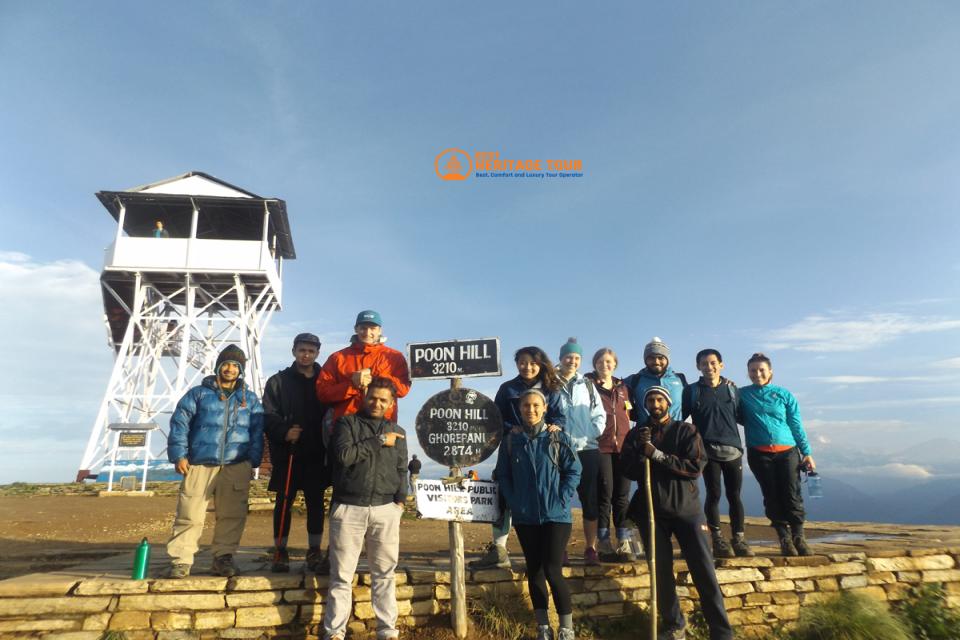
A. The Ghorepani Poon Hill Trek (The Beginner's Choice)
-
Max Altitude: 3,210m
-
Why it’s great: It stays at a relatively low altitude, meaning the cold is manageable. The sunrise over the Dhaulagiri and Annapurna ranges is arguably even better in winter because the snow on the trees makes the forest look like a Narnia landscape.
B. The Langtang Valley Trek (The Cultural Escape)
-
Max Altitude: 4,984m (Kyanjin Ri)
-
Why it’s great: Just a short drive from Kathmandu. The valley is wide, which allows for maximum sun exposure during the day. The "Valley of Glaciers" truly lives up to its name in the winter.
C. Everest View / Panorama Trek (The Luxury Winter Experience)
-
Max Altitude: 3,860m (Tengboche)
-
Why it’s great: You get the world-class views of Everest and Lhotse without the brutal 5,000m+ sleeping conditions. You can stay in higher-end lodges with heated dining rooms and better insulation.
Technical Gear - The Professional Guide’s Checklist
As an experienced Peak Climbing guide, I cannot stress this enough: Your gear is your life support. For a winter trek, your "standard" gear needs an upgrade.
|
Item |
Specification |
Why it Matters |
|---|---|---|
|
Sleeping Bag |
Rated to -20°C / -5°F |
Teahouse rooms are not heated. You need a 4-season bag. |
|
Down Jacket |
800+ Fill Power |
Essential for the "static" time in the evening. |
|
Base Layers |
Merino Wool |
Keeps you warm even when damp and doesn't hold odors. |
|
Footwear |
Waterproof with Crampons |
Trails can be icy. Micro-spikes are a game changer. |
|
Hydration |
Insulated Water Bottles |
Plastic bottles will freeze solid by 9:00 PM. |
Staying Safe - The Best Heritage Tour Protocol
Winter trekking requires a different mindset. At Best Heritage Tour, we implement specific safety protocols for the winter season:
-
Late Starts, Early Finishes: We start walking once the sun has warmed the trail (around 8:00 AM) and aim to be in the lodge by 3:00 PM to avoid the late afternoon "deep freeze."
-
Hydration & Nutrition: The cold suppresses thirst, but dehydration increases the risk of Altitude Sickness. Our guides ensure you are drinking 3-4 liters of fluids daily.
-
Flexibility: We always build in "buffer days." If a blizzard hits, we wait. The mountains aren't going anywhere.
Frequently Asked Questions (FAQs)
Is winter trekking in Nepal safe for beginners?
Yes, provided you choose the right route. We recommend the Mardi Himal or Poon Hill treks for winter beginners. Avoid high-altitude passes unless you are with a professional team like Best Heritage Tour.
Do I need oxygen for winter trekking?
No. While it is cold, the altitude remains the same. Standard acclimatization rules apply. However, the cold can make your lungs work harder, so a slower pace is recommended.
Are the teahouses open in winter?
Most are! In popular regions like Everest and Annapurna, a rotation system ensures that at least 40-50% of the lodges stay open to welcome winter trekkers.
Conclusion
Winter trekking in Nepal is not for everyone. It is for the photographer who wants the perfect shot without a stranger in the frame. It is for the soul-searcher who wants to hear the sound of their own footsteps on a frozen path. And it is for the adventurer who knows that the greatest rewards often lie on the coldest paths.
At Best Heritage Tour, we don’t just guide you; we share our home with you. Our guides are trained in winter survival, high-altitude medicine, and, most importantly, the art of Himalayan hospitality. We will ensure your water is warm, your bed is snug, and your views are legendary.
Are you ready to witness the Himalayas in their most pristine form?
Phone / WhatsApp / Viber: +977-9851149197 / +977-9810043046
Email: info@bestheritagetour.com / bestheritagetour@gmail.com
Website: www.bestheritagetour.com
Office: Thamel Marg, Kathmandu, Nepal
Author: Best Heritage Tour
Date: 12th April, 2026