If you have ever researched trekking in Nepal, or if you have already set foot on the rugged trails of the Annapurna or Everest regions, you have undoubtedly heard the famous Himalayan catchphrase: "Dal Bhat Power, 24 Hour!"
At first glance, it sounds like a catchy marketing slogan stitched onto t-shirts in Thamel. But the moment you start climbing thousands of vertical meters a day, you realize it is an absolute undeniable truth.
For trekkers, travelers, and tourists alike, this humble platter is more than just a meal - it is the literal engine that drives every successful Himalayan expedition. But why trekkers loves Dal Bhat so passionately, and what makes it the undisputed king of mountain cuisine?
As your trusted travel partner - Best Heritage Tour, we have guided thousands of adventurers through the high-altitude passes of Nepal. In this comprehensive guide, we are going to dive deep into the science, culture, and culinary magic behind Nepal’s national dish. Whether you are preparing for your first trek or reminiscing about your last, here is everything you need to know about the food that powers the Himalayas.
What is Dal Bhat? Unpacking the Platter
To understand why this dish is so revered, we first need to answer a fundamental question for first-time visitors: What is Dal Bhat?
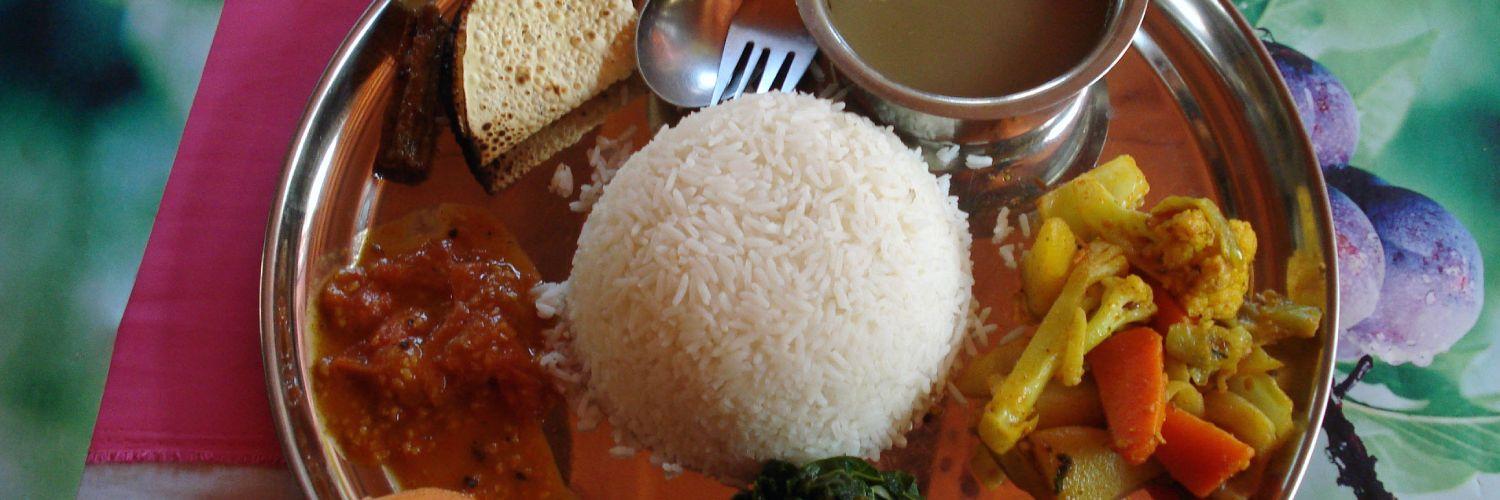
At its core, Dal Bhat is a traditional, well-balanced platter consisting of several components served together on a single brass or stainless steel plate (known as a Thali). While it looks like a simple rice and lentil dish, it is actually a highly sophisticated, nutritionally complete meal.
Here is what you will typically find on your plate at a mountain teahouse:
-
Bhat (The Foundation): A generous mound of steamed white rice, providing an immediate source of easily digestible carbohydrates.
-
Dal (The Soul): A thick, flavorful soup made from slow-cooked lentils, black grams, or beans, seasoned with local herbs and spices like cumin, turmeric, ginger, and garlic. This is your primary protein source.
-
Tarkari (The Nutrients): A seasonal vegetable curry. Depending on the altitude and season, this could feature cauliflower, potatoes, mustard greens, green beans, or cabbage, cooked in aromatic spices.
-
Achar (The Zing): A spicy, tangy, or pickled condiment made from tomatoes, radish, sesame seeds, or mountain berries. It cuts through the richness of the meal and stimulates digestion.
-
Saag (The Greens): Stir-fried wild greens or mustard leaves, packed with essential vitamins and iron.
-
Papad (The Crunch): A crisp, fried or roasted lentil wafer that adds a delightful texture to the meal.
-
Meat (Optional): In lower altitudes or specific teahouses, you may choose to add a side of chicken, wild boar, or local goat curry.
When you mix the Dal into the Bhat with your hands (the traditional way) or a spoon, the flavors meld together to create a comforting, savory experience that tastes like home, no matter where you are from in the world.
Why Nepali Local Loves Dal Bhat?
To truly appreciate this dish, it helps to understand its cultural roots. Why Nepali local loves Dal Bhat is deeply tied to geography, lifestyle, and history.
Nepal is a land of extreme topography. For generations, the local people - from the lowland farmers in the Terai to the high-altitude Sherpas in the mountains - have engaged in grueling physical labor. Tilling terraced fields, carrying heavy loads up steep ridges, and walking miles every day requires immense physical stamina.
[Carbohydrates (Rice)] + [Protein & Iron (Lentils)] + [Vitamins (Vegetables)] = Sustained Energy
For a Nepali local, Dal Bhat is not just a lunch choice; it is a lifestyle. It is traditionally eaten twice a day: once in the mid-morning before the workday begins, and once in the evening with the family. It is incredibly sustainable because the ingredients are grown locally in village fields, making it an affordable, farm-to-table meal that keeps the body fueled for a full day of hard labor. It represents comfort, hospitality, and communal identity.
Why Trekkers Loves Dal Bhat: The Mountain Science
When you transition from a casual tourist to a high-altitude trekker, your body’s nutritional demands skyrocket. Walking 5 to 8 hours a day while carrying a backpack and battling thinning air burns a massive number of calories.
Here is the exact breakdown of why trekkers loves Dal Bhat above all other foods on the trail:
1. The Perfect 24-Hour Fuel Source
High-altitude trekking requires sustained, slow-burning energy. White rice provides fast-acting carbohydrates that replenish glycogen stores in your muscles, while the protein and fiber in the lentils slow down digestion, ensuring you don’t experience a sudden energy crash. It provides a steady release of power that helps you conquer steep climbs like the infamous Namche Bazaar hill or Thorang La Pass.
2. Muscle Recovery and Repair
Descending steep stone steps for hours puts incredible strain on your knees and quadriceps. The amino acids and plant-based proteins found in the Dal are crucial for repairing torn muscle fibers overnight, ensuring you wake up without debilitating soreness, ready for the next day's trail.
3. Infinite Refills (The Best Deal in the Himalayas)
This is perhaps the biggest secret of the trekking world! When you order a Western dish like pizza or pasta at a trekking lodge, you get one fixed portion. When you order Dal Bhat, it operates on an informal "all-you-can-eat" policy.
The lodge hosts will continuously walk around with pots of hot rice, lentil soup, and vegetable curry, replenishing your plate until you literally beg them to stop. For a hungry trekker who has just burned 3,000 calories, this hospitality is nothing short of heavenly.
4. Safety and Acclimatization
At high altitudes, your digestive system slows down because your body redirects oxygenated blood to your lungs and legs. Heavy, processed foods like cheese, meat, and fried fast food can sit heavily in your stomach, leading to nausea or exacerbating Acute Mountain Sickness (AMS).
Dal Bhat is naturally gluten-free, lightly spiced, and cooked fresh. The garlic and ginger commonly used in the lentils are local remedies known to thin the blood, improve circulation, and aid in altitude acclimatization.
Is Dal Bhat the Only Food I Can Find While Trekking in Nepal?
A common concern among international travelers planning their first trip with us is: Is Dal Bhat the only food I can find while trekking in Nepal?
The short answer is: Absolutely not!
The trekking infrastructure in Nepal - especially along established routes like the Everest Base Camp trail, the Annapurna Circuit, and the Langtang Valley - is incredibly sophisticated. The menus at local teahouses are shockingly diverse. If you are craving a taste of home, you can easily find a wide variety of international dishes, including:
Western and International Options
-
Breakfast: Pancakes, French toast, porridge (oatmeal), eggs cooked to your preference, muesli, and fresh Tibetan bread served with honey or jam.
-
Italian & Continental: Vegetable pizzas, spaghetti bolognese, macaroni and cheese, and fried potatoes with eggs.
-
Bakery Items: In larger hub villages like Namche Bazaar or Manang, you will find authentic bakeries serving fresh apple pie, chocolate croissants, and brownies.
Local and Tibetan Alternatives
-
Momo: The iconic Nepali steamed or fried dumplings stuffed with vegetables, buffalo meat, or chicken, served with a spicy dipping sauce.
-
Thukpa: A warming, hearty Tibetan noodle soup loaded with vegetables or meat - perfect for freezing nights at high camp.
-
Chow Mein: Stir-fried noodles cooked with fresh vegetables and local spices.
The Pro-Tip: Stick to the Local Choice
While you can eat pizza and pasta at 4,000 meters, we always advise our clients to stick to Dal Bhat, Momos, and local soups.
Why? Because the local cooks are absolute masters at preparing their traditional cuisine. The ingredients for Dal Bhat are rotated daily, ensuring everything on your plate is fresh and locally sourced. Western ingredients often have to be carried up by porters or yaks over several days without refrigeration, meaning fresh veggies and lentils are always the safer, healthier, and more hygienic choice for your stomach.
The Cultural Etiquette of Eating Dal Bhat
To completely immerse yourself in the Nepali heritage during your journey, it helps to know how to enjoy this meal like a local.
-
Use Your Right Hand: If you want to try eating with your hands, always use your right hand. In Nepali culture, the left hand is traditionally reserved for personal hygiene.
-
The Mix is Key: Don't eat the components entirely separately. Pour a healthy ladle of the Dal over your rice, add a bit of the vegetable curry and a touch of pickle, and mix a small portion together before taking a bite.
-
Say "Mitho Chha": If you want to compliment your lodge host on the delicious food, simply look at them and say "Mitho chha" (pronounced Meeth-oh cha), which translates to "It is delicious!"
Conclusion
At the end of a long, challenging day on the trail, nothing compares to sitting around a warm yak-dung heater in a cozy mountain teahouse, holding a hot cup of black tea, and waiting for a steaming plate of freshly cooked Dal Bhat. It is an experience that nourishes both the body and the soul, binding travelers from all corners of the globe together over a shared love for the mountains.
At Best Heritage Tour, we don't just book itineraries; we curate deeply authentic, culturally immersive journeys that connect you with the true heart of Nepal. From organizing seamless logistics and securing the best local teahouses to providing experienced guides who know every hidden story along the trail, we handle the details so you can focus on the adventure of a lifetime.
Are you ready to experience the legendary power of Dal Bhat while standing in the shadow of the world's highest peaks? Let us design your perfect trekking or cultural heritage itinerary today.
Phone / WhatsApp / Viber: +977-9851149197 / +977-9810043046
Email: info@bestheritagetour.com / bestheritagetour@gmail.com
Website: www.bestheritagetour.com
Office: Thamel Marg, Kathmandu, Nepal
Author: Best Heritage Tour
Date: 18th May, 2026